
Deceptively Unhealthy: 8 Food Fads That Aren’t as Good for You as They Seem
Let's talk about something we have all done: standing in the grocery aisle, picking up a product with a shiny “healthy” label, and feeling pretty good about our choice. But here is the thing, not everything that looks nutritious actually is. Some of the trendiest foods on the shelf are hiding surprising amounts of sugar, fat, or empty promises behind their colorful packaging. As your guide, I want to help you look closer, ask better questions, and become the kind of smart shopper who sees past the marketing magic.
The great part is that once you know what to watch for, you gain real power over your plate. We will walk through some of the most popular food fads together, from green smoothies and veggie chips to coconut oil and agave nectar, and discover what is really going on inside those labels. With a few simple tips and a positive mindset, you can enjoy your favorite foods while making choices that genuinely support your health. So grab your curiosity, and let's dig in!
Green Smoothies Aren’t Always Green
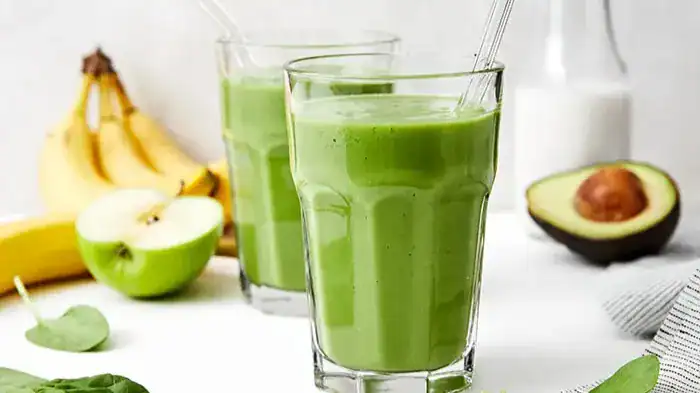
Green smoothies often promise a bounty of nutrients but can sometimes deliver a surprising amount of sugar and calories instead. The vibrant hue is frequently more about aesthetics than nutrition. Adding too much fruit, sweetened yogurt, or juice can quickly shift the smoothie from healthy to sugary. Emphasizing fresh greens like spinach or kale and balancing with minimal fruit ensures a nutritious blend. Pay attention to ingredient ratios and opt for water or unsweetened milk to keep sugars in check.
Gluten-Free Doesn’t Mean Healthy
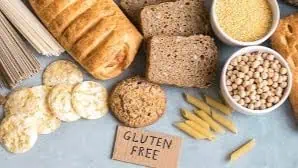
The gluten-free craze has led many to assume anything with the label is automatically a healthier option. However, gluten-free products often replace wheat with refined starches that can be high in calories and low in fiber. Moreover, these substitutes might lack essential vitamins and minerals. For those without gluten intolerance, focusing on whole grains like quinoa or brown rice provides a more balanced diet. Scrutinizing ingredient lists is key to unveiling hidden sugars or unhealthy additives.
Detox Teas: More Harm Than Help

Detox teas are marketed as quick paths to cleansing and weight loss but can be misleading and potentially harmful. Often containing laxatives, these teas may cause dehydration, electrolyte imbalance, and gastrointestinal issues when used frequently. They don’t offer real detoxification, which the liver and kidneys handle naturally. A more effective approach is maintaining a balanced diet rich in fruits, vegetables, and adequate hydration, which supports the body's natural detox processes.
Veggie Chips: Just Another Junk Food

Veggie chips often masquerade as a healthy potato chip alternative, yet they frequently fall short of this promise. Despite their colorful appearance, many are still high in fat, sodium, and calories. Often made with vegetable powder or puree rather than whole slices, they lose much of the original vegetable's fiber and nutrients. Reading labels is crucial; look for options that list whole vegetables as the first ingredient and are baked instead of fried to ensure a genuinely healthier snack.
Energy Bars: Candy in Disguise

Energy bars often present themselves as convenient health snacks, but a closer look reveals a sugar and calorie content akin to candy bars. To truly benefit from them, focus on bars with whole food ingredients like nuts and seeds, and ensure protein and fiber levels are substantial, aiding satiety. Limit those with high fructose corn syrup or excessive additives. Consider making homemade versions where you control the sweetness, using ingredients such as dates or maple syrup in moderation, boosting nutritional content without unnecessary sugars.
Coconut Oil: The Fat Trap

While coconut oil enjoys a healthy halo, its saturated fat levels rival those of butter. Use it sparingly and opt for extra virgin varieties to retain any potential nutritive benefits. Balance your fat intake by incorporating other oils like olive or avocado for their unsaturated fats, which support heart health. For baking, consider substituting part of the coconut oil with applesauce or yogurt to maintain moisture while reducing overall fat content. This mindful approach can help mitigate any nutritional pitfalls associated with its overuse.
Agave Nectar: Not So Sweet After All

Although agave nectar is marketed as a healthier alternative to refined sugars, its high fructose content can contribute to metabolic health issues. If you're seeking natural sweeteners, look toward honey or maple syrup, which offer trace minerals and antioxidants. Use these alternatives sparingly, as their calorie content is similar to that of agave. Additionally, enhancing sweetness with spices like cinnamon or vanilla allows you to use less sweetener overall, maintaining flavor complexity without overloading on sugar.
Frozen Yogurt: A Dessert, Not a Diet

Frozen yogurt is often seen as a guilt-free alternative to ice cream, yet many versions are laden with added sugars that diminish its probiotic benefits. Opt for plain varieties and add fresh fruits and nuts for natural sweetness and crunch. Check the ingredient list for live and active cultures, which aid digestion, and limit toppings that can double calorie counts. Making your frozen yogurt at home can also be rewarding; using Greek yogurt ensures a creamy texture with higher protein content, allowing you to control sugars and flavors.
