
11 Tiny Cooking Mistakes That Matter More Than You Think
You've probably done it…we all have! Thrown a cold chicken breast into a pan that wasn't hot enough. Overcrowded the skillet so everything steamed instead of seared. Sliced into a steak the second it came off the heat, watching all those beautiful juices run onto the cutting board. These aren't huge, catastrophic mistakes. They're tiny ones. But they add up. And they're the reason your food sometimes turns out bland, tough, or just not as good as you hoped. The good news? Fixing these little errors is easy. You don't need culinary school or fancy equipment. Just a few simple tweaks—like preheating your pan, resting your meat, tasting as you go, and using the right knife—can transform your cooking from “meh” to “wow.”
So if you're ready to level up your kitchen game without a complete overhaul, you're in the right place. In this article, we're breaking down 11 tiny cooking mistakes that might be holding you back—from neglecting to season with salt and rushing the browning process to ignoring acid, stirring pasta too much, and using low-quality ingredients. You'll learn why preheating matters, how to tell when your pan is ready, and why you should always taste before you serve. No shame. No judgment. Just simple fixes that make a big difference. Let's get cooking—better this time.
Neglecting to Preheat the Pan
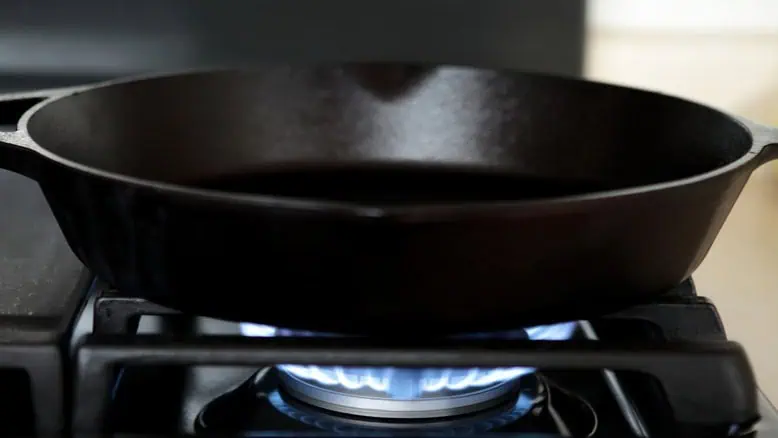
Preheating the pan is crucial for achieving proper texture and color in your food. Without it, items like proteins won't sear, leading to uneven cooking and loss of flavor. Allow your pan to heat gradually on medium heat until it's hot enough for a ripple effect with oil. This ensures a good Maillard reaction, providing your ingredients the perfect flavorful crust.
Forgoing the Right Knife
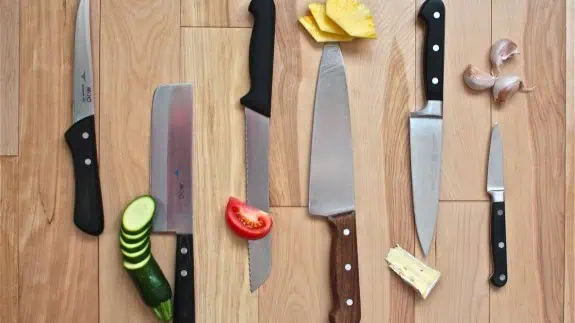
The right knife can transform your preparation process. A sharp chef’s knife makes precision cuts effortless, while a dull blade can squish or tear ingredients, affecting both texture and flavor. Regularly hone your knives and select specific ones suited for the task—like a paring knife for intricate work—to improve efficiency and dish quality.
Using Low-Quality Ingredients
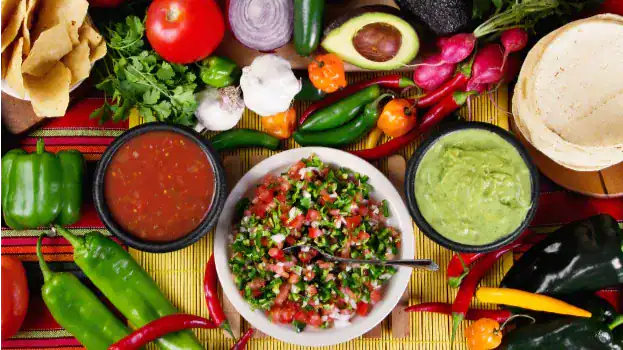
The quality of your ingredients sets the baseline for your dish's outcome. Fresh herbs, ripe produce, and high-quality proteins make a remarkable difference. These elements possess superior flavor profiles and textures. When possible, opt for organic or locally-sourced options, and always examine freshness to ensure the highest quality in your cooking.
Inaccurate Measurements Matter
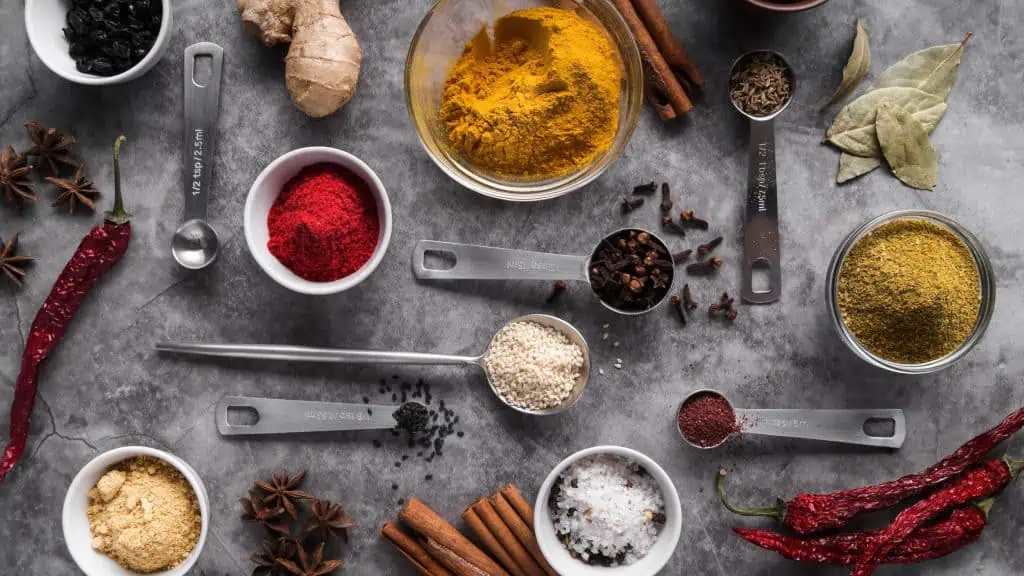
Precision in measurements ensures consistency and balance in flavors and textures. Too much or too little of an ingredient can drastically alter the intended result. Use a kitchen scale for accuracy, especially with baking. Even in savory cooking, measuring liquids with proper tools and leveling dry ingredients will maintain the intended harmony of your dishes.
Overcrowding the Pan
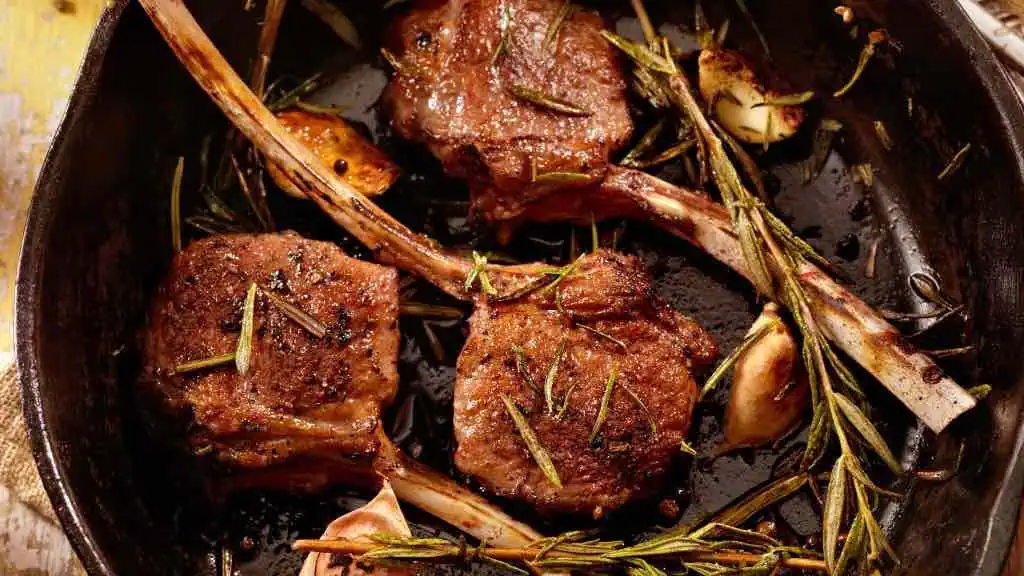
Overcrowding the pan can significantly impact the flavor and texture of your dish. When ingredients are packed too closely, they steam instead of brown, losing the desirable sear that adds depth. Ensure your proteins or vegetables have enough space to breathe and caramelize, which enhances both flavor and appearance. If necessary, cook in batches to maintain a consistent heat, allowing each piece to achieve the perfect color and texture.
Skipping the Resting Period
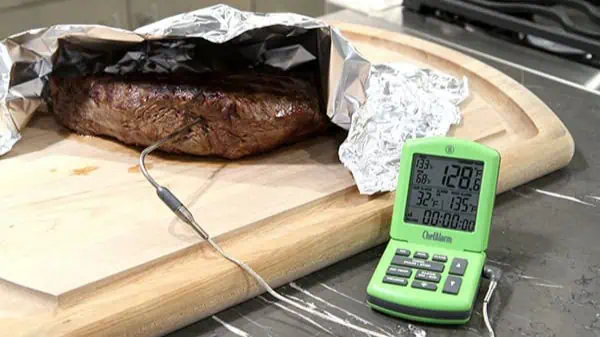
Allowing meat to rest after cooking gives fibers time to reabsorb juices, leading to more succulent results. Cutting in too soon releases those precious liquids onto the plate rather than keeping them in your food. For larger cuts like roasts, rest for 10-15 minutes; for smaller items such as steaks, 5 minutes is sufficient. Tent with foil to keep warm, avoiding any loss of moisture, and ensure a well-rested slice that retains both flavor and tenderness.
Ignoring Acid in Dishes

Acid is crucial for balance, often transforming a dish from flat to vibrant. Lemon juice, vinegar, or even a bit of wine can brighten and elevate flavors, cutting through richness and enhancing nuanced notes. Incorporate acids at various stages of cooking for layered complexity. A squeeze of lemon at the end can enliven stews or vegetables, while a dash of vinegar lent at the beginning of sauces rounds out each bite.
Stirring Pasta Too Much
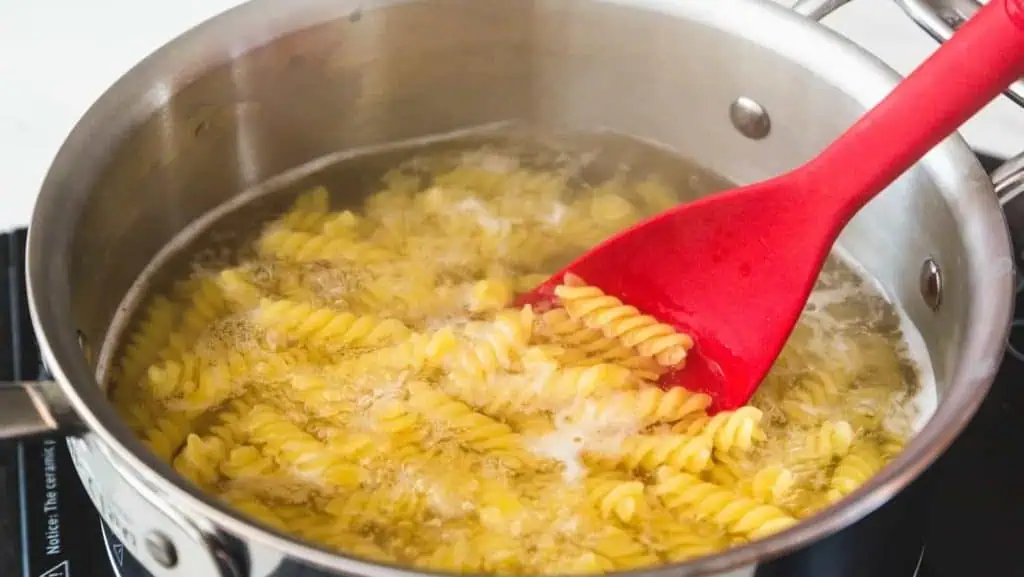
While stirring pasta initially helps prevent sticking, excessive stirring can break it down and affect its texture. Stir gently and only occasionally after the first few minutes. Achieve optimal pasta with a firm bite by cooking in generously salted water, tasting along the way to catch the perfect moment of doneness. Remember, pasta will continue to cook once mixed with sauce, so aim slightly under al dente for the best results.
Not Tasting as You Cook

Tasting throughout the cooking process is essential for adjusting flavors and seasoning. This small yet vital step can prevent overseasoning or bland dishes. Develop a habit of tasting at each stage—before adding salt, after introducing acids or spices, and prior to serving. This active engagement allows you to capture the right balance, ensuring your final dish meets your palate's expectations and delights those you serve.
Rushing the Browning Process
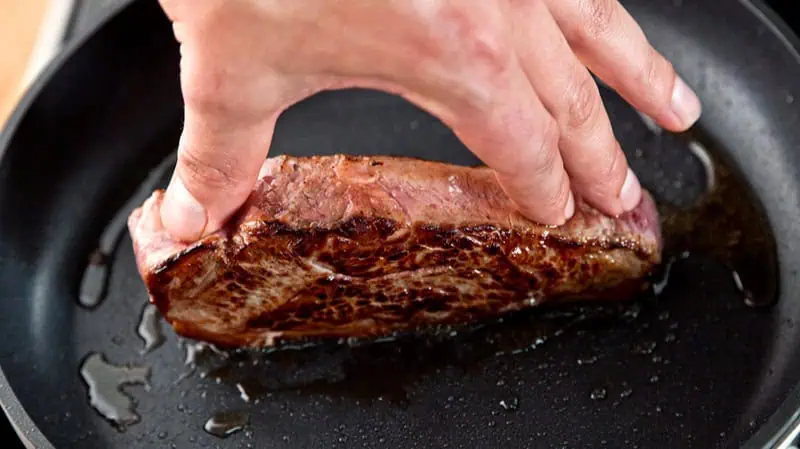
Achieving a perfect sear on meats or vegetables unlocks an essential depth of flavor that underpins many dishes. Browning demands patience, allowing time for the Maillard reaction to transform surface sugars and proteins into a caramelized crust. Crowding the pan or using low heat can steam rather than sear, resulting in a lackluster finish. For best results, ensure your pan is hot enough by waiting for a light shimmer on the oil's surface. Avoid turning too soon; let the ingredient develop a deep, golden brown before flipping. Taking the time to achieve a thorough browning amplifies taste and texture.
Forgetting to Season with Salt
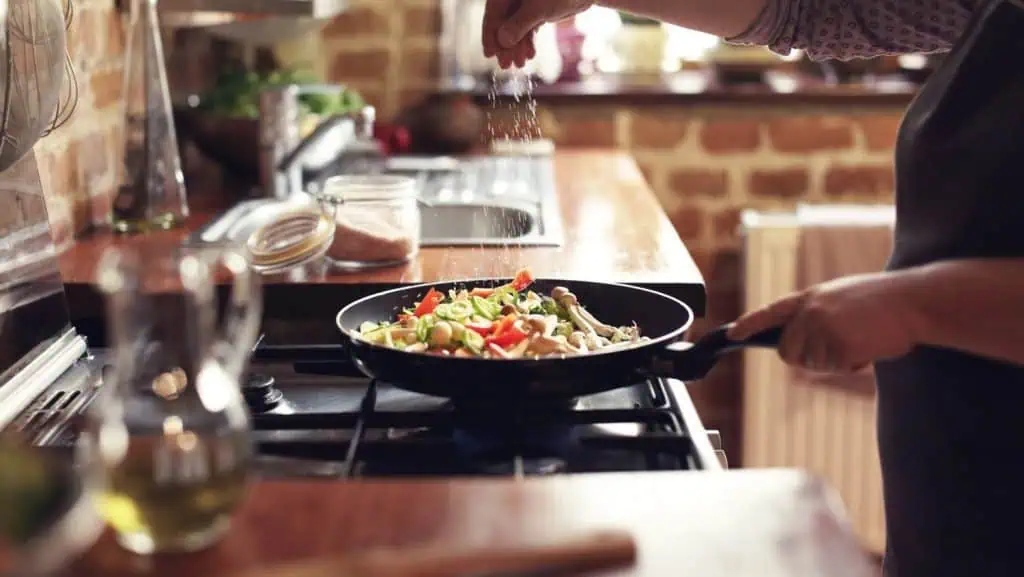
Salt plays a crucial role in enhancing and balancing flavors throughout cooking, not just at the finish. Proper seasoning begins early; add a pinch of salt while sautéing onions or roasting vegetables, not just at the end. Remember, salt helps to coax out the natural sweetness in many ingredients, and sprinkling it from a height allows for even distribution. Taste and adjust as you go, keeping in mind that some dishes may intensify saltiness as they reduce. Emphasize moderation and frequent tasting to harness salt's full potential in the kitchen.
