
15 Teas from Around the World Worth Trying at Least Once
Let’s be honest—for a lot of us, tea comes in a little bag with a string attached. You dunk it in hot water, wait a minute, and done. But there’s a whole world of tea out there that you’ve probably never even heard of. Seriously. We’re talking about smoky Lapsang Souchong from China, creamy matcha from Japan that’s whisked into a frothy green ritual, and spicy chai from India that simmers with ginger and cardamom. Each cup tells a story—about the land it came from, the people who make it, and the traditions that have been passed down for centuries. And the best part? You don’t need to travel the world to taste them. Your kitchen is the perfect starting point.
So grab your favorite mug (or maybe a special teapot) and get ready to explore 15 amazing teas from around the globe. You’ll learn how to brew each one the right way—because different teas need different water temperatures and steeping times. Too hot, and you’ll burn delicate white tea. Too short, and you’ll miss the full flavor of bold pu-erh. We’ll cover everything from South Africa’s sweet, nutty rooibos to Morocco’s refreshing mint tea, plus tips for finding high-quality leaves and getting the most out of every steep. Whether you’re a longtime tea lover or just curious, this guide will turn your next cup into an adventure. Let’s steep.
Matcha: Japan’s Ceremonial Treasure
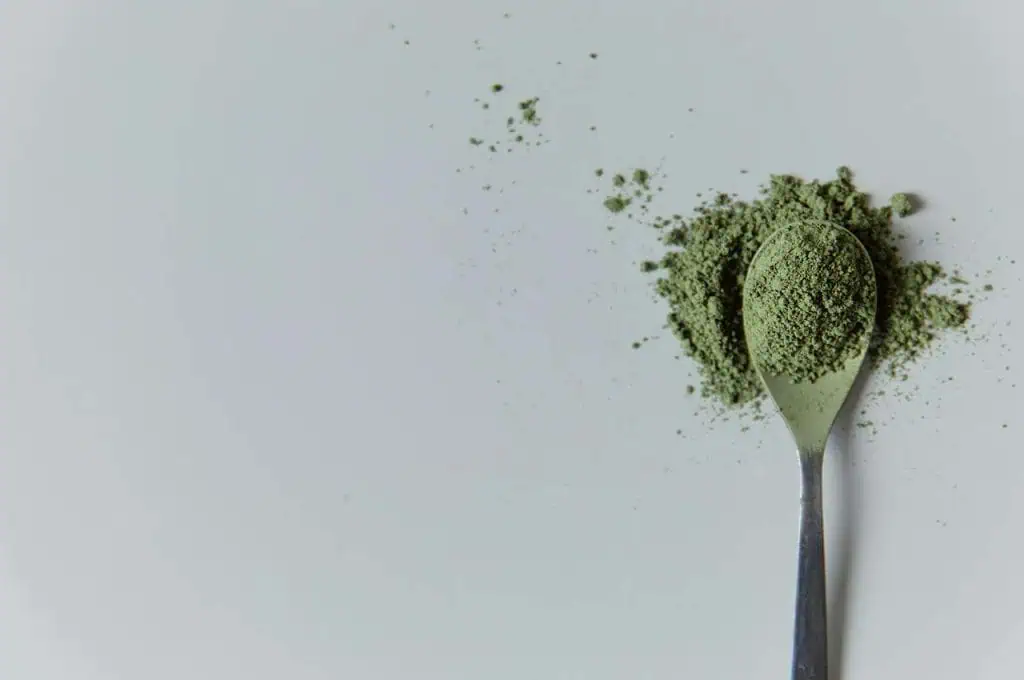
Matcha, a finely powdered green tea, is central to Japanese tea ceremonies. Prepared by gently whisking it with hot water using a bamboo chasen, matcha offers a vibrant color and a rich, umami flavor. Its smooth, creamy texture distinguishes it from other green teas. Use high-quality ceremonial grade for the best experience, appreciating its balance of slight bitterness and sweet earthiness.
Chai: India’s Spiced Elixir
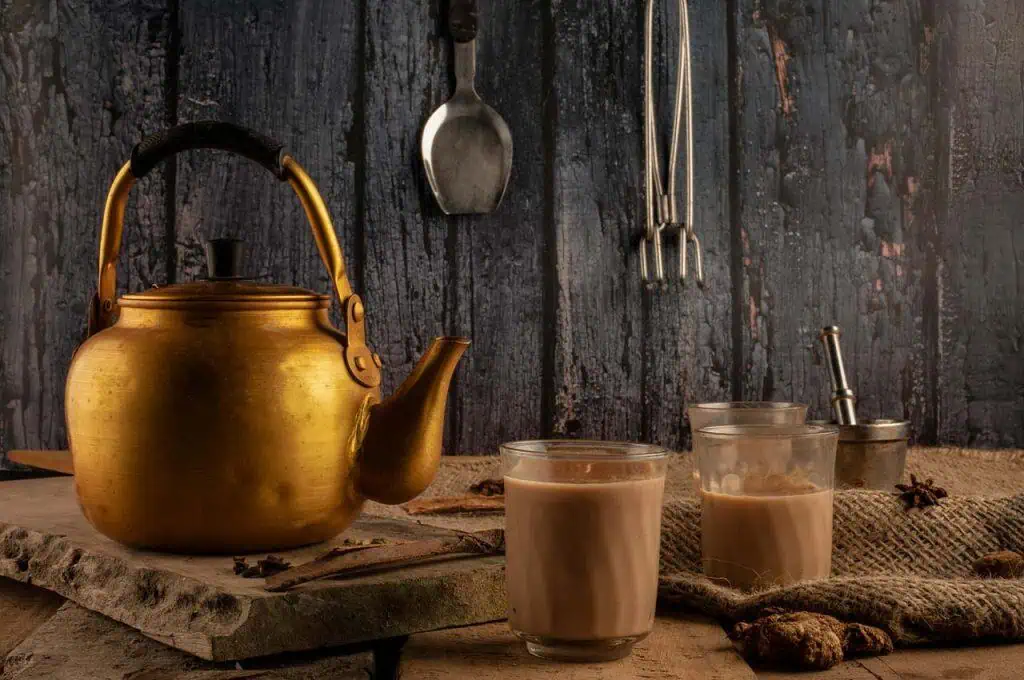
Chai, a spiced milk tea, embodies warmth and complexity. Fresh ginger, cinnamon, cardamom, and black peppercorns infuse Assam black tea, creating a robust, aromatic blend. Simmer with whole milk and a touch of sugar to enhance its spicy-sweet profile. Adjust the spice levels and explore regional variations to discover your perfect chai balance. Its comforting aroma invites communal enjoyment.
Earl Grey: The British Classic

Earl Grey combines robust black tea with a hint of bergamot, offering a distinctive citrusy aroma. Originating in Britain, its elegant profile makes it ideal for afternoon tea. Brew for about three to five minutes to balance strength with flavor. Consider pairing it with a slice of lemon or a dash of milk, enhancing its fragrant, soothing qualities without overpowering its subtle notes.
Rooibos: South Africa’s Red Bush

Rooibos, naturally caffeine-free, originates from South Africa’s fynbos region. Its reddish hue and sweet, nutty flavor make it unique among herbal teas. Rooibos can be enjoyed plain or infused with vanilla or fruits. Steep in hot water to unveil its rich, earthy undertones. Its versatility allows it to be served hot or iced, offering a delightful, refreshing drink for any time of day.
Oolong: The Art of Semi-Fermentation

Oolong tea offers a unique balance between the freshness of green tea and the depth of black tea. Its semi-fermented process defines its rich spectrum of flavors and aromas. To brew a perfect cup, use water just off the boil at 185°F (85°C) and steep for 3-5 minutes. Watch as the tightly rolled leaves unfurl, releasing floral and fruity undertones with a buttery body. Experiment with multiple infusions to fully experience its evolving profile. When selecting oolong, look for high-quality leaves with a bright, even color, indicative of careful processing.
Pu-erh: China’s Aged Wonder

Pu-erh tea captivates with its earthy depth, achieved through a unique fermentation process. This Chinese tea matures over time, much like fine wine, gaining complex flavors. Ideal brewing requires boiling water around 212°F (100°C) and a short rinse of the leaves to awaken them. Steep for 3-5 minutes initially, adjusting to taste for subsequent infusions. Choose ripe Pu-erh for its mellow, woody tones, and raw for a more vibrant, grassy experience. High-quality Pu-erh should have a clean, rich aroma and be free of must or off odors.
Jasmine Tea: Fragrant Elegance

Jasmine tea elegantly combines the soothing warmth of green or white tea with the perfumed allure of jasmine blossoms. This tea demands gentle preparation; use water at 175°F (80°C) and steep for 2-3 minutes. The infusing process binds the flower’s essence to the tea leaves, creating a delicate yet aromatic brew. Opt for jasmine pearls, where each pearl is hand-rolled, ensuring even scent absorption and a visually pleasing teatime. Prioritize fresh, tightly packed tea with a vibrant floral fragrance for the best cup.
Yerba Mate: South America’s Social Brew

Yerba Mate is cherished for its invigorating, grassy tones and shared communal experience. This South American tea is traditionally steeped in a gourd and sipped through a metal straw, but can also be prepared in a French press. Use water at about 155-175°F (68-80°C) to avoid bitterness, and steep for 3-5 minutes. The leaves are often a mix of crushed leaves, stems, and dust, delivering a bold, earthy flavor. A well-balanced cup will reveal notes of tobacco, grass, and sometimes citrus, highlighting the cultural richness of the drink.
Sencha: Japan’s Everyday Green
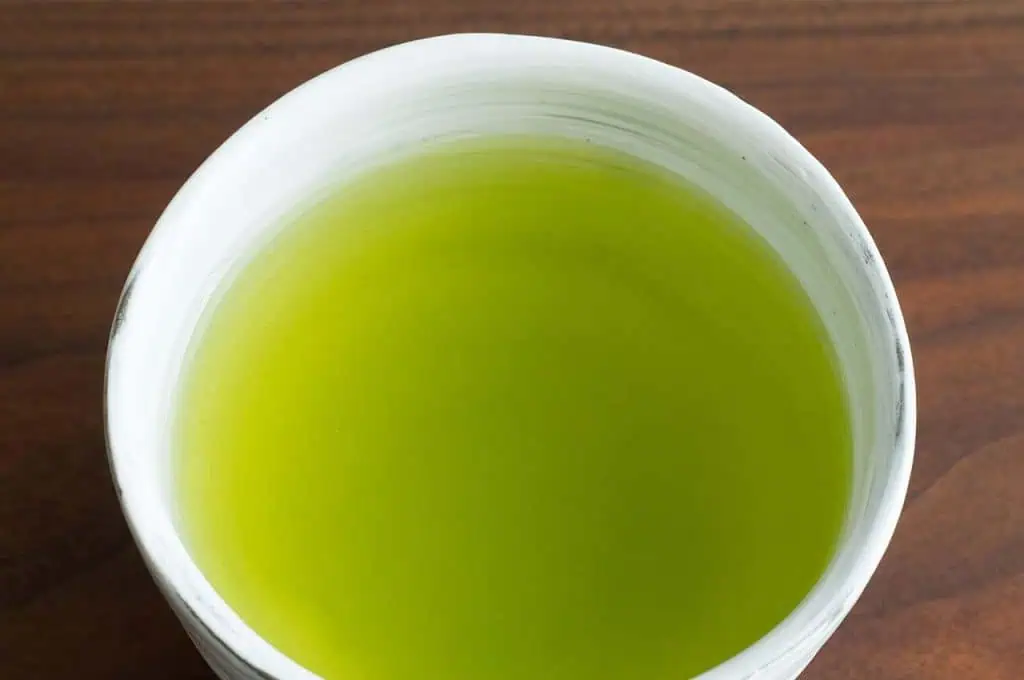
Sencha dominates Japan’s green tea culture, prized for its fresh, grassy essence and slight astringency. Made from the first and second flush of leaves, its quality is discernible by a vivid green hue and needle-like shape. To brew sencha, use water cooled to around 160°F (70°C) and steep for 1-2 minutes to prevent excess bitterness. This yields a bright, refreshing cup with vegetal notes and umami undertones. For an optimal experience, purchase sencha from a reputable source to ensure a pure, fresh flavor profile.
Darjeeling: The Champagne of Teas

Darjeeling tea, cherished for its delicate flavor and vibrant aroma, hails from the misty slopes of India. Often referred to as the “Champagne of Teas,” Darjeeling provides a unique muscatel note, making it a sophisticated choice for tea enthusiasts. To brew the perfect cup, steep one teaspoon of loose leaves in freshly boiled water cooled to about 85°C (185°F) for three to five minutes. This careful approach preserves its nuanced flavors and light floral notes. Serve without milk to fully appreciate its natural complexity.
Lapsang Souchong: Smoky Adventure

Lapsang Souchong offers a bold and smoky profile, achieved through traditional smoke-drying over pinewood fires. Originating from the Wuyi region of China, this tea is an excellent choice for those who enjoy robust flavors. To prepare, steep a teaspoon of leaves in boiling water for about four minutes. The intense aroma and taste pair beautifully with savory dishes, or serve it as a warming beverage on cool evenings. Its smoky character brings a distinctive depth to your tea repertoire.
Turkish Apple Tea: A Sweet Invitation

Turkish Apple Tea is a delightful infusion that combines the sweetness of apples with a refreshing tang. Ideal for those who appreciate fruity flavors, this tea can be enjoyed either hot or cold. For preparation, use apple-flavored granules or brew dried apple pieces and cinnamon sticks in boiling water for five minutes. Strain and sweeten with sugar or honey to taste. This inviting and aromatic drink is perfect for leisurely afternoon sessions or as a gentle introduction to tea for newcomers.
Mint Tea: A Moroccan Tradition
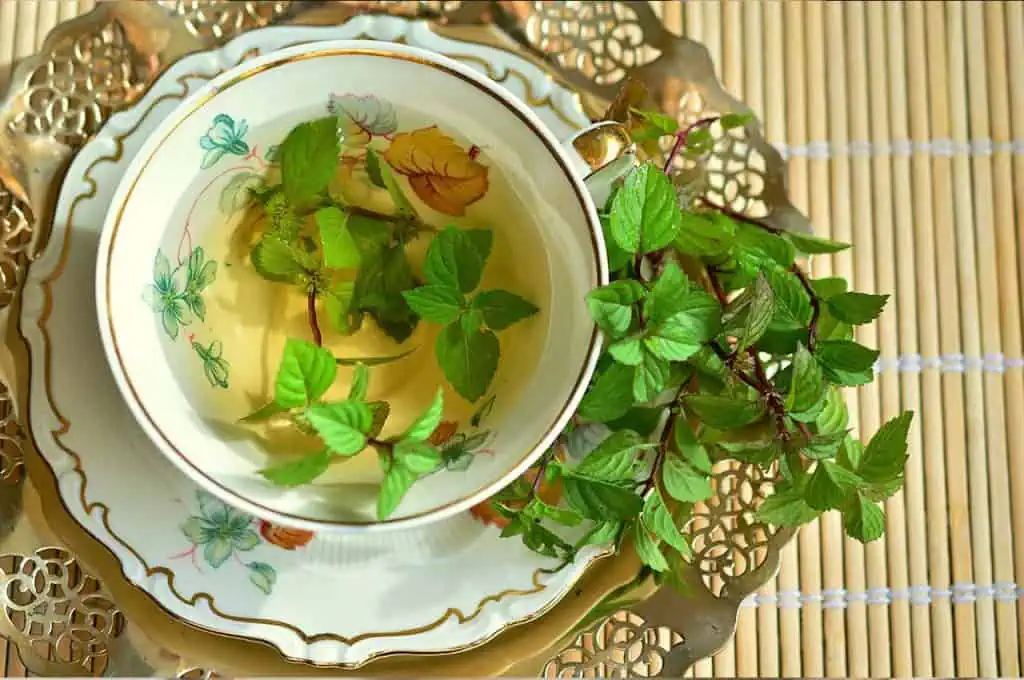
Mint tea, a pillar of Moroccan hospitality, combines green tea with fresh mint leaves for a soothing, aromatic brew. To prepare, steep green tea leaves in boiling water, then add plenty of fresh mint and sugar to taste. Let it rest for five minutes. For an authentic experience, pour from a height into small glasses to create a frothy top. The refreshing combination of mint and green tea provides a cooling effect that is simultaneously invigorating and calming, making it suitable for any time of day.
Hibiscus Tea: A Floral Delight

Hibiscus tea captivates with its vibrant red hue and tart, cranberry-like flavor. Popular in many cultures, this caffeine-free infusion is made by steeping dried hibiscus petals in hot water for about five to ten minutes. Enjoy it hot or chilled, often sweetened with sugar or honey. Rich in antioxidants, it offers both a visual and sensory treat. The bold, tangy taste of hibiscus makes it a rejuvenating option that cuts through rich foods, or sip it simply for its refreshing, floral appeal.
White Tea: Subtlety and Simplicity

White tea, known for its delicate flavor and minimal processing, offers a nuanced drinking experience. Originating in China, it involves young leaves and buds that are simply withered and dried. This light oxidation preserves its natural sweetness and floral notes. To brew, use filtered water heated to 160–185°F. Steep the leaves for 3 to 5 minutes, allowing them to unfurl gently. The pale infusion rewards with a refreshing, subtle aroma. Pair with light desserts or mild cheeses to appreciate its understated elegance, elevating your tasting ritual.
