
Trump’s New Tariffs Impacting Your Grocery List
The latest tariffs are significantly impacting grocery lists, particularly for those who enjoy international flavors. As policies shift, items such as imported cheeses, European wines, seafood, and olive oils are seeing noticeable price hikes. These changes are influencing purchasing decisions, prompting many to seek alternatives or adjust their culinary habits. Understanding how these tariffs affect specific items can help home cooks make informed choices and maintain the quality of their culinary experiences.
Imported Cheese Prices Soar
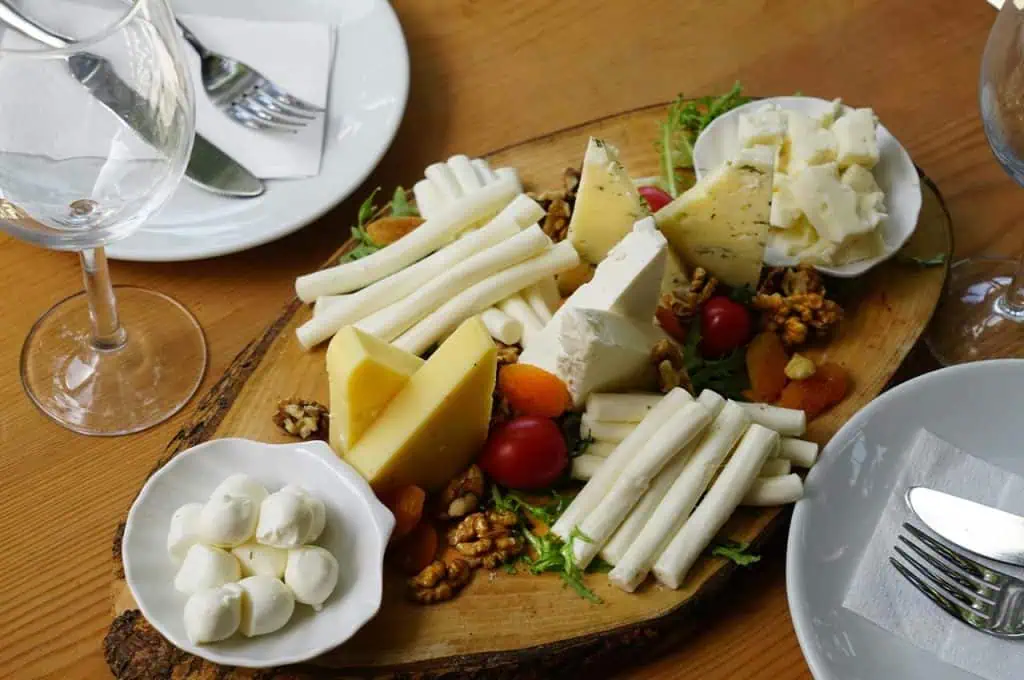
Imported cheeses, notably those from Europe, are experiencing sharp price increases due to new tariffs. Cheddar, Brie, and Pecorino, long cherished for their distinct flavors, are now less affordable. To manage costs, consider exploring domestic varieties, which often offer excellent quality and similar flavors. Techniques like aging domestic cheeses or blending them into dishes can enhance depth without compromising on taste. Understanding the nuances of local cheeses lets you maintain the essence of your recipes despite rising prices.
European Wine Costs Skyrocket

With the tariffs, European wines are becoming a luxury, as prices surge on favorites like French Bordeaux and Italian Chianti. This opens an opportunity to explore New World wines from regions like California, Argentina, or Australia, which offer robust flavors and complexity. Pair these alternatives thoughtfully with meals to elevate dining experiences. When choosing a wine, consider varietals with similar profiles to your usual selections to preserve your dish's balance and flavor harmony.
Seafood Budgets Face Challenges

Seafood, particularly from Europe, is another category seeing cost increases. Specialty items like Dover sole and Norwegian salmon are now pricier. Look to sustainable local seafood options as an alternative, which can offer freshness and quality at a better price. Techniques such as brining or citrus curing can enhance flavor and texture, making these local catches stand out. Emphasizing regional seafood not only supports local fisheries but also maintains variety and excitement in your cooking repertoire.
Olive Oil Imports Under Pressure

The cost of imported olive oils, especially those from Italy and Spain, is increasing, complicating choices for home cooks who rely on these oils’ rich flavors. Consider trying quality domestic oils, which often deliver similar taste profiles. Experimenting with different pressing techniques and regional varieties can reveal oils with unique notes, enhancing dishes creatively. Selecting oils based on their flavor characteristics—like fruity or peppery—can help maintain the intended essence of your cooking.
Coffee Prices Brewing Higher

With new tariffs affecting coffee imports, expect a noticeable uptick in prices on your regular blends. Home baristas might consider exploring local roasters who support fair trade to mitigate costs. Emphasize quality over quantity by brewing smaller but richer servings, perhaps using a French press or an AeroPress for intense flavor extraction. This method enhances the coffee's natural oils and aromas, providing a satisfying experience without needing large amounts of beans.
Fruit and Veggie Gaps Appear

Tariffs on imported produce can lead to gaps on grocery shelves, urging a pivot to seasonal and locally sourced fruits and vegetables. This shift encourages trying less popular, regional varieties like kohlrabi or persimmons. When available, keep herbs fresh longer by storing them with stems in water and covering with a plastic bag in the fridge. Embrace the challenge by learning preservation techniques such as pickling or fermenting to extend the life of surplus produce.
Canned Goods May Get Pricier
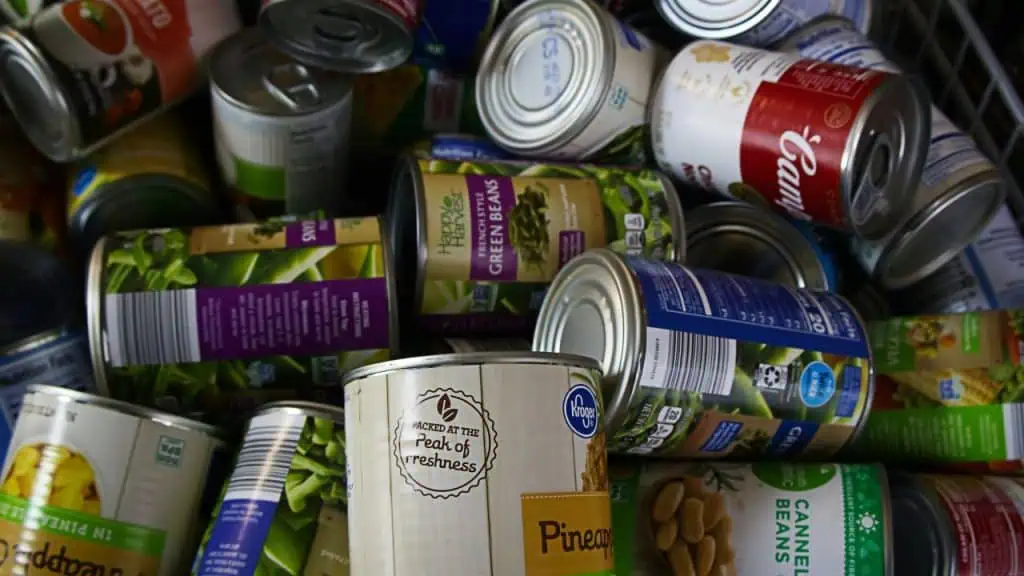
Canned food enthusiasts might notice price adjustments due to metal tariffs affecting packaging costs. To offset this, consider bulk-buying dried beans and legumes. Cooking them from scratch can be economical and yields richer flavors. Pressure cookers or slow cookers can streamline the process, ensuring nutrient preservation while conserving energy. Enhance flavors with homemade stock and fresh herbs, adjusting seasonings as you experiment with different bean varieties.
Pasta and Grains Price Surge

Increased tariffs mean stocking up on staples like pasta and grains could soon strain your budget. Bulk bins offer an economical alternative for purchasing popular grains such as quinoa, farro, and rice. Experiment with homemade pasta for a fresher, more satisfying result; freshly rolled dough absorbs sauces beautifully. For grains, toasting them in a dry pan before boiling deepens flavor, making each dish more nuanced and fragrant.
Frozen Foods Hit by Tariffs

Expect elevated prices on frozen foods as tariffs affect transportation and packaging costs. This presents an opportunity to freeze your own seasonal produce, capturing peak ripeness. Blanch vegetables briefly before freezing to maintain color and texture. For fruits, spread slices on a baking sheet to freeze individually before transferring to bags, preventing clumping and preserving quality. These methods ensure your home has a supply of quality frozen options without excessive cost.
Shoppers Seek Local Alternatives

The recent tariffs have prompted many shoppers to explore local produce as a feasible alternative. With imported goods often bearing higher costs, farmers’ markets and local grocers become attractive options. Focusing on regional staples not only supports community growers but can also enhance freshness and flavor in your cooking. For example, choosing seasonal vegetables like kale or heirloom tomatoes allows you to experiment with vibrant salads and sides. Embrace the challenge to discover local cheeses and meats that can transform your usual recipes, infusing them with a distinctive, regional character.
