
Is Flan Gluten-Free? Here’s What to Know
Flan is one of those desserts that feels fancy but is actually simple. Creamy, silky, and topped with a layer of caramelized sugar, it's a classic for a reason. And here's the good news: traditional flan is naturally gluten-free. The core ingredients—eggs, milk, sugar, and vanilla—don't contain a trace of wheat. But before you dig in, there are a few things to watch out for. Flavored flans, store-bought versions, or caramel sauces with thickeners can sometimes sneak in gluten. So if you're celiac, gluten-sensitive, or just cooking for someone who is, it's worth knowing where the risks are and how to avoid them.
So if you're craving flan but want to keep it gluten-safe, you're in the right place. In this article, we're breaking down everything you need to know about flan and gluten—from what's in traditional flan, to where gluten might hide, to tips for making your own foolproof gluten-free version at home. You'll learn how to decode labels on store-bought flan, avoid cross-contamination, and choose safe toppings and sauces. No complicated science. Just clear, practical advice to help you enjoy this classic dessert without worry. Let's get cooking—gluten-free and delicious.
What Exactly Is Flan Made Of?

Flan is primarily composed of eggs, milk, and sugar, creating a smooth custard that is often topped with a layer of caramel. Sometimes known as “crème caramel,” its simplicity is part of its charm. It's crucial to recognize these fundamental ingredients to assess gluten content accurately.
Traditional Flan Ingredients and Gluten Risks
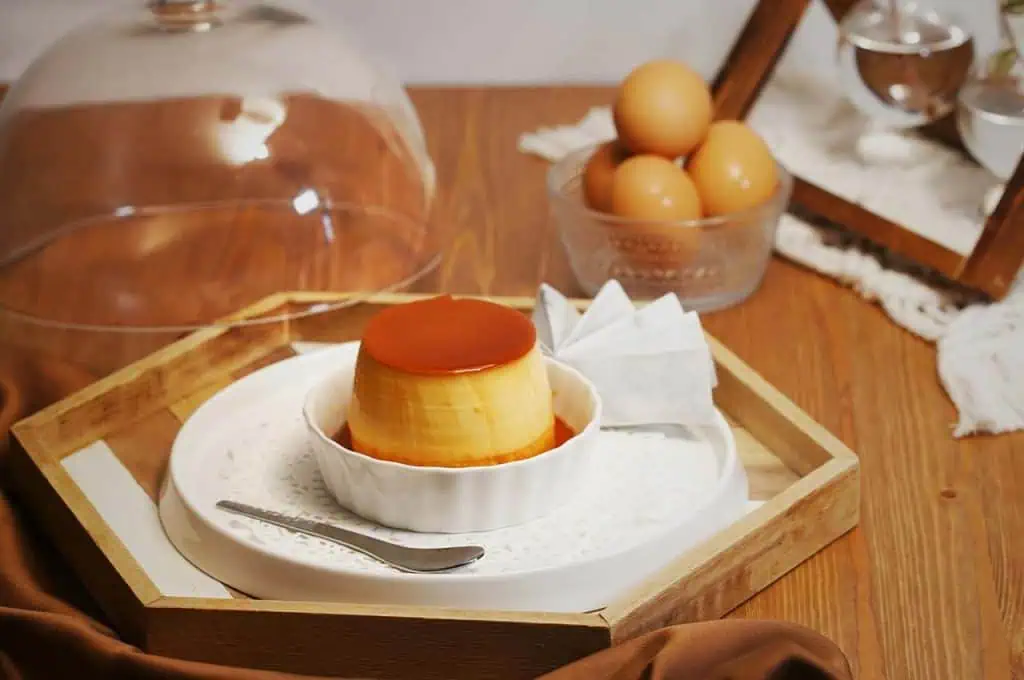
Traditional flan recipes typically don't contain gluten, relying on the unadulterated elements of eggs, milk, and sugar. However, variations or commercially produced flans might introduce gluten through thickeners or flavorings. Always examine recipes and labels for hidden gluten sources to maintain a gluten-free dish.
Milk, Eggs, and Sugar: Naturally Gluten-Free
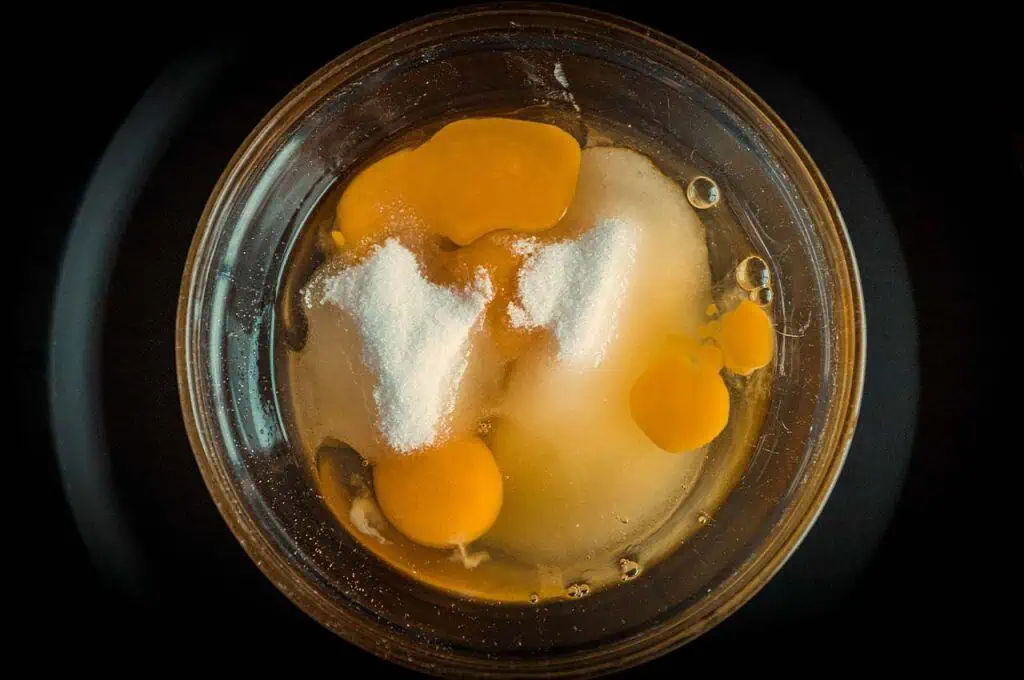
The core ingredients—milk, eggs, and sugar—are naturally free of gluten. These staples provide the silky texture and sweet flavor that define flan. When prepared traditionally, this dessert stays within gluten-safe boundaries, devoid of any wheat-based additives.
Where Gluten Might Sneak In
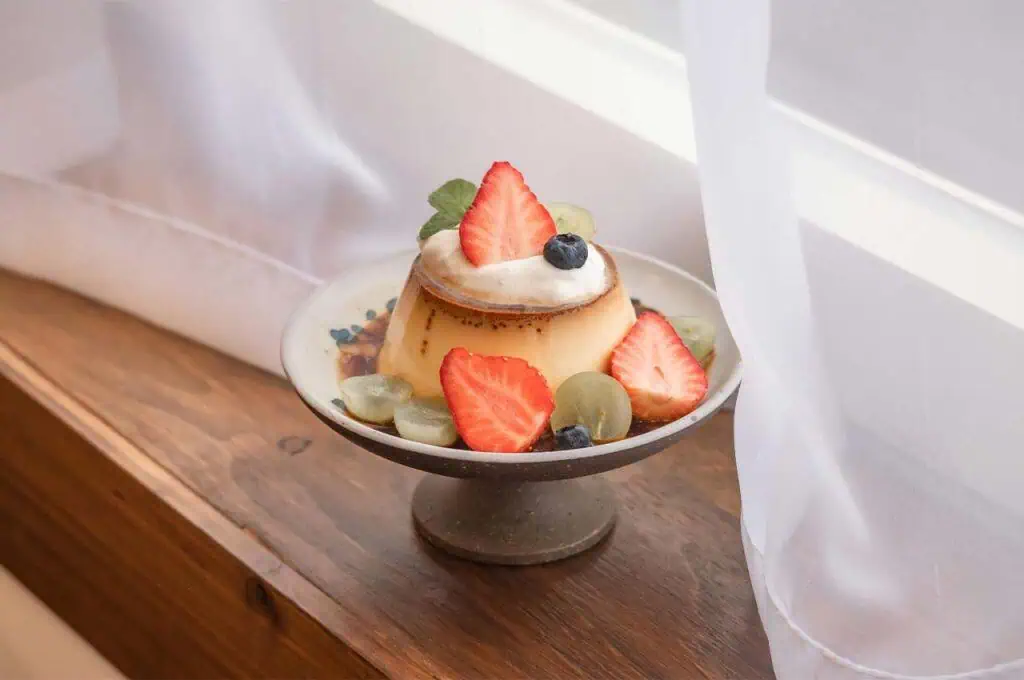
Gluten can inadvertently be introduced through flavorings, toppings, or as a stabilizer in pre-packaged varieties. Vanilla extracts or caramel sauces containing gluten-based fillers are common culprits. Ensuring all added components are certified gluten-free is crucial for maintaining the integrity of the dish.
Flavored Flans—Are They Safe?
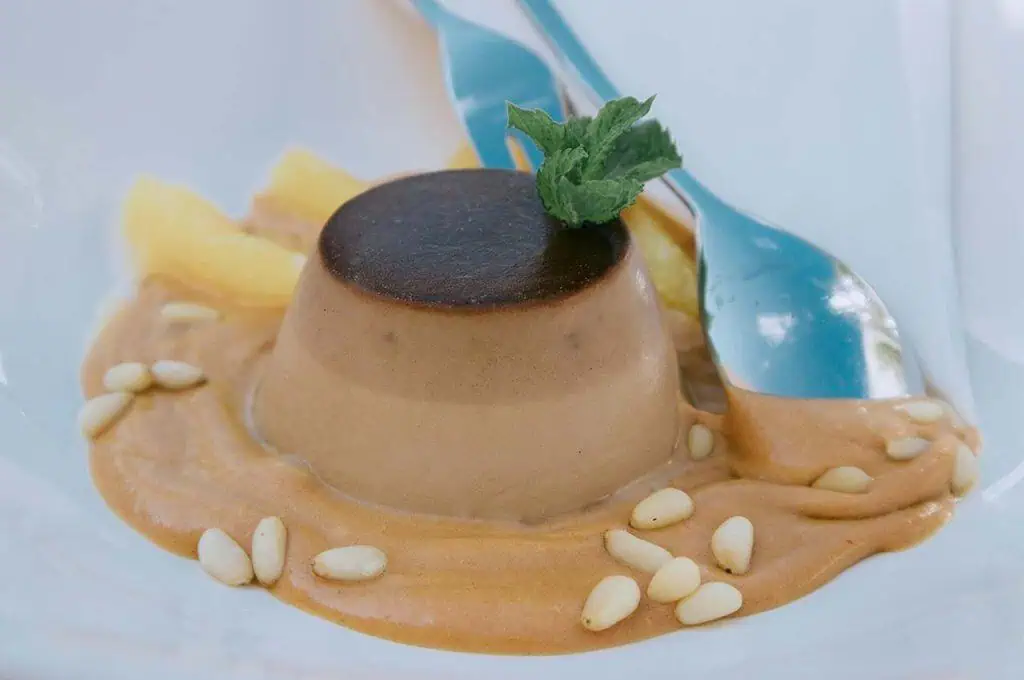
Flavored flans may seem enticing but can pose gluten risks depending on added ingredients. Traditional flan, made from eggs, milk, sugar, and vanilla, is naturally gluten-free. However, variations with flavors like chocolate, coffee, or fruit may involve gluten-containing additives or thickeners. Always check for starches, flavorings, or emulsifiers that could introduce gluten. Opt for recipes that clearly state their gluten-free status or prepare your own using trusted ingredients to ensure safety.
Cross-Contamination Concerns

Cross-contamination is a significant consideration when serving flan to those avoiding gluten. Even if a flan is made with gluten-free ingredients, it can be compromised by shared utensils, surfaces, or cookware. Ensure all equipment is thoroughly cleaned before use and avoid using the same tools for gluten-containing dishes. If hosting or preparing for others, be mindful of kitchen practices that might inadvertently introduce gluten, such as using the same baking dish without proper washing.
Crafting Homemade Gluten-Free Flan
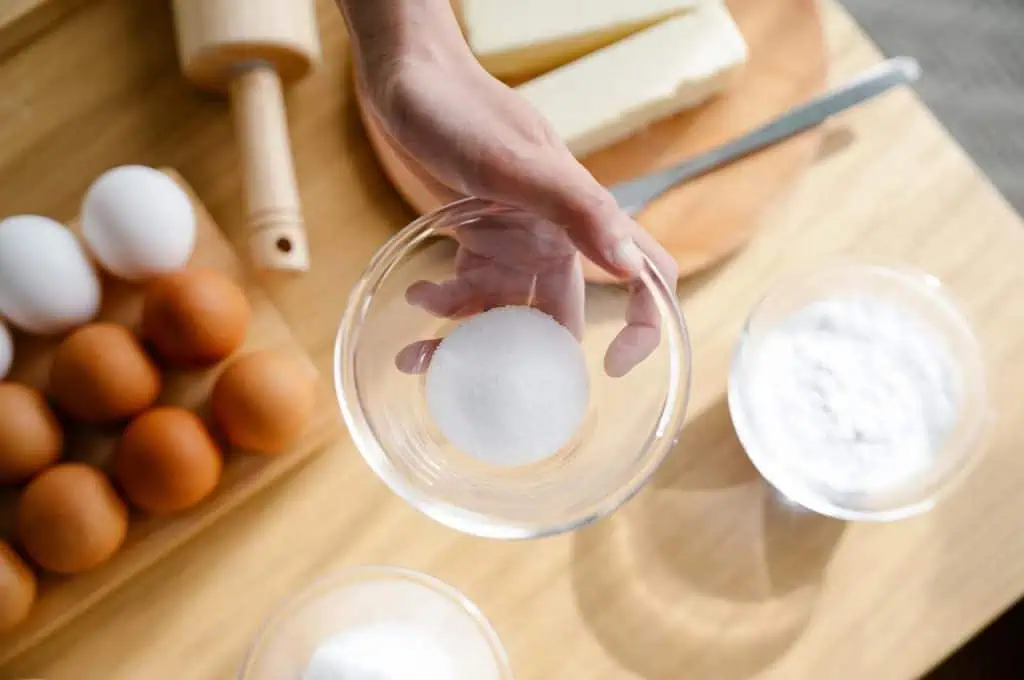
Creating a gluten-free flan at home allows for precise control over ingredients and processes. Start with fresh eggs, whole milk, and pure vanilla extract to form the base. For sweeteners, use granulated sugar without additives or coatings. To maintain a smooth texture, patiently simmer the mixture and cool it slowly to avoid curdling. Pour the flan into a clean, gluten-free caramel-lined baking dish. Pay attention to the water bath, ensuring consistent cooking without scorching. By managing each component carefully, a flawless, gluten-free flan can be achieved.
Decoding Labels on Store-Bought Flan
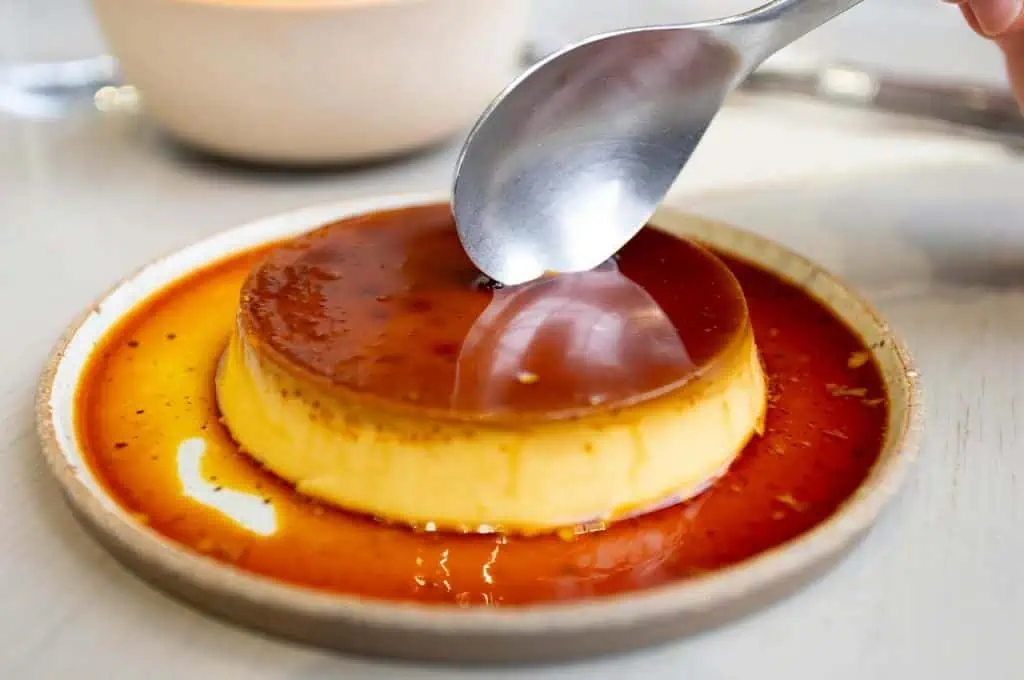
When selecting store-bought flan, inspect labels closely for hidden gluten sources. Ingredients like ‘modified food starch,' ‘natural flavors,' or ‘thickeners' warrant further scrutiny—they might derive from gluten-containing grains. Look for certified gluten-free labels as a reliable indicator of compliance with standards. Being vigilant about ingredient lists and seeking out brands respected for transparency in their production processes will guide you toward safe and delicious flan options.
Safe Flan Toppings and Sauces
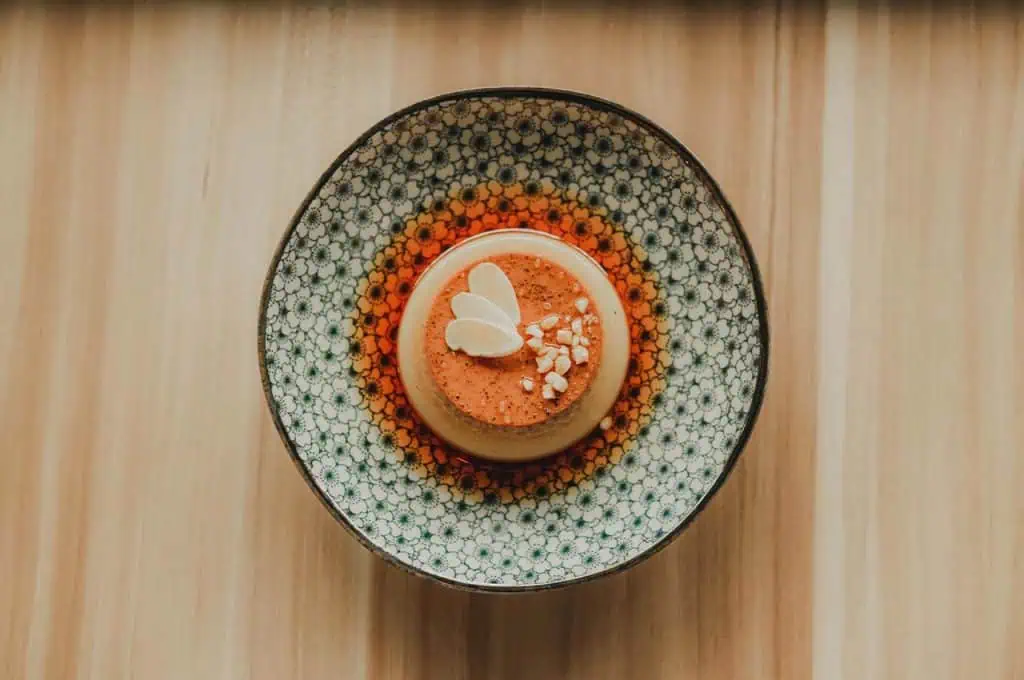
Toppings and sauces can enhance flan but may present gluten risks. Safe options are homemade fruit coulis or caramel made from sugar, cream, and butter—just ensure no cross-contamination during preparation. Be cautious with pre-made toppings; even fruit syrups might contain gluten-based stabilizers. Chocolate sauces should be checked for additives potentially containing gluten. Focus on simple, raw ingredients where possible, and read labels thoroughly to confidently complement your flan while avoiding gluten.
The Final Word: When Flan Is Gluten-Free
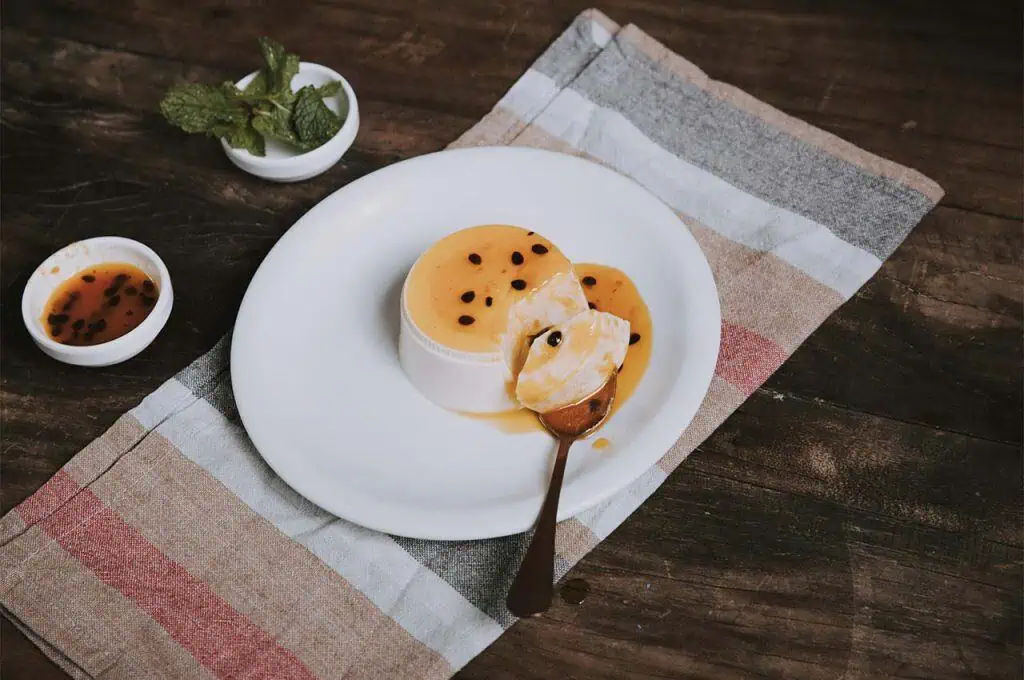
Flan, a creamy, custard-like dessert, is typically gluten-free, primarily made from eggs, milk, sugar, and vanilla. These core ingredients are naturally devoid of gluten. However, variations may incorporate thickeners or flavorings that contain gluten, so it’s crucial to scrutinize ingredients if you're sensitive or intolerant. Homemade flan allows for complete control, ensuring a safe dish by using trusted brands for add-ins like vanilla extract. Always verify any added flavorings or toppings to maintain a truly gluten-free flan experience.
