
Lemongrass Rising: The Citrus Herb Chefs Can’t Get Enough Of
Most of us have walked right past lemongrass at the grocery store without a second glance. It looks kind of weird, like a pale green stick with a bulb at the end. But here's the secret: that humble stalk is actually a flavor powerhouse. Think bright, zesty lemon, but softer. Earthier. A little bit floral. It's the ingredient that can turn a boring soup into something you'll crave, or a simple marinade into a conversation starter.
Chefs around the world have fallen in love with lemongrass, and honestly? It's about time the rest of us did too. Whether you're making Thai curry, grilling chicken, or even whipping up a citrusy panna cotta, lemongrass brings a fresh, clean brightness that nothing else can quite match.
So how do you actually use it? In this article, we're breaking down everything you need to know about this comeback herb. You'll learn the difference between fresh and dried lemongrass (spoiler: fresh is way more vibrant), how to prep and chop it without breaking your knife, and why it works in everything from savory broths to sweet desserts. We'll also talk about its health perks—hello, antioxidants and digestion support—and how lemongrass bridges Eastern and Western flavors like a pro. Whether you're a curious beginner or a seasoned home cook, this bright, zesty ingredient is about to become your new best friend in the kitchen. Let's get cooking.
A Zesty Comeback

Lemongrass is seeing a resurgence due to its refreshing, citrus-forward profile that elevates both simple and complex dishes. Its ability to cut through rich, creamy sauces or to impart a delicate lift to soups makes it indispensable. Whether finely chopped or used whole as an aromatic in cooking, lemongrass provides a distinctive brightness that appeals to modern palates seeking a balance between boldness and subtlety.
Versatile Uses: Broth to Dessert

From invigorating broths to sophisticated desserts, lemongrass exhibits remarkable versatility. When simmered in a broth, it infuses the liquid with a clean, lemony fragrance, acting as a perfect base for both seafood and poultry. Its zest can enhance desserts like panna cotta or sorbet by imparting just the right amount of citrusy flair without overpowering. The key is to balance its use, allowing it to harmonize rather than dominate.
East Meets West Fusion
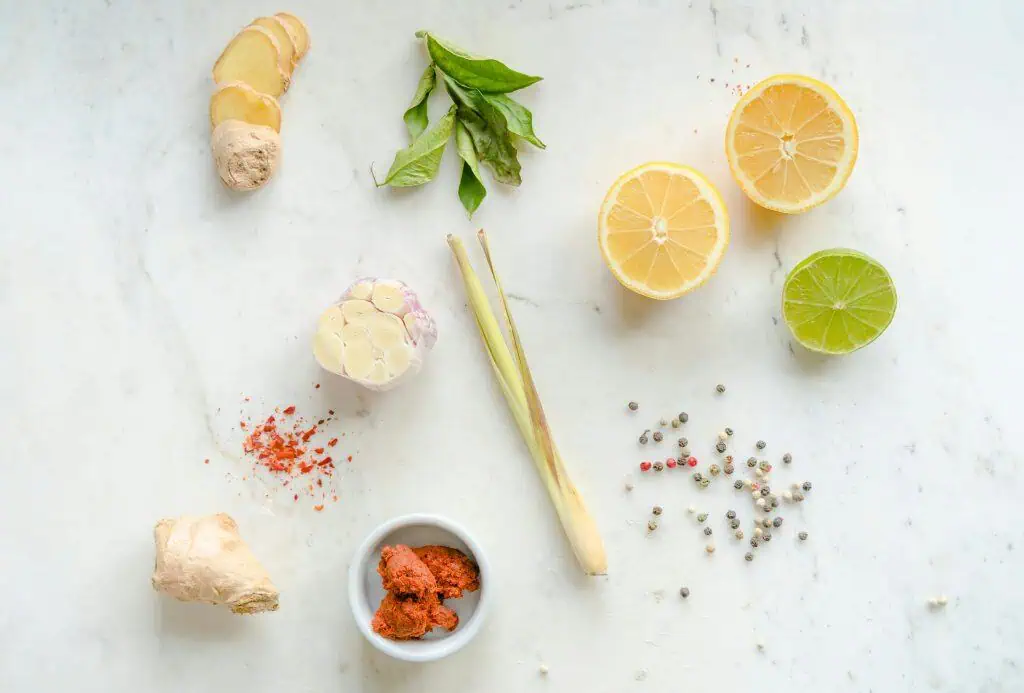
In culinary fusion, lemongrass plays an essential role, bridging Eastern and Western flavors seamlessly. Its compatibility with Western herbs like thyme and rosemary creates intricate seasoning rubs for poultry or roasted vegetables. Additionally, infusing oils with lemongrass lends an exotic touch to salad dressings and marinades, while its pairing with coconut milk in soups and sauces emphasizes its adaptability in cross-cultural cuisines.
Flavor with Benefits
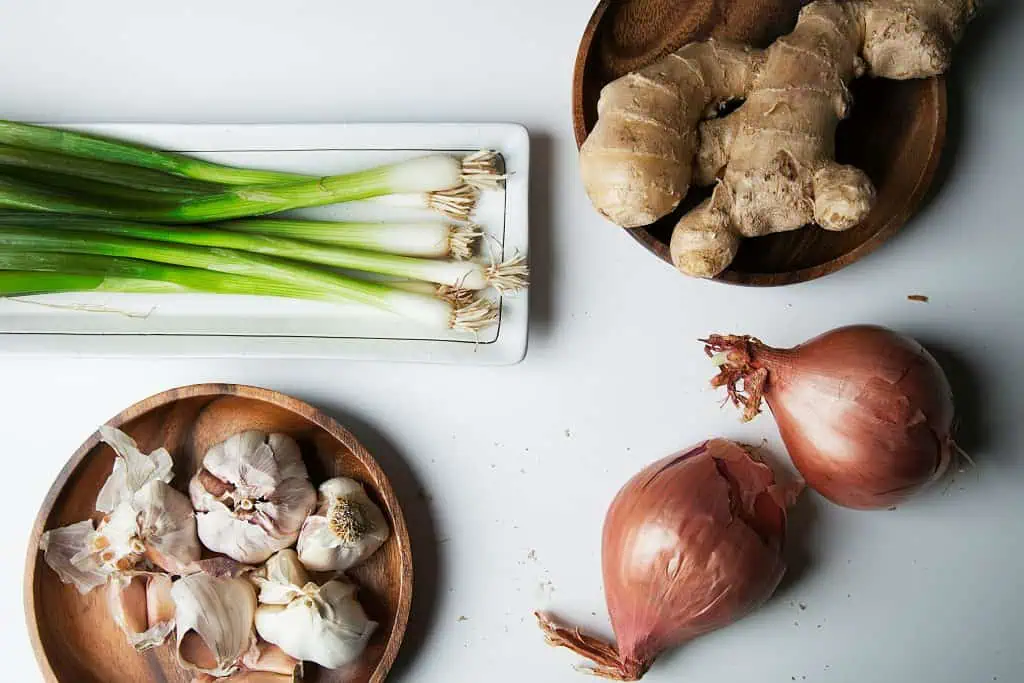
Beyond its flavor, lemongrass offers notable health benefits, making it appealing to health-conscious cooks. Rich in antioxidants, it aids digestion and can boost the immune system. Its inclusion in teas and light, aromatic broths not only soothes but also invigorates. When used in cooking, it not only enhances the taste but also provides nutritional value, making it a valuable component in both daily meals and special occasion dishes.
Fresh vs. Dried Lemongrass
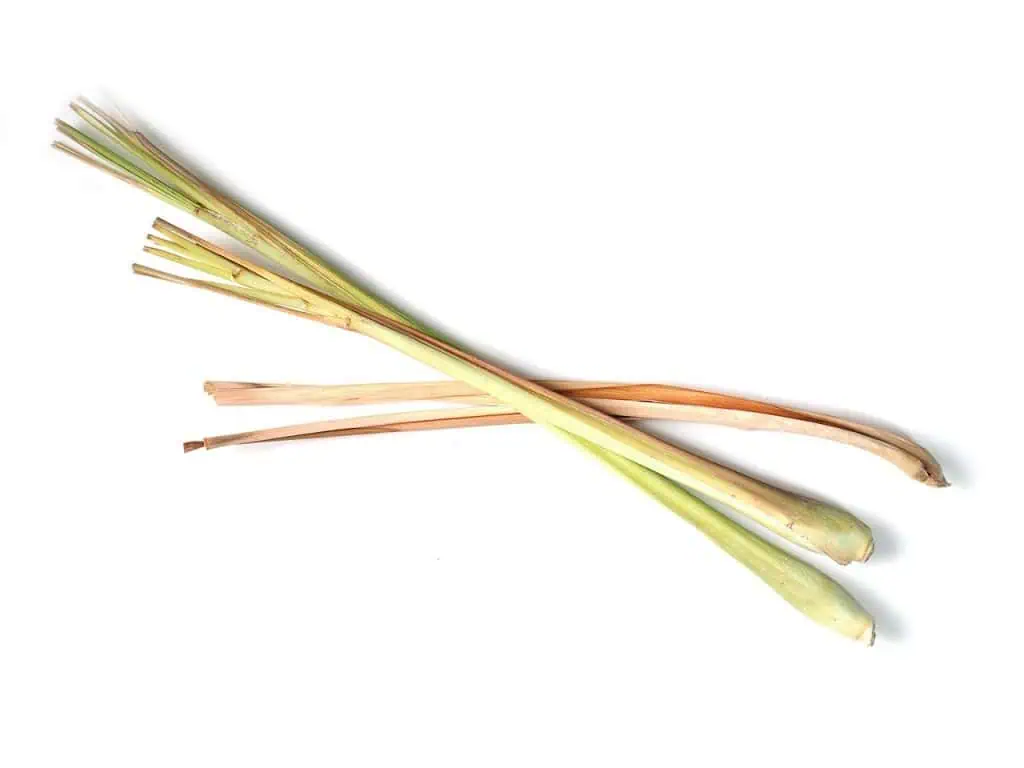
Using fresh lemongrass infuses dishes with a bright and vibrant citrus note that dried simply can’t match. The crisp stalks must be trimmed and the tough outer layers peeled to reveal the tender core rich in essential oils, perfect for infusions or marinades. Dried lemongrass, however, offers convenience with its shelf-stable nature and intense aroma when rehydrated. The dried form, when ground, can blend seamlessly into spice mixes or curries, giving depth without the fresh stalk’s fibrous texture. Understanding these forms allows cooks to choose based on desired impact, balancing freshness and convenience.
Behind the Trend
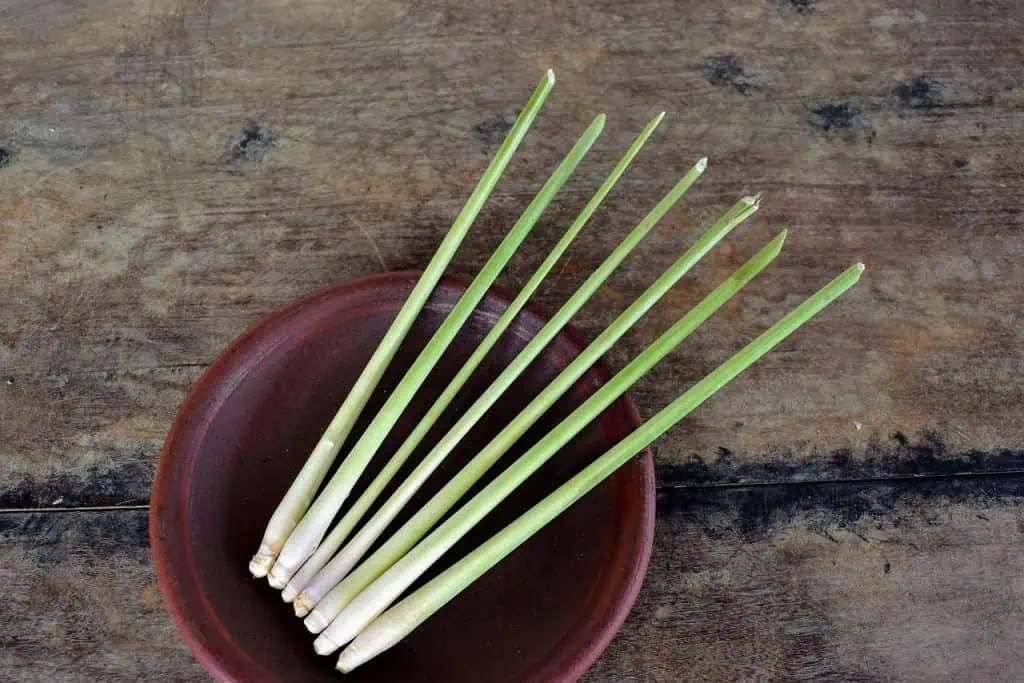
Lemongrass has gained acclaim for its versatility and vibrant profile, essential in Southeast Asian cuisines but now celebrated globally. Its ability to enhance broths, teas, and even desserts with subtle citrus and herbaceous undertones makes it a chef’s favorite. The trend is fueled by a growing appreciation for simplicity and clean flavors, coinciding with a rise in fusion dishes that require aromatic depth. As chefs explore new culinary territories, lemongrass stands out for its ability to harmonize and elevate, making it indispensable in dishes seeking refreshing and complex flavor dimensions.
