
How Food Delivery Apps Are Reshaping the Way We Eat
Remember when ordering food meant picking up the phone and hoping the restaurant still had your menu from five years ago? Yeah, those days are long gone. Now, with a few taps on your phone, you can have almost anything you're craving—Thai curry, sushi, burritos, or even a single scoop of ice cream—delivered straight to your door. Food delivery apps have completely changed the way we eat. They've turned convenience into an art form, connected us to restaurants we'd never find otherwise, and made “What's for dinner?” a question you can answer in under a minute. But like any big shift, there's a lot more going on beneath the surface.
In this article, we're digging into how food delivery apps are reshaping our world—from the way families eat together to the rise of ghost kitchens (restaurants with no dining rooms, just delivery). We'll talk about the good stuff, like endless choices and personalized recommendations, but also the tricky parts, like packaging waste, pressure on local restaurants, and making sure your pad thai still tastes great after 20 minutes in a delivery bag. Whether you're a delivery devotee or someone who still likes to cook most nights, this guide will help you understand the app-powered revolution happening on your phone—and your dinner table. Hungry? Let's dive in.
The Surge of Food Delivery Apps

In recent years, the rise of food delivery apps reflects a dynamic change in consumer behavior. These apps cater to the demand for quick, accessible dining options, propelling growth in a fast-paced world. With intuitive interfaces and expansive reach, they connect users to a multitude of restaurants. This surge is fueled by technological advancements and changing lifestyles, making it easier than ever to satisfy dietary desires without leaving home.
Revolutionizing Meal Choices
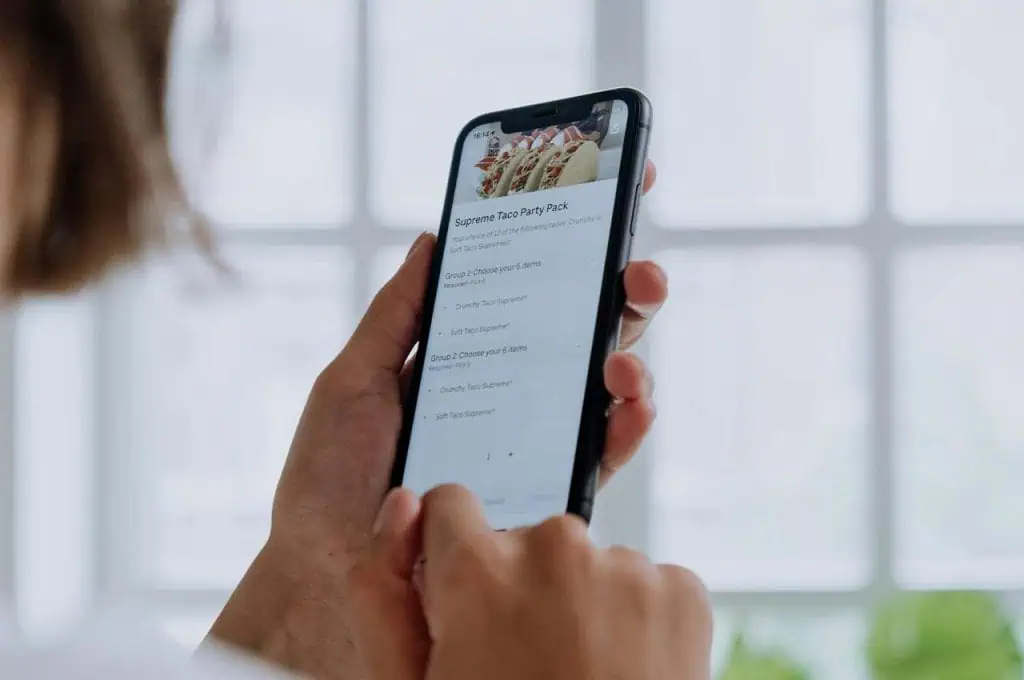
Food delivery apps expand culinary horizons by offering an immense variety of meal choices at the touch of a button. This enhanced accessibility encourages exploration of cuisines that might otherwise be overlooked. Whether craving traditional dishes or experimental fare, users can dive into diverse flavors effortlessly. This shift impacts personal dining habits, allowing more frequent and flexible meal selection without geographic limitations.
Nutrition and Health Implications

While convenience is paramount, food delivery apps also bring considerations around nutrition and health. The vast array of available options includes healthy meals alongside indulgent ones, requiring mindful selection. Balancing convenience with nutritional goals becomes critical, urging users to make informed decisions. Some apps now feature tools to highlight healthier options, suggesting the industry is adapting to consumer health priorities.
Restaurants at Our Fingertips

The integration of technology into culinary services puts restaurants directly in consumers' hands. This digital accessibility broadens the dining landscape, giving smaller and less-known eateries visibility. Such platforms enable establishments to reach broader audiences, creating new business opportunities. For consumers, this means experiencing local and global cuisines in familiar settings, expanding personal gastronomic experiences with ease and efficiency.
New Family Mealtime Dynamics

As food delivery apps become more prevalent, family mealtime is transforming. Families now often opt for diverse cuisine choices without spending hours in the kitchen. This convenience allows more time for interaction, though it may reduce hands-on cooking experiences. While this accessibility enriches culinary exposure, it’s essential to consider balancing convenience with moments of traditional meal preparation, which can foster skills and deepen family bonds.
The Rise of Ghost Kitchens
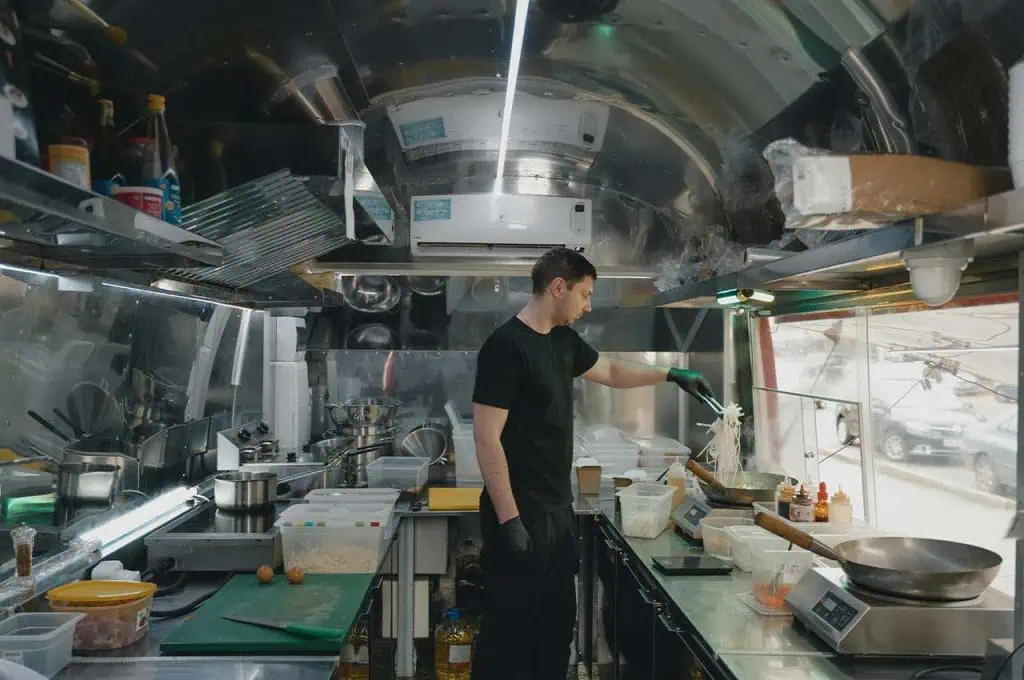
Ghost kitchens are reshaping the culinary landscape, operating solely for delivery. These establishments allow operators to experiment with niche cuisines without traditional restaurant overheads. By utilizing shared spaces, they optimize cost efficiency and menu innovation. This rise supports culinary creativity and customer variety, though it challenges established eateries to adapt. For chefs, it's an opportunity to focus on flavor profiles and delivery packaging that maintain dish integrity.
Eco Concerns and Packaging Waste

The increase in food delivery has spotlighted concerns over packaging waste. Plastic containers and utensils add to environmental burdens, pushing companies to explore sustainable alternatives. Biodegradable or reusable packaging is gaining traction. As consumers, choosing services with eco-friendly practices can help mitigate impact. Encourage participation in recycling programs whenever possible, embracing both convenience and sustainability to lessen the footprint of modern dining habits.
Demand for Speed and Service

Consumers expect fast, efficient service from food delivery apps, challenging providers to optimize logistics. The race for speed often dictates how kitchens prioritize tasks and manage resources. Real-time tracking and streamlined interfaces enhance user experience. Yet, it’s vital to balance haste with quality, ensuring that meals arrive both promptly and in peak condition. Training staff in precise cooking and packaging techniques can maintain standards amidst the pressure for rapid service.
Impact on Local Economies

Food delivery apps significantly influence local economies, providing both opportunities and challenges. They offer small businesses access to a broader customer base without heavy marketing costs. However, commission fees can strain profit margins. It's a delicate balance between expanding reach and maintaining viability. Local economies thrive when apps foster fair practices, supporting diversity and sustainability. Stakeholders must work collaboratively to ensure growth benefits all involved parties.
Personalization Through Data

Food delivery apps utilize data to tailor recommendations, offering more personalized dining experiences. By analyzing user preferences, order history, and dietary restrictions, these apps suggest meals that align with individual tastes, enhancing satisfaction. For home cooks, understanding this concept can improve meal planning. Imagine using similar principles in your kitchen: keep notes on what ingredients are in season and what flavors you enjoy most. This practice helps streamline grocery shopping and ensures you always have favored elements on hand, creating a seamless transition from planning to plating.
