
Sweet to Savory: Why Coconut Deserves a Bigger Spot in Your Kitchen
Raise your hand if you think coconut is just for piña coladas and coconut cream pie. Okay, now put your hand down—because you're about to be surprised. Sure, coconut is famous for showing up in sweet, tropical treats. But this humble fruit (yep, it's technically a fruit) has a secret life in the savory world too. Think creamy coconut milk in a spicy curry, coconut oil sizzling with vegetables, or toasted coconut flakes adding crunch to a salad. It’s time to stop boxing coconut into the dessert corner and start using it like the all-star ingredient it really is.
We're diving deep into everything coconut—from its fascinating global history and cultural meaning to its health-boosting MCTs and electrolytes. You'll learn how to use coconut in every form: milk, cream, oil, water, shredded, and even fresh. We'll show you why coconut milk makes soups and sauces silky smooth, how coconut oil can replace butter in vegan baking, and why coconut water beats sugary sports drinks any day. Whether you're a curry lover, a smoothie fan, or just someone who wants to cook a little smarter, coconut is about to become your new kitchen best friend. Let's crack it open.
The Curious Identity of Coconut

Coconut's diverse forms make it an intriguing addition to various recipes. Its flesh provides a natural sweetness and creamy texture, while coconut milk enriches dishes with a rich, subtle depth. Coconut oil, with its high smoke point and slight nutty flavor, serves as a robust alternative to traditional oils. Each variant brings its own unique properties, enabling cooks to experiment and adapt it creatively in both sweet and savory contexts. Recognizing and utilizing these forms can elevate a simple dish into something memorable.
The Global History of Coconut Use
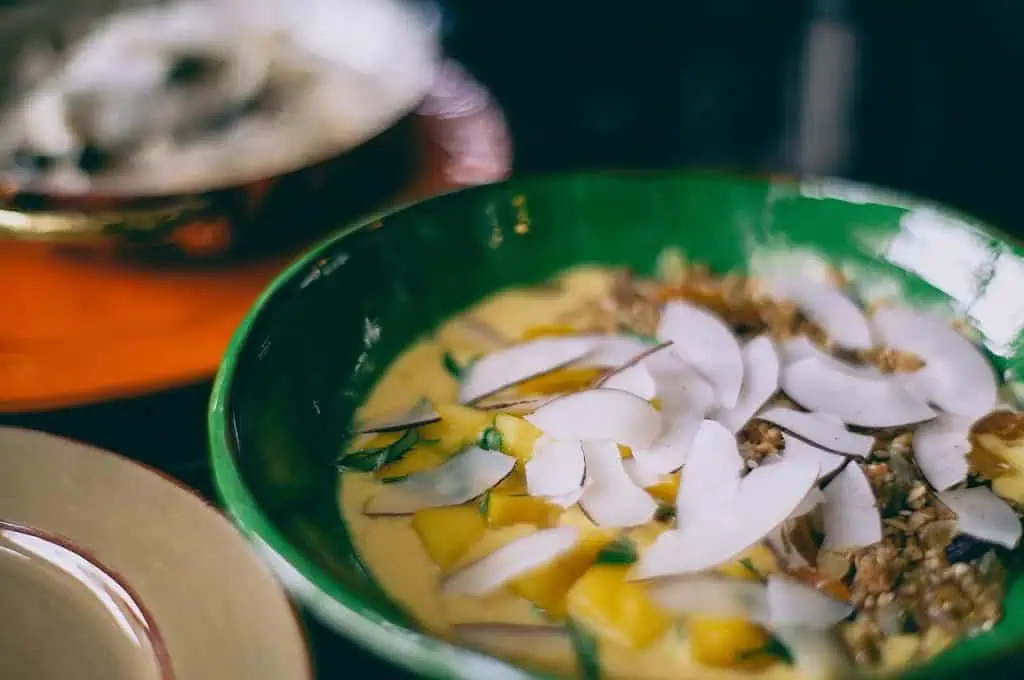
Coconut has been embraced worldwide for centuries, influencing numerous cuisines. In Southeast Asia, coconut milk is paramount in curries and soups, providing richness and balance. Caribbean and African dishes often utilize coconut to add sweetness and depth to stews and desserts. Across Indian cuisine, coconut offers texture and flavor in chutneys and sauces. Historical trade routes spread its use far and wide, showcasing its adaptability and reinforcing its vital role in global cooking traditions.
Coconut in Culture

Beyond the kitchen, coconut holds a revered place in many cultures as a symbol of prosperity and protection. It is used in religious offerings, ceremonies, and celebrations, emphasizing its cultural significance. Globally, it represents hospitality, often featured in communal meals and gatherings. Coconut's cultural resonance adds an enriching layer to its culinary use, reminding us of its broader role in bringing people together, providing nourishment not only through its flavor but also through its symbolic meanings.
Coconut's Health Profile
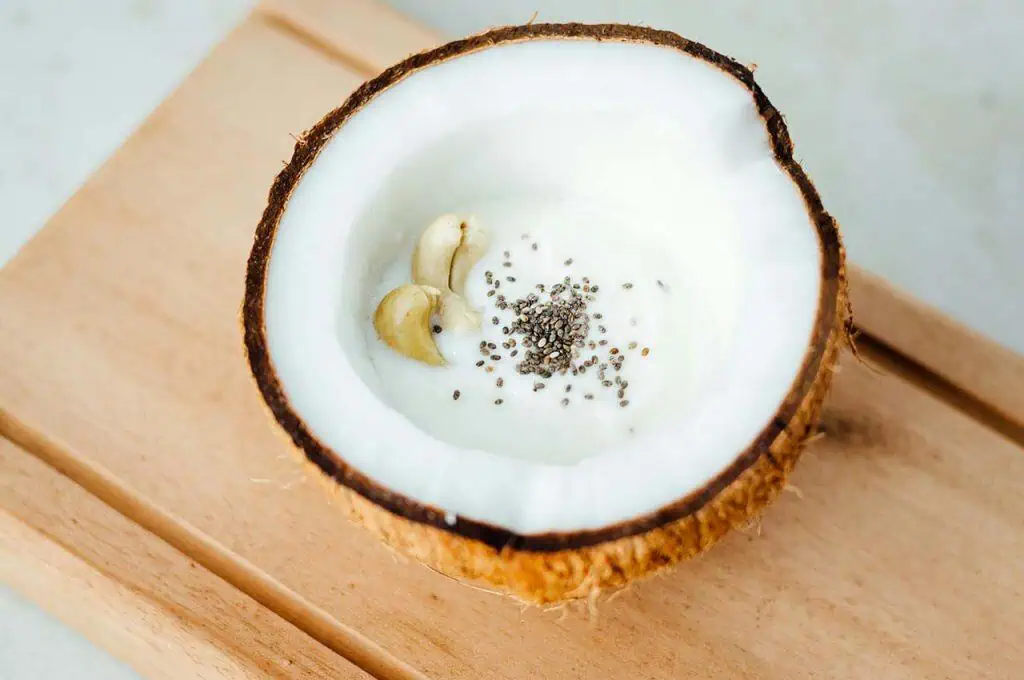
Nutritionally, coconut offers compelling benefits. It is a rich source of medium-chain triglycerides (MCTs), which are associated with increased energy and metabolism. The fiber content in coconut flesh aids digestion and promotes satiety, while its lauric acid supports immune health. The oil, despite its saturated fat content, is used in moderation within balanced diets. Its nutrients, combined with its culinary versatility, make coconut a smart ingredient choice for those looking to enhance both the flavor and nutritional value of their meals.
Boost Energy and Brain Health

Coconut, rich in medium-chain triglycerides (MCTs), provides a quick energy source, metabolized efficiently by the liver. These compounds are linked to improved brain function, making coconut an excellent addition to your diet. Consider adding shredded coconut to morning smoothies or baking with coconut flour for snacks. The natural fats can stabilize blood sugar, providing sustained energy. Utilizing coconut in meals doesn’t just offer nutritional benefits but also enhances the dish's texture and flavor.
The Wonders of Coconut Water

Coconut water is not just refreshing; it's nutrient-rich, containing electrolytes like potassium and magnesium. These elements are crucial for hydration and recovery after physical activity. Swap sugary sports drinks for coconut water to enjoy a natural alternative. It’s perfect in smoothies, imparting a subtle sweetness, or simply as a stand-alone thirst quench. Always choose fresh, pure coconut water to maximize its health benefits and flavor profile.
Coconut Oil: A Kitchen Staple

Coconut oil, with its high smoke point, is ideal for cooking and frying. Its mild, nutty aroma complements both savory and sweet dishes, lending a luscious mouthfeel. Use it to sauté vegetables, where it adds a light, aromatic dimension, or incorporate it into baking to introduce richness. Coconut oil can also replace butter in vegan recipes without compromising texture. Its solid form at room temperature makes it versatile beyond just the culinary, useful for greasing pans or adding shine to garnishes.
Creamy Delights: Milk and Cream

Coconut milk and cream transform dishes into creamy delights, perfect for curries and soups. These ingredients bring richness without dairy and harmonize well with spices. The full-fat variety works wonders in sauces, while lighter versions enrich smoothies. Stir coconut milk into rice, allowing the grains to absorb its subtle sweetness. For desserts, coconut cream thickens beautifully, ideal for whipped toppings or custards, offering a smooth consistency that appeals to both the palate and senses.
Exploring Coconut's Sweet-Savory Spectrum

Coconut's versatility bridges sweet and savory applications seamlessly. Use unsweetened coconut flakes as a crunchy topping for salads or roasted vegetables, adding texture and mild sweetness. In desserts, try it as part of a crust or mixed into a batter for depth. Incorporate coconut aminos into marinades and sauces for a naturally sweet, soy-free alternative. By exploring coconut’s diverse flavor capabilities, you can enrich dishes while tapping into its broad nutritional profile.
Every Form Has Culinary Magic

Coconut's versatility extends beyond traditional uses, allowing it to seamlessly enhance both sweet and savory dishes. Start with coconut milk, renowned for its creamy texture—it enriches curries, soups, and sauces with a subtle sweetness and depth. Desiccated coconut adds texture and flavor to coatings and fillings, offering a slight crunch and tropical nuance. Coconut oil is another gem, lending a mild, exotic aroma while providing a high smoke point for frying. To extract full potential, choose fresh coconut for garnishes, enhancing the dish with its tender yet crunchy bite.
