
Skip the Supplements: Eat Like Centenarians
Exploring the eating habits of those who live to 100 can provide valuable insights into sustaining a vibrant, long life. These centenarians often prioritize whole foods rich in nutrients over processed supplements. The focus is on fresh, simple ingredients that deliver both nourishment and satisfaction. This guide will help you incorporate these enduring dietary principles into your meals with practicality and ease.
Embrace Plants as Dietary Staples
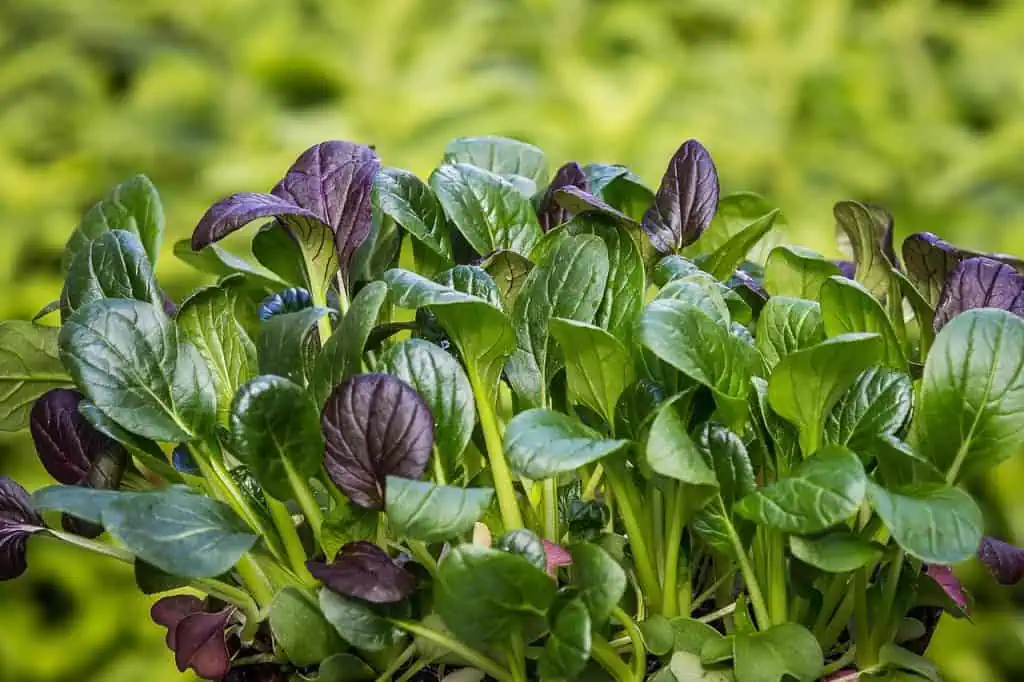
Making plants the cornerstone of your diet provides an array of vitamins, minerals, and antioxidants crucial for longevity. Opt for a variety of colorful vegetables and fruits, as each color represents different beneficial compounds. Leafy greens like kale and spinach offer calcium and vitamin K, while berries supply antioxidants and fiber. Cooking methods matter; lightly steaming or sautéing helps retain nutrients. Aim to fill half your plate with plant-based foods to harness their full benefits.
Choose Complex Carbs for Energy
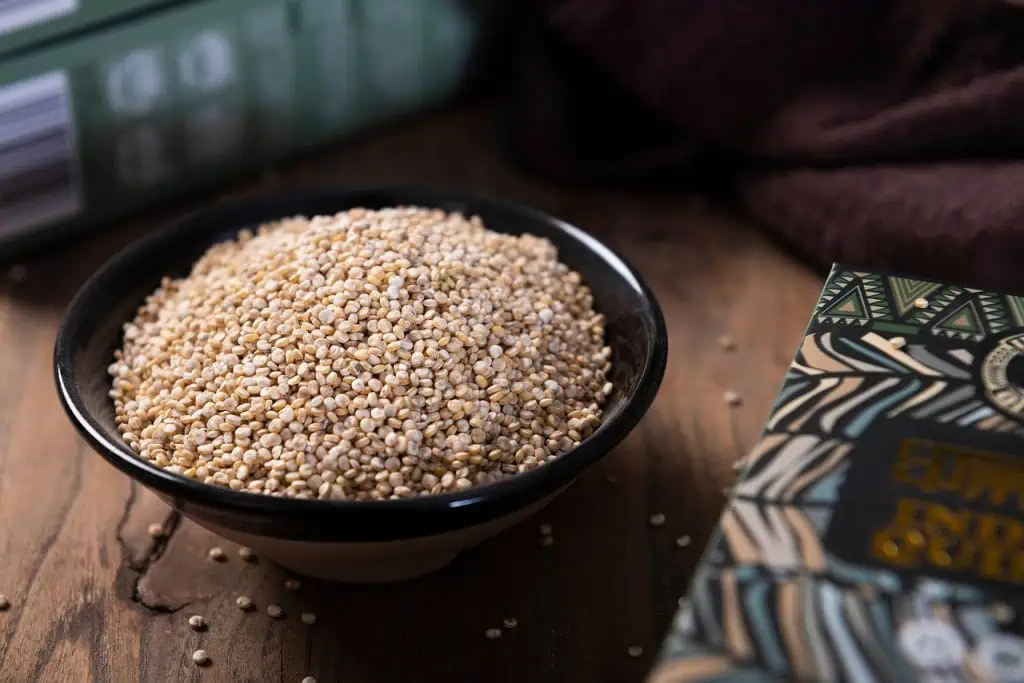
Complex carbohydrates should be your primary energy source, as they offer sustained fuel throughout the day. Incorporate whole grains like quinoa, brown rice, and oats, which provide fiber and important nutrients such as iron and magnesium. Soaking grains before cooking can improve digestibility and nutrient absorption. Pairing them with healthy fats and proteins balances blood sugar levels, optimizing energy and overall well-being.
Harness Herbs and Spices for Health

Herbs and spices are potent in flavor and health benefits. Incorporating a variety of these can enhance dishes while providing anti-inflammatory and antioxidant properties. Turmeric contains curcumin, beneficial for joint health, while rosemary can improve memory and digestion. Integrate them fresh or dried, keeping in mind a small pinch goes a long way. Use them to season dishes naturally, reducing the need for excess salt and sugar.
Limit Meat Consumption

Reducing meat intake can positively impact both health and longevity. Focus on having smaller portions, using meat as a complement rather than the centerpiece of your meals. Lean proteins like fish and poultry are preferable, offering essential amino acids with less saturated fat. Consider experimenting with plant-based proteins like legumes, tofu, and nuts, which are sustainable choices rich in fiber and nutrients. Balance is key—incorporate variety and moderation in your protein choices.
Opt for Nuts Over Protein Bars
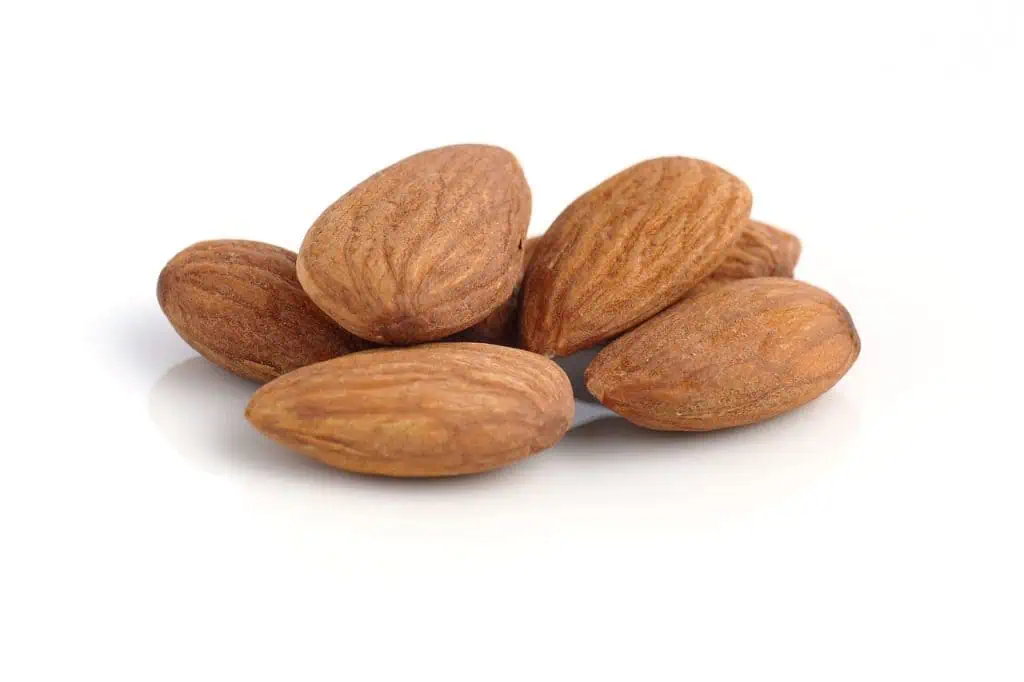
Nuts are an excellent source of healthy fats, protein, and fiber, providing long-lasting energy without the added sugars and fillers found in many protein bars. Opt for raw or lightly roasted varieties to maximize nutrient retention. Almonds, walnuts, and pistachios are ideal choices, offering a satisfying crunch and nutty flavor. Keep portion sizes in mind to harness their benefits without excess calorie intake. A small handful daily can boost your nutrient profile and replace less nutritionally dense snacks.
Incorporate Fermented Foods Daily

Fermented foods like yogurt, kimchi, and sauerkraut are rich in probiotics, supporting a healthy gut microbiome. Integrate these foods into your meals to enhance digestion and nutrient absorption. For breakfast, pair yogurt with fresh fruits and nuts. At lunch or dinner, add a side of kimchi or sauerkraut to your plate. These foods offer tangy notes and vibrant textures that complement various dishes while promoting overall gut health.
Savor Wine with Friends

Wine, especially red, contains antioxidants like resveratrol, which may benefit heart health. Enjoying a glass with friends encourages moderation and adds a social aspect to your meal, enhancing the experience without overindulgence. Choose high-quality wine to fully appreciate its depth and complexity. Pay attention to the wine’s aroma and texture, and enjoy it with flavorful, simple dishes like roasted vegetables or grilled fish for an exquisite pairing.
Practice the 80% Rule

The 80% rule involves stopping eating when you feel 80% full, aiding digestion and preventing overeating. This approach can be practiced by eating slowly and mindfully, allowing your body time to signal satiety. Focus on smaller plate sizes and chew food thoroughly to appreciate every flavor and texture. This mindful eating practice can improve overall meal enjoyment and support weight management, paving the way for a healthier lifestyle.
Prioritize Water Over Other Beverages

Water is the ultimate hydration source, supporting every bodily function without added sugars or calories. Start your day with a glass of water and keep a filled bottle nearby as a reminder. Use water to cleanse the palate between meals or add a slice of lemon or cucumber for subtle flavor. Prioritizing water ensures proper hydration, which can improve skin health, aid digestion, and promote overall well-being more effectively than caffeinated or sugary alternatives.
Eat Seasonal, Simple, and Local Foods

Emphasizing seasonal, simple, and local foods can greatly enhance both flavor and nutrition. Start at your local farmer’s market, where the freshest produce reflects the current season. Seasonal fruits and vegetables not only taste better but often contain higher nutrient levels as they travel less distance from farm to table. Choose whole, unprocessed ingredients to incorporate into your meals—think hearty grains, fresh greens, and ripe fruits. Simplicity is key: let the ingredients speak for themselves by using minimal seasoning to enhance their natural taste. This approach mirrors the diets of people in regions with high life expectancies, promoting longevity and health.
