
BBQ Battle: Korean Boldness vs. Japanese Precision
When it comes to barbecue, few countries do it better—or more differently—than Korea and Japan. Korean BBQ is all about bold marinades, sizzling tabletop grills, and an explosion of flavors with every bite. Japanese BBQ, on the other hand, leans into precision, minimalism, and masterfully balanced sauces. This East Asian BBQ battle pits fiery flair against refined technique—each delicious in its own right.
Exploring BBQ Heritage
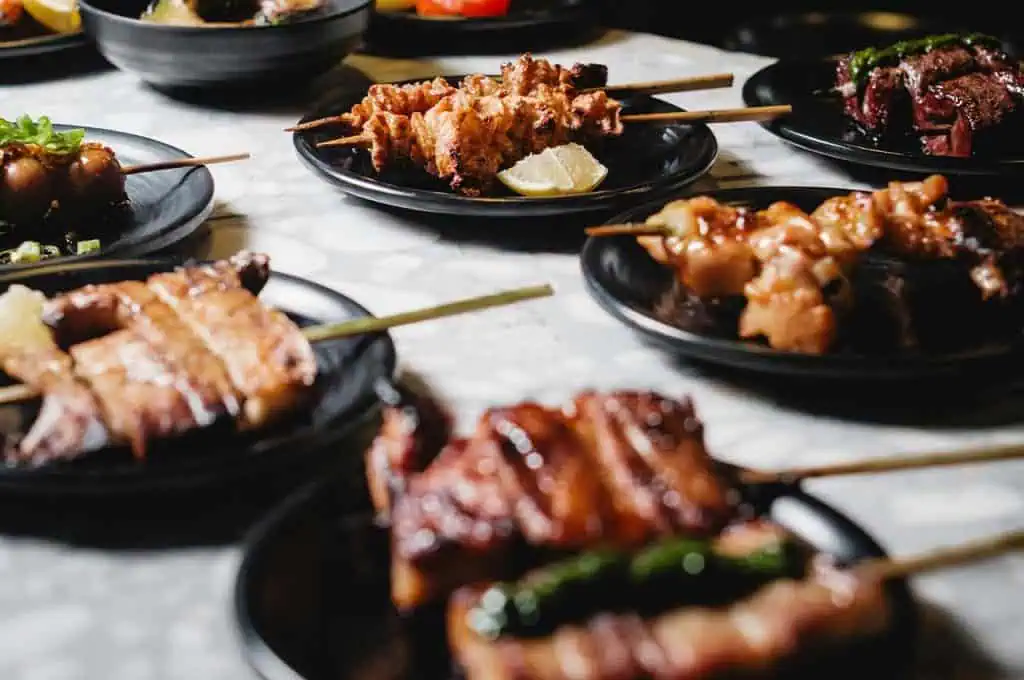
Understanding the roots of Korean and Japanese BBQ is essential for crafting authentic flavors. Korean BBQ emphasizes bold, spicy elements, often integrating sweet, savory, and fermented notes. Meanwhile, Japanese BBQ focuses on precision, with a delicate balance of flavors that highlight the natural taste of meats. Appreciating these cultural influences allows home cooks to honor tradition while experimenting with personal touches, leading to a more rewarding grilling experience.
The Allure of Gochujang Marinades

Gochujang, a fermented red chili paste, is cornerstone in Korean BBQ, delivering a harmonious blend of heat, sweetness, and umami. Achieving the right balance involves mixing it with soy sauce, minced garlic, sesame oil, and sugar. This marinade penetrates deeply, enhancing meat with complexity. When applying, ensure even coating and sufficient rest time—ideally a few hours or overnight—to allow the flavors to meld, resulting in a bold, succulent bite.
Sizzle & Smoke: Tabletop Grilling
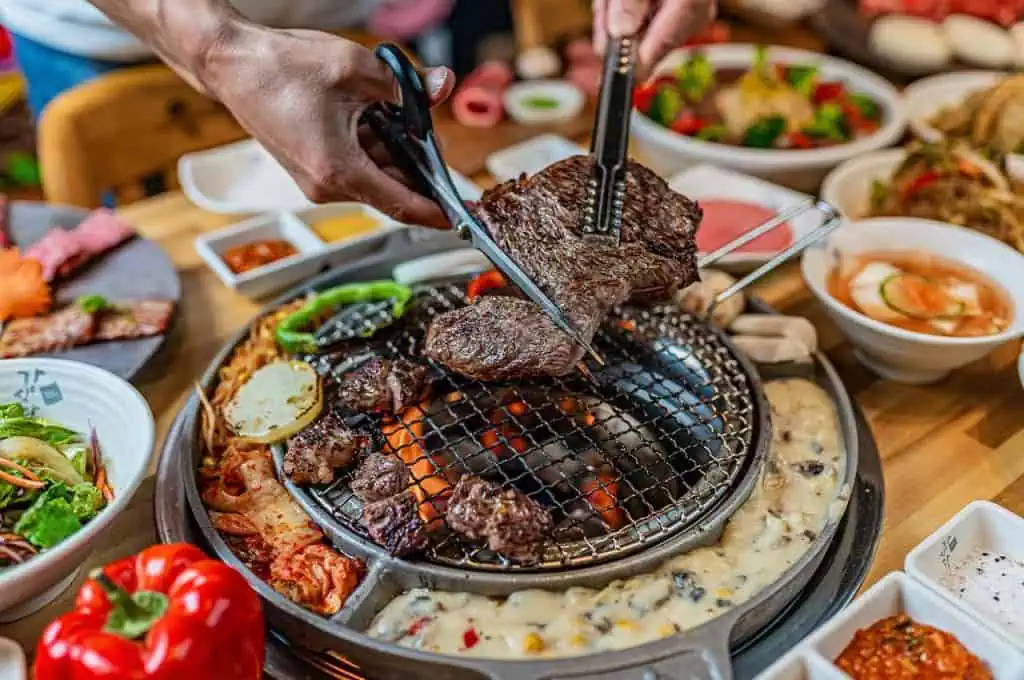
Tabletop grilling, a social centerpiece in both Korean and Japanese BBQ, requires attention to timing and temperature. For electric or charcoal grills, preheat thoroughly to ensure meats sear instantly, locking juices inside. Thin cuts like samgyeopsal or yakiniku benefit from quick, attentive flips, while maintaining an even high heat. Using natural hardwood charcoal can add a subtle smokiness, enhancing richness without overpowering the meat’s intrinsic flavors.
Banchan: More Than Side Dishes

Banchan, traditional Korean side dishes, transform BBQ meals into a feast of varied flavors and textures. Incorporate kimchi for its spicy, tangy crunch, or kongnamul, a refreshing soybean sprout salad, for brightness. Each dish complements the grilled meats, cleansing the palate and adding contrast. Present an array of 3-5 banchan per meal, focusing on diversity to enrich the dining experience with harmonious yet distinct elements.
Galbi vs. Bulgogi: Flavor Showdown
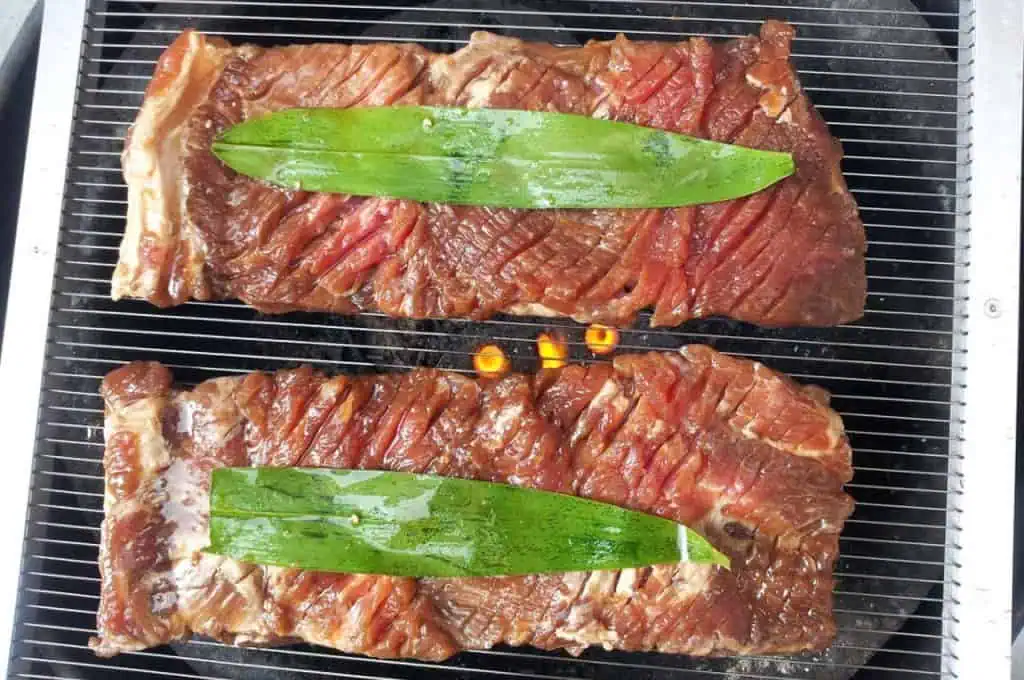
Galbi and bulgogi each embody unique aspects of Korean BBQ. Galbi, marinated beef short ribs, highlights savory, sweet notes from soy sauce, sugar, and garlic, often enhanced by fruit purees for tenderization. Bulgogi offers a slightly more subtle profile, relying on thinly sliced ribeye or sirloin, marinated similarly but with less smokiness due to its quicker cooking time. Both require careful attention to marinating and grilling nuances to achieve their signature juicy, flavorful results.
Wrap It Up: Lettuce & Bold Sauces
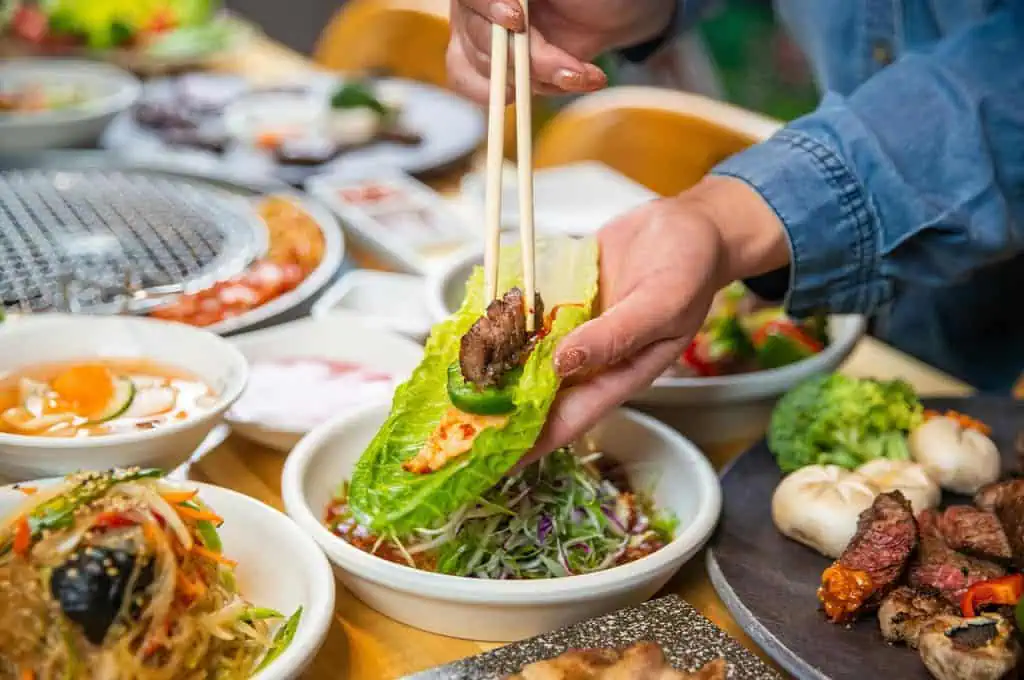
In Korean BBQ, lettuce wraps are more than a vessel—they enhance flavors and provide freshness against rich meats. Choose crisp leaves like Romaine or green leaf lettuce for their reliability and texture. Placing a slice of grilled meat in a leaf, add ssamjang, a potent mix of fermented soybean paste, garlic, and chili heat. For contrast, consider adding a spoonful of kimchi or a sliver of raw garlic. The lettuce serves as a crisp, refreshing counterpoint, intensifying every bold, savory bite with a harmonious balance.
Yakitori: The Art of Skewered Perfection
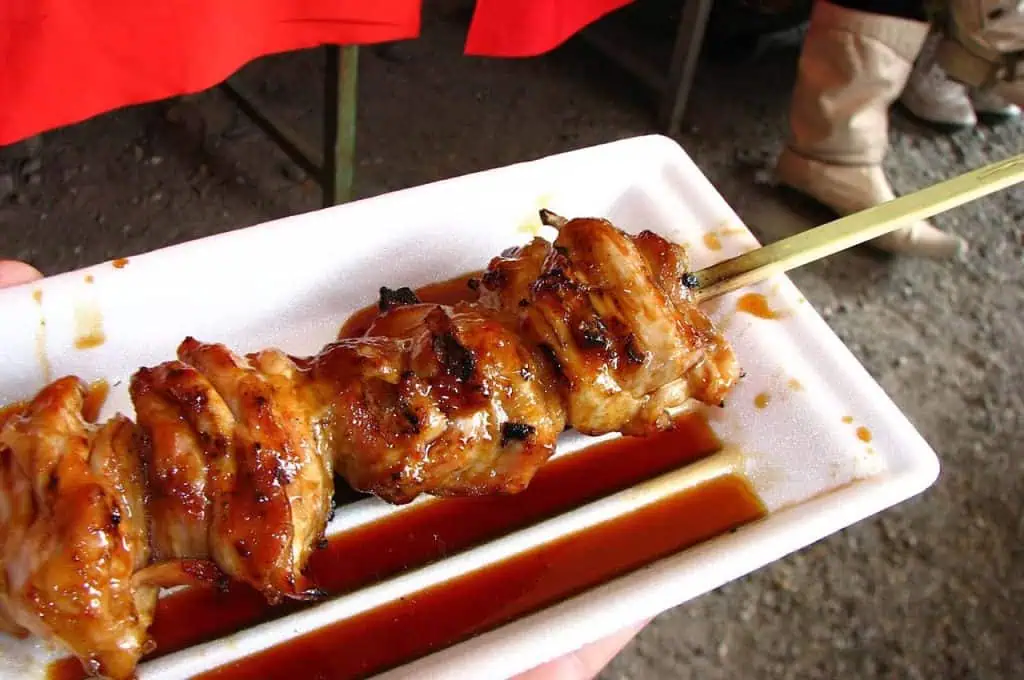
Yakitori exemplifies Japanese mastery in simplicity and precision. Start by slicing chicken into uniform pieces for even cooking. Traditional yakitori involves basting with tare sauce or lightly seasoning with salt. Skewering with uniformity ensures each piece cooks evenly, capturing a tender, juicy interior with a slightly charred exterior. Cooking over high heat is crucial; the skewers should sizzle as they hit the grill. Monitor the process closely to achieve the perfect balance of texture and flavor, letting each bite offer both smokiness and succulence.
Tare Sauce: Secret of Savory Magic

Tare sauce is integral to Japanese grilling, providing depth and umami. To create it, combine soy sauce, mirin, sake, and sugar, simmering until slightly thickened. This reduction melds into a glossy glaze, brushing beautifully onto skewers, enhancing without overpowering. The sugar caramelizes gently during grilling, infusing meats with a subtle sweetness. Balance is key; adjust ingredients to taste, ensuring each component complements the others. A well-crafted tare elevates even the simplest of dishes, harmonizing and highlighting natural flavors.
Robatayaki: Fire and Flavor

Robatayaki celebrates the primal allure of grilling over open flames. This Japanese style prioritizes natural flavors, achieved by using high-quality ingredients. The preparation involves minimal seasoning, allowing the essence of the food to shine. Maintain a bed of hot coals to provide consistent heat, and rotate skewers gently for even cooking. Each piece should have a slight char while maintaining moisture inside. Mastery of flame control is essential, letting the fire impart a subtle smokiness, turning each bite into a symphony of texture and aroma.
Wagyu: Luxurious Marbling
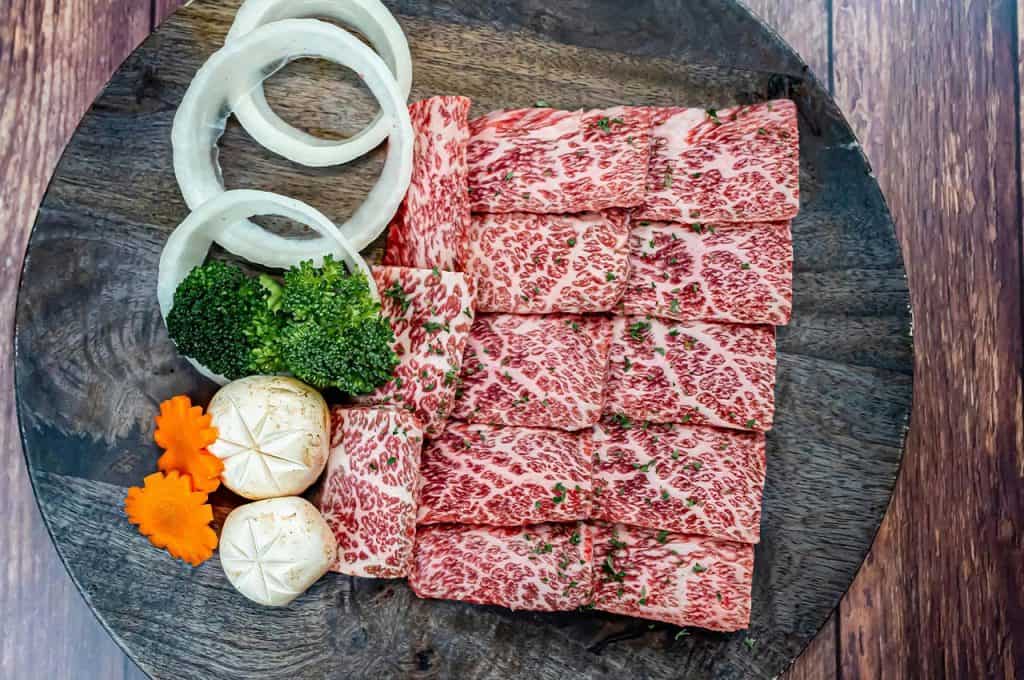
Wagyu beef's superior marbling defines its indulgent appeal. Select cuts that showcase intricate marbling for the ultimate taste experience. Cook Wagyu gently, often just seasoned with a sprinkle of salt. The heat should be moderate—enough to achieve a caramelized crust while preserving the buttery richness inside. Resting the meat after grilling ensures juices redistribute, facilitating maximum tenderness. Embrace restraint in side pairings, like a simple soy-based dipping sauce, allowing Wagyu's luxurious texture and flavor to shine uniquely and unforgettably.
Zen on a Plate: Japanese Aesthetics
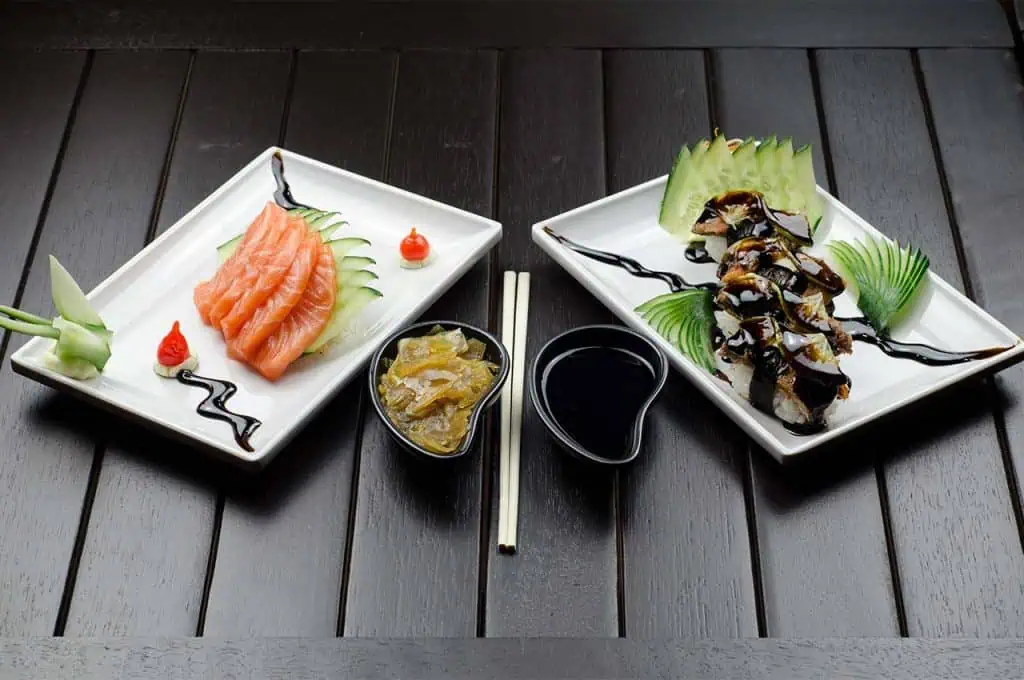
Japanese barbecue, or “yakiniku,” is a symphony of balance and precision. Begin with a meticulously curated selection of meats, emphasizing marbling and tenderness. Wagyu beef is a prized choice, offering a melt-in-the-mouth texture that shines with minimal seasoning. Thinly slice the meat to ensure an even, quick sear on a hot grill, preserving its juiciness.
Accompaniments such as sliced vegetables and dipped sauces should enhance without overshadowing the main flavors. Serve with a touch of wasabi or a light ponzu sauce for a hint of acidity. The presentation should be as artful as the preparation, with each element deliberately placed to reflect a harmony of color and shape, creating a truly zen-like dining experience.
