
6 Nuts That May Be Doing More Harm Than Good
Nuts are often celebrated for their nutritional benefits, offering protein, healthy fats, and essential vitamins. However, not all nuts are created equal, and some come with risks that warrant attention. In this exploration, we'll uncover how certain nuts may pose hidden dangers despite their acclaim. Understanding these risks can guide you to make informed dietary choices, balancing benefits with potential downsides.
Cashews: Hidden Risks Lurking
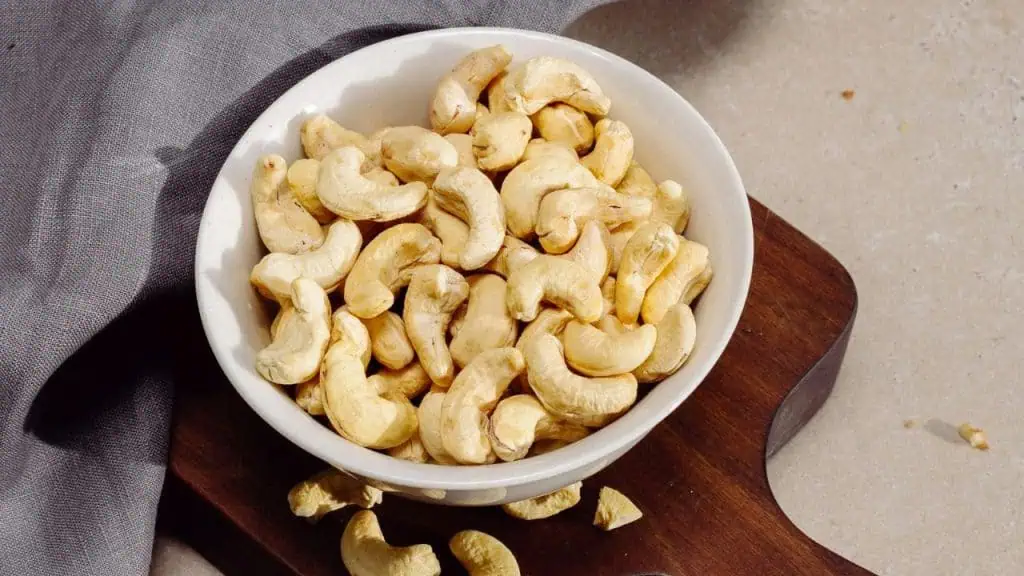
While cashews are a popular snack, they are often subject to harmful processing methods. Raw cashews contain urushiol, a toxic compound also found in poison ivy. To eliminate it, cashews undergo rigorous steaming, which is crucial for safety. However, this process can strip some nutrients and flavor profiles, affecting the nut's appeal. Opt for cashews from reputable sources to ensure they are properly treated, emphasizing proper handling for a healthier indulgence.
Macadamia Nuts: The Calorie Bomb
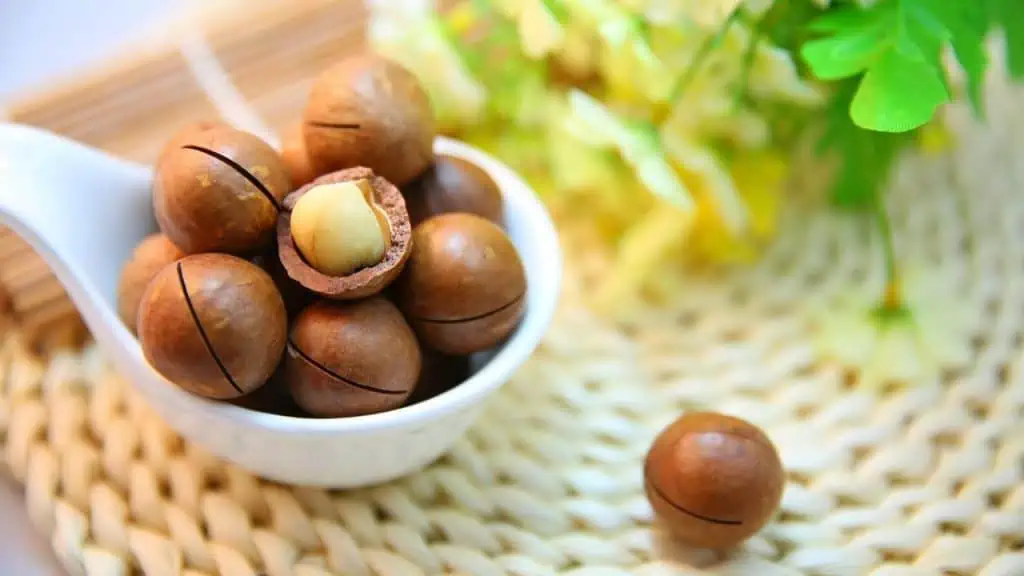
Macadamia nuts are renown for their rich, buttery flavor, but they pack a calorie-dense punch. Just a small handful can significantly impact daily caloric intake. While they provide beneficial monounsaturated fats, moderation is key to avoid unwanted weight gain. Incorporate them sparingly in dishes to enhance texture and flavor without overloading on calories, making it easier to enjoy their decadent taste responsibly.
Brazil Nuts: Overdose on Selenium

Brazil nuts are an excellent source of selenium, a mineral vital for various bodily functions. Yet, excessive consumption can lead to selenium toxicity, causing symptoms like hair loss and nerve damage. Limit intake to just one or two nuts per day to harness their benefits without adverse effects. Being mindful of portion sizes allows you to safely benefit from the antioxidant properties and nutrient density these nuts offer.
Pecans: The Allergen Potential

Pecans, known for their sweet and buttery notes, are a common ingredient in desserts. However, they pose a significant allergenic threat similar to many tree nuts. Exposure can lead to severe reactions in those with nut allergies. Always check labels and be aware of cross-contamination risks, especially when cooking for others. For safe usage, pecans can be toasted to enhance their flavor profile, providing a rich aroma while keeping allergens in consideration.
Pine Nuts: Puzzling Aftertaste

Pine nuts, often celebrated for their unique buttery taste, can sometimes lead to an unpleasant surprise known as “pine mouth.” This condition results in a bitter, metallic aftertaste appearing a day or two after consumption, lasting several days. The cause is still unclear, but it's linked to specific varieties, primarily from China. When purchasing pine nuts, opt for reputable sources or test a small amount before incorporating them into dishes. This careful selection can prevent an unexpected twist, keeping your culinary creations deliciously reliable.
Flavored Nuts: The Sodium Trap
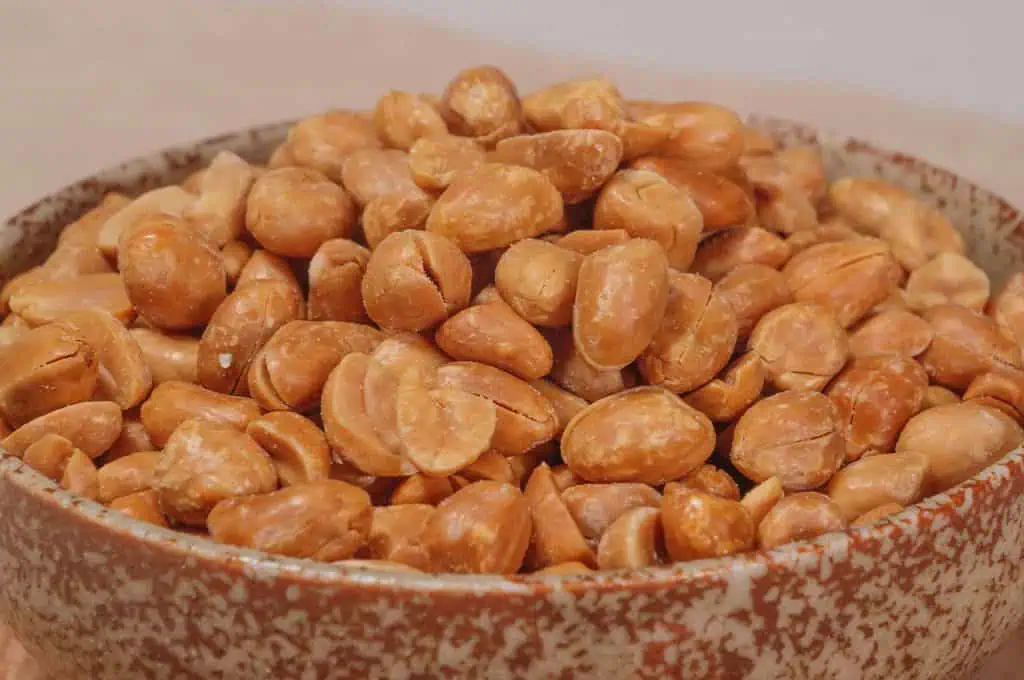
Flavored nuts are a popular snack, delivering bold tastes that often mask high sodium levels. Although delicious, these nuts can quickly contribute to exceeding recommended daily sodium intake, leading to health concerns over time. For a healthier approach, choose raw or unsalted varieties and season them at home using herbs, spices, or a light touch of sea salt to maintain control over the sodium content. This method not only enhances flavor variety but also supports a balanced diet, allowing you to enjoy nuts without hidden nutritional pitfalls.
