
12 Processed Foods Nutritionists Approve Of
Processed foods often get a bad rap, but not all are created equal. There are several options that nutritionists recommend for their nutritional benefits and convenience. Incorporating these foods into your diet can bolster your meals without compromising quality or health.
Greek Yogurt: Creamy and Nutritious

Greek yogurt stands out for its thick texture and rich protein content, perfect for breakfast or a midday snack. Opt for plain, unsweetened varieties to avoid excess sugar, then add fresh fruits or a drizzle of honey for natural sweetness. Its probiotics benefit gut health, making Greek yogurt a versatile, nourishing choice.
Whole Grain Bread: Fiber-rich Choice

Whole grain bread is a staple packed with fiber and essential nutrients. Choose loaves with minimal additives; look for “100% whole grain” on the label. The texture is hearty and satisfying, ideal for sandwiches or toast. Fiber aids digestion, while complex carbohydrates provide lasting energy, making it a smart choice for daily consumption.
Canned Beans: A Protein Powerhouse

Canned beans offer a quick yet nutritious way to add protein and fiber to meals. Rinse them under cold water to reduce sodium content, then toss into salads, soups, or stews. Versatile and filling, beans like black, kidney, and chickpeas are budget-friendly options that enhance flavors and provide a satisfying bite.
Frozen Vegetables: Freshness Preserved
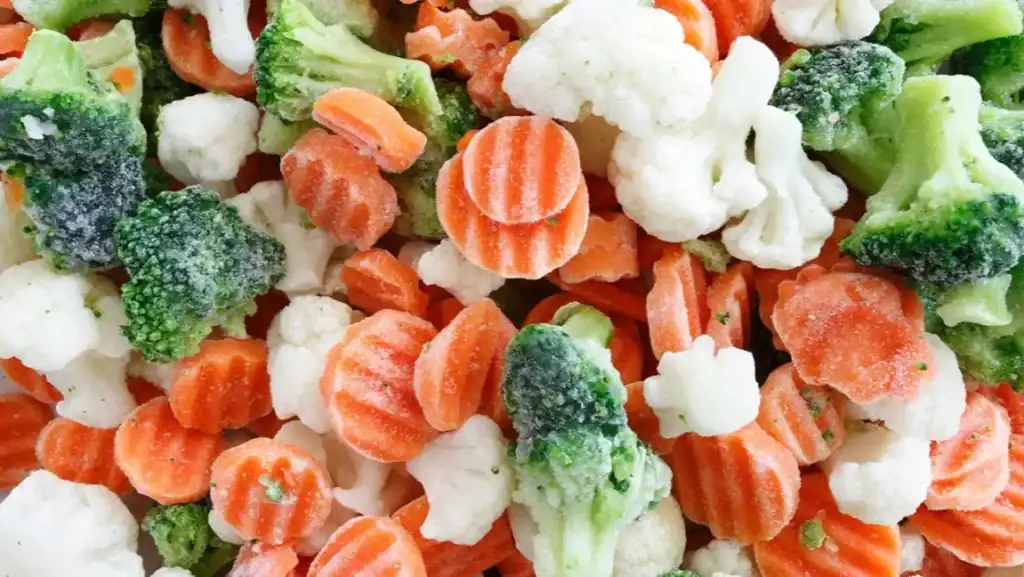
Frozen vegetables retain their nutrients due to rapid freezing methods right after harvesting. Keep a mix on hand for quick, easy meal additions without the worry of spoilage. Steam or sauté them directly from frozen to maintain texture and taste. They provide essential vitamins and minerals, infusing dishes with color and nutrition.
Nut Butters: Healthy and Convenient

Nut butters like almond and peanut offer a nutritious blend of healthy fats and protein. Look for options without added sugars or hydrogenated oils. Spread on whole-grain breads or blend into smoothies for effortless nutrient boosts. Their creamy texture enhances both sweet and savory dishes, making them a versatile kitchen staple. Store in a cool, dry place to maintain freshness and prevent separation.
Tomato Paste: Flavor without Additives
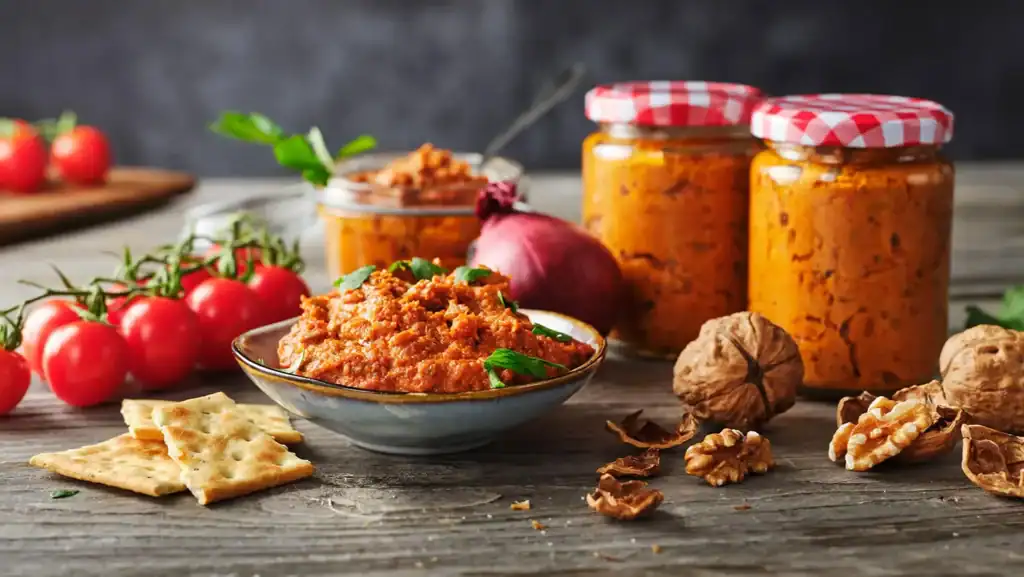
Tomato paste adds a concentrated burst of umami and a vibrant touch to dishes. When purchasing, seek out varieties without added salt or sugar. A tablespoon can deepen the flavor of soups, sauces, and stews. To maximize shelf life, store in the refrigerator after opening. Mixing equal parts of paste and water creates a quick, flavorful tomato sauce for pasta or pizzas.
Dark Chocolate: Antioxidant Wonderland

Rich in antioxidants and flavonoids, dark chocolate is a treat nutritionists favor, especially those with 70% cacao or higher. It can be enjoyed in moderation as a satisfying dessert or a sophisticated ingredient in savory dishes such as mole sauce. To maintain its delicate flavor, store in a cool, dark place. Incorporating small squares into baking can elevate cookies and cakes.
Oatmeal: Heart-healthy Staple
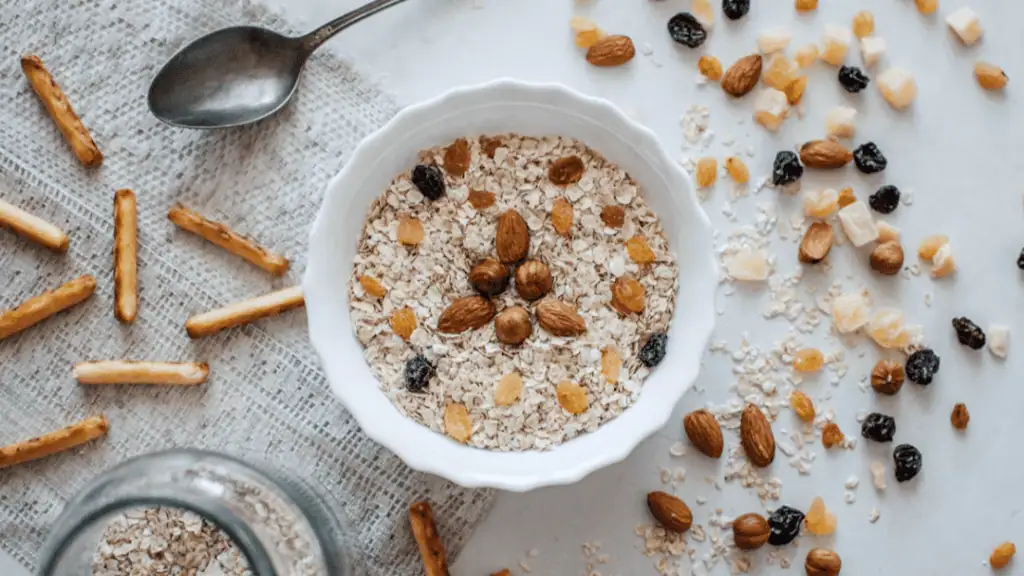
Oatmeal is celebrated for its fiber content and heart-healthy benefits. Opt for steel-cut or rolled oats for optimal nutrition. Cooked simply with water or milk, it serves as a comforting breakfast base. Enhance it with fresh fruit, nuts, or a drizzle of honey for added flavor. Cook in a non-stick pot to prevent sticking and gently simmer to achieve a creamy texture. This versatile grain can also be used in baking or as a binder in meat recipes.
Popcorn: Whole Grain Snack

As a whole grain, popcorn is a fiber-rich snack when prepared without excessive butter or salt. Pop on the stovetop with a small amount of oil for a crunchy, satisfying treat. Season with herbs or spices to enhance flavor without adding calories. Store unpopped kernels in an airtight container to maintain their popping quality. This low-calorie snack is ideal for mindful eating and creative culinary experiments.
Sardines: Omega-3 Rich Delight

Sardines are a nutrient powerhouse, offering high levels of omega-3 fatty acids essential for heart health. Integrate sardines into your meals by gently warming them with garlic and lemon zest to bring out their natural flavors. Select sardines packed in olive oil for added richness, or choose water-packed for a lighter option. Serve over a crisp salad or alongside whole-grain bread to balance their bold taste. This small fish pairs well with fresh herbs like parsley, enhancing its flavor profile while adding a burst of color.
Tofu: Versatile Plant Protein

Tofu is an adaptable ingredient, loved for its high protein content and ability to absorb flavors. Before cooking, drain and press it to remove excess moisture, ensuring a firmer texture. Marinate cubed tofu in soy sauce, ginger, and sesame oil, then stir-fry until golden and crispy. This technique creates a satisfying bite. Silken tofu can be blended into smoothies for creamy texture, or added to soups for a protein boost. Explore different tofu varieties to find the perfect fit for your meals.
Pickles: Gut-friendly Snack

Pickles offer a tangy crunch and are known for their probiotic benefits, boosting gut health. Opt for fermented varieties, rich in live cultures, and enjoy them as a snack or condiment. To try pickling at home, immerse cucumbers in a brine of vinegar, water, dill, and garlic. Allow them to ferment for about a week. This easy method enhances flavor while retaining the cucumbers’ natural crispness. Combine pickles with hamburgers, sandwiches, or cheese platters for a flavor-packed addition.
