
6 Packed Probiotic-Rich Picks Suggested by Nutritionists
You've probably heard that your gut is kind of a big deal. It affects your digestion, your immune system, your mood, and even your skin. And the best way to keep your gut happy? Probiotics—those friendly little bacteria that live in fermented foods and help everything run smoothly. But here's the thing: you don't need fancy supplements or expensive health drinks. Some of the best probiotic-rich foods are probably already in your kitchen (or at least down the street at the grocery store). Think yogurt, kimchi, miso, kombucha, kefir, and sauerkraut. They're delicious, versatile, and packed with the good stuff your belly craves.
So whether you're new to probiotics or just looking for new ways to work them into your meals, this guide is for you. In this article, we're breaking down six probiotic superstars—from creamy yogurt that makes the perfect breakfast base to spicy kimchi that adds a kick to rice bowls and tacos. You'll learn how to use miso without killing its live cultures (hint: don't boil it), why raw sauerkraut is better than canned, and what makes kefir one of the most powerful probiotic drinks out there. Grab a spoon (or a fork, or a glass) and let's get your gut the love it deserves.
Yogurt: The Classic Gut Healer

Yogurt stands as a staple in probiotic nutrition, known for its versatility and health benefits. Opt for plain, unsweetened yogurt to avoid added sugars and maximize probiotic content. Rich in live cultures, it aids digestion and boosts immunity. Use it as a base for creamy dressings, marinades, or a refreshing breakfast parfait. For best results, pair with fresh fruits, nuts, or honey to enhance both flavor and texture. Experiment with different milk sources, like goat or sheep, for varied tastes and culinary applications.
Kimchi: Spice Up Your Probiotics
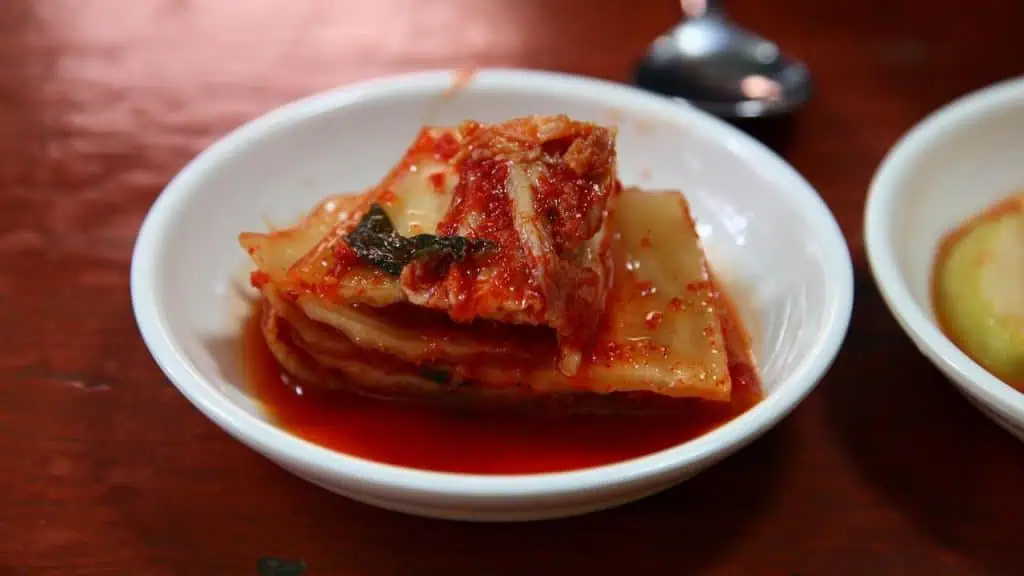
Kimchi offers a vibrant, spicy kick while delivering potent probiotics from its fermentation process. This Korean staple introduces depth to dishes with its mix of napa cabbage, radishes, and Korean chili powder. For optimal probiotic retention, add kimchi towards the end of cooking to preserve the beneficial bacteria. Pair it with rice, noodles, or as a topping for tacos to appreciate its versatility. Store-bought varieties are convenient, but making your own allows customization of spice levels and ingredient choices.
Miso: The Fermented Flavor Bomb

Miso paste is a powerhouse of umami, crafted from fermented soybeans, salt, and koji. It's a key player in Japanese cuisine, often used in soups, dressings, and marinades. Use white miso for a milder, sweeter flavor or red miso for a bolder taste. To preserve its probiotics, avoid boiling miso; instead, add it just before serving. The rich, savory profile enhances everything from simple broths to complex sauces, making it a must-have in any kitchen focused on healthy, flavorful eating.
Kombucha: The Sparkling Sip for Gut Health

Kombucha is a lightly effervescent, fermented tea made using a symbiotic culture of bacteria and yeast (SCOBY). Its tangy, slightly sweet flavor pairs well with natural additions like ginger, berries, or citrus. Rich in probiotics, kombucha supports gut health, digestion, and immune function. It also contains beneficial acids and antioxidants. Choose raw, unpasteurized versions to ensure the live cultures remain active and effective for your digestive system.
Kefir: A Probiotic Powerhouse in a Glass

Kefir is a fermented milk drink with a tart, tangy taste and a creamy texture, similar to drinkable yogurt. What sets it apart is its impressive diversity of probiotics—often containing up to 30 strains of beneficial bacteria and yeasts, making it one of the most potent probiotic foods. These live cultures can help balance gut flora, aid digestion, and boost immunity. It’s also typically lower in lactose, making it easier to digest for those with sensitivities.
Sauerkraut: Crunchy, Fermented Fuel for Your Gut

Raw, unpasteurized sauerkraut is a probiotic-rich food made by fermenting shredded cabbage with salt. During fermentation, beneficial bacteria like Lactobacillus develop, supporting gut health and aiding digestion. It’s also high in fiber, which promotes regularity and feeds healthy gut microbes. Unlike canned or pasteurized versions, raw sauerkraut retains its live cultures—so look for it in the refrigerated section to get the full digestive and immune-supporting benefits.
