
12 Unexpected Superfoods That Help Lower Cholesterol
Exploring the world of superfoods can unveil surprising ingredients capable of supporting heart health, particularly in managing cholesterol levels. While oats and leafy greens often come to mind, there are lesser-known but equally potent foods that offer unique health benefits. Embracing these ingredients can not only add diversity to your meals but also actively support your well-being. Let's delve into some unexpected superfoods that deserve a place on your plate.
Avocado: Creamy Heart Boost
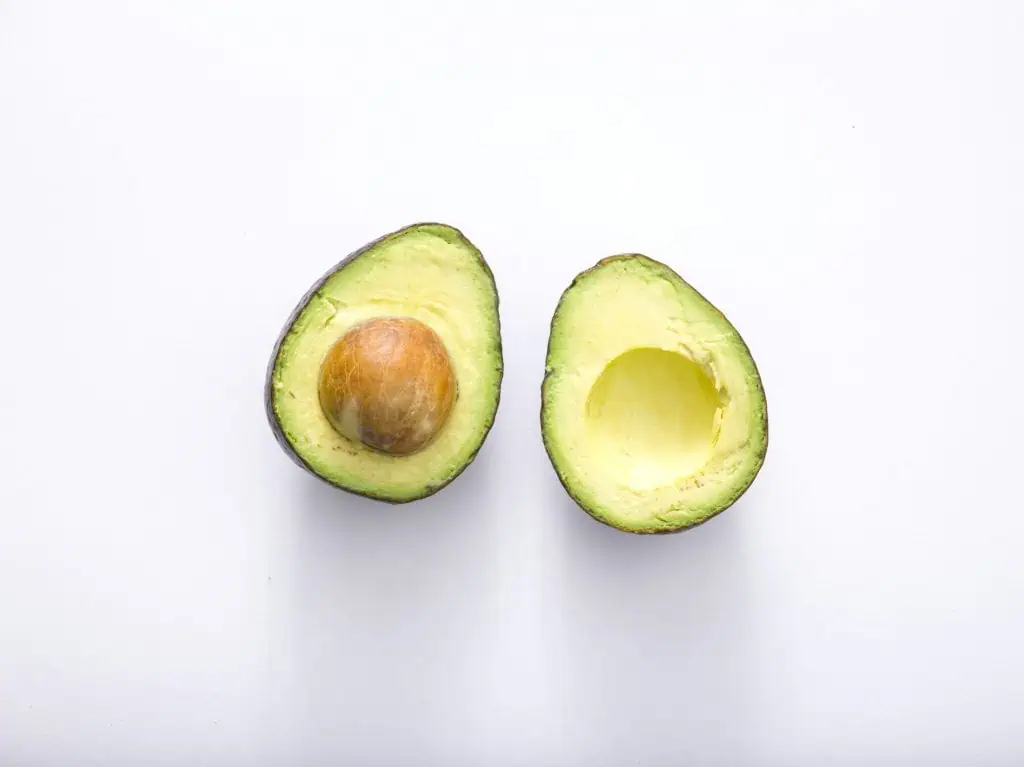
Avocados are rich in monounsaturated fats, a heart-healthy source that can help reduce bad cholesterol levels. They also provide potassium and fiber, amplifying their benefits. To maximize flavor, integrate avocado as a creamy base in smoothies, or mash it onto whole-grain toast with a sprinkle of paprika for an enticing, nourishing breakfast. Avoid over-blending to maintain a pleasant texture and add an extra layer of freshness with lime or lemon juice.
Dark Chocolate: Indulgent Yet Healthy

Dark chocolate, with a cocoa content of 70% or higher, is a delightful surprise in cholesterol-lowering diets. Rich in flavonoids, it helps improve heart health by promoting good cholesterol levels. Enjoy it as a small post-meal treat or melt it as a luxurious drizzle over fruits. Opt for minimal processing chocolate to preserve its antioxidant properties. Balance its bitterness with naturally sweet berries or a sprinkle of sea salt to enhance its complex profile.
Walnuts: Crunchy Cholesterol Crushers
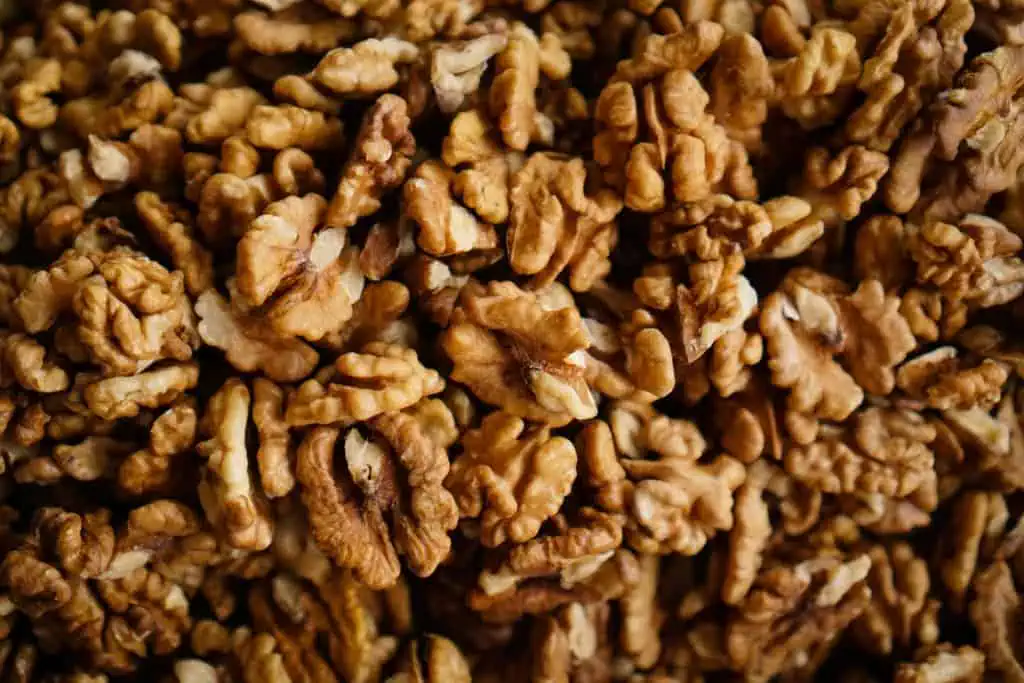
Walnuts are packed with omega-3 fatty acids and antioxidants, making them a formidable tool against high cholesterol. Their hearty crunch and rich, earthy flavor can elevate a variety of dishes. Toss them into salads for a textural contrast or sprinkle them over yogurt for a nutritious start to your day. Toasting enhances their nuttiness but keep an eye on them, as they can quickly go from golden to burnt, ruining their delicate flavor.
Almonds: Nutty Guardians of the Heart
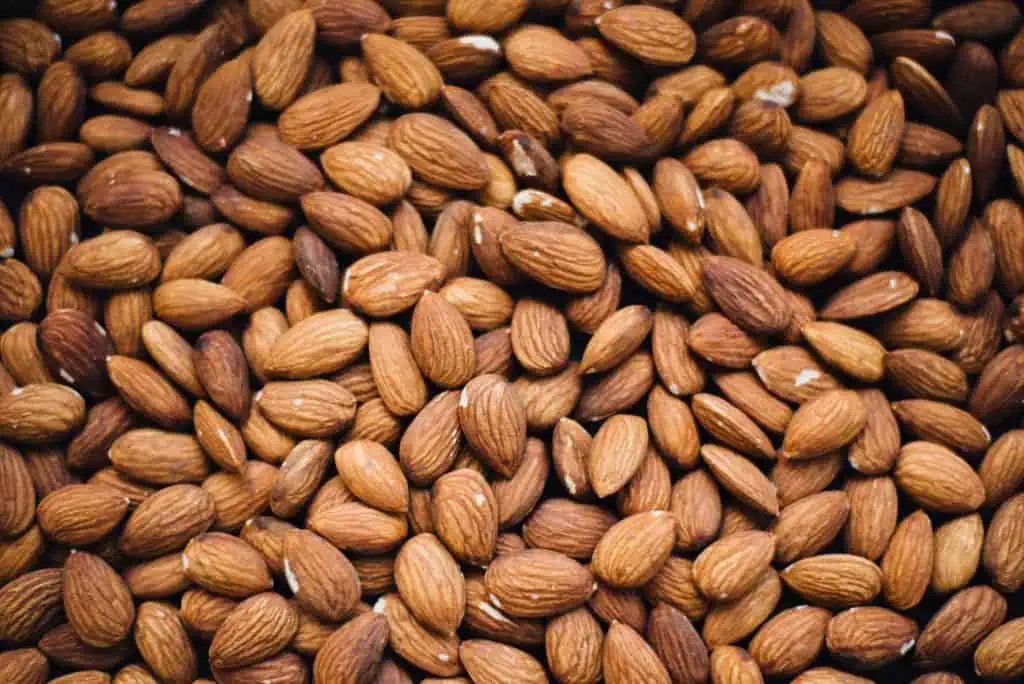
Almonds offer a wealth of benefits, including vitamin E and healthy fats that contribute to heart health. Their versatility makes them an excellent addition to any diet. Use them as a crunchy topping for sautéed green beans or blend into almond butter for a smooth, rich spread. To retain their nutritional value, avoid overly roasting them, as this can diminish their healthy fats. Instead, enjoy them raw or lightly toasted for an optimal balance of taste and health.
Blueberries: Tiny Berries, Big Benefits
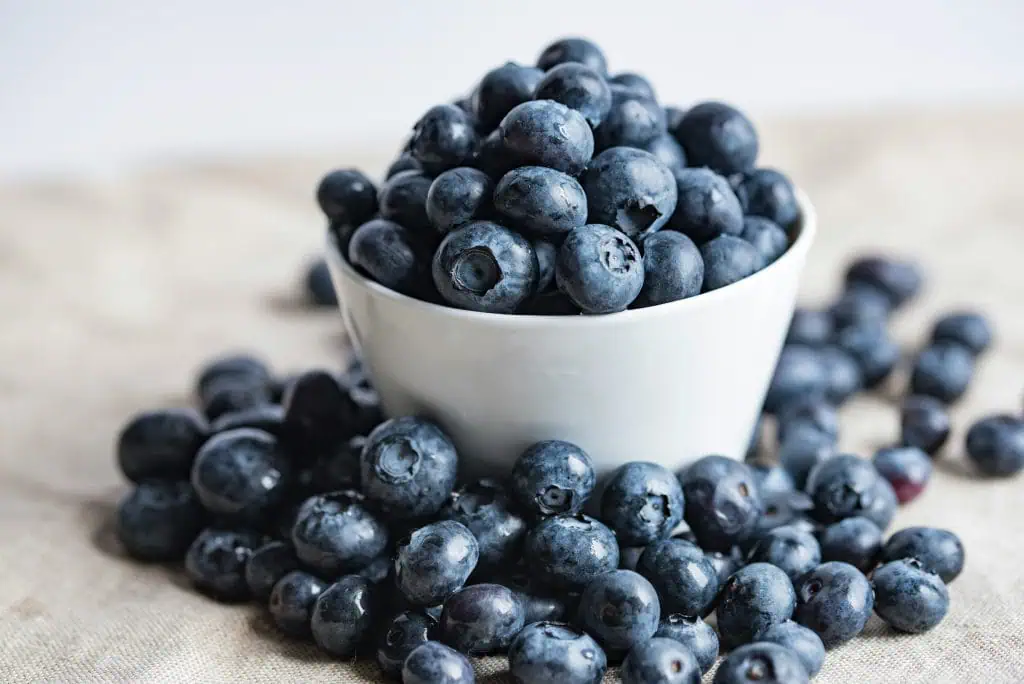
Blueberries are more than a sweet treat; they're packed with antioxidants that combat cholesterol. Their high fiber content aids in lowering LDL (bad) cholesterol, making these small berries a powerful ally in heart health. To integrate blueberries effectively, consider adding them to morning oatmeal or blending them into a smoothie. This preserves their nutrients while enhancing flavor. Fresh or frozen, blueberries maintain their health properties, offering flexibility in preparation. Their vibrant color and tangy-sweet taste also make them a delightful addition to salads and desserts.
Garlic: Pungent Yet Powerful
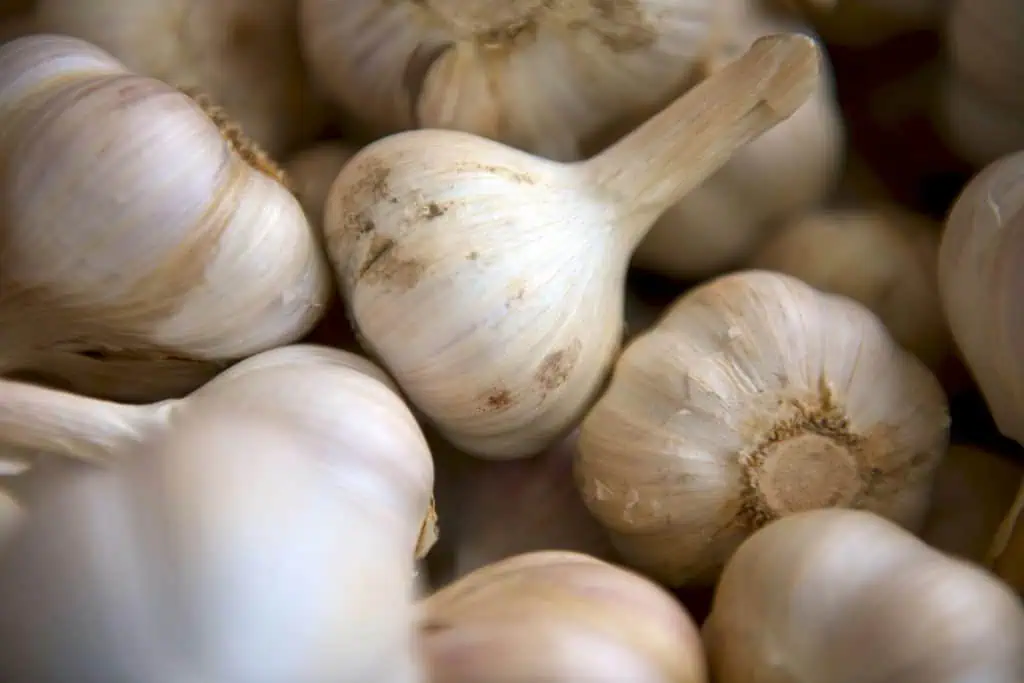
Garlic is renowned for its ability to reduce cholesterol levels. Its sulfur compounds, particularly allicin, are key contributors to this effect. For maximum benefit, use raw garlic, as cooking can diminish its potency. Crushing or chopping garlic releases its beneficial compounds, so let it sit for a few minutes before adding it to dishes. Try incorporating raw garlic into dressings or salsas for a potent punch. Even in cooked form, garlic enriches flavors and contributes to heart health, making it a versatile ingredient in countless cuisines.
Strawberries: Sweet Heart Protectors
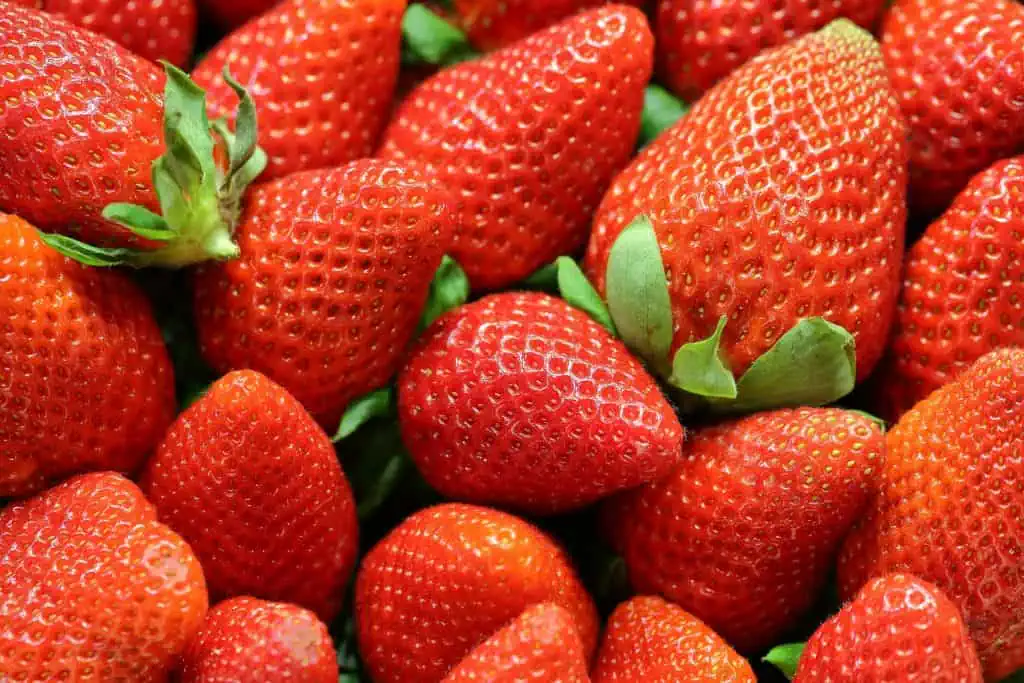
Strawberries, with their juicy texture and vibrant flavor, naturally lower cholesterol due to their high polyphenol content. These antioxidants improve heart health and can be enjoyed in various forms. Incorporate them into a fresh fruit salad or a yogurt topping to retain their nutritional benefits. Strawberries' sweet-tart profile can enhance both sweet and savory dishes. When selecting strawberries, choose bright red, firm berries for optimal freshness and flavor. Whether raw or lightly cooked, they remain a delicious, heart-healthy choice.
Green Tea: Sip Your Way to Health

Green tea is a healthful beverage that supports cholesterol management. Its catechins—potent antioxidants—assist in reducing LDL cholesterol. Brew green tea at a lower temperature to prevent bitterness and preserve its beneficial properties. Aim for around three to four cups daily to experience its effects fully. Green tea's subtle, earthy notes can be enjoyed on its own or with a splash of lemon for added vitamin C. This inviting drink not only aids in lowering cholesterol but also offers a moment of calm in your daily routine.
Olive Oil: Liquid Gold for Arteries

Olive oil stands out for its monounsaturated fats, which help reduce harmful LDL cholesterol while raising beneficial HDL levels. Opt for extra virgin olive oil to maximize polyphenol benefits. Use it as a base for dressings or for drizzling over roasted vegetables to enhance both flavor and health. Its fruity aroma and rich texture complement a wide range of dishes, offering a heart-healthy alternative to butter and other saturated fats. Store olive oil in a cool, dark place to maintain its quality and flavor.
Lentils: The Humble Heart Helpers
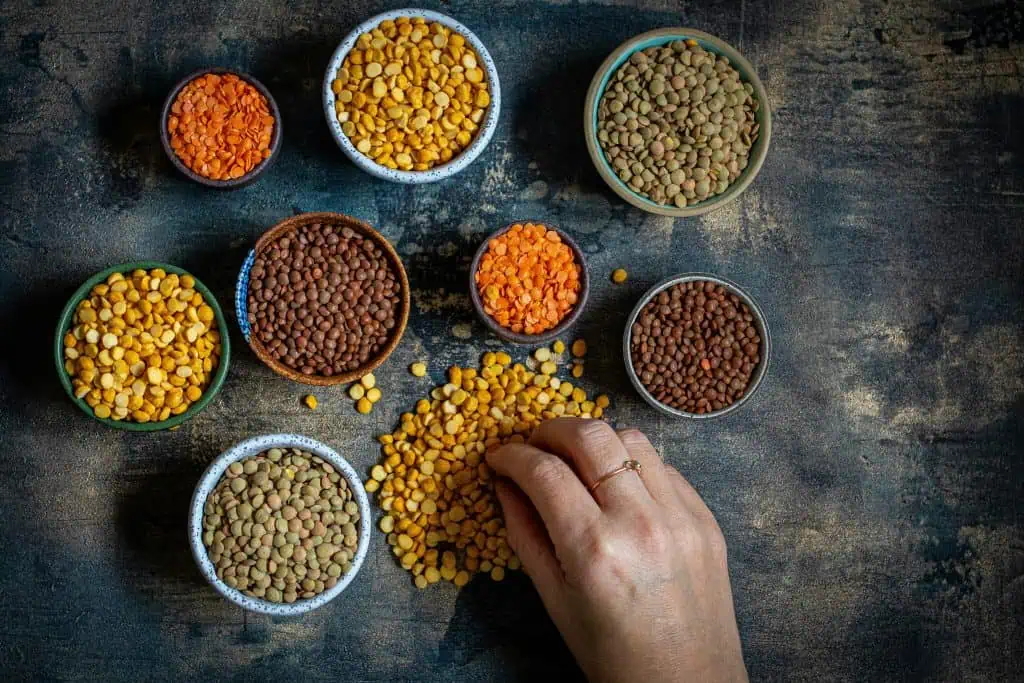
Lentils are a nutritional powerhouse packed with soluble fiber, which plays a key role in lowering cholesterol levels. To cook lentils to perfection, rinse them thoroughly and use a three-to-one water-to-lentil ratio. Simmer gently to preserve their texture, and avoid overcooking to maintain a slightly firm bite. Incorporate them into soups, salads, or stews for added protein and fiber. Their earthy flavor pairs well with garlic, cumin, and lemon, making them a versatile and heart-healthy choice for any meal.
Apples: Crunch Your Way to Health
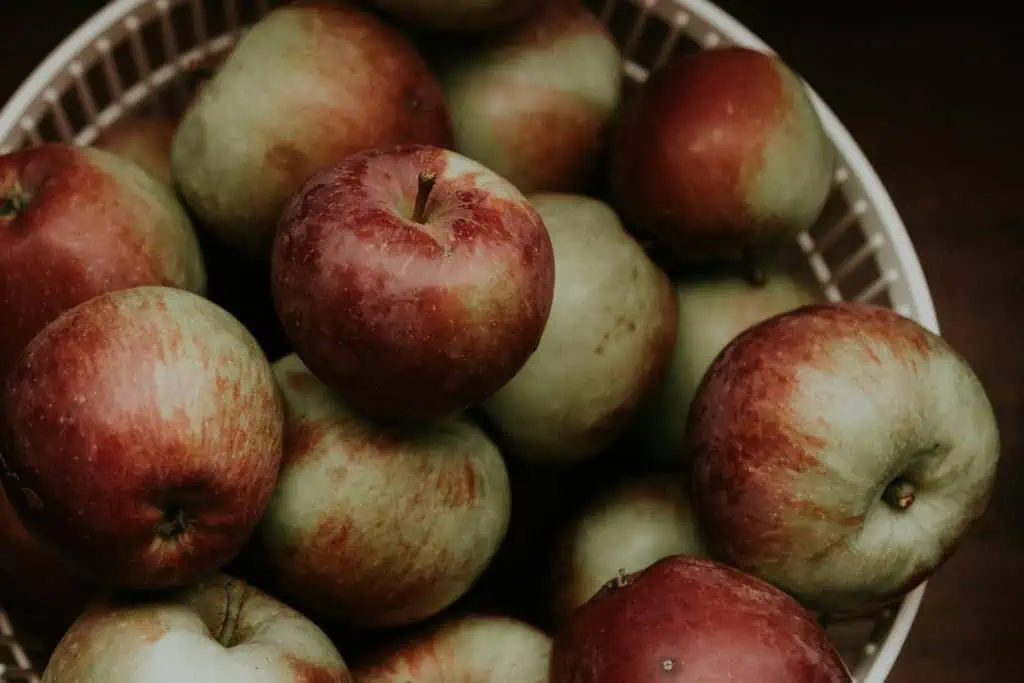
Apples, rich in pectin, offer a sweet and crunchy way to support heart health by lowering cholesterol. To maximize their benefits, enjoy them with the skin on, where much of the fiber resides. A simple apple compote can be made by simmering peeled chunks with a touch of cinnamon and honey, offering a natural sweetness and warming spice. Their crisp texture makes apples perfect for salads, pairing well with sharp cheeses or tossed with nuts. Harness their natural acidity by adding a splash of apple cider vinegar to dressings.
Spinach: Leafy Green Goodness
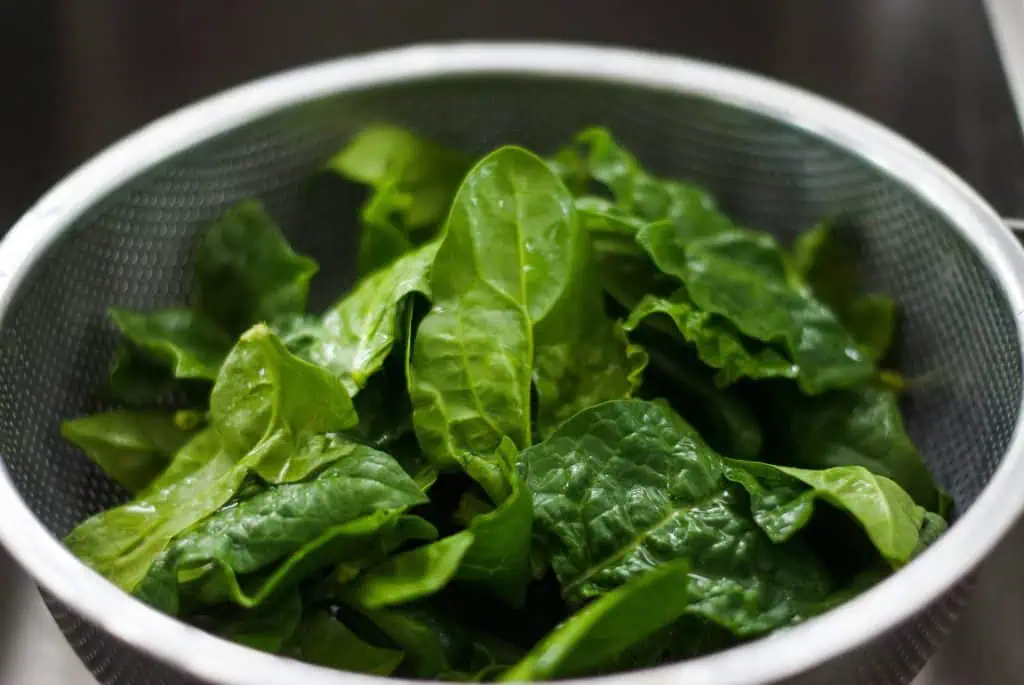
Spinach, with its rich content of lutein, promotes lower cholesterol and supports heart health. Quickly blanched or sautéed, spinach retains its vibrant color and tender texture. To avoid a watery result, drain well and squeeze out excess moisture. Its mild taste allows for versatility, enhancing dishes such as omelets, smoothies, or pasta. When raw, its delicate leaves provide a fresh base for salads, complementing acidic ingredients like tomatoes or a tangy vinaigrette, boosting both flavor and nutrition.
