
Fuel Mind and Heart: 15 Omega-3 Superstars You Should Eat
Omega-3 fatty acids are essential for maintaining brain and heart health, reducing inflammation, and enhancing overall wellbeing. Incorporating omega-3-rich foods into your diet can offer significant nutritional benefits. Here, we'll explore fifteen powerhouse ingredients that ensure you receive this vital nutrient, starting with accessible choices that are easy to prepare and delicious to eat.
Salmon: The Omega-3 Powerhouse
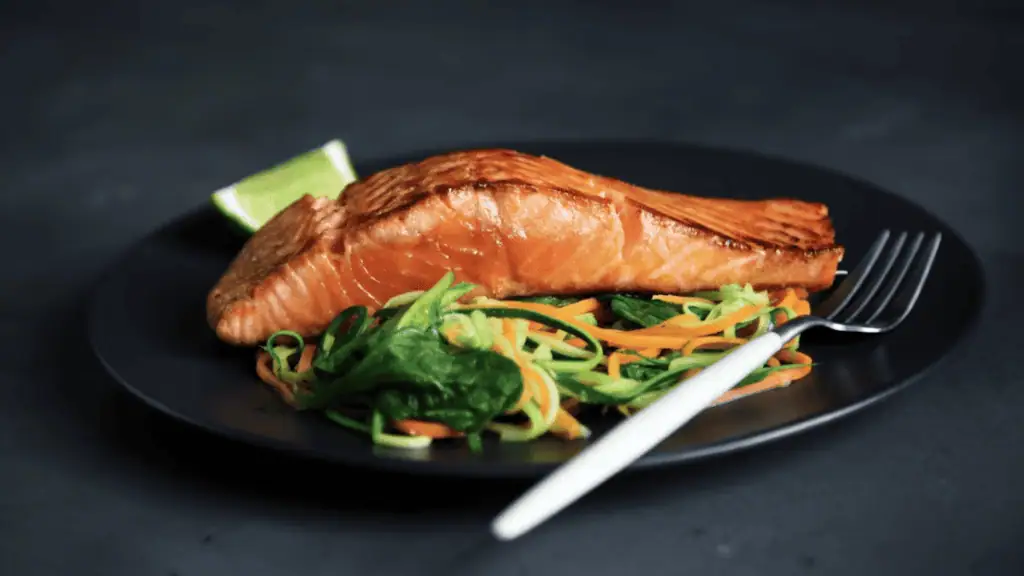
Salmon stands out as a rich source of omega-3s. Its oily flesh is ideal for grilling, baking, or pan-searing, allowing the natural oils to complement its rich texture. Opt for wild-caught varieties for their superior flavor and nutrition. To enhance its natural taste, season lightly with salt, pepper, and lemon juice. When cooked to perfection, the flesh should be tender and slightly translucent in the center, ensuring it retains its moisture and nutrients.
Chia Seeds: Tiny but Mighty

Despite their small size, chia seeds are packed with omega-3 fatty acids. These versatile seeds can be added to smoothies, oatmeal, or yogurt to boost nutritional content. To unlock their full potential, soak them in water or milk for at least 20 minutes, allowing them to expand and develop a gel-like texture. This process not only improves digestion but also enhances the subtle nutty flavor, making your dishes more enjoyable and heart-healthy.
Walnuts: Crunch for Brain Health

Walnuts offer a satisfying crunch while delivering a generous amount of omega-3s. Enjoy them raw, toast them lightly to bring out their rich, earthy notes, or incorporate them into salads and baked goods. Preserving their fresh taste requires proper storage in an airtight container. Their healthy fats can elevate the flavor profile of many dishes, making walnuts a valuable addition to both sweet and savory recipes aimed at supporting cognitive function.
Flaxseeds: Ground for Greatness
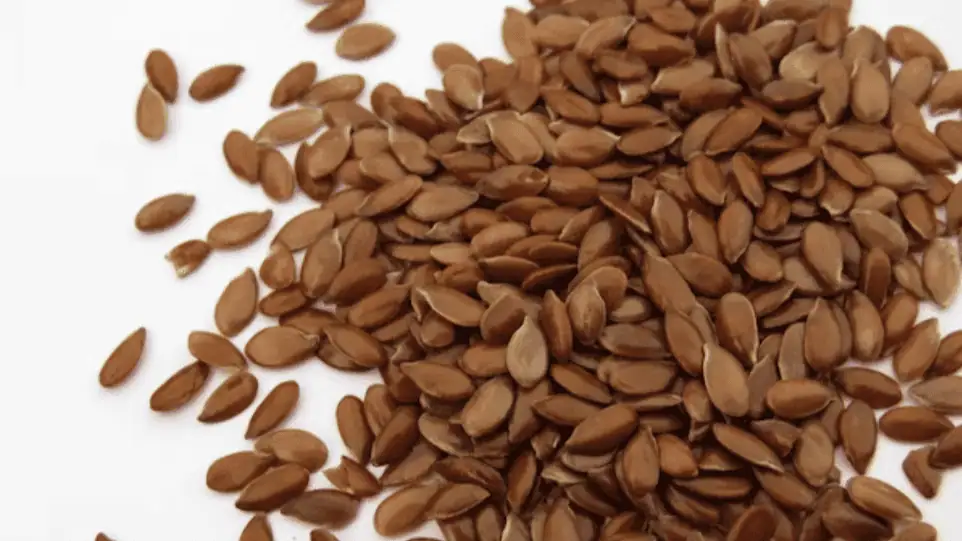
Flaxseeds are a potent omega-3 source, especially when ground. Milling them allows your body to absorb their nutrients more effectively. Incorporate ground flaxseeds into batters, smoothies, or cereal. Their mildly nutty flavor is subtle, making them an unobtrusive nutritional booster. Store flaxseed meal in the refrigerator to maintain its freshness, ensuring you enjoy its health benefits in every serving, thereby enriching your daily diet with heart-healthy properties.
Sardines: Small Fish, Big Benefits

Sardines pack a nutritional punch that belies their modest size. These tiny fish are rich in omega-3 fatty acids, essential for heart health and brain function. When preparing sardines, try them grilled with a squeeze of lemon and a sprinkle of sea salt. Their robust flavor pairs well with a fresh herb salad for balance. Look for sardines packed in olive oil; it enhances the fish's natural richness. For a convenient meal, simply toss them with whole grain pasta, garlic, and arugula.
Mackerel: Energy for the Mind
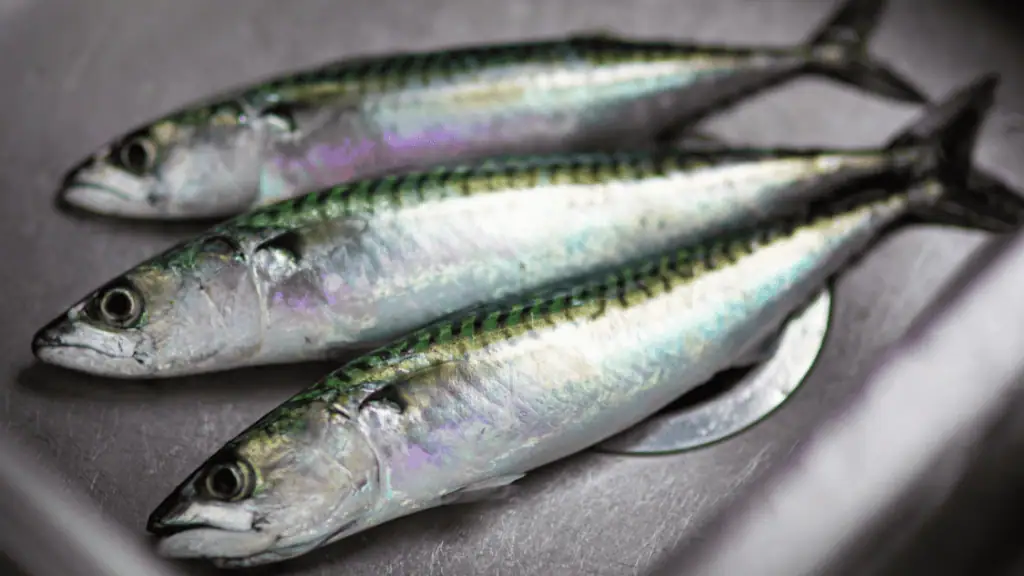
Mackerel is a powerhouse fish full of omega-3s, promoting cognitive health and vitality. Opt for fillets with firm, shiny skin, indicative of freshness. Pan-sear on medium-high heat to achieve a crispy skin and succulent interior. Its bold flavor complements ingredients like ginger and soy sauce in a quick Asian-inspired glaze. Low in mercury compared to other fish, mackerel is a safe and healthy option. Serve with steamed vegetables for a nutrient-packed meal that invigorates.
Hemp Seeds: Boost Your Mood
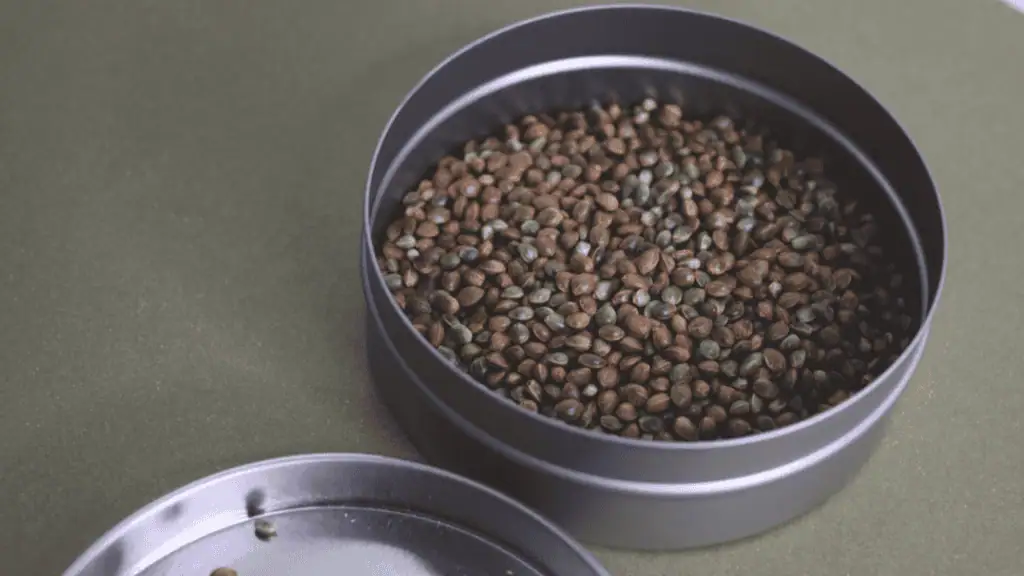
Hemp seeds are an excellent plant-based source of omega-3s and are incredibly versatile. Add them to smoothies, oatmeal, or yogurt for a simple nutritional boost. Their subtle, nutty flavor doesn’t overpower, making them a great addition to baked goods or salads. Toast lightly in a dry pan to enhance their taste and add a pleasing crunch. Packed with protein and fiber, hemp seeds help regulate mood and energy, supporting a balanced lifestyle.
Anchovies: Flavor and Omega-3s
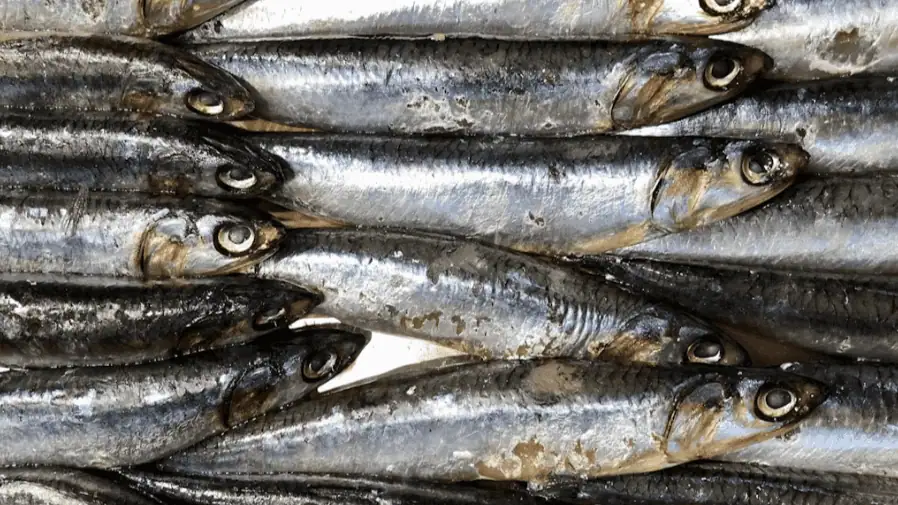
Anchovies are small, yet mighty, brimming with omega-3s and umami-rich flavor. A little goes a long way; incorporate them into dressings, sauces, or directly on pizzas for depth. Rinse and pat dry to mellow their saltiness before cooking. When sautéed with garlic and olive oil, anchovies dissolve into a savory paste—a perfect base for pasta dishes. Their intense taste enlivens dishes without overpowering, making them indispensable in the culinary repertoire.
Algal Oil: Plant-friendly Omega-3

Algal oil offers a sustainable, plant-based source of omega-3s, ideal for vegetarians and vegans. Unlike fish oils, algal oil provides DHA and EPA directly from algae, the original source of these nutrients in the marine food chain. It can be used in smoothies or as a salad dressing base, with a neutral taste that integrates seamlessly. Look for cold-pressed options to retain maximum nutritional benefits. This oil supports heart health and cognitive function, aligning with a plant-based lifestyle.
Eggs: More Than Just Protein

Eggs offer more than just a rich source of protein; they're a remarkable provider of omega-3 fatty acids, particularly when sourced from hens fed a diet rich in these nutrients. To maximize their benefits, poach or soft-boil eggs to preserve the delicate structure of the fatty acids. Incorporate them in salads, use them in grain bowls, or enjoy them on toast drizzled with olive oil. Their rich yolk provides a creamy texture, enhancing both flavor and nutritional value. Season lightly with salt and pepper to allow their natural taste to shine.
Cod Liver Oil: A Classic Elixir

Cod liver oil stands as a powerhouse of omega-3s, delivering vitamins A and D alongside. Consuming it in its liquid form ensures you harness its full potency. When introducing it into your diet, choose high-quality, sustainably sourced options to avoid contaminants. Use a teaspoon mixed into morning smoothies or salad dressings for a nutrient boost. Its mild, fishy flavor can be tempered with citrus, making it a versatile addition to various dishes. Consistency is key in reaping its benefits for brain and heart health.
Tuna: Lean and Nutrient-packed

Tuna offers a lean, convenient source of omega-3s, particularly for those seeking to incorporate more seafood into their diets. Opt for varieties packed in water rather than oil to control fat intake. Fresh tuna steaks can be grilled or seared for a meaty, satisfying meal. For salads or sandwiches, mix canned tuna with Greek yogurt or avocado for a creamy texture without added fats. Be mindful of mercury levels by incorporating light tuna more frequently, maintaining a balance between flavor and safety.
Edamame: Green Goodness Loaded
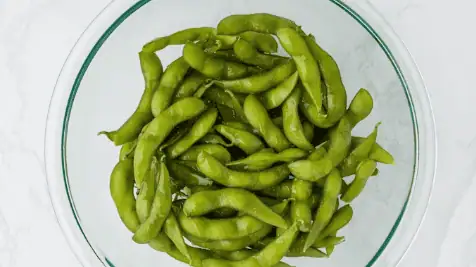
Edamame, young soybeans often served steamed, delivers a surprising amount of omega-3 fatty acids. It provides a plant-based option, ideal for vegans and vegetarians looking to diversify their nutrient intake. Steam them lightly to retain their vivid green color and firm texture, then sprinkle with sea salt or chili flakes for added flavor. Use these nutrient-dense beans in grain bowls, salads, or as a standalone snack. Their subtle nutty flavor pairs well with a variety of dressings and accompaniments, making them incredibly versatile.
Brussels Sprouts: Surprisingly Rich

Though often overlooked, Brussels sprouts are a substantial source of omega-3s, especially for a vegetable. Roast them in a hot oven to bring out their natural sweetness, achieving a caramelized exterior and a tender interior. Pair with a splash of balsamic vinegar or lemon juice to enhance their earthy flavor. For added depth, include nuts like walnuts or hazelnuts in the roasting pan, which also boosts omega-3 content. Serve them as a hearty side, or toss with quinoa for a nutrient-rich main dish.
Trout: A Heartfelt Choice

Trout, a versatile and nutrient-rich fish, brings a delightful blend of flavors and health benefits to the table. Rich in omega-3 fatty acids, it supports heart health and cognitive function. When preparing trout, consider baking it in parchment paper with a splash of lemon, fresh herbs, and a bit of olive oil to lock in moisture. This gentle cooking method elevates the fish's natural flavors while keeping it tender. Skin-side down in a hot pan will achieve a crispy texture, adding a pleasing contrast to its delicate flesh. Pair with roasted vegetables or a fresh salad for a balanced meal.
