
Top Fruits for Health, Ranked from Least to Most Nutritious
Exploring the world of fruits uncovers a plethora of nutritional benefits. Each fruit offers unique vitamins, minerals, and health-boosting properties. This guide ranks top fruits from least to most nutritious, highlighting key nutritional attributes and delicious ways to enjoy them.
15- Bananas: The Versatile Snack

Bananas stand out for their ease of consumption and natural sweetness. Rich in potassium, they support heart health and muscle function. Their soft texture makes them perfect for blending into smoothies or mashing into yogurts. For enhanced flavor, try caramelizing banana slices in a skillet with a touch of cinnamon.
14- Grapes: Small But Mighty

Grapes are a compact source of antioxidants, notably resveratrol, which promotes heart health. Their crisp skins and juicy insides offer a delightful texture contrast. Seedless grapes are perfect for snacking, while seeded varieties enrich salads and cheese boards. Freeze them for a refreshing, bite-sized treat.
13- Pineapple: Tropical Delight

Pineapple, with its bright, tangy flavor, is loaded with vitamin C and bromelain, aiding digestion. Its fibrous texture can be tenderized in cooking, making it ideal for grilling. Fresh pineapple chunks enhance salsas and desserts, while the juice adds a tropical flair to beverages and marinades.
12- Peaches: Juicy Summer Treats

Peaches offer a luscious bite with a burst of sweetness and a hint of tartness. Rich in vitamin C and antioxidants, they support skin health. When selecting peaches, look for fragrant and slightly soft fruits. They shine in baked goods, but also add fresh flavor to salads and beverages when sliced.
11- Apples: Crunchy Nutrient Powerhouse
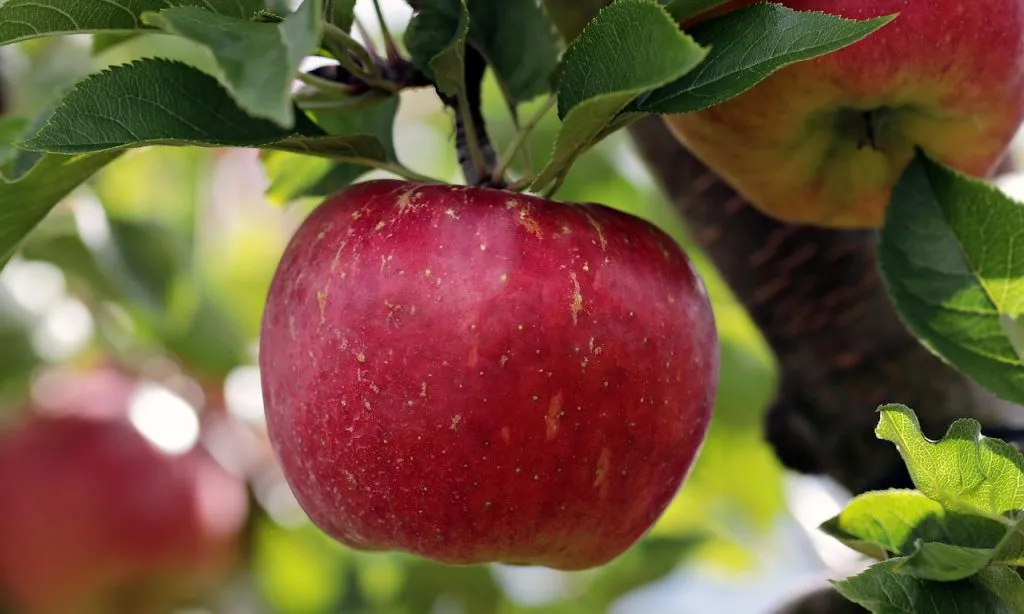
Apples are a staple in many kitchens, celebrated for their versatility and health benefits. Their crunchy texture is attributed to the unique composition of dietary fiber, particularly pectin, which aids digestion and promotes satiety. Rich in quercetin, a powerful antioxidant, apples help combat inflammation and support heart health. For maximum nutrient retention, enjoy them raw with their skin, where many of the vitamins and fiber are concentrated. Whether sliced into salads or simmered into sauces, apples provide a reliable boost to any meal.
10- Watermelon: Hydration Hero

Watermelon is not only a delightful summer treat but also a powerhouse of hydration and nutrients. Comprising over 90% water, it effectively quenches thirst while delivering vitamins A and C, which are crucial for skin health and immune function. The vibrant red flesh contains lycopene, known for its heart-protective properties. To enjoy watermelon at its peak, select one that feels heavy for its size with a creamy yellow underside. Serve chilled in slices or blend into smoothies for a refreshing dose of nutrients.
9- Oranges: Citrus Vitamin C Boost

Oranges stand out for their impressive vitamin C content, vital for maintaining a strong immune system and healthy skin. The juicy segments also contain flavonoids and fiber, supporting heart health and digestive function. When selecting oranges, opt for those with firm, smooth skin for the juiciest interior. To preserve their freshness and nutrient value, store oranges in a cool area and enjoy them as a refreshing snack or squeezed into a vibrant juice. Their zest can also enhance dressings and desserts.
8-Mangoes: Sweet Immunity Booster

Mangoes are known for their luscious sweetness and vibrant color, offering a significant source of vitamins A and C. These vitamins support immune health and eye care, making mangoes a delicious way to fortify your diet. To choose a ripe mango, look for ones that yield slightly to pressure and have a sweet aroma at the stem. Enjoy mangoes diced into salads, blended into smoothies, or simply savored fresh. Their natural enzymes, such as amylases, aid digestion, adding to their health benefits.
7-Cherries: Antioxidant Rich Gems

Cherries are cherished for their deep color and sweet-tart flavor, a reflection of their rich antioxidant content, including anthocyanins that fight free radicals and reduce inflammation. Tart cherry varieties are especially noted for their potential in muscle recovery and pain reduction. Select cherries that are firm and glossy for the freshest taste. Enjoy them raw, stirred into yogurt, or baked into desserts to capitalize on their health benefits. With each juicy bite, cherries deliver a concentrated dose of nutrition.
6-Strawberries: Heart-Healthy Berries

Strawberries are a vibrant choice packed with antioxidants like vitamin C and manganese, essential for heart health. Their natural sweetness lends itself to both desserts and salads. Always select berries that are firm and bright red; green or mushy spots indicate poor quality. To maximize flavor and nutrition, rinse strawberries just before use. Consider slicing them into a salad with goat cheese and walnuts, enhancing their savory potential while keeping calories low. This way, you preserve their texture and unique tart-sweet balance.
5-Kiwi: Vitamin C Superstar

The kiwi, often overlooked, is a powerhouse of vitamin C—a single fruit provides more than the daily requirement. Its bright green interior, dotted with tiny black seeds, offers a refreshing tang and silky texture. Peel the fuzzy skin easily with a spoon, or slice the kiwi crosswise for an attractive display. Incorporate kiwi into salsas or fruit salads for an exotic twist, or blend it into smoothies where its sharpness balances creamy ingredients. This fruit elevates dishes with a zesty kick and a vibrant color.
4-Blueberries: Brain-Boosting Berries
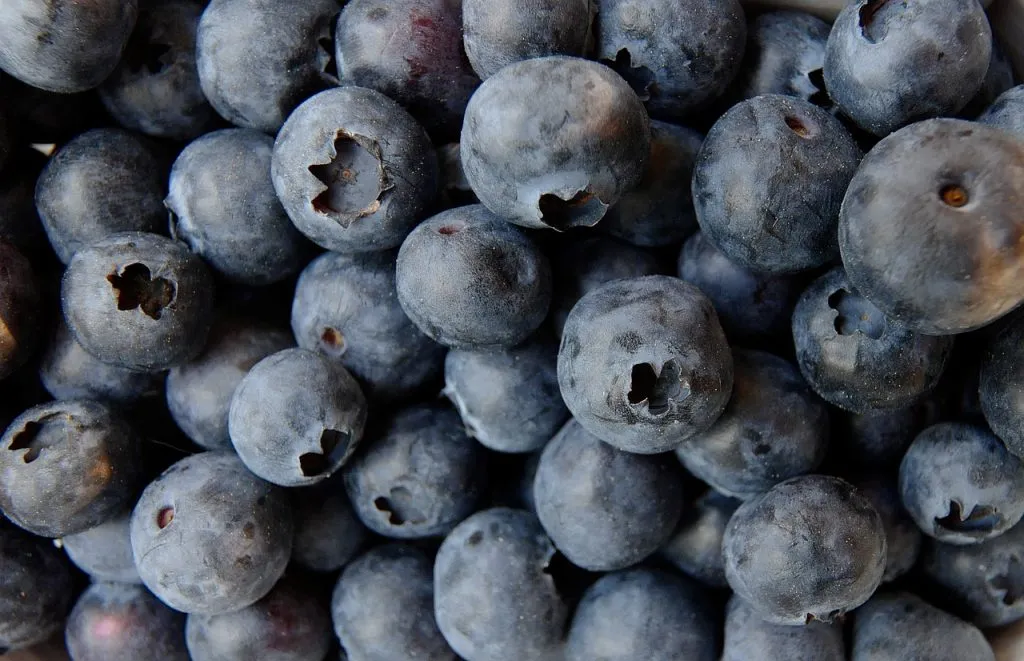
Renowned for their cognitive benefits, blueberries boast high levels of flavonoids that support mental function. Opt for plump, deep blue berries; a powdery surface bloom indicates freshness. Integrate them into your daily meals by tossing a handful into oatmeal or yogurt. When baking, coat blueberries lightly in flour to prevent them from sinking in batter. Their natural sweetness and juicy bite enhance muffins, pancakes, and even savory sauces for meats. Blueberries are both versatile and nutritionally substantial.
3-Guava: Hidden Nutritional Gem

Often underrated, guava is a nutrient-rich fruit with an abundance of fiber, vitamin C, and potassium. Its soft flesh and unique flavor suit both sweet and savory dishes. Select guavas that yield slightly to pressure, indicating ripeness. Use a sharp knife to remove the thin skin if desired, and slice through the aromatic, pink or white interior. Guava pairs well with citrus in salads or can be cooked into jams and sauces. This fruit’s versatility and rich profile make it a worthy addition to healthy meals.
2-Lemons: Detoxifying Citrus Power

Lemons, rich in vitamin C, offer detoxifying benefits and an unmistakable zesty flavor. Fresh lemons should feel heavy and firm, with a bright, glossy skin. Utilize both juice and zest to enhance everything from dressings to desserts. A simple vinaigrette can come alive with freshly squeezed lemon juice, while zest adds complexity to baked goods. To extract maximum juice, roll the lemon before cutting. Lemons provide a vibrant freshness, effortlessly elevating dishes with their bright acidity and aroma.
1-Avocados: Creamy Health Bomb
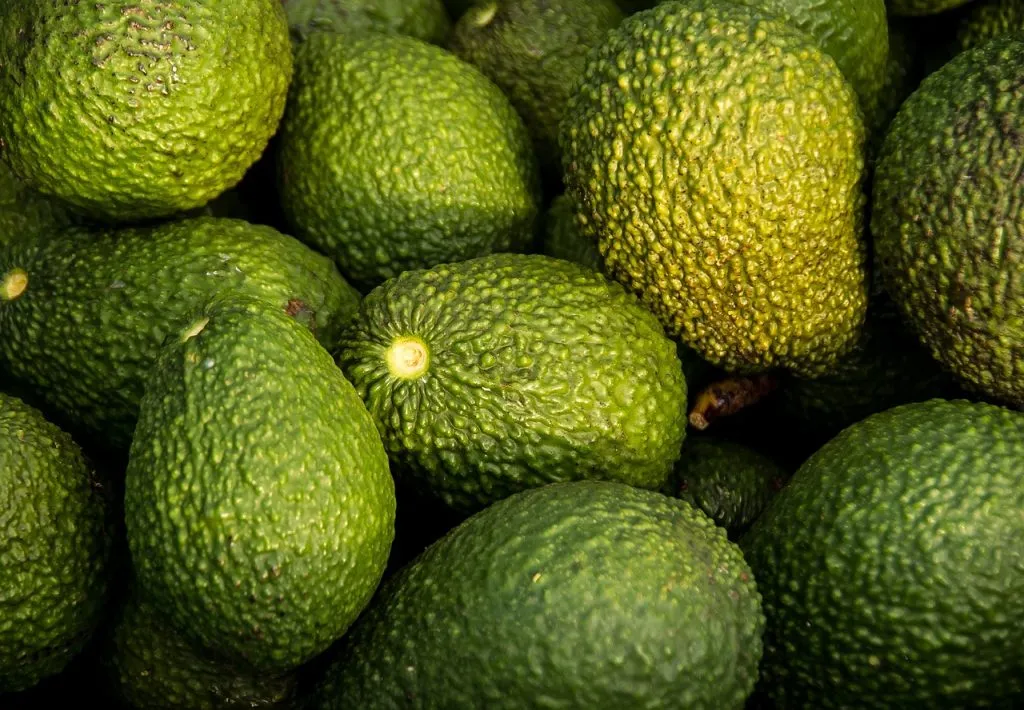
Avocados are a powerhouse of nutrition wrapped in a creamy texture that complements various dishes, from salads to smoothies. Their rich monounsaturated fats support heart health, while fiber aids digestion and keeps you satiated longer. Ripeness is key; a gentle press yields slightly for a ready-to-eat fruit. Enhance flavor with a dash of lemon or lime, balancing its natural richness. Store cut avocados with the pit and a squeeze of citrus to slow browning. Master the art of cutting safely by slicing around the pit and twisting the halves. Use a spoon to scoop out the flesh cleanly.
