
14 Foods and Beverages People Have Enjoyed for Thousands of Years
Throughout history, certain foods and beverages have been cherished for their enduring qualities and flavors. These timeless staples reveal much about ancient culinary practices and continue to enrich our diets today. From natural sweeteners and vital crops to robust seasonings, exploring ancient foods provides fascinating insights into their preparation and cultural significance. Here, we delve into four such foods that have stood the test of time, offering practical guidance on how modern cooks can integrate these historical staples into contemporary dishes.
Honey: Nature’s Ancient Sweetener

Honey's distinctive floral sweetness has been treasured for millennia. This natural preservative claims a unique place in culinary history due to its versatile uses. When incorporating honey into your dishes, remember its ability to retain moisture in baked goods, making it perfect for cakes and breads. Opt for raw, unprocessed honey to fully appreciate its complex flavors. Drizzle it over fresh cheese or use it to glaze roasted meats, allowing its caramelization properties to enhance the savory notes. Its antibacterial properties also mean that honey serves double duty in the kitchen, marrying taste with tradition.
Bread: Staple of Early Civilizations
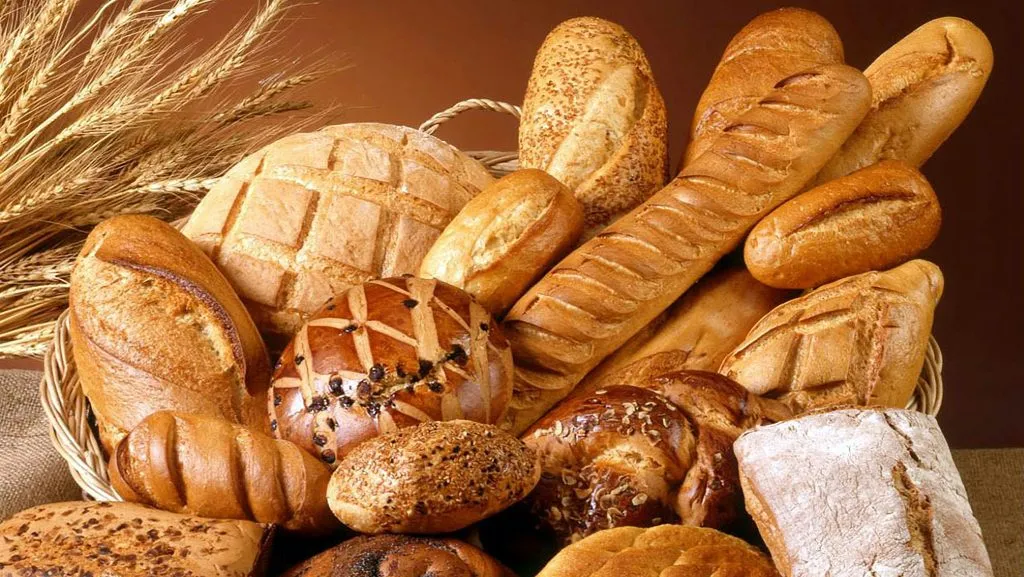
Bread, a cornerstone of various cuisines, has nourished humanity since ancient times. Crafting the perfect loaf begins with understanding your flour's protein content, which affects the dough's elasticity. For a chewy texture, knead thoroughly to develop gluten. Consider using a pre-ferment like a poolish or sourdough starter to impart depth and improve shelf-life. Always allow the dough ample time to rise in a warm environment for better flavor development. Baking until the crust is golden yields a delightful contrast to its soft interior. Enjoy it fresh or pair slices with olive oil for a simple, satisfying experience.
Garlic: A Spicy Healer
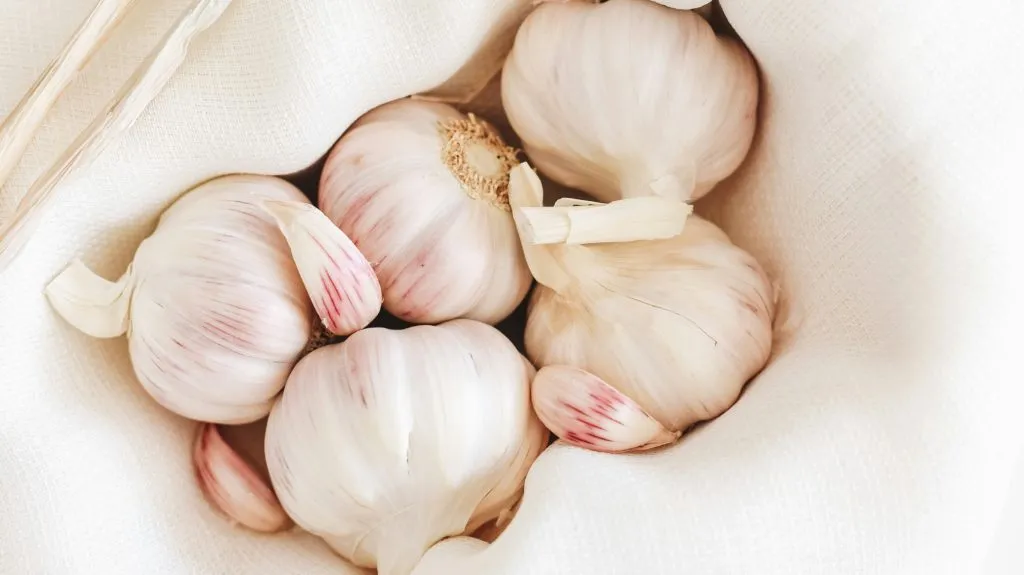
Garlic’s pungent aroma and health benefits have been harnessed for ages. Its preparation alters flavor intensity—slice or crush for a sharper bite, or roast it whole for a milder, nutty taste. For even distribution in a dish, consider mincing the cloves well. When sautéing, keep the heat moderate to avoid bitterness from over-browning. Add garlic towards the end of cooking to preserve its healthful compounds and fresh flavor. Beyond its culinary uses, garlic enhances dishes with its robust taste and contributes a layer of depth to everything from stews to dressings.
Olives: From Ancient Groves
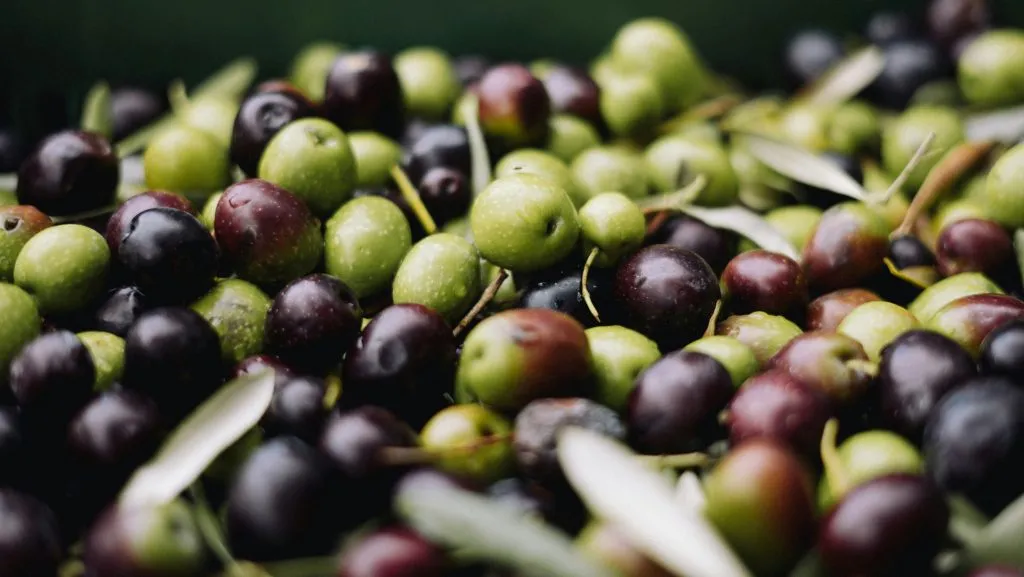
Olives, a symbol of peace and longevity, have flavored foods for millennia. The choice between green and black olives adds a unique dimension to dishes, with green offering a firmer texture and black imparting a richer, mellower flavor. Always rinse brined olives to moderate their saltiness before adding them to recipes. Incorporate them into salads, tapenades, or simply serve them with a drizzle of extra virgin olive oil and herbs. Their oil, a staple of Mediterranean diets, elevates everything from dressings to marinades, infusing dishes with a fruity elegance.
Wine: Nectar of the Gods

Wine, a craft honed over millennia, offers a symphony of flavors dictated by terroir, grape variety, and vintner's skill. Selecting the right glass enhances the aromatic experience; a wide bowl allows reds to breathe, while a slender flute preserves sparkling effervescence. For maximum flavor, serve red wines slightly below room temperature and whites well-chilled. Decanting older wines helps separate sediments and awaken dormant notes. Pair with complementary foods, like cheese or chocolate, to create harmonious culinary experiences that highlight its historical essence.
Cheese: Aged to Perfection
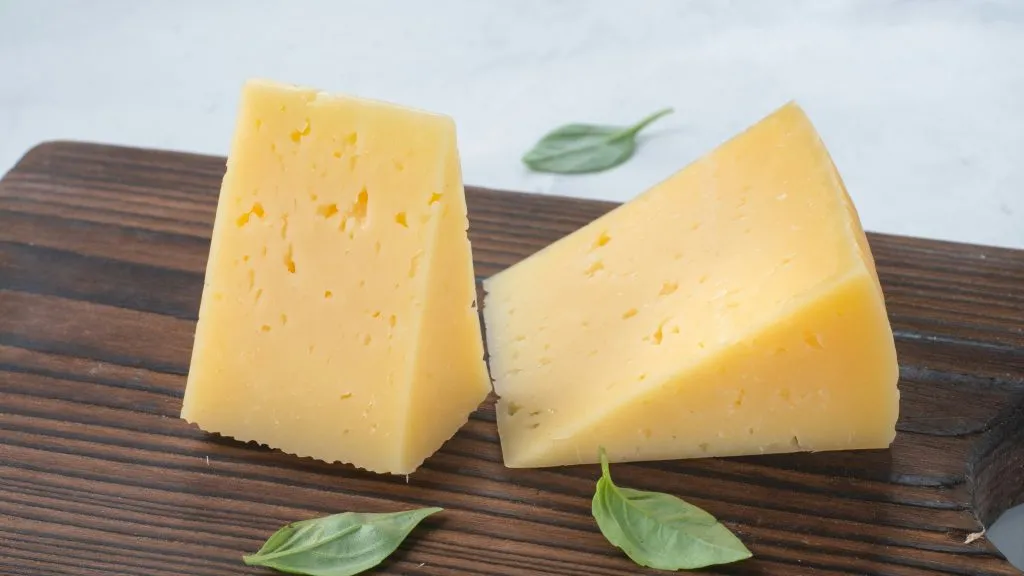
Cheese is a testament to the artistry of fermentation and maturation, offering a diverse range of textures from creamy Brie to crumbly Parmigiano-Reggiano. Proper storage, ideally in wax paper rather than plastic, maintains its natural moisture and prevents spoilage. Allow cheese to reach room temperature before serving to unlock its full flavor profile. Pairing cheese with nuts, fruits, or wine enhances its complexity, while grating freshly over dishes elevates simple meals to gourmet standards. Understanding the aging process is key to selecting the right cheese for your culinary needs.
Rice: The Lifeblood of Asia
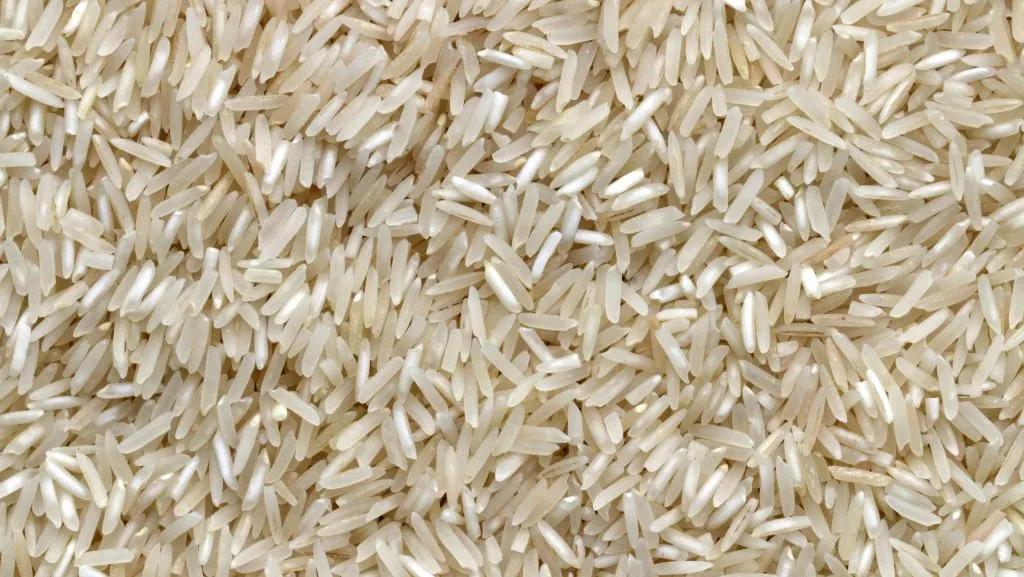
Cooking rice to perfection requires attention to variety and method. For fluffy, separate grains, rinse long-grain types like Basmati until water runs clear to remove excess starch. Utilize the absorption method for consistent results, maintaining a 1:2 rice-to-water ratio. Once boiling, reduce heat, cover, and refrain from lifting the lid to ensure even cooking. Let it rest post-cooking to firm up the texture. Incorporating aromatics such as cardamom or ginger infuses subtle nuances, transforming ordinary rice into a fragrant foundation for any dish.
Tea: Tradition in a Cup
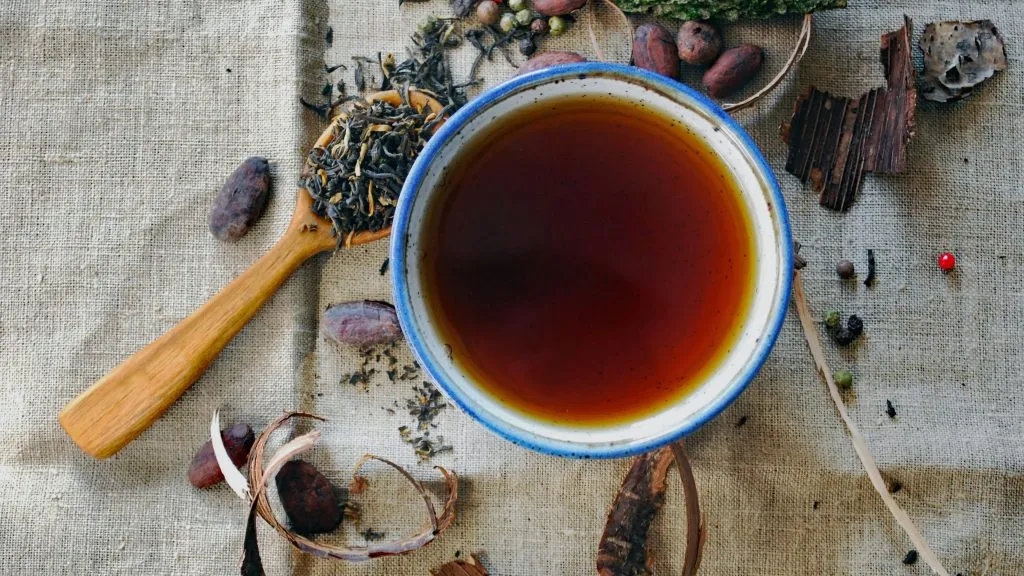
Tea preparation is an art form in precision, from selecting tea leaves to steeping durations. Use fresh, filtered water heated to optimal temperatures—black teas embrace boiling water, whereas green teas require cooler conditions to prevent bitterness. Measure leaves carefully, typically a teaspoon per cup, and steep in a suitable vessel. Time the process to suit the leaf type, enhancing flavor without over-extraction. Pair with light snacks or pastries for a traditional ritual, acknowledging tea's role as a soothing, historical beverage transcending cultures.
Lentils: Protein of the Past
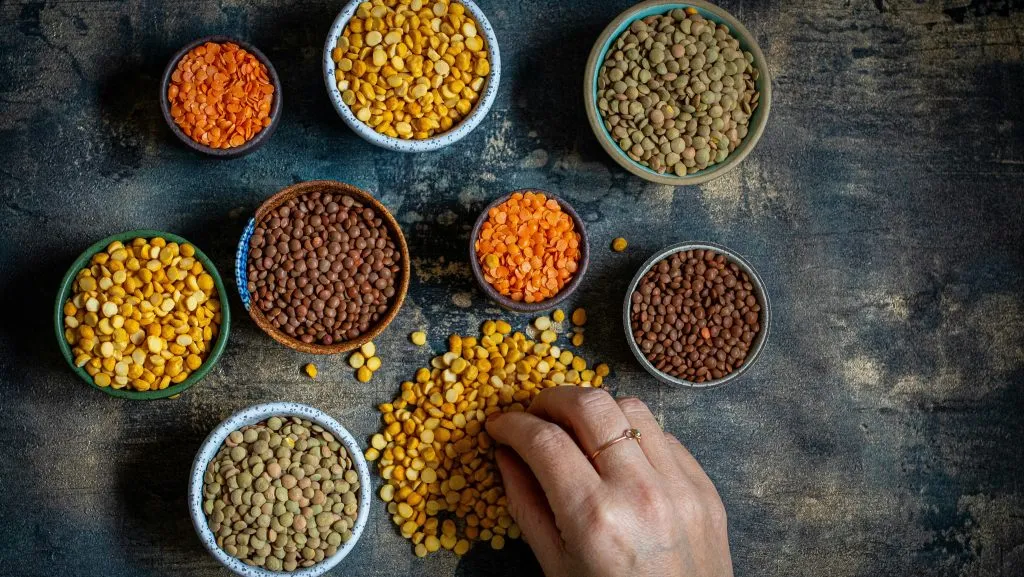
Lentils, praised for their nutritional abundance and adaptability, require minimal pre-cooking preparation. Rinse thoroughly to remove debris and boil with a pinch of salt to enhance flavor. Choice of lentil—brown, red, or green—affects texture; red lentils soften quickly for soups, while green and brown maintain shape in stews. Introduce aromatics like bay leaves or garlic during cooking to deepen taste. Simmer until tender but not mushy, then integrate into salads or curries. Their earthy, satisfying quality has cemented them as a staple throughout culinary history.
Figs: Ancient Delicacies
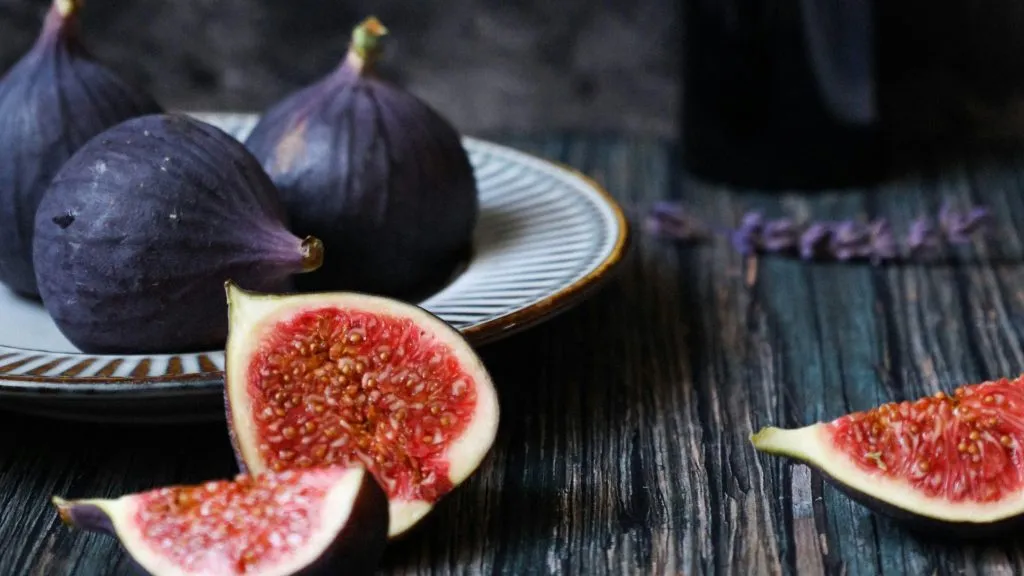
Figs have been cherished for millennia, valued for their natural sweetness and versatility. Rich in fiber and essential nutrients, they were revered by ancient civilizations, from Egypt to Greece. To enjoy figs at their best, choose ones that are plump and fragrant, indicating ripeness. Serve fresh figs sliced with goat cheese for a harmonious blend of flavors, or roast them with honey and cinnamon to enhance their natural sugars. Whether eaten fresh, dried, or in preserves, figs can elevate both savory and sweet dishes while honoring their rich history.
Dates: Desert’s Sweet Fruit
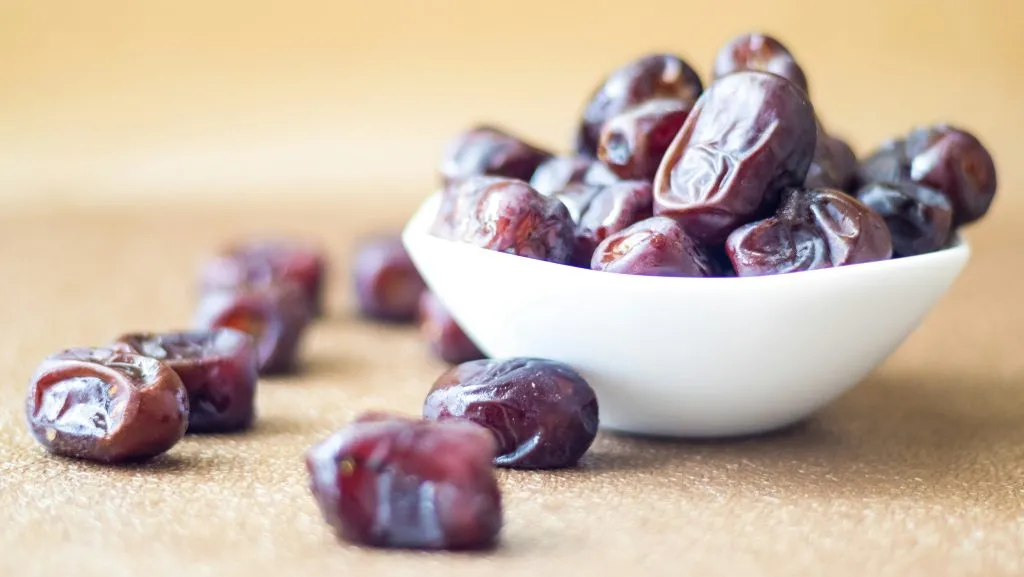
Dates, often called the jewels of the desert, have nourished people across arid regions for centuries. Their rich, caramel-like taste and chewy texture make them a staple in Middle Eastern cuisine. To select the best dates, look for those with a glossy, slightly wrinkled skin, ensuring they’re plump and not too dry. Stuff them with nuts or cheese for a sophisticated appetizer, or blend into smoothies for natural sweetness. Dates can be used to create delectable desserts or to impart a touch of richness to savory dishes, connecting us to their historical roots.
Beer: The World’s Oldest Brew

Beer has quenched thirst for thousands of years, originating from ancient Mesopotamia. It’s a beverage that owes its depth of flavor to the careful fermentation of grains. Home brewers and enthusiasts value the balance of malt sweetness and hop bitterness. Understanding the brewing process, from malting to fermentation, allows for a deeper appreciation of this craft. When pairing beer with food, consider complementing flavors: a robust stout with rich stews or a crisp lager with grilled meats. Celebrate beer’s storied past by exploring its diverse styles and regional specialties.
Pomegranates: Seeds of the Ancients

Pomegranates, with their jewel-like seeds, have been symbols of prosperity and health since ancient times. Known for their refreshing tartness and vibrant color, they enhance both presentation and taste. To effortlessly extract the seeds, roll the fruit gently before slicing in half and tapping with a wooden spoon. Mix the seeds into salads for a pop of flavor, or juice them for a tangy drink. Pomegranates offer antioxidants and nutrients, harmonizing with a variety of dishes while reconnecting us to traditions spanning several cultures.
Yogurt: Cultured Tradition
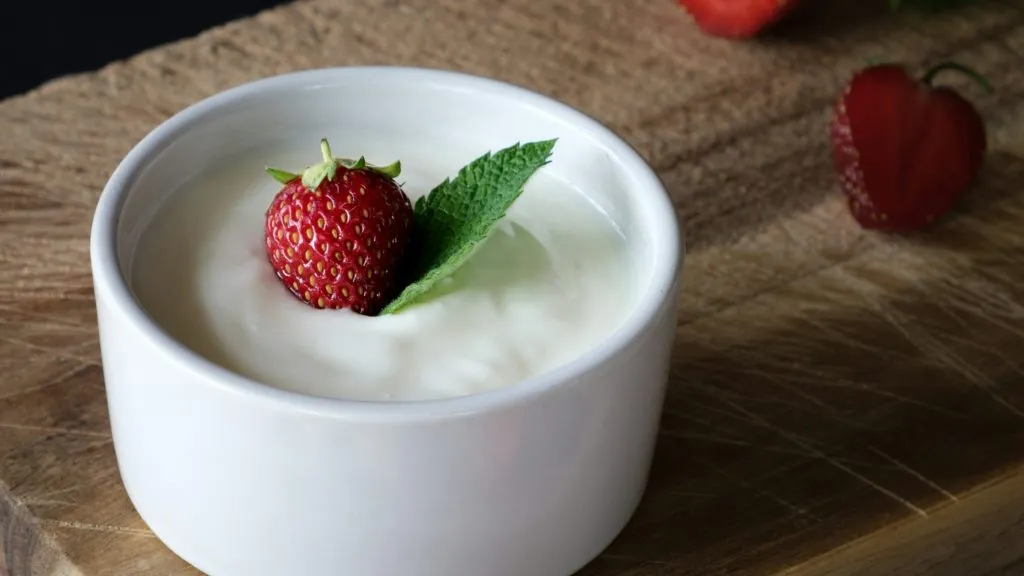
Yogurt has been a staple in diets across the world, providing a perfect balance of creaminess and tang. Created through the fermentation of milk by bacteria, it offers probiotics beneficial for digestion. For homemade yogurt, opt for high-quality milk and a reliable starter culture to achieve a smooth, rich texture. Use plain yogurt as a base for savory sauces or fruit parfaits, adjusting its thickness by straining or whisking. Yogurt’s versatility in sweet and savory applications highlights its enduring place in culinary traditions, while enhancing flavor and nutrition.
