
Banned by NASA: The Surprising Foods Astronauts Can’t Eat in Space
While astronauts enjoy a surprisingly varied menu, there are some common foods that are strictly off-limits on the International Space Station. We're not talking about exotic delicacies—we're talking about everyday favorites like bread, soda, and even salt and pepper! The reasons go way beyond personal preference. In the microgravity environment of space, something as simple as a stray crumb can float into sensitive equipment or get inhaled by an astronaut, turning a harmless snack into a serious safety hazard. From the fizz of carbonated drinks that behave unpredictably in zero gravity to the potent odors of garlic and onion that linger in enclosed quarters, NASA has carefully crafted a list of banned foods to keep astronauts safe, healthy, and comfortable during their missions!
Ready to discover the surprising science behind space dining? We're diving into why traditional ice cream is replaced with freeze-dried alternatives, why tortillas are the official bread of space travel, and why chocolate gets a special coating to prevent sticky, floating messes. You'll learn about the ingenious solutions NASA has developed—like liquid salt and pepper that won't drift away—and why fresh produce is replaced with freeze-dried versions to avoid spoilage and contamination. These restrictions aren't just about practicality; they're a fascinating glimpse into how humans adapt to one of the most extreme environments imaginable. So next time you enjoy a crusty baguette or a fizzy soda, take a moment to appreciate that simple pleasure—because in space, even the most ordinary foods need a cosmic makeover!
Crumbly Delights: Why Bread is Out

Bread, with its irresistible texture, poses significant risks onboard due to its propensity to produce crumbs. In the microgravity environment, loose crumbs can become airborne, potentially infiltrating sensitive equipment or causing harm if inhaled. Instead, astronauts opt for tortillas, which provide a more contained alternative, eliminating the risk of crumbs while delivering similar flexibility for sandwich-type creations.
The Fizz Factor: No Soda Allowed
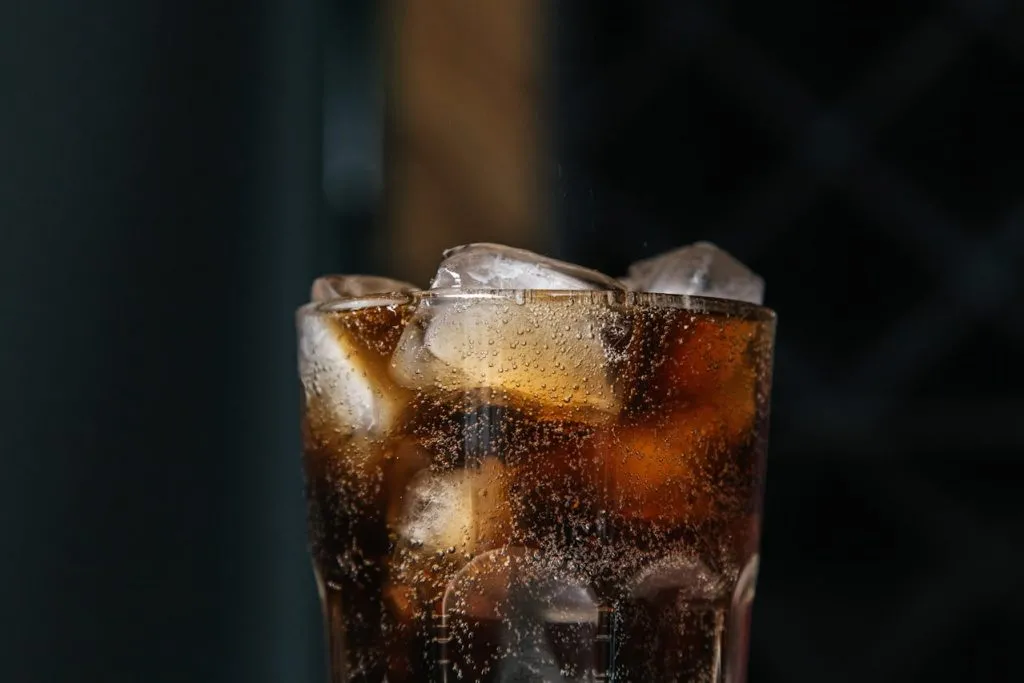
Soda's carbonation makes it unfeasible in space. Without gravity, bubbles don't rise and dissipate as on Earth, causing discomfort and bloating for astronauts. The gases behave unpredictably in the sealed environment of the space station. This restriction emphasizes the need for thoughtfully selected beverages that offer hydration without unwanted gaseous effects.
The Perils of Salt and Pepper
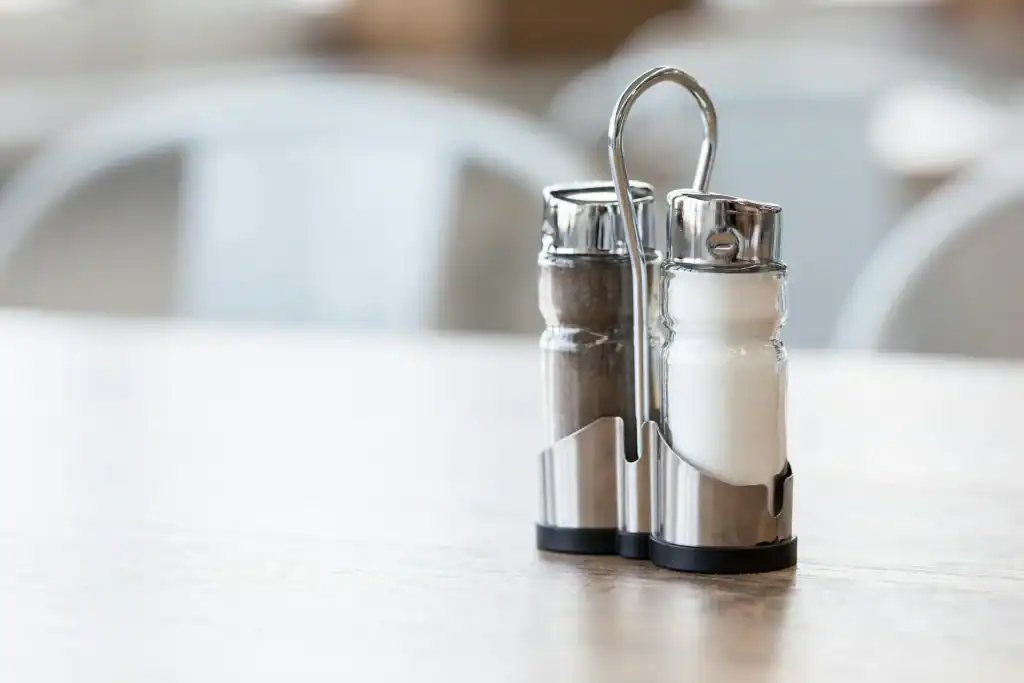
Traditional salt and pepper shakers are banned due to the mess free-floating particles can create. Such particles could damage equipment or cause respiratory issues. Instead, NASA provides these seasonings in liquid form, ensuring safe and controlled distribution. This adaptation retains the ability to enhance flavors without compromising the station's delicate environment.
Fresh Produce Problems
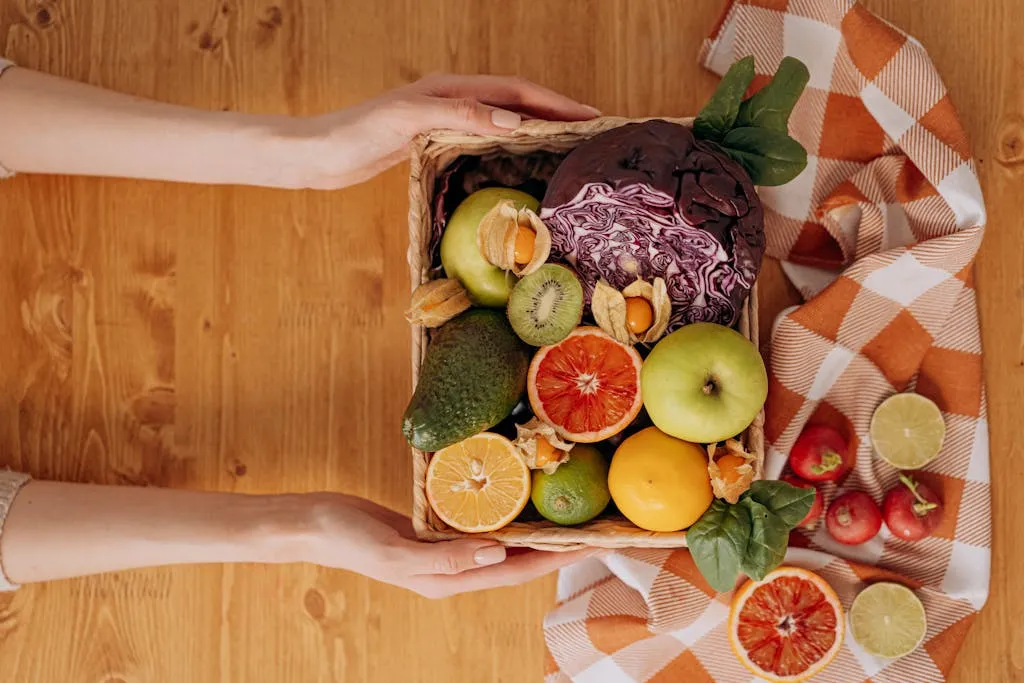
Fresh fruits and vegetables, while nutrient-rich, present spoilage and contamination issues in space. Moisture content in produce can lead to microbacterial growth and decay, risking both hygiene and equipment integrity. Freeze-dried alternatives offer a practical solution, preserving nutrients and reducing spoilage risk while providing the essential benefits of fruits and vegetables.
Not So Ice Cream: The Real Scoop
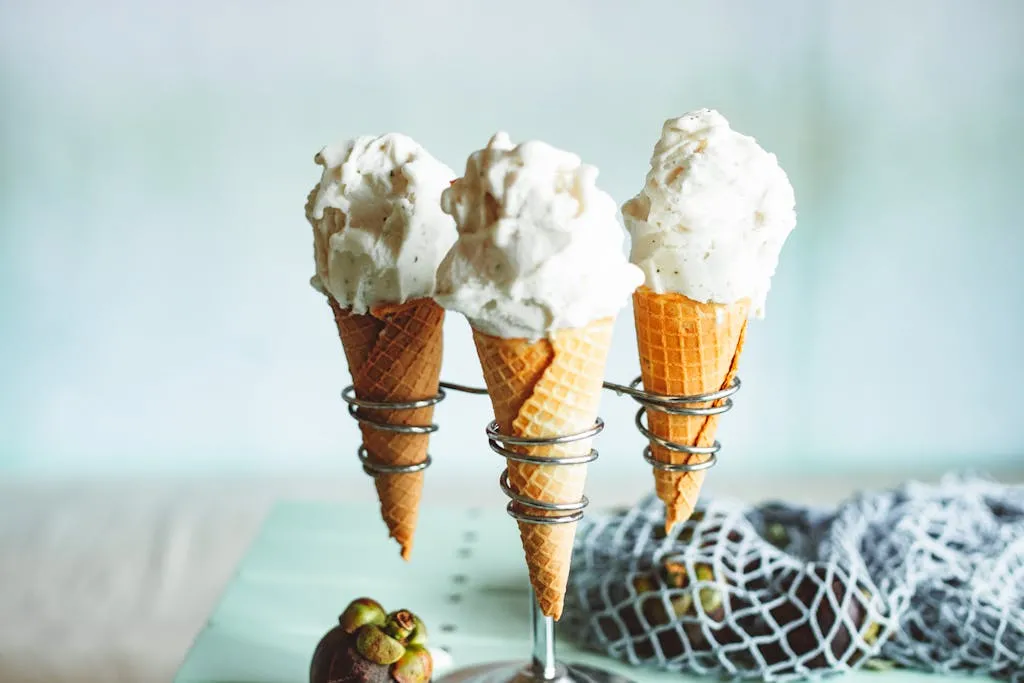
Ice cream is a beloved treat on Earth, but its absence in space is rooted in practicality. Traditional ice cream requires precise temperature control, which is challenging in zero gravity. Instead, astronauts enjoy freeze-dried alternatives. This method preserves the creamy texture and rich flavors without the need for refrigeration, while eliminating the risk of melting and sticky messes. Understanding this transformation from scoop to shelf-stable form highlights the ingenuity behind astronaut food preparation, catering to taste and texture without compromising space station stability.
Garlic and Onion: Too Pungent
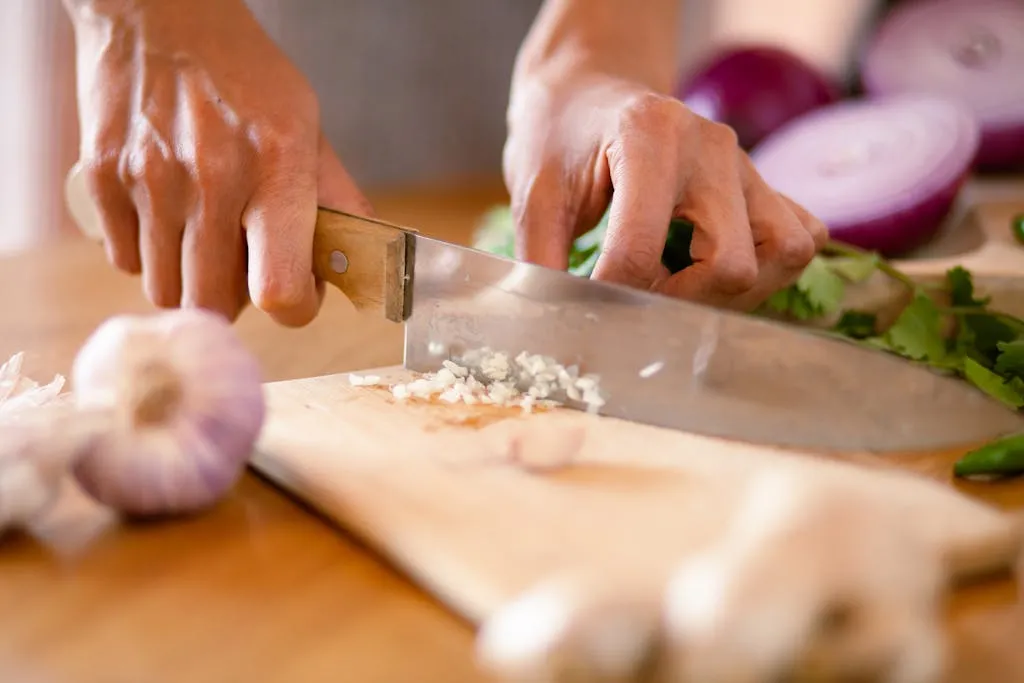
Garlic and onion, staples for depth and aroma, are avoided on the space station due to their strong odors. In an enclosed environment, these smells can linger and overpower other scents, making the living quarters less pleasant. Instead, astronauts rely on milder seasoning alternatives to achieve flavor complexity. Understanding the art of subtlety in seasoning is crucial when preparing dishes for sensitive environments, focusing on balancing flavors without overwhelming the palate or atmosphere, ensuring a more harmonious coexistence of tastes in confined spaces.
Fish and Seafood: Odor Overload
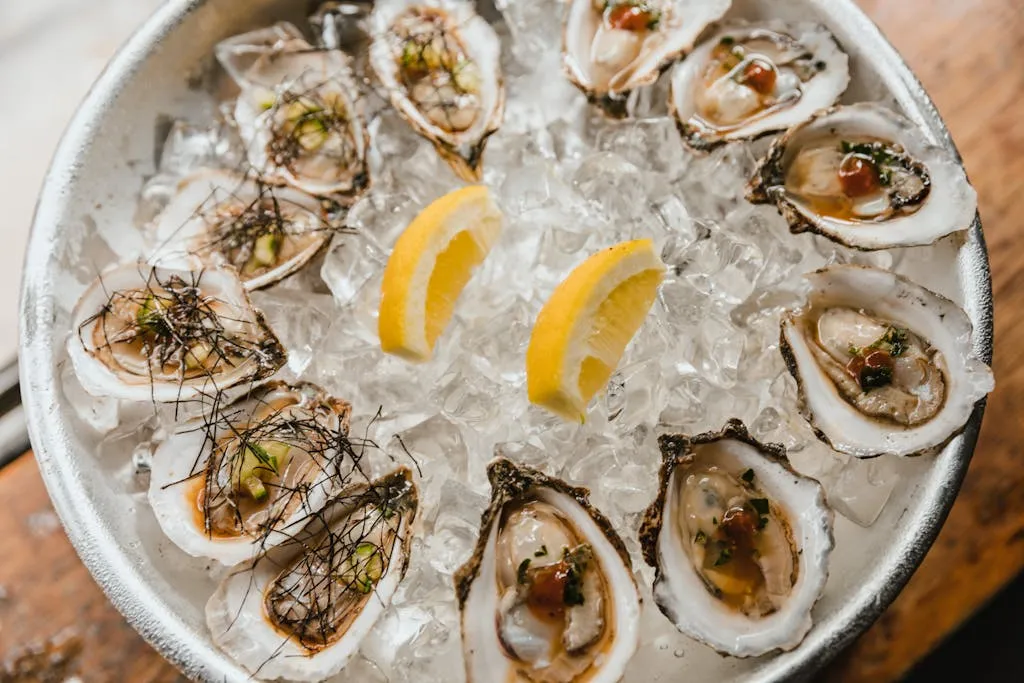
The potent aroma of fish and seafood is another reason these ingredients are off the menu aboard space stations. In confined quarters, even minor odors can become inescapable. To simulate the savory umami flavors they offer, astronauts turn to alternatives like canned meats and carefully crafted sauces. Grasping the impact of environmental limitations on ingredient choice encourages chefs to explore creative substitutions, ensuring flavor satisfaction without the risk of unpleasant lingering smells, maintaining a breathable and enjoyable atmospheric balance.
Uncontained Liquids: Spill Hazards
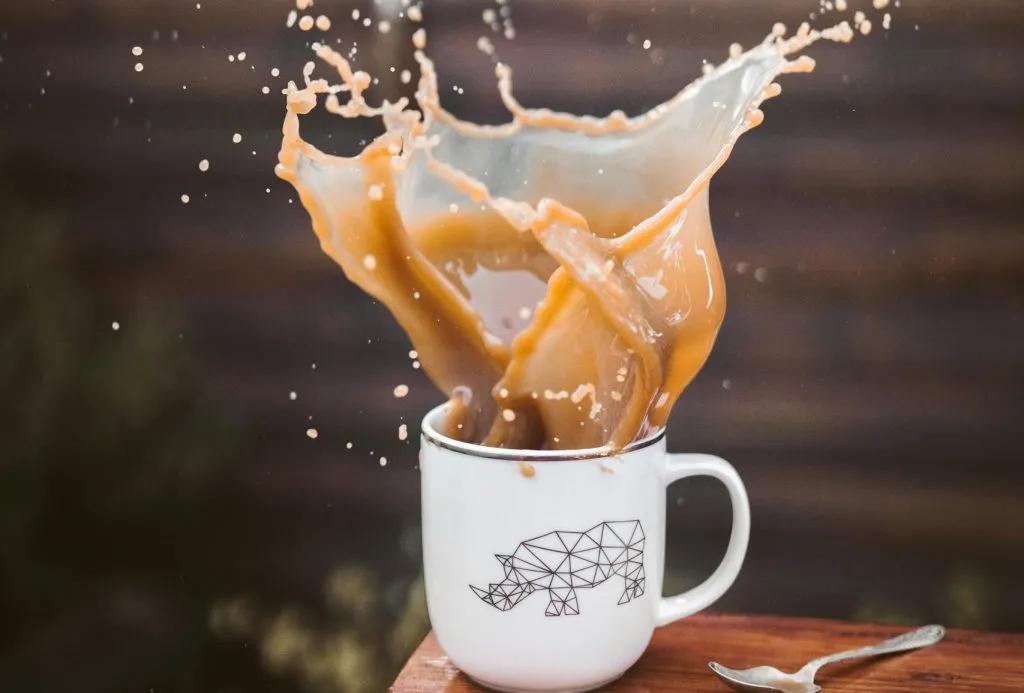
Liquids behave unpredictably in microgravity, forming chaotic spheres that pose threats to equipment and cleanliness. To prevent such hazards, foods must be adapted—think of sauces in squeeze bottles or drinks in sealed containers. This highlights the importance of control and packaging when preparing foods. The challenge of managing liquids urges home cooks to consider texture and consistency, focusing on thickening agents and containment solutions that ensure flavor integrity without compromising spatial safety, echoing the meticulous nature of space dining preparation.
Chocolate: Melt and Mess Issues
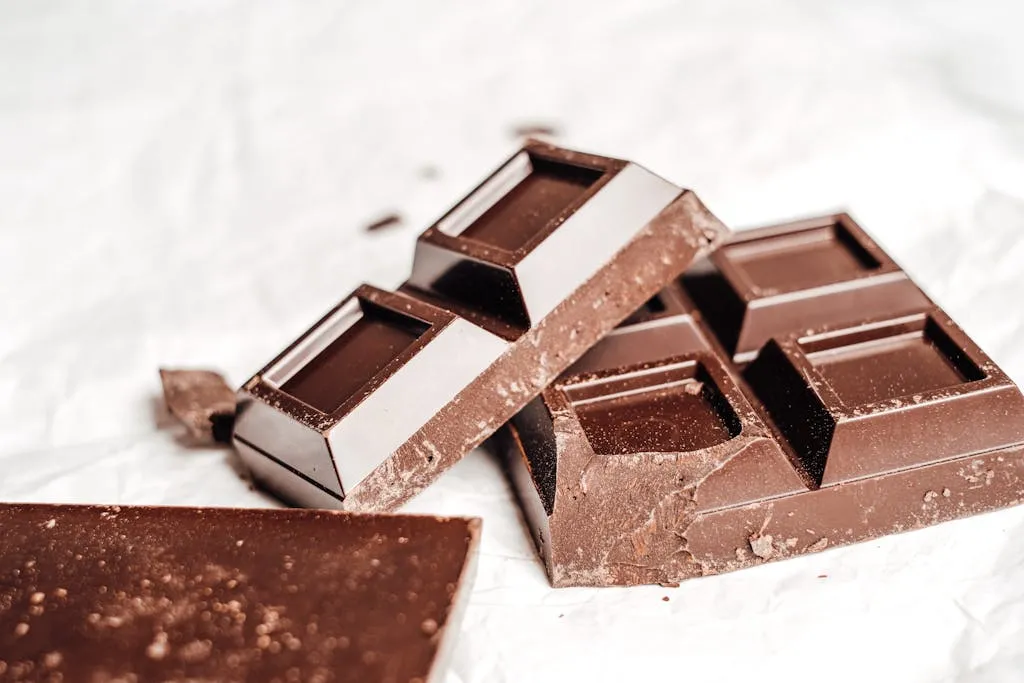
Chocolate, beloved for its rich flavor, presents unique challenges in a microgravity environment like the space station. The lack of regular gravity causes chocolate to easily melt, leading to sticky messes that are difficult to manage in a confined space. To prevent cocoa from drifting aimlessly and adhering to equipment, NASA opts for chocolate in sealed forms, such as bars with specialized coatings. These coatings minimize melting and stickiness, ensuring astronauts can still enjoy chocolate’s indulgent taste without the operational concerns it otherwise poses.
