
14 Essential Air Fryer Tips for Newbies
Air fryers have quickly become a kitchen staple for home cooks eager to enjoy fried foods with less oil. Whether you're new to this appliance or looking to refine your skills, understanding its quirks is essential. Mastering a few key techniques will elevate your air frying game, ensuring crispy, delicious results every time. These tips offer practical guidance to help you make the most of your air fryer and create meals that are both healthy and satisfying.
Avoid Over-Filling the Basket
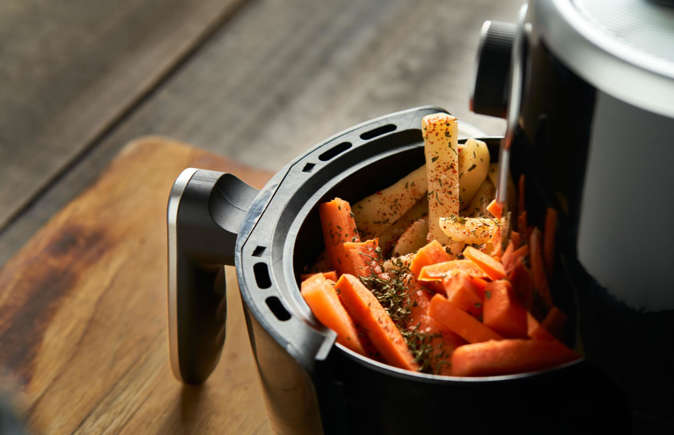
Achieving optimal crispness in an air fryer depends on proper airflow. Avoid over-filling the basket to ensure hot air can circulate evenly around the food items. Overcrowding leads to uneven cooking and soggy results. Arrange your ingredients in a single, loose layer with space in between each piece. If necessary, cook in batches; this small adjustment can significantly improve texture and flavor, making each bite crispy and delightful.
Clean After Every Use
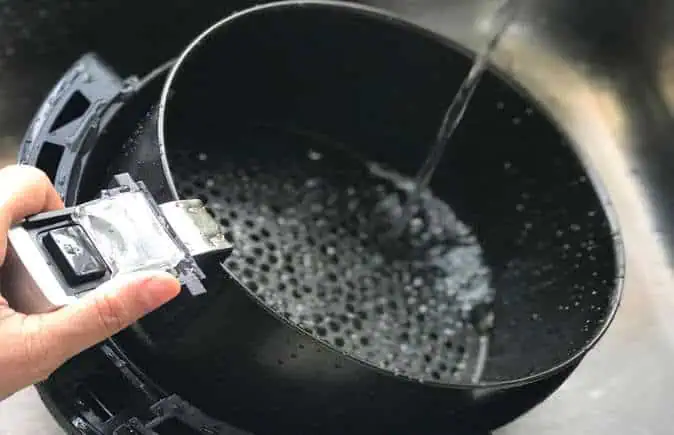
Regular cleaning of your air fryer is crucial for maintaining its performance and extending its lifespan. After each use, allow the appliance to cool, then remove and wash the basket and pan in warm, soapy water. This prevents residue build-up that can affect taste and cooking efficiency. Pay special attention to any small crevices where bits of food might hide. A quick wipe-down of the exterior and surrounding area ensures a fresh start for your next cooking session.
Mind the Air Fryer Space

Strategically placing your air fryer in your kitchen optimizes its use and improves safety. Ensure there's enough space around the appliance for proper ventilation to avoid overheating. The top and back need several inches of clearance from walls and other objects. Place it on a stable, heat-resistant surface to prevent any risk of tipping. A well-positioned air fryer operates more efficiently, cooks evenly, and fits seamlessly into your kitchen workflow.
Choosing the Right Size
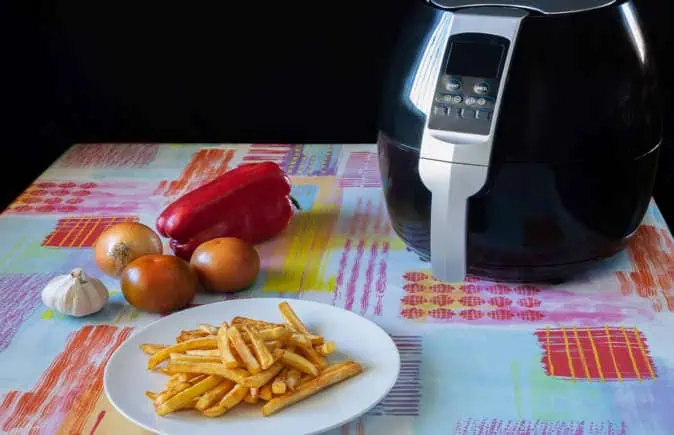
Selecting the correct air fryer size is vital for matching your cooking needs. Smaller models, suited for singles or couples, often provide quicker heating times. However, if you're cooking for a family or entertaining guests, a larger capacity means fewer batches and more efficient meal prep. Evaluate your typical portion sizes and consider future needs. A thoughtfully chosen air fryer size enhances convenience and maximizes the appliance’s potential.
Don't Forget to Preheat
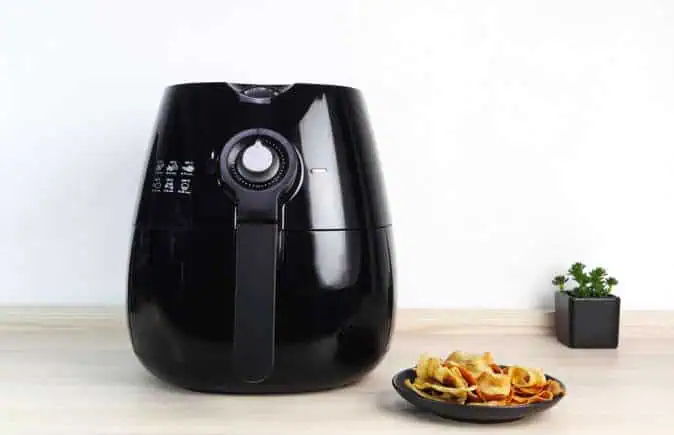
Preheating your air fryer is crucial for achieving optimal cooking results. Similar to an oven, allowing your air fryer to reach the desired temperature before introducing food ensures even cooking and crispiness. Typically, preheating takes about 3 to 5 minutes, depending on the model. This initial step is especially important for dishes that rely on a quick, intense heat to develop texture, such as fries or chicken wings. By consistently preheating, you set a controlled environment that helps maintain the integrity of your ingredients.
It's Not a Conventional Oven
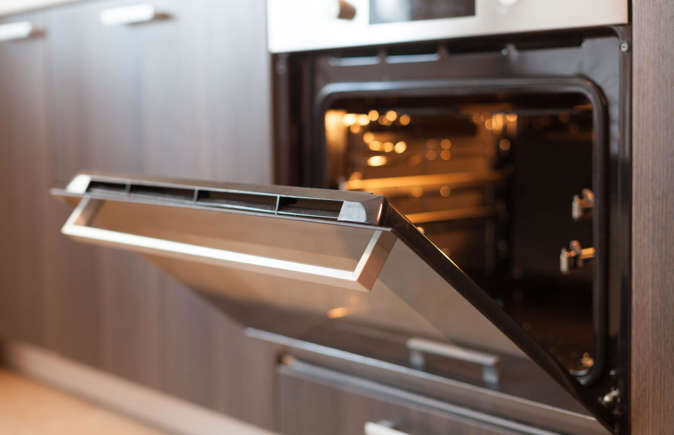
Understanding that an air fryer is not a miniature oven is key to mastering its use. Unlike conventional baking, air fryers circulate hot air at high speeds, mimicking the results of frying but without the need for excess oil. This method excels in rendering fat and creating a crispy exterior. Remember, foods may cook faster than in a traditional oven, requiring adjustments in cook times and temperatures. Embrace these differences by experimenting with small batches to find the right settings, optimizing the air fryer’s unique capabilities.
Check Your Food As It Cooks
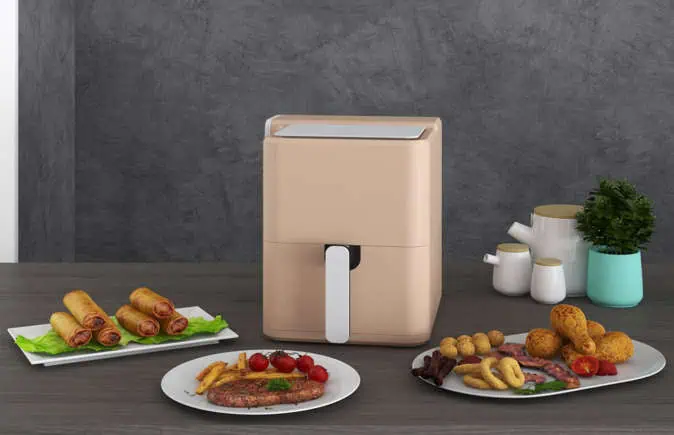
Regularly checking on your food as it cooks is vital when using an air fryer. Given the rapid cooking process, adjustments may be needed to prevent overcooking or uneven browning. Briefly pause the cycle halfway to flip or shake the basket contents. This fosters uniform texture and color, preventing hotspots. Observing your food also allows you to tailor cooking times to personal taste preferences—crucial for items like toasted nuts or delicate pastries that can quickly burn if left unchecked.
Don't Skip the Oil
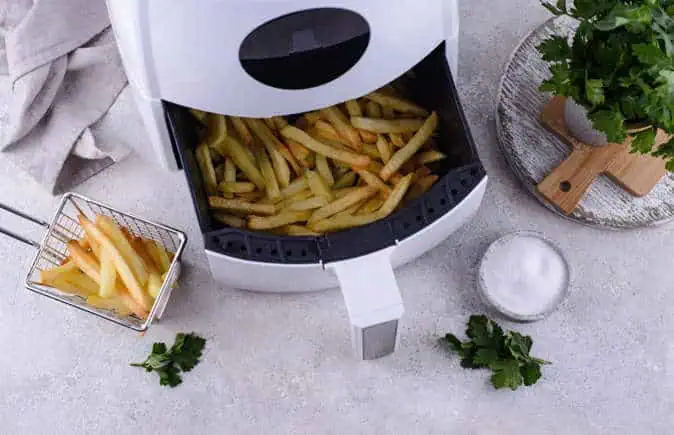
Though the air fryer reduces the need for deep frying, a light mist of oil is often necessary for the best results. A small amount aids in forming that coveted golden crust and enhances flavor. Use a high smoke point oil—such as canola or avocado—spritzed or brushed lightly over the food surface before cooking. Avoid using aerosol cooking sprays which can damage the non-stick coating. This technique brings out the best in items like vegetables and chicken breasts, assuring every bite is savory and satisfying.
Choose the Correct Setting
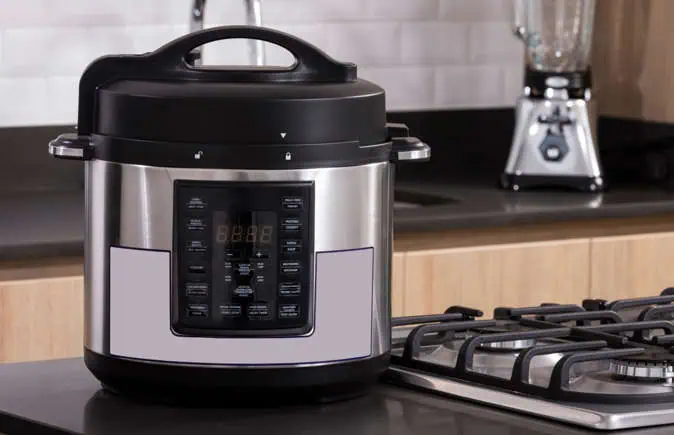
Selecting the appropriate setting on your air fryer can profoundly impact your dish's outcome. Most models offer presets like bake, roast, or air fry. Familiarize yourself with these options, as each is calibrated for different functions. For example, the ‘bake' setting is perfect for softer foods like cakes or casseroles, while ‘air fry' works best for items needing a crisp exterior. Trial and adjustments are your allies here. Understanding and utilizing these settings ensures precision and enhances culinary control over a broad range of recipes.
Avoid Lining the Whole Basket
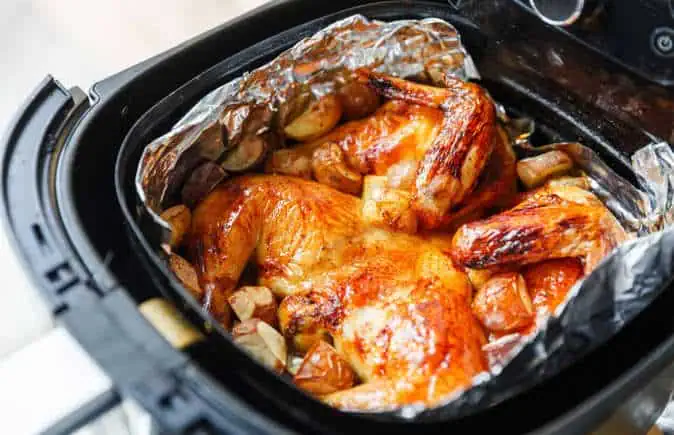
Resist the urge to cover the entire basket of your air fryer with foil or parchment paper. Full coverage can impede air circulation, a critical element for achieving the desired crispness. Instead, leave space around the edges, ensuring hot air flows freely. This allows food to cook evenly and reduces the likelihood of soggy results. Focus on maintaining this airflow, which is essential for mimicking the texture of fried foods with just a fraction of the oil.
Use Liners to Prevent Sticking
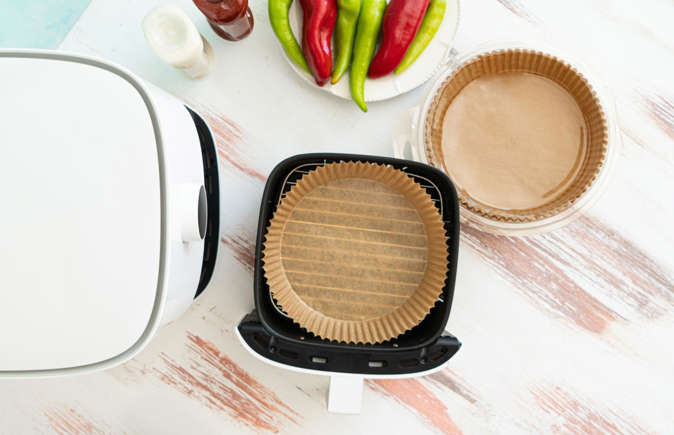
While it's vital not to line the entire basket, properly placed liners can prevent delicate items from sticking. Consider using perforated parchment paper, designed for air fryers, to allow air to circulate while safeguarding from sticking. This is particularly useful for foods prone to adherence, like marinated fish or juicy burgers. Make sure the liner is weighed down by the food to avoid it blowing around during cooking, which maintains safety and efficiency.
Soak Fries for Crispiness
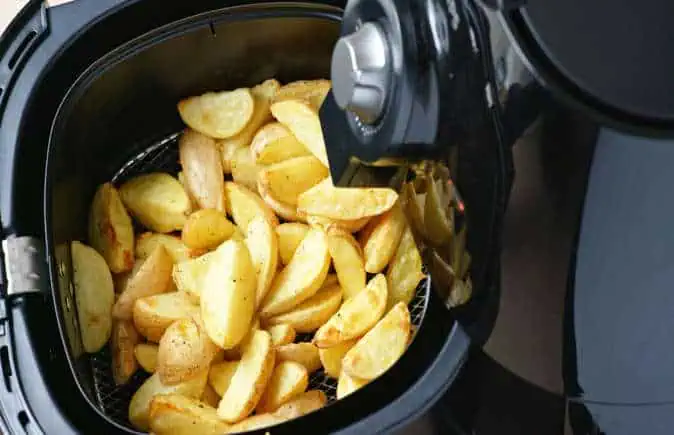
To achieve golden, crispy fries, soak your cut potatoes in cold water for at least 30 minutes before air frying. This process removes excess starch, which can prevent crisping and lead to soggy results. After soaking, dry the fries thoroughly with a kitchen towel, then toss them in a light coating of oil. This preparation step is key to producing the perfect texture, ensuring a crunchy outside and a tender inside.
Shake the Basket Mid-Cook
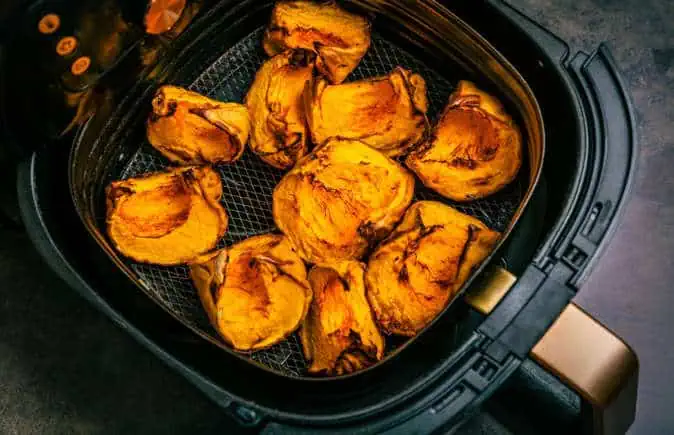
Shaking the basket during cooking ensures even exposure to heat and promotes uniform browning. For foods like fries or vegetables, a quick shake halfway through the cooking time redistributes items and prevents them from sticking together. This disrupts any cooking patterns that may form, aiding in overall crispness. Use this technique to address uneven cooking surfaces and achieve consistently delectable results every time.
Flip Food Halfway Through
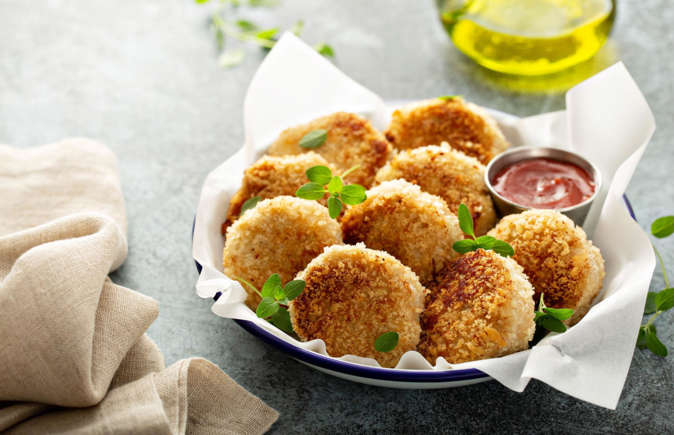
For foods that rest flat in the basket, such as chicken thighs or steak, flipping them halfway through cooking is essential. This step ensures both sides are evenly cooked and browned. Utilizing tongs, gently turn each piece over to expose the opposite side to the circulating hot air. This practice, combined with proper seasoning before cooking, enhances texture and flavor development, offering a professional touch to your home-cooked meals.
