
Not All Herbal Teas Are Safe for Diabetes—5 to Skip

When managing diabetes, herbal teas might seem like a beneficial choice. However, it's crucial to recognize that not all herbal infusions are suitable for maintaining healthy blood sugar levels. While many teas offer soothing flavors and health benefits, certain ingredients can adversely affect diabetes management. Understanding which herbal teas to avoid can help in making informed decisions that support your well-being.
Beware of Licorice Root Tea
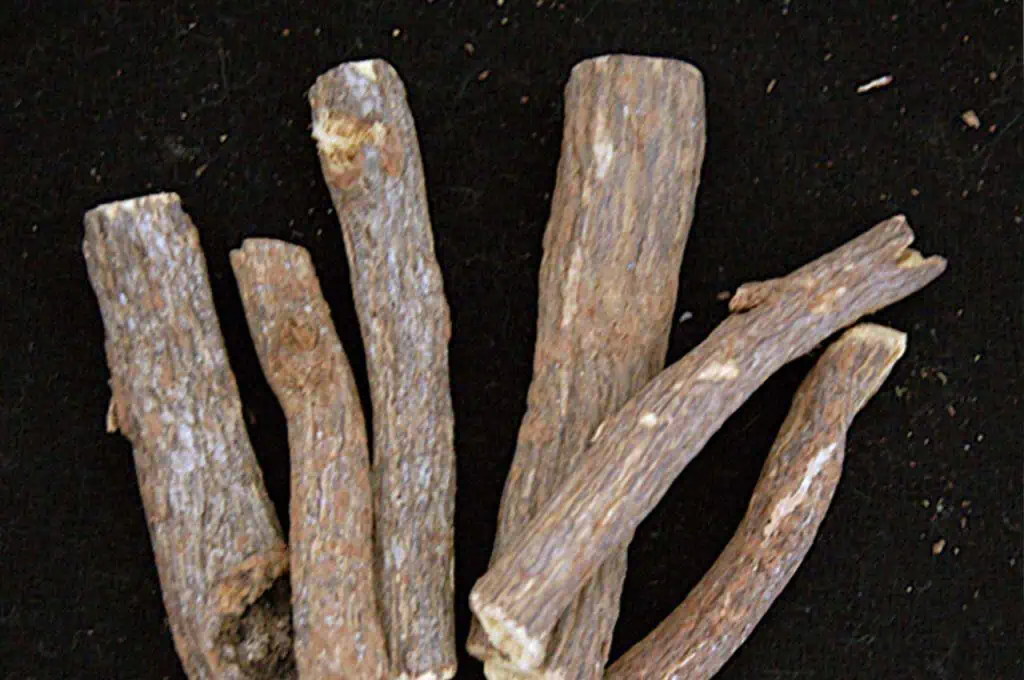
Licorice root tea is traditionally valued for its sweet and earthy flavor, but it can be problematic for those with diabetes. The active compound, glycyrrhizin, can interfere with blood sugar control, potentially leading to spikes. For those managing diabetes, it’s important to avoid licorice root tea or consult a healthcare professional before consumption, as it may exacerbate underlying conditions or interact with prescribed medications.
Ginseng Tea: Not Always Gentle

Ginseng tea is often enjoyed for its potential to boost energy and immunity, yet it can also influence blood sugar levels. Some studies suggest that ginseng may lower blood glucose, which seems beneficial at first glance. However, this effect can be unpredictable, leading to hypoglycemia if not carefully monitored. It’s wise to consume ginseng tea with caution and keep track of any changes in how your body responds to it.
Hibiscus Tea: Too Much of a Good Thing

Hibiscus tea, with its tart, cranberry-like flavor, is generally admired for its health benefits, including blood pressure reduction. Nevertheless, excessive consumption might affect blood sugar regulation. The tea's natural diuretic effects can also lead to electrolyte imbalances, complicating diabetes management. Moderation is key—it’s best to enjoy hibiscus tea in limited amounts and as part of a balanced routine.
Yerba Mate: Watch the Caffeine

Yerba mate is a caffeinated herbal infusion that offers a strong, earthy taste and a kick similar to coffee. For individuals with diabetes, the caffeine content can pose challenges, potentially impacting insulin sensitivity and causing fluctuations in blood glucose levels. Opting for caffeine-free herbal teas might be more prudent for maintaining stable blood sugar control. If enjoying yerba mate, moderation and monitoring your body’s reactions are essential.
Chamomile Tea: Surprisingly Risky
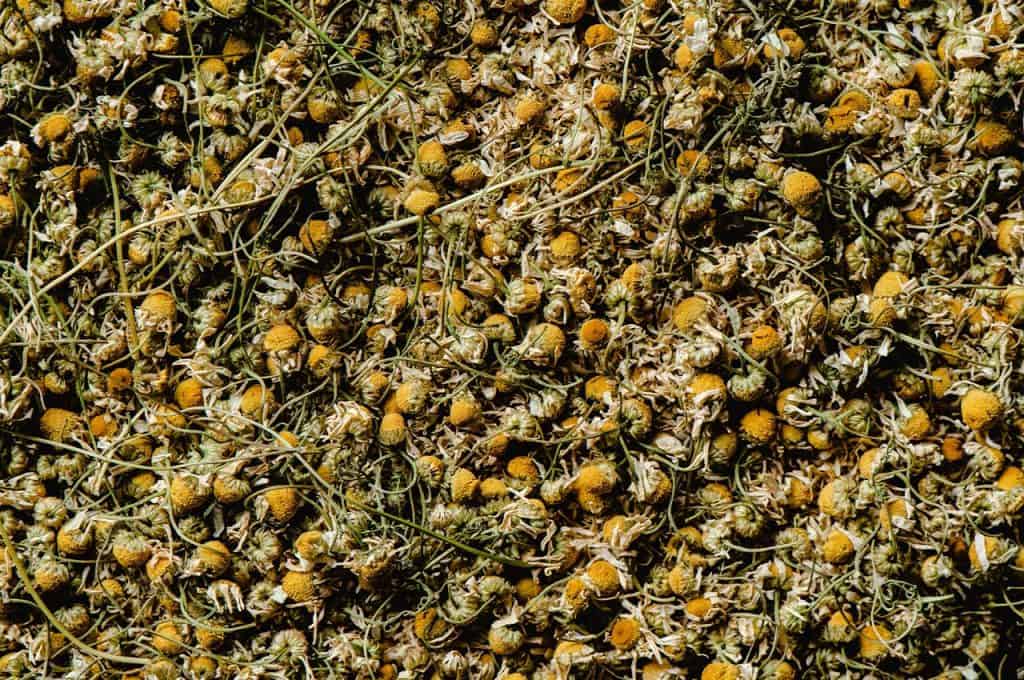
Chamomile tea is often lauded for its calming properties, yet it can pose a danger for those managing diabetes. While it may aid in sleep, some studies suggest it can interfere with blood sugar control. For individuals monitoring glucose levels, this seemingly benign brew might lead to unexpected spikes. Evaluate any chamomile consumption carefully, especially if paired with glucose-lowering medication. Opt for safer alternatives like green tea, which has beneficial effects on insulin sensitivity. Remember, herbal blends can have varied impacts, so always consider their full profiles.


