
10 Food Predictions Shaping Global Trends in 2026

Food trends in 2026 are being shaped less by novelty and more by pressure from cost, climate, health, and global connectivity. Consumers are demanding foods that feel practical, ethical, and culturally grounded, while still offering comfort and enjoyment. Technology, social media, and supply-chain realities are accelerating how quickly tastes shift across borders. Together, these forces are creating a food landscape where adaptability matters more than tradition alone, and where everyday eating choices reflect global change.
Plant-Forward Becomes the Default
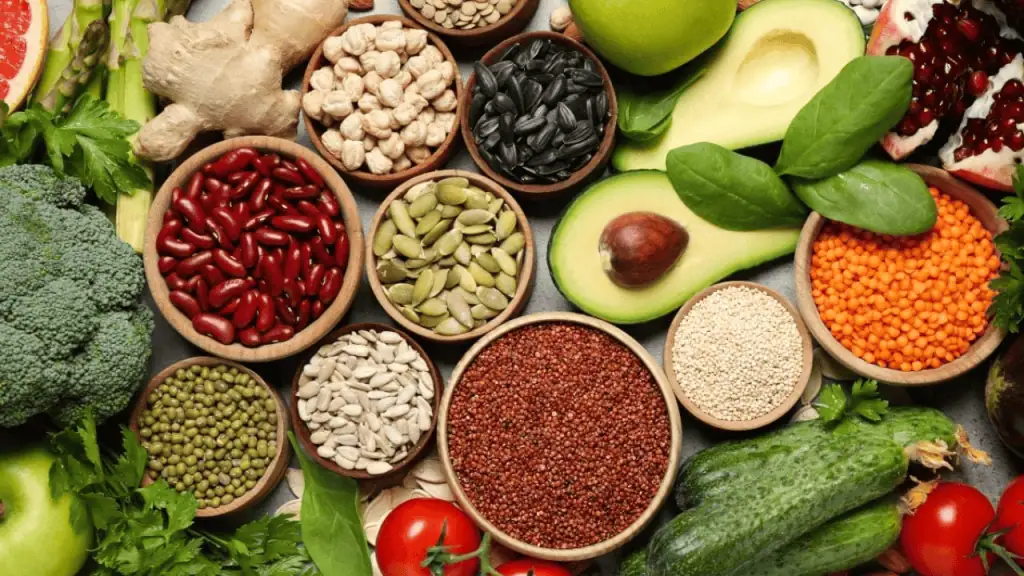
In 2026, plant-forward eating will no longer feel like a niche lifestyle. Instead of strict vegetarian labels, meals will naturally emphasize vegetables, grains, and legumes, with meat playing a supporting role. This shift is driven by affordability, climate awareness, and health considerations rather than ideology. Restaurants and home cooks alike are finding that plant-forward meals offer flexibility and satisfaction without requiring radical change.
Global Street Foods Go Mainstream
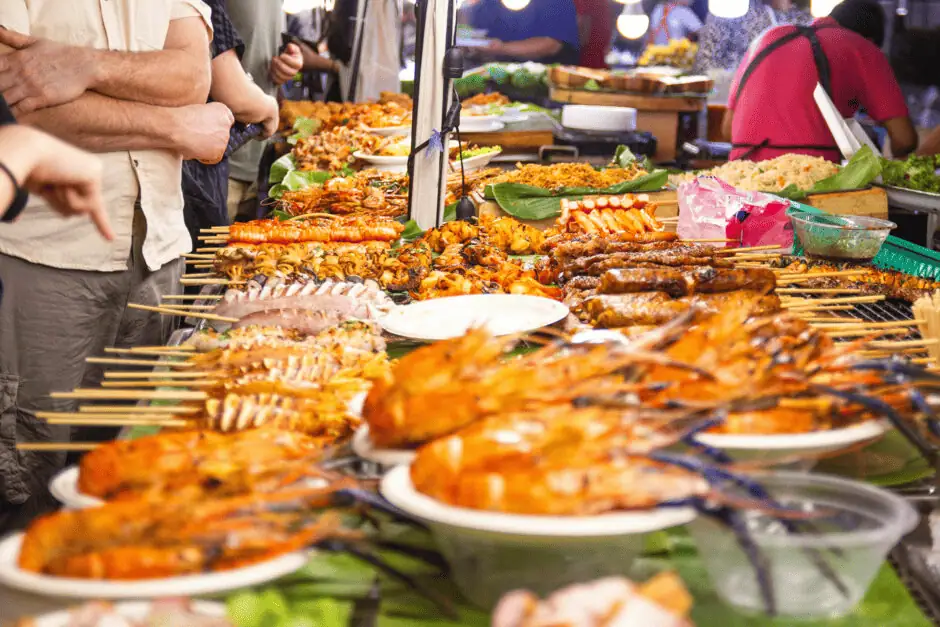
Street foods from around the world will continue moving into mainstream dining. Dishes once considered regional or informal are becoming normalized through travel, streaming content, and social media. In 2026, consumers are more comfortable with bold flavors and unfamiliar textures. This trend reflects growing cultural openness, where authenticity and storytelling matter as much as refinement or presentation.
Protein Gets Redefined

Traditional protein categories are being reexamined as consumers seek balance rather than extremes. In 2026, eggs, legumes, fermented foods, and blended proteins will gain more attention. The focus is shifting from quantity to efficiency and digestibility. This change reflects both economic pressure and evolving health priorities, encouraging diverse protein sources rather than reliance on a single dominant option.
Convenience with Fewer Ingredients

Highly processed convenience foods are losing appeal as shoppers scrutinize ingredient lists. In 2026, foods that promise simplicity, shorter labels, and recognizable components will dominate shelves. Convenience remains essential, but it must feel transparent. This trend shows how trust has become a deciding factor, with consumers favoring foods that save time without sacrificing perceived integrity.
Climate-Smart Choices Go Quiet
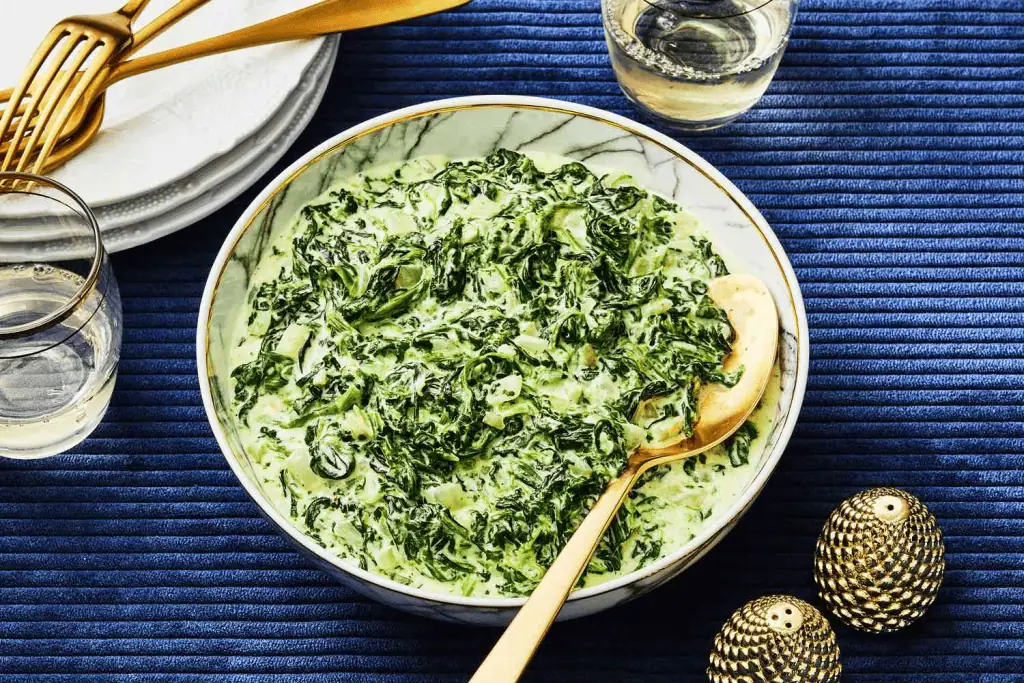
Climate-conscious eating in 2026 will be subtle rather than performative. Consumers are choosing foods that reduce waste, store well, and stretch across meals, often without labeling them as sustainable. Frozen vegetables, pantry staples, and leftover-friendly dishes will quietly shape diets. This reflects a shift from activism to practicality, where impact matters more than messaging.
Fermentation Gains Everyday Status

Fermented foods will continue moving from specialty shelves into daily meals. Yogurt, pickled vegetables, and fermented grains are gaining popularity for digestive benefits and flavor depth. In 2026, fermentation is seen less as a trend and more as a tool for preservation, nutrition, and taste. Its rise reflects renewed interest in traditional techniques that align with modern health goals.
Digital Platforms Drive Taste Faster
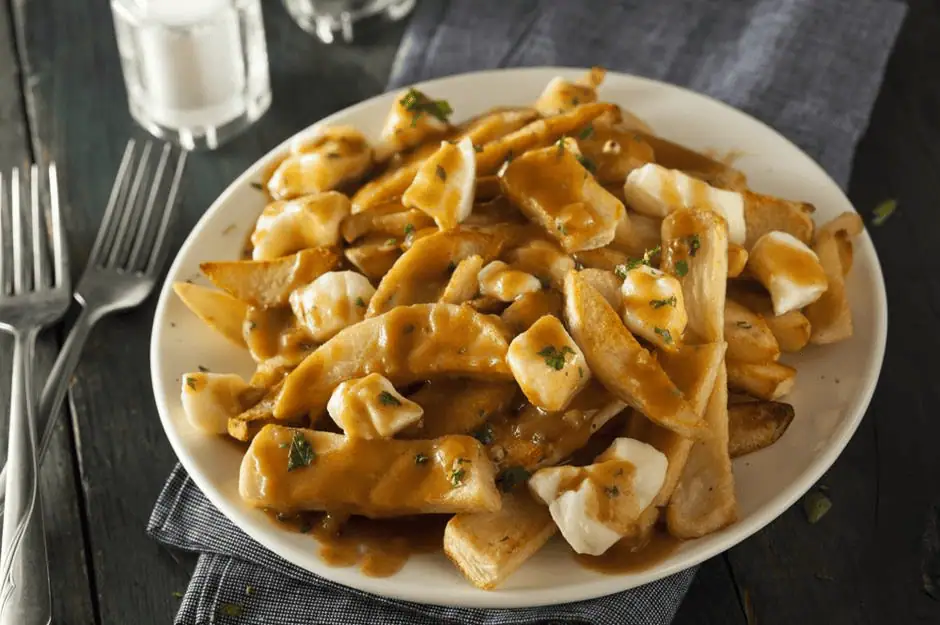
Social media and streaming platforms will increasingly dictate what foods gain global attention. In 2026, recipes, snacks, and regional dishes can go viral within days, shaping demand worldwide. This speed compresses food cycles, making trends rise and fade faster than ever. Visibility now plays a major role in determining what feels relevant, accessible, or desirable.
Affordable Comfort Foods Return

As economic uncertainty continues, affordable comfort foods will regain prominence. Simple dishes that feel filling, familiar, and emotionally grounding will dominate home cooking. In 2026, nostalgia-driven meals aren’t about the past; they’re about stability. This trend shows how emotional reassurance often influences food choices as much as nutrition or novelty.
Texture Becomes the New Flavor

Texture will play a bigger role in food appeal in 2026. Crunchy, chewy, and creamy contrasts are increasingly emphasized, especially in snacks and desserts. Consumers respond strongly to sensory experience, often before taste. This shift reflects how eating has become multisensory, influenced by visuals, sound, and mouthfeel amplified through digital media.
Food as Cultural Identity
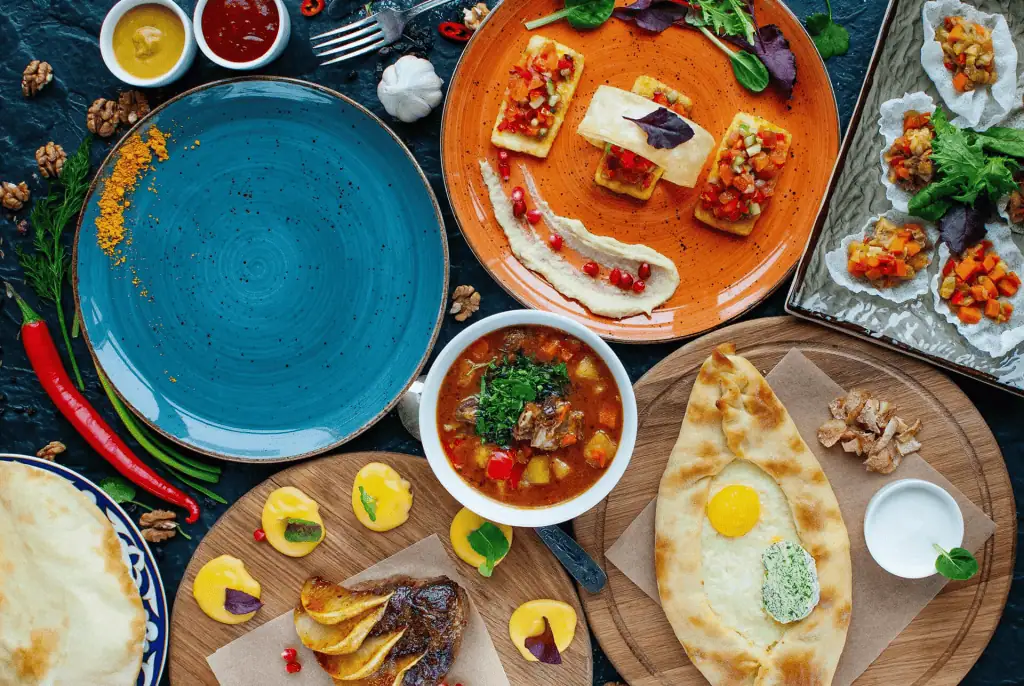
Food in 2026 will increasingly serve as a marker of identity and belonging. Consumers are drawn to dishes tied to heritage, region, or personal history. This isn’t about exclusivity but connection. As global access expands, people seek foods that feel rooted and meaningful. The trend highlights how food continues to anchor culture even as tastes globalize.


