
12 Modern Cooking Missteps

In the evolving world of culinary arts, even experienced home cooks can fall prey to common errors that can compromise the quality of their dishes. “12 Modern Cooking Missteps” sheds light on frequent oversights, offering practical advice to enhance your kitchen skills. This guide will help refine your techniques, ensuring each meal is crafted with care and precision. From understanding the nuances of ingredient handling to making the most of your tools, we'll delve into essential practices that elevate your cooking to new heights.
Neglecting Cast Iron Seasoning

Proper maintenance of cast iron cookware starts with building and maintaining its seasoning. This natural, non-stick layer improves with regular use of oil at moderate temperatures. To season, coat the pan lightly with vegetable oil, then bake at 450°F for an hour. Allow the pan to cool in the oven to strengthen the seasoning. Avoid using abrasive scrubbers; instead, opt for gentle cleaning with warm water and a soft cloth. This care ensures your cast iron remains a versatile and long-lasting kitchen ally, enhancing the flavor and texture of your dishes.
Discarding Valuable Bacon Grease

Bacon grease is liquid gold, offering a depth of flavor incomparable to more neutral oils. After cooking bacon, strain the grease through a fine sieve into a heatproof jar. Store it in the refrigerator, where it will keep for months. Use it to sauté vegetables, enrich baked goods, or replace butter in savory dishes for a smoky depth. Heated and whisked into vinaigrettes, bacon grease adds a luscious dimension. Repurposing bacon fat is both resourceful and flavorful, enhancing the richness of everyday cooking.
Overtrusting Measuring Cups
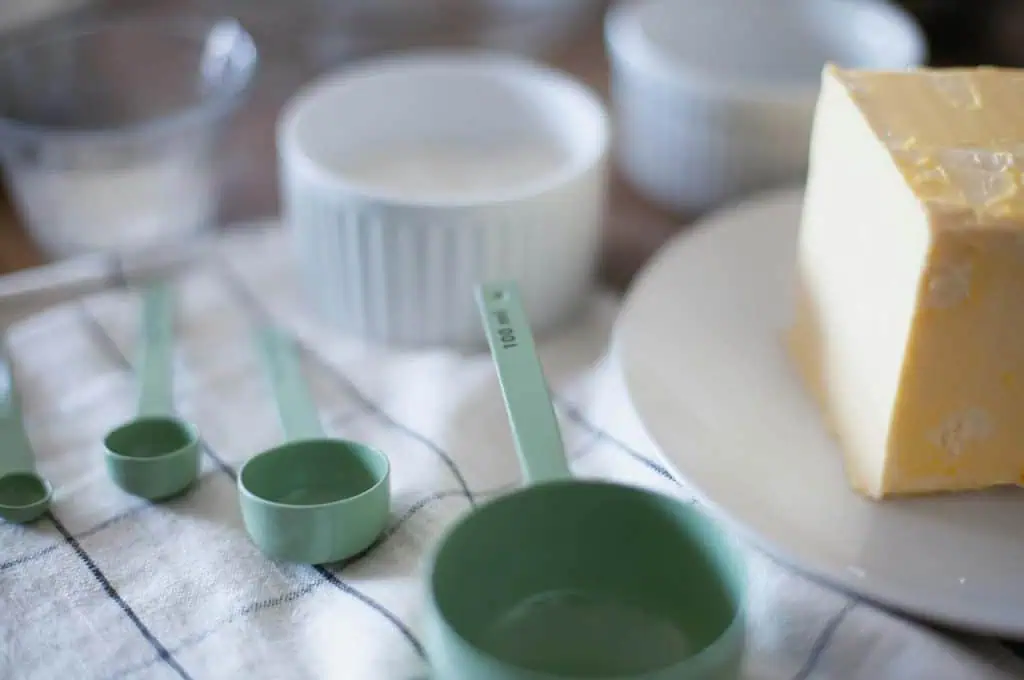
Relying solely on measuring cups, particularly for baking, can lead to inconsistencies. Frustrations often arise from packed flour or misjudged volumes. Weighing ingredients, especially flour, significantly improves precision. Use a digital kitchen scale: 1 cup of all-purpose flour should weigh approximately 120 grams. This method ensures accuracy and consistency, providing reliable results. For liquids, invest in a clear measuring cup for best readability. These small adjustments transform your baking experiences from arbitrary guesswork to scientific precision.
Wasting Flavorful Veggie Scraps

Vegetable scraps often hold a wealth of flavor that can elevate your cooking. Onion skins, carrot ends, and celery tops are perfect for homemade broths. Store scraps in a resealable bag in the freezer until you have enough to simmer with water, herbs, and spices for an hour, then strain. This simple practice reduces waste and infuses your soups, stews, and sauces with robust flavors. By harnessing these overlooked components, you transform leftovers into a resourceful base that adds depth and complexity to your culinary creations.
Relying on Pre-Made Ingredients
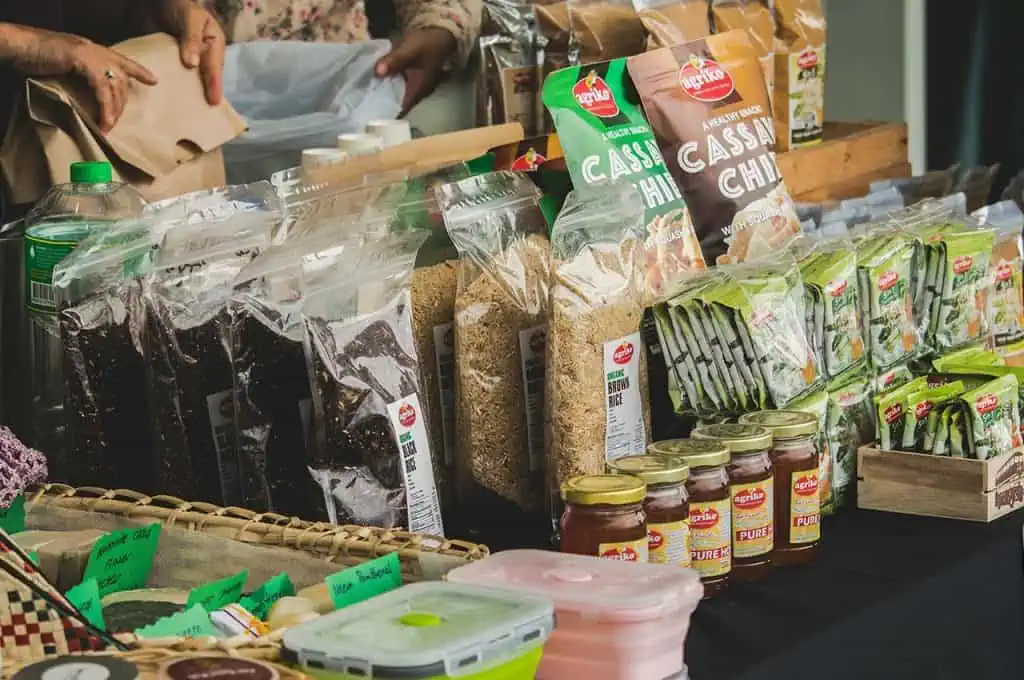
Leaning too heavily on pre-made ingredients can limit the flavor depth in your dishes. While they're convenient, try to balance their use with fresh components. For example, pre-packaged sauces often come with excess preservatives that mask delicate flavors. Instead, take a few extra minutes to blend fresh herbs and aromatic spices for a sauce that elevates your dish with complexity. Mastering foundational recipes like simple tomato sauce or broth can provide a versatile, flavorful base much superior to ready-made options.
Hurrying Stock and Soup Preparation

Rushing through stock and soup preparation often leads to a lackluster outcome. Let your stocks simmer gently over low heat, which allows the collagen and nutrients to fully release from bones, thus enriching the broth with depth and body. Skimming impurities as they rise ensures clarity and pureness in the final product. The patience exercised here creates a robust base for soups and sauces, offering a nuance that shortcuts simply cannot replicate. Quality stock is the backbone of many renowned dishes.
Ignoring Oven Temperature Accuracy

Overlooking the accuracy of your oven’s temperature can result in uneven cooking. Use an oven thermometer to ensure that the internal temperature matches its setting. Variations can impact the way baked goods rise or meat cooks. Calibrate your oven accordingly if discrepancies persist. This small step towards precision can change your cooking results significantly, leading to perfectly roasted vegetables or evenly baked pastries, thereby meeting the expectations set forth by recipes more reliably.
Skipping Meat Resting Time

Allowing meat to rest after cooking is crucial for juiciness and tenderness. Skipping this step results in dry cuts as juices pool rather than redistribute evenly. Letting meat rest, ideally under a foil tent, helps the fibers relax, retaining moisture within. For roasts or steaks, a rest period of at least 5 to 10 minutes ensures flavors have melded, offering a succulent experience with every bite. Effective resting is a professional touch that significantly improves your meat dishes.
Neglecting a Stocked Pantry

A well-stocked pantry is indispensable for spontaneous cooking. Keep staples such as high-quality oils, vinegars, and a variety of salts and spices. Canned tomatoes, beans, and grains like quinoa or rice provide a foundation for countless meals. Organize these essentials to spark creativity and adapt to fresh ingredients at hand. Having a comprehensive and diverse pantry reduces reliance on last-minute grocery runs, making it easier to whip up a meal that’s both satisfying and flavorful on any day.
Underestimating Butter's Impact

Butter is more than just a cooking fat; it's a flavor enhancer that brings depth to dishes. When melting butter, allow it to foam briefly so it browns lightly, releasing nutty aromas that amplify sauces and baked goods. Opt for unsalted butter to control sodium levels and emphasize its creaminess. Whip it at room temperature before incorporating it into batters for a lighter texture. When sautéing with butter, balance it with a splash of oil to prevent burning while maximizing its rich, savory notes.
Overlooking Fresh Herbs

Fresh herbs elevate dishes with vibrant aromas and nuanced flavors that dried varieties can't mimic. Add them towards the end of cooking to preserve their essential oils and freshness, like tossing chopped parsley over pasta just before serving. Basil, cilantro, and mint offer fresh brightness to salads and cold dishes. Store herbs in a damp paper towel in the fridge to extend their life. Remember, basil bruises easily, so tear it by hand instead of using a knife. Experiment with combinations, such as thyme with lemon or rosemary with citrus.
Forgetting to Season Continuously

Seasoning throughout the cooking process layers flavors and enhances complexity. Salt draws out moisture and intensifies natural flavors when used judiciously. Season proteins both before cooking and during, for a well-rounded, savory finish. Taste sauces incrementally, adjusting with salt, acid, and sweetness as needed. Adding pepper early in cooking allows its heat to disperse, while a fresh grind before serving gives dishes a fragrant, spicy kick. Understand the power of acidity in balancing flavors with citrus or vinegars, enhancing the seasoning progression.


