
McDonald’s Through the Decades: Menus by Birth Year

Tracing McDonald's evolution through the decades offers a unique perspective on American culture and global trends. This overview explores how menus adapted to societal changes and customer preferences, reflecting broader shifts in dining habits. Each era brought innovations that reshaped fast food, tapping into emerging tastes and technologies that defined generations. By examining these developments, we gain insight into how McDonald’s became a fixture in countless communities, influencing both daily routines and culinary landscapes.
The 1940s: Beginnings of a Fast Food Icon
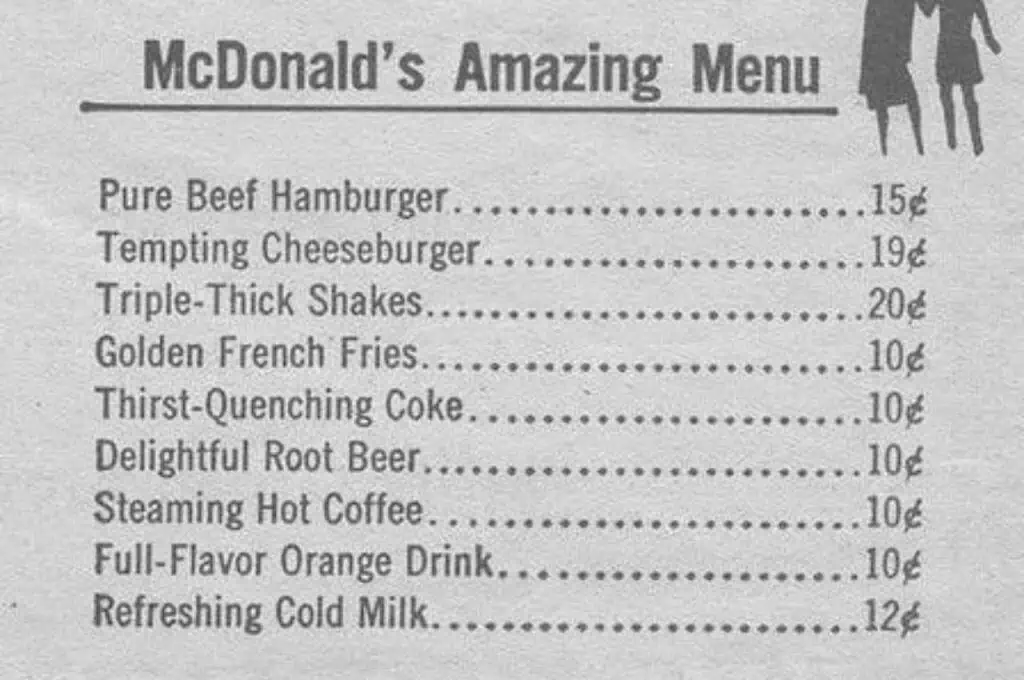
In the 1940s, McDonald's began as a modest drive-in in San Bernardino, California. The introduction of the “Speedee Service System” revolutionized fast food by emphasizing efficiency and consistency. This assembly-line approach allowed them to serve burgers, fries, and milkshakes quickly and affordably. The focus was on quality and simplicity, offering a dependable menu that laid the groundwork for future expansion. Their ability to standardize cooking methods set a new industry benchmark, making fast food more accessible to the masses.
1955: The Birth of the Golden Arches
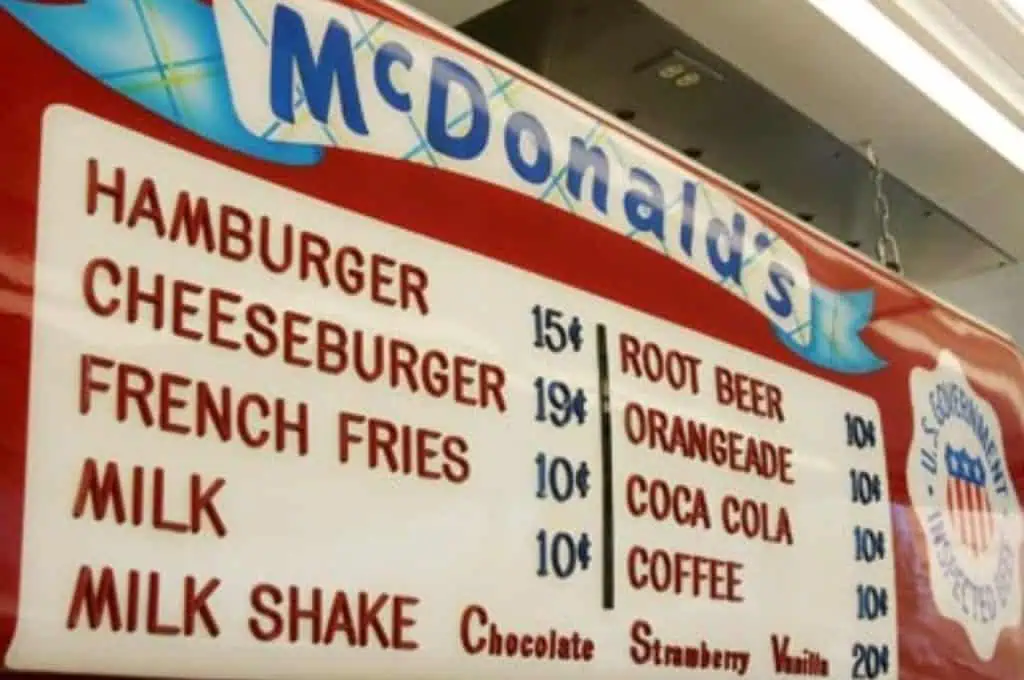
The year 1955 marked the opening of the first McDonald’s franchise by Ray Kroc in Des Plaines, Illinois. The distinctive Golden Arches became synonymous with the brand’s commitment to consistent quality and efficient service. Kroc’s vision extended beyond food to include a recognizable aesthetic that reinforced brand identity. The franchise model transformed the business, encouraging expansion nationwide. The streamlined menu featured hamburgers, fries, and shakes, with an emphasis on maintaining a uniform dining experience everywhere.
1965: Big Macs and Beyond

In 1965, innovation continued as McDonald's expanded its menu to include iconic items like the Big Mac. This era saw an increased focus on creativity and consumer engagement, introducing memorable marketing campaigns that captivated audiences. The Big Mac's debut in 1967 brought a bold new flavor profile, showcasing a blend of savory meats, tangy sauces, and fresh vegetables stacked in a three-layer sesame seed bun. This period marked a shift towards more diverse offerings, reflecting and setting global fast-food trends.
1975: Drive-Thru Revolution

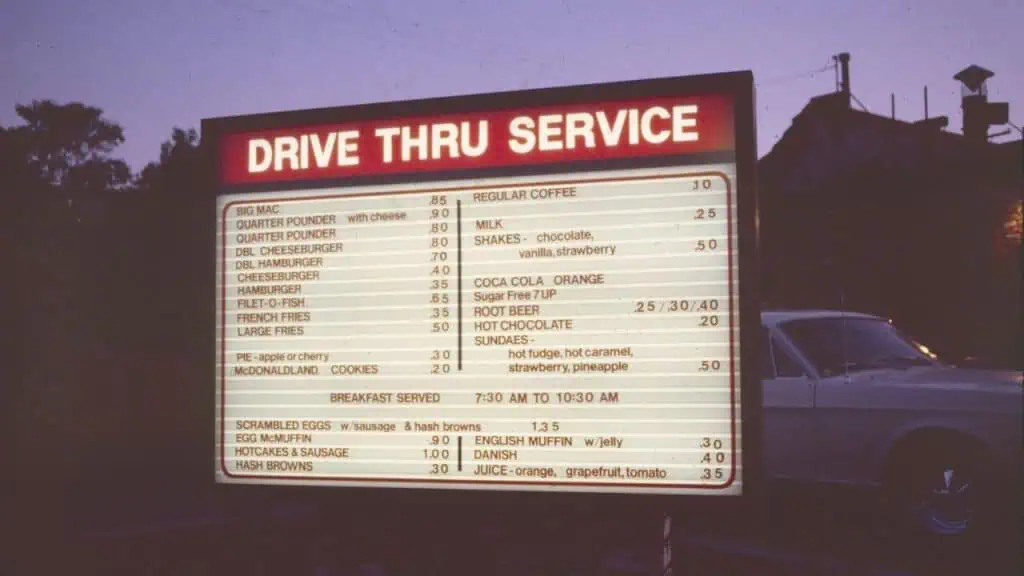
The introduction of the drive-thru in 1975 revolutionized convenience and efficiency in fast food service. This innovation catered to Americans' increasingly busy lifestyles, allowing for quick, on-the-go meals without leaving the car. McDonald’s effectively utilized technology to expedite service, making it a customer favorite for speed and reliability. The drive-thru became an emblem of modern dining, prompting further menu expansion and strategic adaptations to maximize the customer experience. This development paved the way for other restaurants to invest in similar formats.
1983: Chicken McNuggets Arrive
In 1983, McDonald's made a breakthrough in fast food with the introduction of Chicken McNuggets. This innovation combined tender, seasoned chicken with a crisp, golden coating, setting a new standard for finger foods. When preparing similar items at home, focus on achieving a balance between texture and flavor. Use a blend of cornstarch and flour in your batter to ensure a light, airy crust. Season generously but thoughtfully, using garlic powder, onion powder, and a touch of paprika for depth. Fry at approximately 350°F to lock in moisture and achieve an even, golden hue.
1992: Global Expansion and Local Flavors
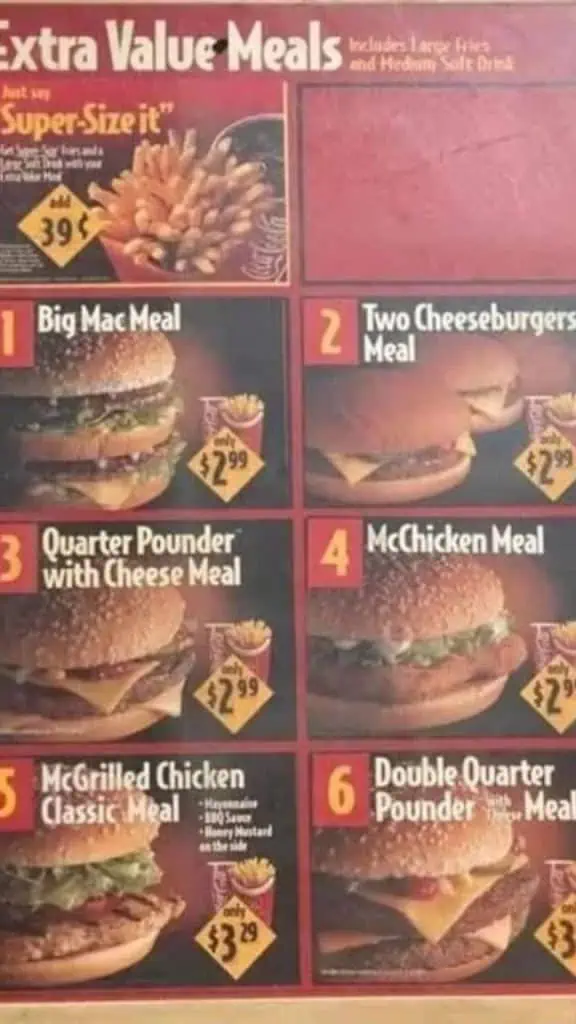
By 1992, McDonald's had expanded globally, adapting its menu to cater to diverse palates while respecting local culinary traditions. This approach advocates for the integration of regional ingredients, such as adding teriyaki sauce in Japanese locations. To emulate this philosophy at home, explore incorporating local spices or condiments in familiar recipes. For instance, try topping a classic burger with kimchi or a curry-infused mayonnaise. This technique not only broadens flavor profiles but also introduces fresh textures and aromas, enhancing the overall dining experience.
2000: Health Trends and Menu Changes

Entering the new millennium, McDonald's responded to growing health consciousness by adjusting its menu. This shift included offering salads and fruit options aimed at balancing indulgence with wellness. Emulating this at home involves prioritizing fresh, high-quality produce. Opt for a vibrant salad mix with a variety of textures—think crisp romaine paired with buttery arugula. Complement with lean proteins, such as grilled chicken or tofu, and experiment with dressings that combine citrus or vinegar for brightness. This method encourages a harmonious blend of flavors while emphasizing nutrition.
2015: Modern Classics and Innovations

In 2015, McDonald's focused on revising classic favorites while incorporating modern twists, a strategy that sparks creativity in the kitchen. Consider reinventing conventional dishes with subtle yet impactful updates. For example, a traditional cheeseburger can be elevated with artisanal cheeses, such as sharp cheddar or creamy brie. Supplement this with house-made pickles or a tangy aioli. Paying attention to ingredient pairings and preparation techniques ensures that each component stands out, breathing new life into beloved staples with a sophisticated touch.


