
A New Study Links These 6 Foods to Lower Cancer Risk

A sweeping scoping review in the European Journal of Clinical Nutrition recently analyzed 281 diet–health connections, and one pattern stood out: certain dairy foods may quietly help guard against cancer. Yogurt and fermented dairy products showed the strongest ties to reduced risks of bladder, breast, and colorectal cancers, while milk and cheese leaned toward beneficial or neutral effects. Here are six standout foods from the findings that could be your body’s unexpected allies in cancer prevention.
Milk: More Than Just Calcium
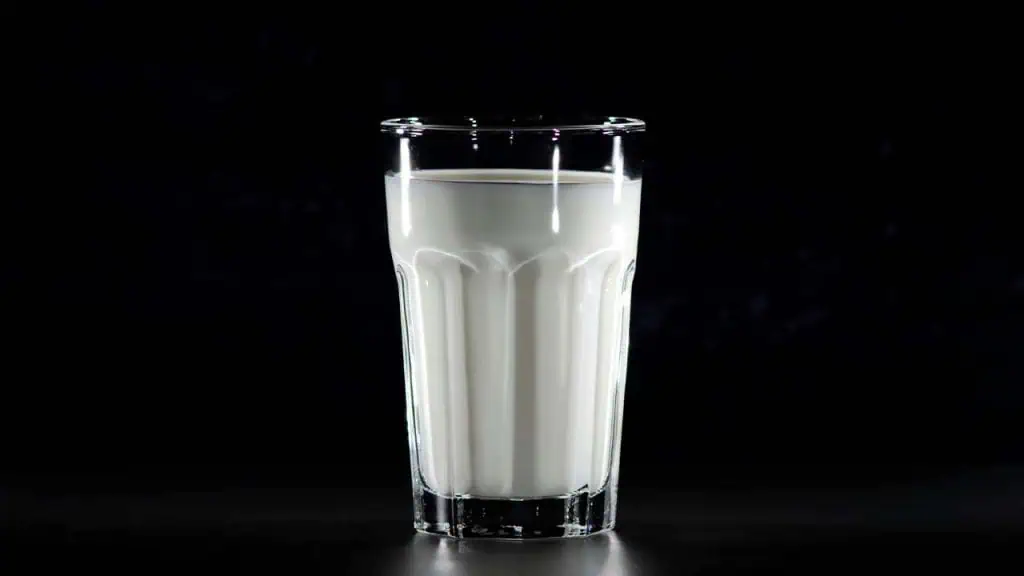
Milk has been studied extensively for its complex role in cancer risk. Research shows its high calcium content may help protect against colorectal cancer by binding harmful bile acids in the gut. It’s also a source of vitamin D and conjugated linoleic acid, both linked to anti-carcinogenic effects. However, some studies suggest high dairy intake could be associated with increased prostate cancer risk, possibly due to hormones or IGF-1 levels, making moderation an important consideration.
Cheese: An Unexpected Ally

Cheese is nutrient-dense, offering protein, calcium, and bioactive compounds that may support bone health and potentially lower colorectal cancer risk. Fermented varieties like aged cheddar also contain probiotics and beneficial fatty acids. However, research indicates that high consumption especially of full-fat cheeses can contribute to saturated fat intake and may be linked to increased prostate cancer risk. As with other dairy products, balance and portion control are key to maximizing benefits while minimizing potential downsides.
Yogurt: The Probiotic Powerhouse

Yogurt has emerged as a standout in cancer-prevention research, with studies linking regular consumption to lower risks of bladder, breast, and colorectal cancers. Its protective effects may stem from probiotics that support gut health, reduce inflammation, and improve immune function. The study highlighted that dairy’s nutrient profile—rich in calcium, vitamin D, and bioactive compounds—could play a role in inhibiting tumor growth, making yogurt a nutrient-dense ally in long-term health.
Kefir: Unveiling Its Hidden Benefits
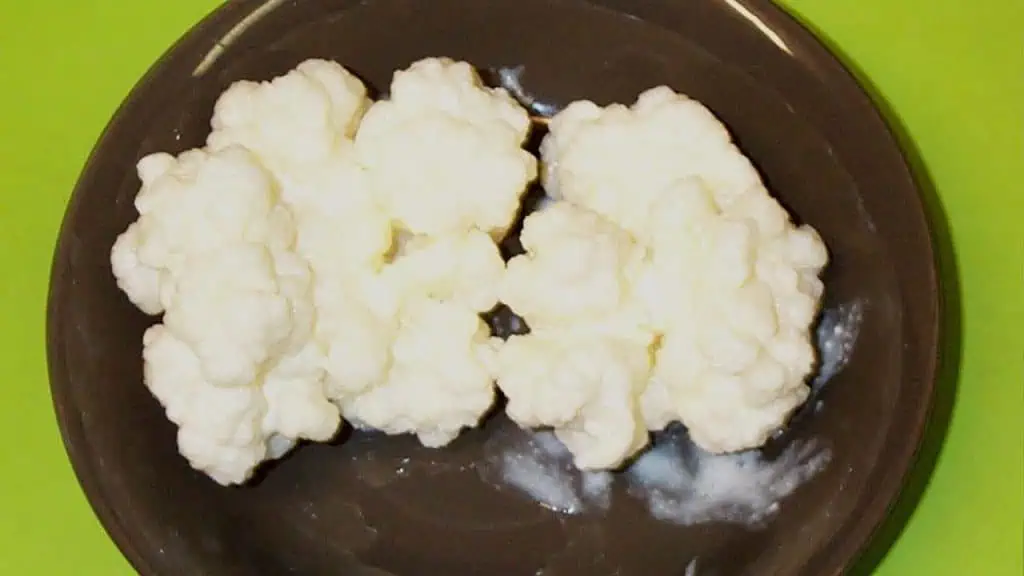
Fermented dairy products like kefir have gained attention in cancer research for their probiotic richness and bioactive compounds. Studies suggest they may help lower risks of colorectal and bladder cancers by promoting a balanced gut microbiome, reducing chronic inflammation, and enhancing immune defenses. Kefir also contains peptides and antioxidants that could inhibit tumor development, while its calcium and vitamin D content further support protective mechanisms against cancer progression.
Low Fat Dairy: Debunking the Myths

Low-fat dairy products, such as skim milk, low-fat yogurt, and reduced-fat cheese, provide calcium, protein, and vitamin D with less saturated fat than their full-fat counterparts. Research suggests they can support heart health and help manage weight when part of a balanced diet. However, some studies note that removing fat can reduce satiety, potentially leading to increased sugar content in flavored varieties. Choosing minimally processed, unsweetened options maximizes their nutritional value.
High Fat Dairy: Surprising Findings

High-fat dairy products—like whole milk, cream, butter, and full-fat cheese—are rich in calories, saturated fat, and fat-soluble vitamins A, D, E, and K. Recent research challenges past concerns about their role in heart disease, suggesting moderate intake may not be harmful and could even support satiety and nutrient absorption. However, excess consumption can contribute to weight gain and elevated LDL cholesterol, making portion control key for balanced health benefits.


