
Aging Gracefully? Skip These 15 Common Foods

As we focus on aging with vitality, our dietary choices play a pivotal role. Certain common foods, often convenient and flavorful, can undermine our health and accelerate the aging process. Identifying and minimizing these can support better long-term health. This guide breaks down some of the most common offenders and their impacts on our bodies.
Salty Processed Meats: A Sodium Trap

Processed meats like bacon, sausages, and deli slices are laden with sodium, which can lead to hypertension and water retention. Over time, excess salt consumption can strain cardiovascular health. Instead, opt for lean, unprocessed meats or plant-based proteins that allow you greater control over seasoning and preserve the natural texture and flavor of the ingredients without the sodium overload.
Sugary Cereals: The Morning Sugar Rush

Many boxed cereals boast flashy packaging but hide a concerning amount of sugar. This can lead to insulin spikes and crashes, impacting energy levels and skin health. Choosing whole-grain oats or homemade muesli, sweetened naturally with fruits or honey, provides sustained energy and nutrients. These options retain fiber and essential vitamins, contributing to a balanced and satisfying start to the day.
Margarine's Hidden Trans Fat Dangers

Once touted as a healthier alternative to butter, margarine often contains trans fats, which are linked to heart disease and inflammation. Selecting spreads with a high content of healthy fats like those from olive oil or avocados can drastically benefit cardiovascular health and skin integrity. These choices often offer a more nuanced flavor profile and a smoother texture, enhancing dishes without harmful side effects.
Sodas: A Sugar and Acid Cocktail
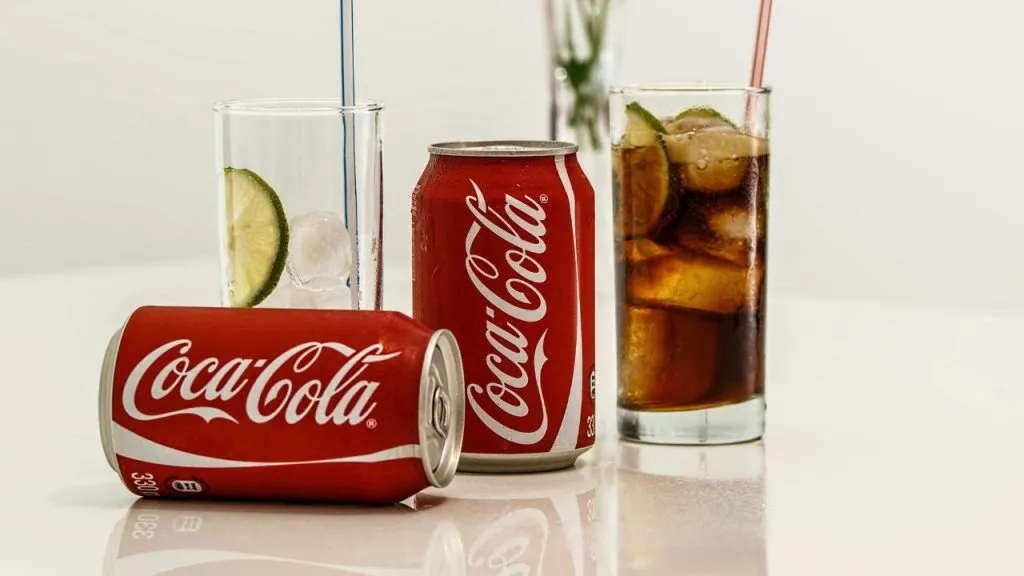
Sodas present a dual threat with high sugar content and acidic properties, which can erode tooth enamel and spike blood sugar levels. Opting for water infused with fresh fruits or herbal teas ensures hydration and satisfaction without the negative impacts. These alternatives provide refreshing flavors and beneficial compounds without sacrificing health, supporting metabolic and dental health over time.
Beware Alcohol in Excess

Consuming alcohol excessively can accelerate signs of aging due to its dehydrating effects and impacts on liver health. Drinking in moderation allows the liver to effectively metabolize beverages, reducing toxicity. Prioritize hydration and opt for lighter options like wine spritzers or cocktails paired with ample water. A balanced approach can help maintain skin elasticity and overall well-being.
Frozen Meals: High-Sodium Hazards

Frozen meals often contain high sodium levels to preserve flavor, which can lead to increased blood pressure and water retention, contributing to premature aging. Check labels for sodium content under 500 mg per serving. Enhance these meals by adding fresh vegetables or herbs to boost nutrients and flavor, promoting a more heart-healthy diet.
White Bread and Refined Grain Issues

Refined grains like white bread lack the fiber and nutrients found in whole grains, impacting digestion and energy levels. Opt for whole grain or sprouted varieties to benefit from increased fiber and antioxidants. This switch supports healthier digestion and sustained energy, which can improve skin health and reduce the onset of aging signs.
Grapefruit's Medication Interference

Grapefruit can interfere with certain medications, compromising their effectiveness and potentially accelerating health issues linked to aging. Consult healthcare providers before consuming grapefruit if on medication that involves liver enzymes like cytochrome P450. Awareness of dietary interactions is crucial for maintaining efficacy and minimizing risks.
Risks of Uncooked Eggs and Raw Seafood

Uncooked eggs and raw seafood pose a risk of bacterial infections like salmonella or Vibrio, impacting immunity and overall health. Ensure eggs are thoroughly cooked and seafood is properly sourced. Choose pasteurized eggs for raw preparations, and trust reputable sources for sushi-grade seafood. This reduces health risks, supporting a more robust aging process.
High-Mercury Fish: Health Alert

Incorporate awareness of mercury levels in fish into your meal planning. Fish like swordfish, king mackerel, and tilefish are high in mercury, which can pose health risks over time. Opt for safer, low-mercury alternatives such as salmon, sardines, and trout. These options not only contain less mercury but are also rich in omega-3 fatty acids, essential for brain health. When cooking fish, consider using methods such as steaming or baking to preserve nutrients and enhance natural flavors without adding excess fat.
Charred Meats: The Carcinogen Concern

Charred meats, especially those cooked at high temperatures like grilling, can form potentially harmful compounds known as heterocyclic amines (HCAs) and polycyclic aromatic hydrocarbons (PAHs). Reduce exposure by marinating meats in herbs and spices, which can lower HCA formation. Opt for gentler cooking methods like slow roasting, or use indirect grilling techniques to minimize charring. Additionally, choose lean cuts to avoid flare-ups that enhance carcinogen production, ensuring a safer, flavorful meal.
Artificial Sweeteners: Not So Sweet

Artificial sweeteners, often touted as healthier alternatives to sugar, can have hidden downsides, including potential impacts on metabolism and gut health. Limit their use and explore natural sweeteners like honey or maple syrup for a more wholesome approach. If sugar reduction is necessary, experimenting with fruit purees can add natural sweetness and moisture to baked goods without artificial additives. Focus on balancing flavors naturally to maintain enjoyment without compromising on taste or health.
Caffeine Overload: Energy or Anxiety?

Moderation is key when it comes to caffeine. While a morning coffee can boost focus, excessive intake may lead to anxiety and disrupted sleep. Consider substituting with herbal teas like chamomile or peppermint for a calming effect, or opt for green tea, which offers a gentler caffeine experience. Pay attention to portion sizes, and remember that caffeine can also sneak into sodas and some chocolate, contributing to the total intake. Prioritize balance to enjoy sustained energy without adverse effects.
Fast Food Fats: Burgers and Fries

Fast food is often high in unhealthy trans fats and saturated fats, which can contribute to long-term health issues. Seek healthier replacements by preparing homemade versions, using lean meats for burgers and olive oil or air frying for crispy fries. Incorporate whole grain buns and load with fresh vegetables to enhance nutritional value. By controlling the ingredients, you can still enjoy satisfying flavors without the excess unhealthy fats of their fast-food counterparts, promoting better health over time.
Spicy Foods and Reflux Trouble

Spicy foods can trigger discomfort, particularly in individuals sensitive to acidity and heat. The capsaicin in peppers and spices like cayenne is known to relax the lower esophageal sphincter, leading to reflux. To minimize this, consider reducing the amount of spicy ingredients or opt for milder alternatives such as sweet bell peppers. Balancing heat with cooling elements like yogurt or coconut milk can also help. Pay attention to cooking techniques: sauté spices gently to release their flavors without overpowering heat. These adjustments can maintain flavor while reducing potential irritation.


