
Luxury vs. budget cruises: 4 foods worth ordering and 4 to skip

Cruise dining isn’t a single, unified experience it splits sharply between luxury and budget ships. Behind the scenes, the food philosophies are completely different. Luxury cruises prioritize smaller batches, slower service, and ingredients chosen for how they hold up over time. Budget cruises focus on volume, speed, and consistency at a massive scale. That difference determines which foods shine and which quietly disappoint. Seasoned cruisers learn quickly that some dishes survive freezing, reheating, and transport far better than others. Knowing what actually works at sea can turn onboard dining from a gamble into one of the best parts of the trip.
Worth Ordering on Luxury Cruises
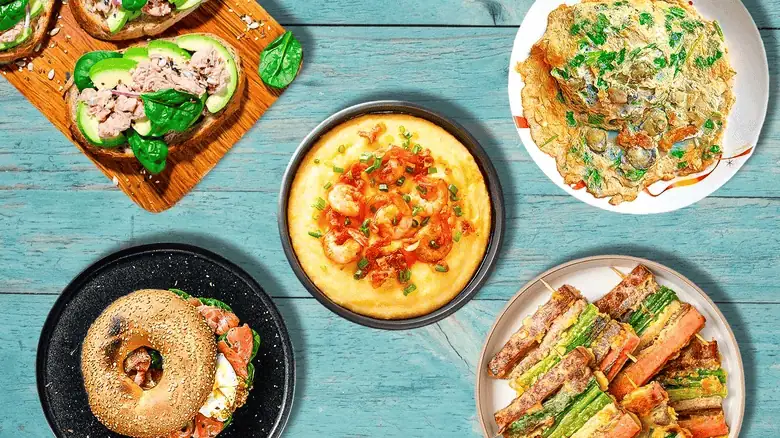
On cruises, the foods most worth ordering are the ones designed for consistency rather than showmanship. Dishes that are cooked close to service, like simple grilled seafood, made-to-order breakfasts, brothy soups, or house desserts, tend to hold their quality even in large dining operations. These foods rely on good ingredients and straightforward execution, not precision timing or fragile textures. Seasoned cruisers know that kitchens perform best when they repeat manageable dishes all day, making these choices safer, more satisfying, and far more enjoyable across both luxury and budget ships.
Fresh Seafood Dishes
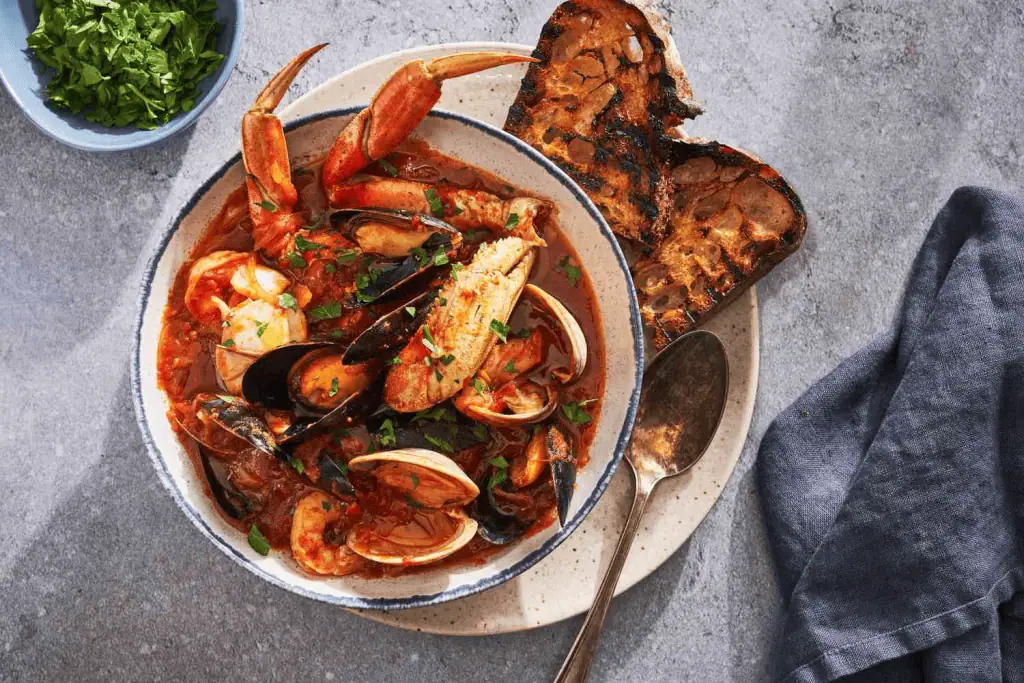
On luxury cruise ships, fresh seafood is one of the safest and most rewarding choices. Higher-end lines source better-quality fish and shellfish and cook them closer to service rather than relying on heavy reheating. Grilled fish, scallops, and shellfish starters benefit from tighter temperature control and smaller batch cooking. The result tastes intentional instead of mass-produced. While seafood can be risky on budget ships, luxury cruises turn it into a strength, offering clean flavors and textures that hold up well at sea.
Made-to-Order Breakfast Eggs
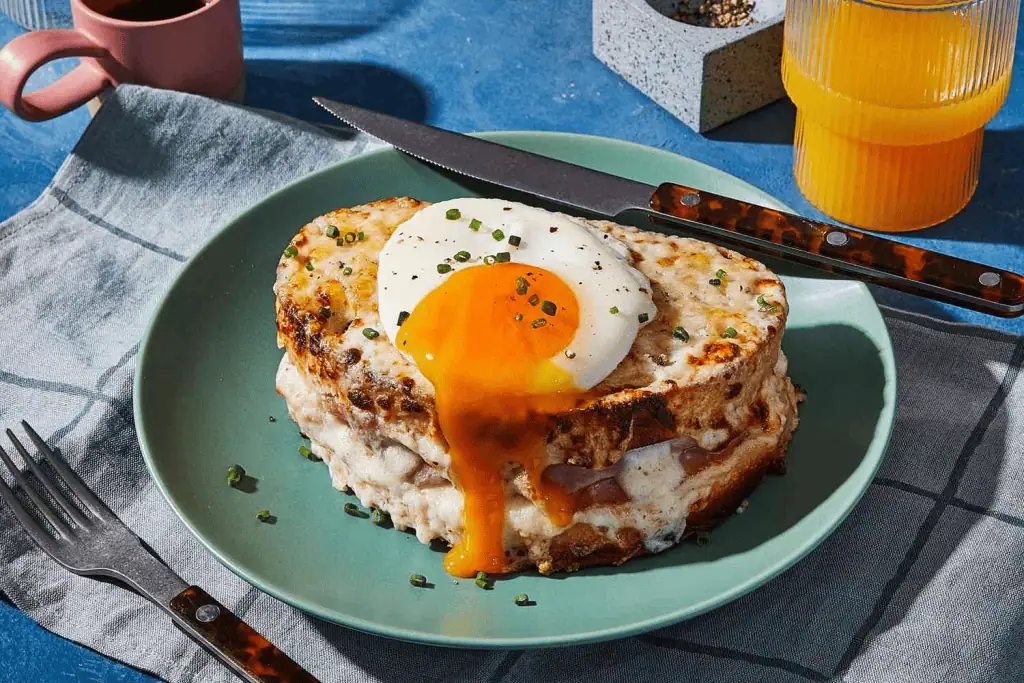
Breakfast is often where luxury cruise dining shines, and made-to-order eggs are a prime example. Omelets, soft scrambles, and poached eggs benefit from smaller dining rooms, calmer pacing, and cooks who can focus on texture rather than speed. Unlike buffet eggs that sit under heat lamps, these arrive properly cooked and consistent day after day. Seasoned cruisers often rely on breakfast as their most dependable meal onboard, knowing it’s one area where attention to detail is rarely sacrificed.
House-Made Desserts
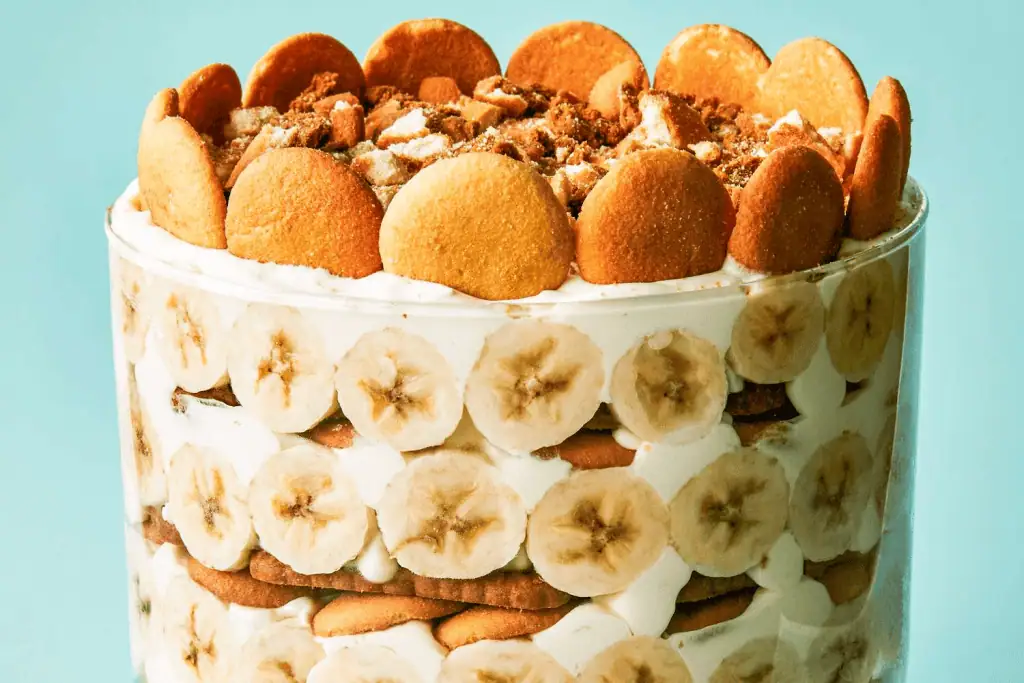
Luxury cruise lines invest heavily in dedicated pastry teams, and it shows. Desserts like mousse cakes, fruit tarts, and plated sweets are often made fresh daily rather than thawed in bulk. They’re lighter, more balanced, and less aggressively sweet than buffet desserts found on budget ships. Because production happens in smaller quantities, quality stays high throughout service. For many cruisers, dessert becomes a highlight instead of an afterthought, offering restaurant-level results even days into the voyage.
Regional or Destination-Inspired Menus
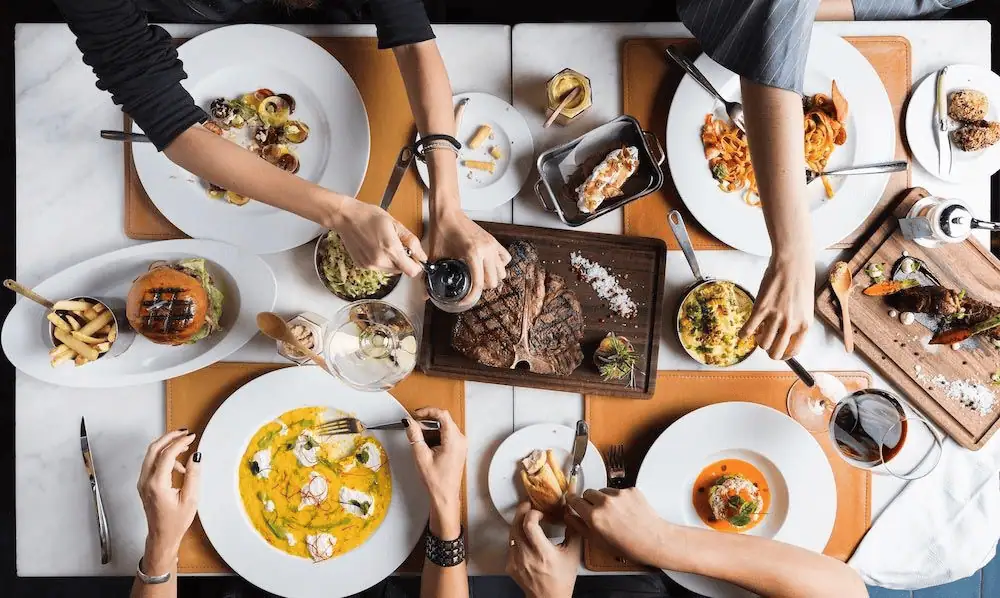
One major advantage of luxury cruises is how closely menus reflect ports of call. Destination-inspired dishes are usually prepared with restraint and context rather than exaggerated “theme night” flavors. These meals tend to be more thoughtful, using techniques and ingredients that travel well without losing identity. Instead of generic international fare, diners get food that feels connected to place. Experienced cruisers often choose these options because they’re cooked with more care and stand out from standard cruise staples.
Skip These on Budget Cruises

The foods most likely to disappoint are those that don’t scale well. Buffet eggs, cream-heavy pastas, raw fish, or “special” steaks often sound appealing but suffer from bulk preparation, holding time, and rushed service. These dishes depend on exact temperature, freshness, or last-minute cooking conditions that are hard to guarantee at sea. Experienced travelers avoid items that promise finesse or indulgence and instead skip anything that feels overly complex, delicate, or hyped, knowing regret usually follows expectations that outpace execution.
Buffet Scrambled Eggs
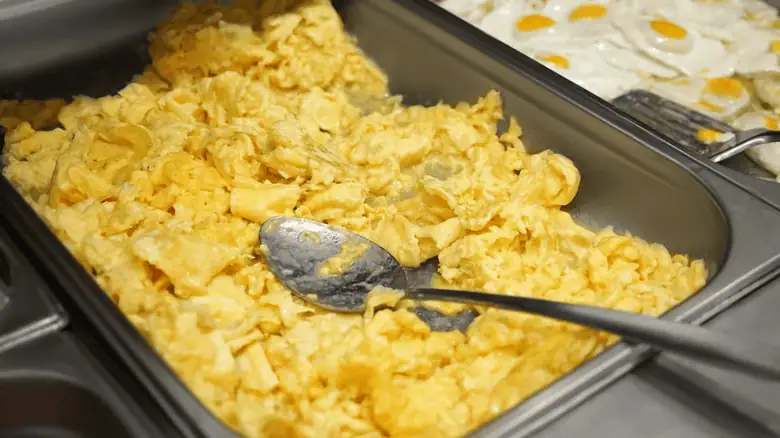
Scrambled eggs look like the safest option on budget cruise buffets, but they’re one of the most disappointing items on board. They’re typically cooked in massive batches, then held warm for long stretches to keep up with volume. During that time, moisture separates and texture breaks down. What ends up on the plate is often watery, rubbery, or oddly spongy. Guests expect comfort and familiarity, but get eggs that taste tired rather than fresh. Seasoned cruisers learn quickly that buffet eggs rarely improve and are better replaced with toast, fruit, or other low-risk breakfast options.
Cream-Based Pasta
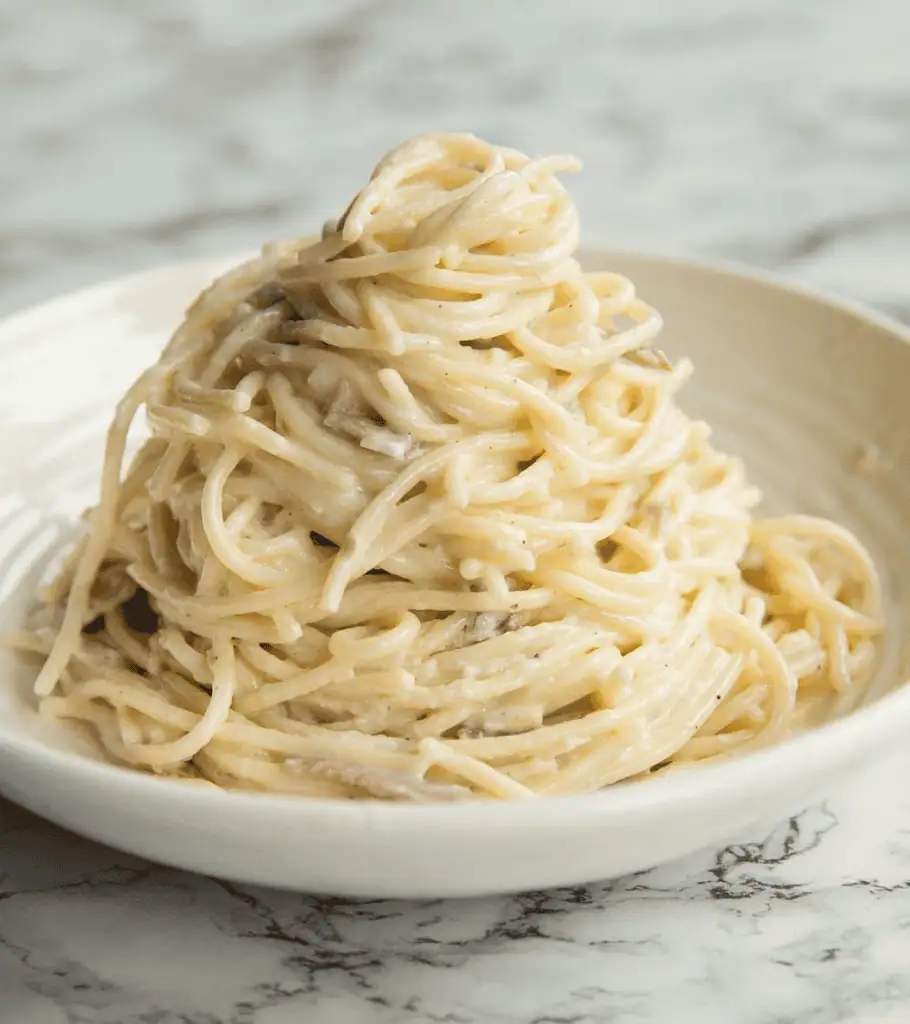
Cream-based pasta dishes struggle in high-volume cruise kitchens, especially on budget ships. These sauces are sensitive to time and temperature, and when made in bulk, they often separate or thicken into a gluey consistency before reaching diners. What sounds indulgent on the menu can feel heavy and unbalanced on the plate. Guests frequently expect restaurant-style richness and instead get something flat and awkward to finish. Tomato-based or oil-based sauces hold up far better at scale, making them the safer pasta choice for anyone trying to avoid regret.
Sushi or Raw Fish
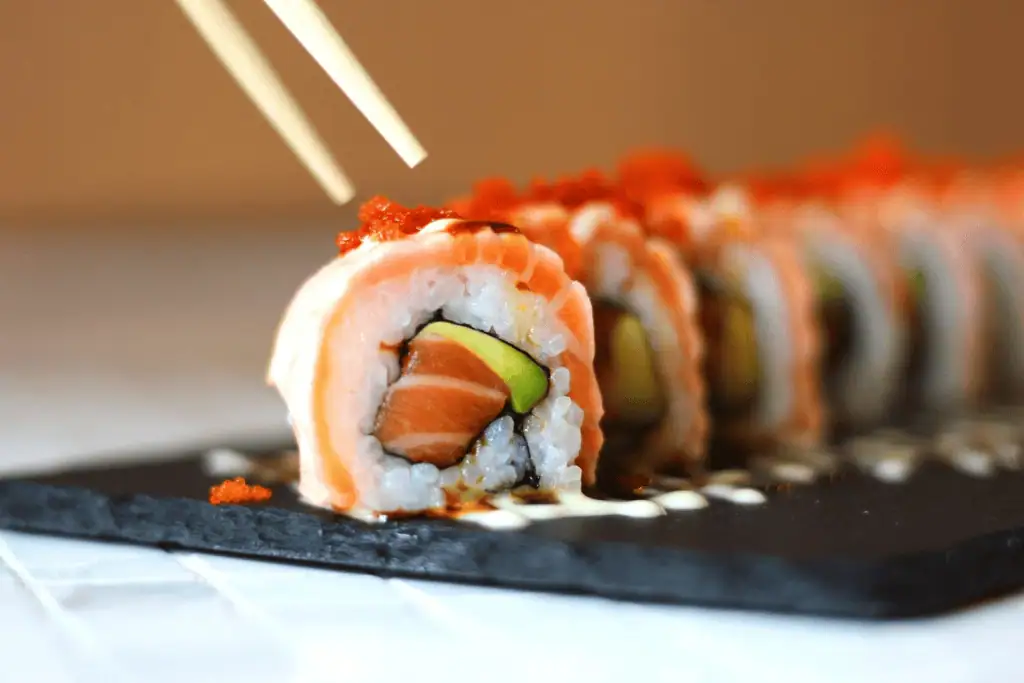
Raw fish options can be tempting on a cruise, but on budget ships they’re among the riskiest orders. Sushi is often pre-prepared well ahead of service and stored for extended periods, which affects texture and freshness even when safety standards are met. Rice dries out, fish loses firmness, and flavors dull quickly. Guests expecting clean, delicate bites are often disappointed by inconsistency. Experienced cruisers tend to skip raw fish on budget lines, saving sushi cravings for ports or ships where freshness and timing are tightly controlled.
“Gourmet” Steak Night Specials
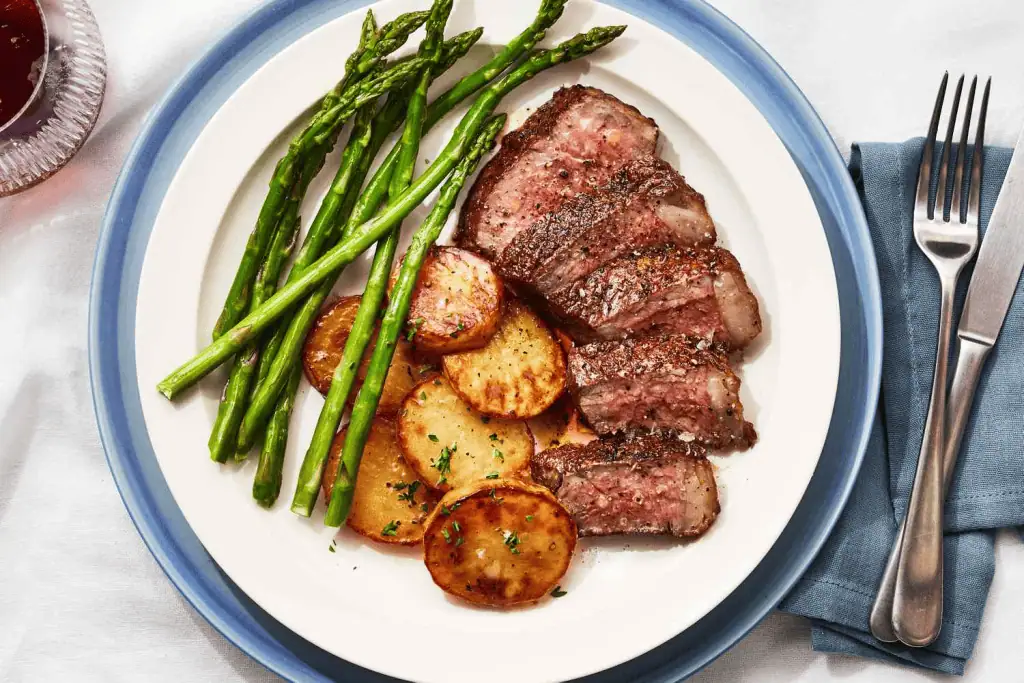
Steak nights on budget cruises are heavily marketed, but reality often falls short. Steaks are usually thin, pre-cut, and cooked in bulk to serve thousands of guests quickly. That process leads to uneven doneness and little room for personalization. Diners arrive with high expectations, only to receive something rushed and underwhelming. Many guests later regret spending a dinner on steak when other menu options would have delivered better results. On budget ships, steak is more about spectacle than satisfaction.


