
7 secrets starbucks employees aren’t supposed to share, according to former staff

From secret drink tweaks to behind-the-counter shortcuts, Starbucks has a lot going on that customers never see. Former baristas say there are unwritten rules, quiet policies, and insider tricks that rarely make it past the espresso bar. Some secrets are about saving money, others explain why your drink tastes different every time, and a few reveal how the system really works during rush hour. Once you know these Starbucks secrets, you’ll never order, or wait in line, the same way again.
How Secret Menu Drinks Really Work
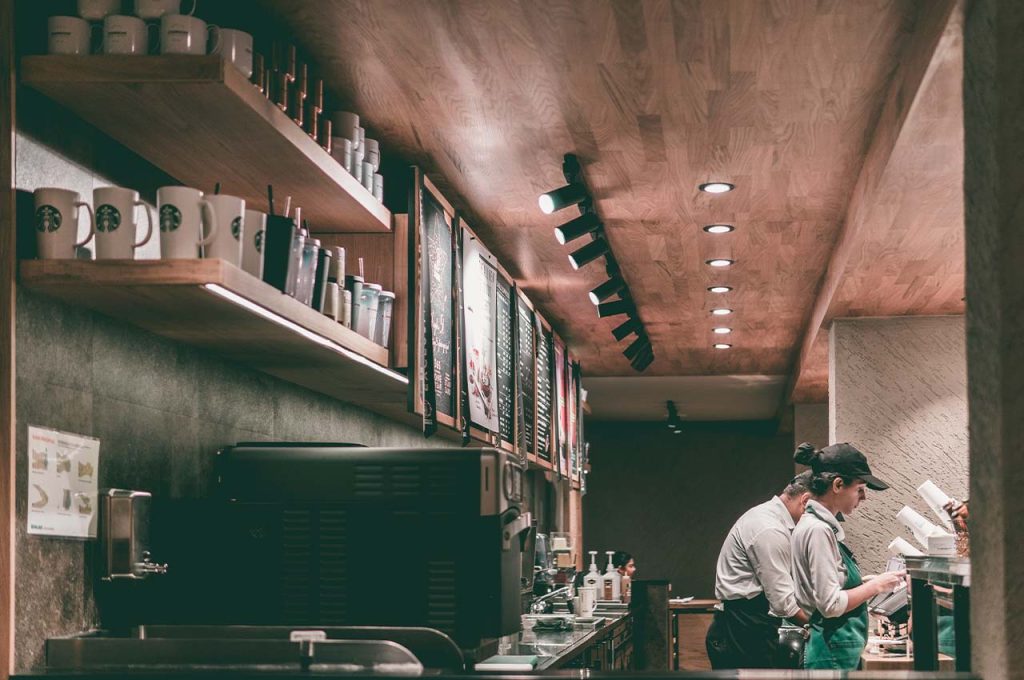
Secret menu drinks at Starbucks are essentially customized orders that aren't officially listed on the menu. To get these unique creations, knowing the specific ingredients and modifications is crucial since baristas follow set recipes unless directed otherwise. Bringing your own recipe or asking for detailed customization ensures you get the desired outcome. These drinks rely on the barista’s familiarity with the ingredients and their willingness to accommodate, so patience and clear communication are key.
Inconsistent Tastes Across Locations

Variations in taste across different Starbucks locations often stem from differences in ingredient sourcing and equipment calibration. The espresso machine and coffee grinder require precise settings, which can drift if not regularly adjusted, affecting consistency. Baristas’ experience levels also play a role, as technique influences how a drink is crafted. To enhance uniformity, stick to core menu items and consider giving feedback through the mobile app to ensure quality and consistency.
The Truth About Milk Substitutes

Milk substitutes at Starbucks, such as almond, oat, and coconut milk, vary in flavor and texture. They can alter the original taste profile of your drink more than traditional dairy milk. Subs often come sweetened, affecting the overall sweetness of your beverage. Opting for unsweetened versions, where available, can offer a closer match to original recipes. Understanding each substitute's natural nuances, almond’s nuttiness, oat’s creaminess, can help tailor choices to your taste preferences for better enjoyment.
Espresso Quality During Peak Hours
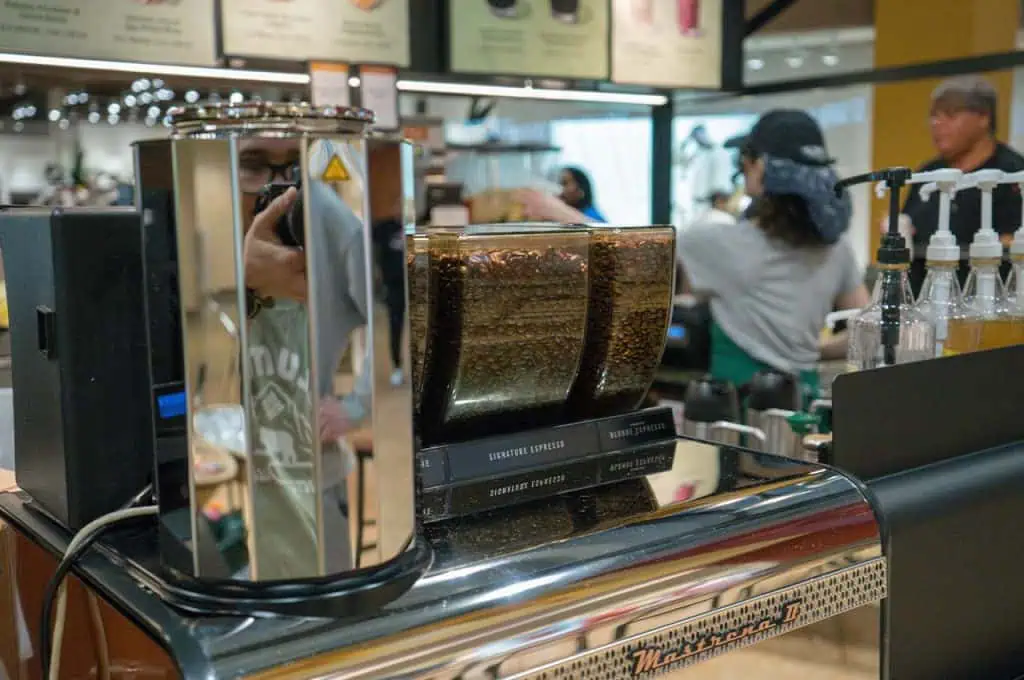
During busy hours, maintaining espresso quality is challenging but achievable. High customer volume means machines are running constantly, potentially overheating and affecting flavor extraction. Baristas may focus on speed over precision, impacting shot quality. To ensure a robust cup, order during off-peak hours or request your espresso timed for optimal freshness. Developing a relationship with your barista could also encourage a more careful preparation, especially when it’s less hectic.
When Baristas Cut Corners
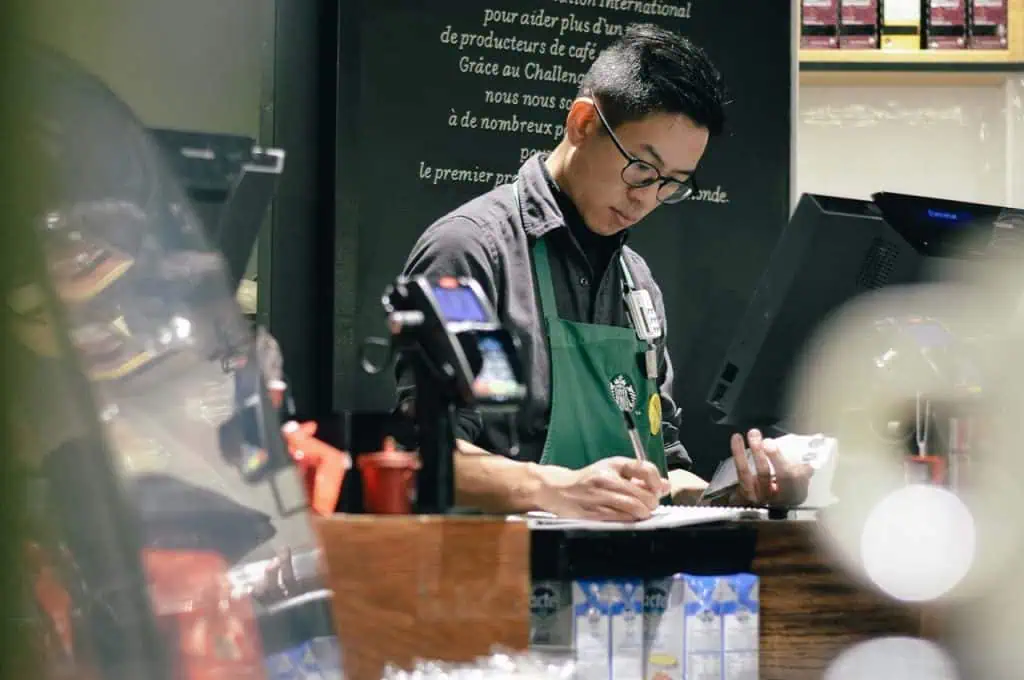
Baristas under pressure might cut corners to keep up with high demand, affecting drink quality. Common shortcuts include skipping steps in milk steaming or using pre-mixed ingredients. While these can speed up service, they might compromise taste or texture. When particular about quality, politely request specific preparations or avoid peak times. Understanding their workflow can lead to tactful requests that ensure you receive an ideal beverage experience, reminding them of the significance of each crafted cup.
Fate of Unclaimed Drinks

In the bustling environment of a Starbucks, unclaimed drinks can become commonplace. When a drink remains on the counter without a customer to claim it, baristas typically have protocols to follow. These drinks are often discarded after a short period, ensuring freshness and adhering to hygiene standards. However, some locations may allow staff to enjoy these drinks as a perk. This practice not only minimizes waste but also keeps employees familiar with the latest menu items, enhancing their recommendations.
Misleading ‘Healthy' Options

Starbucks offers various options marketed as ‘healthy,' but not all may meet expectations. Items labeled as reduced-fat or sugar-free can still be high in calories due to hidden ingredients like syrups or whipped cream. It’s essential for customers to check nutritional information, often available in-store or online, to make informed choices. Opting for drink customizations, such as non-dairy milk or asking for half the syrup, can help tailor beverages to better align with a health-conscious lifestyle.


