
12 Common Food Habits Many Americans Still Think Are Normal but Aren’t Anymore

In the realm of culinary practices, many habits that were once considered staples in American kitchens have gradually faded from favor. As health trends and ingredient awareness evolved, certain traditional methods and products found themselves re-evaluated. Here, we explore twelve common food habits that many Americans once embraced but are increasingly considered outdated. Understanding these shifts can enhance not only our health but also how we perceive the role of food in our lives.
Canned Veggies: A Daily Relic

Canned vegetables were once a pantry staple for their long shelf life and convenience. However, their texture, often mushy due to processing, and the potential loss of nutrients during high-heat canning are now critiqued. Fresh or flash-frozen vegetables, preferred for their superior texture and nutrient preservation, have taken precedence. When selecting canned options, focus on those with no added sodium or preservatives, and consider rinsing them to reduce any residual saltiness.
Whole Milk: A Meal-Time Relic

Once a standard presence at meals, whole milk is now frequently substituted by lower-fat versions or non-dairy alternatives due to concerns over saturated fat. While whole milk can offer a creamy texture and rich flavor, its use has declined in favor of products like almond or oat milk which provide a different nutritional profile. When using whole milk in recipes, it can still deliver exceptional results in baking or creamy sauces, lending richness without overwhelming other flavors.
Cooking with Lard: A Past Staple

Once revered for its ability to produce flaky pastries and savory depth, lard has been replaced in many kitchens by oils like olive or vegetable, due to cholesterol concerns. Modern science recognizes some benefits of natural animal fats, and a moderate use can still enhance texture, particularly in pie crusts or traditional recipes like tamales. For those embracing lard, sourcing high-quality, non-hydrogenated lard ensures a purer taste and less processed fat content.
Artificial Colors: A Frequent Addition

Widely used to enhance the visual appeal of food, artificial colors are now scrutinized for potential health impacts. They are increasingly replaced by natural dyes from beets, turmeric, or spirulina. The shift not only aligns with cleaner eating standards but enriches dishes with subtle, earthy undertones without compromising color vibrancy. When baking or crafting homemade treats, exploring these natural color sources can result in vibrant, striking presentations with health-conscious benefits.
Refined Sugar: A Sweet Overload

Refined sugar has long been a staple, but relying on it excessively for sweetness can overshadow the flavors of your dishes. Gradual reduction helps highlight the natural sweetness of fruits and vegetables. Experiment with alternatives like maple syrup or honey, which offer depth and character. Emphasize balance by pairing sweetness with acidity or spice to enhance overall flavor profiles. This approach not only reduces sugar intake but also enriches your culinary explorations.
High-Fat Lunch Meats: Daily Indulgence

Lunch meats often laden with fats can dominate daily meals. Shift focus towards leaner proteins such as turkey or chicken breast, adding fresh herbs for flavor. Consider roasted vegetables, hummus, or avocados for heartier, healthier fillings. By preparing in advance and using whole-grain wraps or bread, you create balanced options without sacrificing taste. These alternatives provide nutrients, maintain texture, and reimagine the typical sandwich approach.
Deep-Frying Home Cooking

Deep-frying, though crispy and delicious, isn't the go-to household method it once was. Explore oven-baking, air-frying, or grilling to achieve similar textures with less oil. These techniques not only reduce calories but also allow the true flavors of ingredients to shine. Opt for coatings like panko or cornmeal for crunch, and use spices and seasoning for added distinction. This shift encourages more health-conscious cooking without losing satisfying results.
Condensed Milk: Dessert Shortcut

Condensed milk, a convenient dessert base, can sometimes overwhelm with sweetness. Substitute or mix with unsweetened options such as coconut milk or almond milk for a balanced flavor. Incorporate acidic elements like citrus zest or bittersweet chocolate to counteract sweetness and introduce complexity. Being mindful of proportions allows desserts to achieve richness without overpowering subtler tastes, elevating the dessert experience.
MSG: The Unquestioned Additive

MSG has often been used indiscriminately to enhance savory notes, yet many seek natural ways to elevate umami flavors. Incorporate mushrooms, tomatoes, or Parmesan cheese as substitutes to bring depth without added additives. Enhance broths and sauces with naturally umami-rich ingredients, focusing on slow cooking techniques to develop flavors. This approach nurtures a layered taste profile, ensuring meals are both flavorful and mindful of additive use.
Soda: Meal-Time Standard

Soda has long held a spot at the American dinner table, often replacing water or more nutritious options. However, the high sugar content and empty calories make it an outdated choice for daily consumption. Instead, consider infusing water with fresh fruits like lemon or berries to add flavor without the excess sugar. For those craving effervescence, sparkling water with a splash of juice offers a refreshing alternative. Understanding the impact of soda on health encourages a shift towards beverages that hydrate and nourish.
White Bread: The Default Carb

White bread, despite its ubiquity, lacks the nutritional benefits found in whole grain alternatives. Whole grain bread, rich in fiber and nutrients, supports better digestion and provides sustained energy. When selecting bread, look for labels that list whole grains as the first ingredient, avoiding options with excessive additives or refined flour. Experimenting with different grains like spelt or rye can introduce new flavors and textures, enhancing meals with both health benefits and culinary diversity.
Portion Control: The Ignored Factor
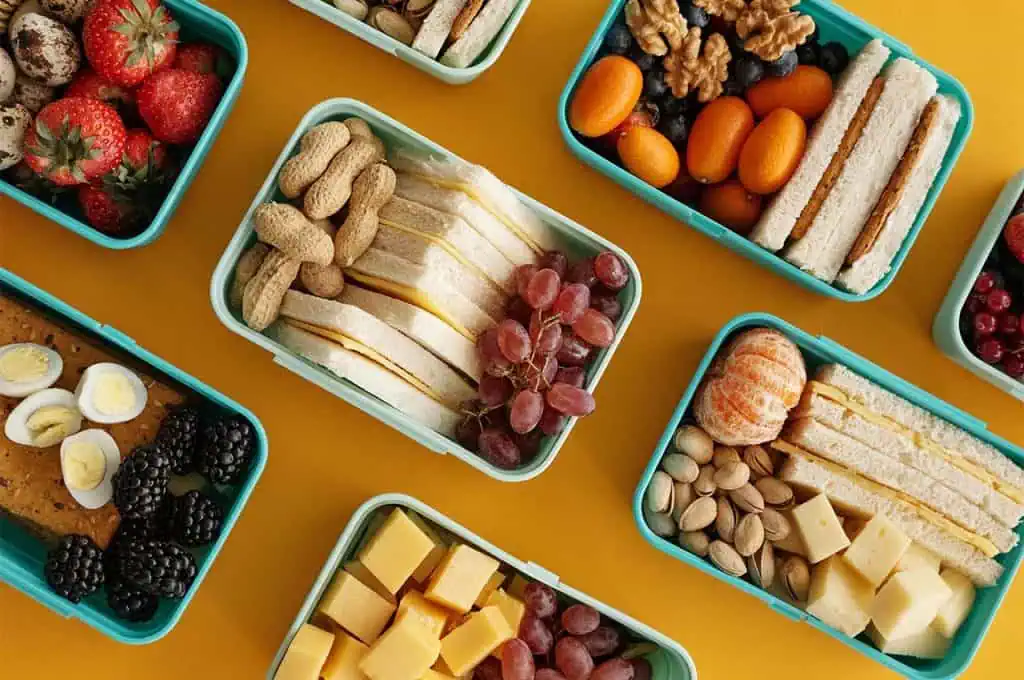
Portion control often goes overlooked, yet it significantly impacts dietary health. Eating beyond satiety can lead to discomfort and contributes to long-term weight gain. Utilize smaller plates to naturally encourage smaller portions, and focus on balanced meals with protein, healthy fats, and complex carbs. Intentionally savoring each bite enhances meal satisfaction and aids in recognizing fullness cues. Practicing portion control fosters healthier eating patterns without sacrificing flavor or enjoyment.


