
How Chili Crisp Took Over American Kitchens and Why It’s Still Everywhere

A few years ago, chili crisp was a secret ingredient known mostly to fans of Chinese cuisine. Today, it’s a staple in pantries across America, drizzled on eggs, ice cream, pizza, and even cocktails. This addictive mix of chili flakes, crunchy garlic, and oil has become more than a condiment; it’s a cultural crossover. Its rise reflects how global flavors have reshaped modern cooking, turning once-regional sauces into mainstream sensations with fiery personality and endless creativity.
The Origin of a Cult Classic

Chili crisp’s roots trace back to China, where brands like Lao Gan Ma popularized the crunchy chili oil decades ago. Its unique mix of heat, salt, and texture gave dishes instant depth and umami. When global food lovers discovered it, curiosity turned into obsession. What started as a humble household staple quickly became an international flavor ambassador, inspiring new versions worldwide.
The Crunch That Changed Everything
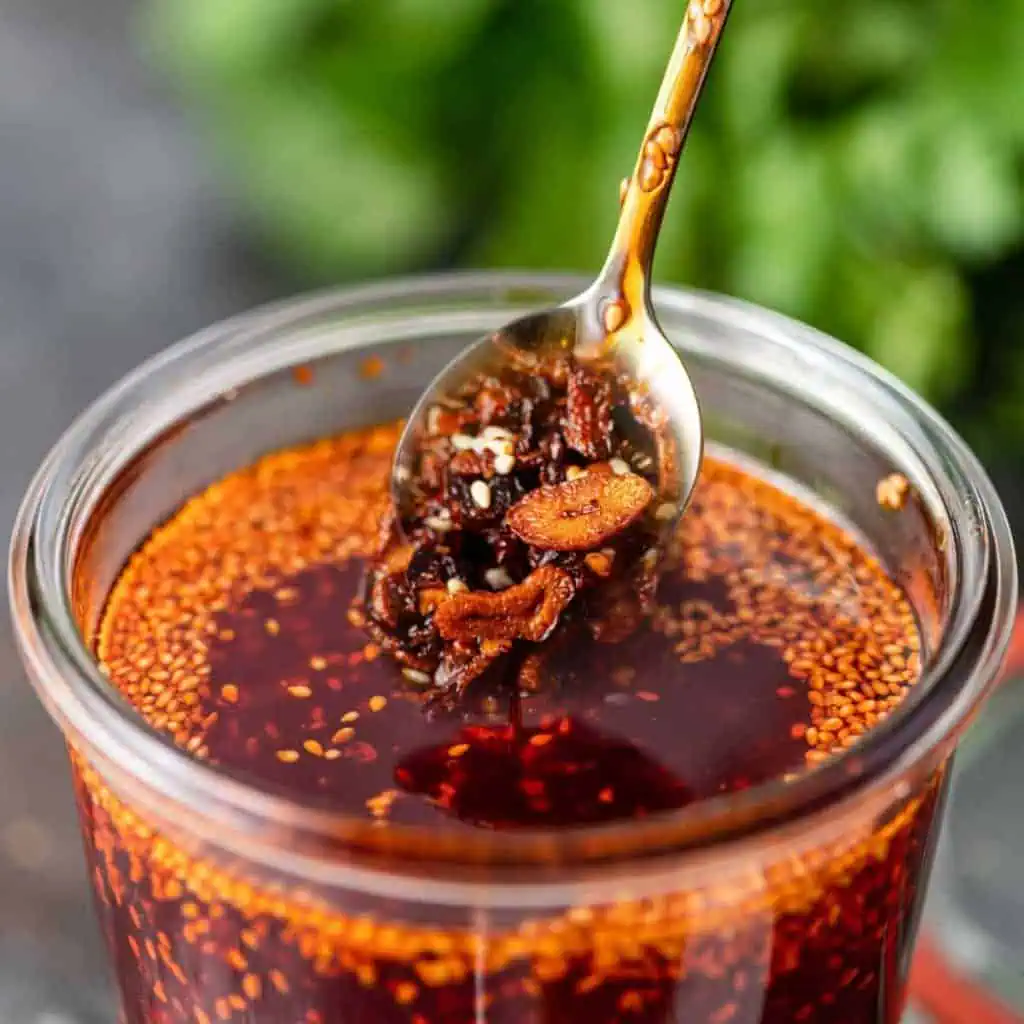
Unlike traditional hot sauces, chili crisp offers more than spice it brings texture. Those bits of fried garlic, shallots, and peppers create a satisfying crunch that keeps eaters hooked. It adds life to plain noodles, rice, and even avocado toast. The combination of heat and crispness turned it into a multi-sensory experience that goes far beyond ordinary chili oil.
Social Media Made It Go Viral
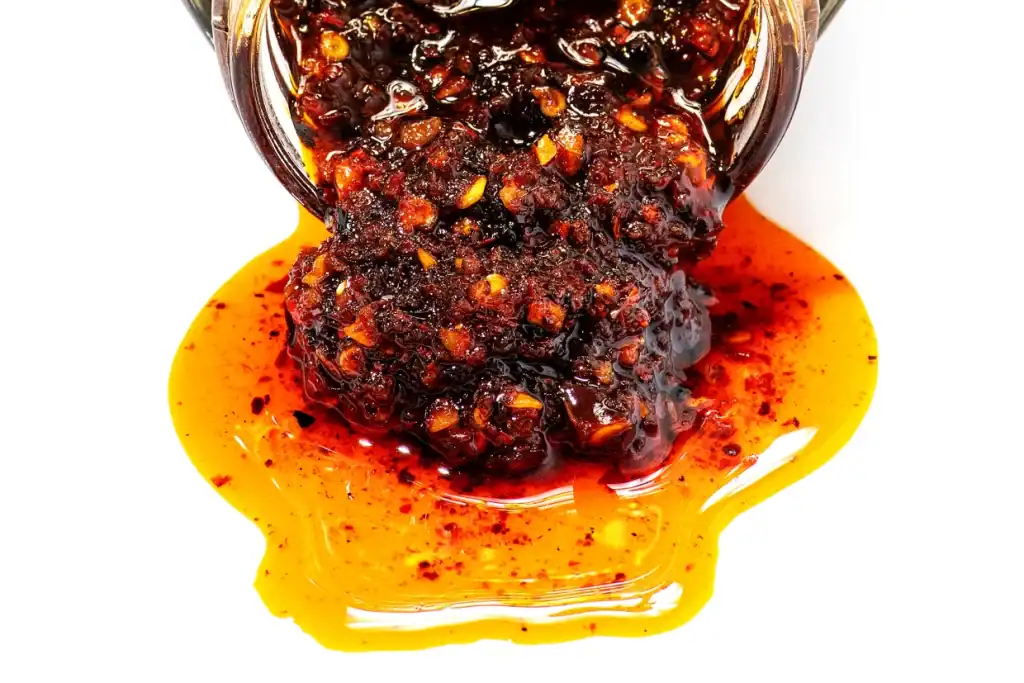
Chili crisp’s explosion owes much to social media, where home cooks shared drool-worthy drizzle videos on everything from dumplings to popcorn. Food influencers highlighted its versatility, sparking nationwide demand. The hashtag #chilicrisp amassed millions of views, proving that the condiment had crossed from niche ingredient to pop-culture icon status almost overnight.
A Canvas for Creativity
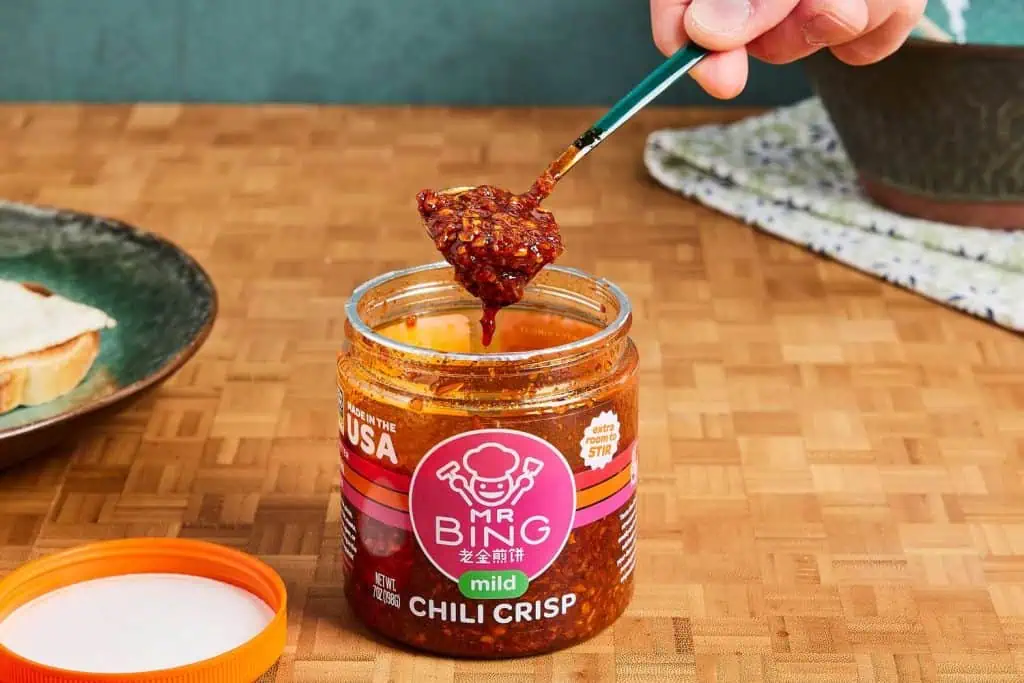
Part of chili crisp’s staying power is its adaptability. Small-batch makers and chefs across the U.S. now experiment with versions featuring sesame, anchovy, or even truffle. Home cooks tweak recipes with maple syrup or extra garlic. Each jar becomes a personal statement, blending tradition with individuality. That creative freedom keeps the trend alive and evolving.
Restaurant Menus Can’t Let Go

From fine dining to food trucks, chili crisp appears everywhere. Chefs spoon it over burrata, swirl it into pasta, or mix it into butter for steaks. It’s no longer confined to Asian cuisine but has become a universal enhancer. Restaurants love its ability to add complexity in seconds an easy way to make dishes memorable without reinventing them.
A Symbol of Culinary Connection
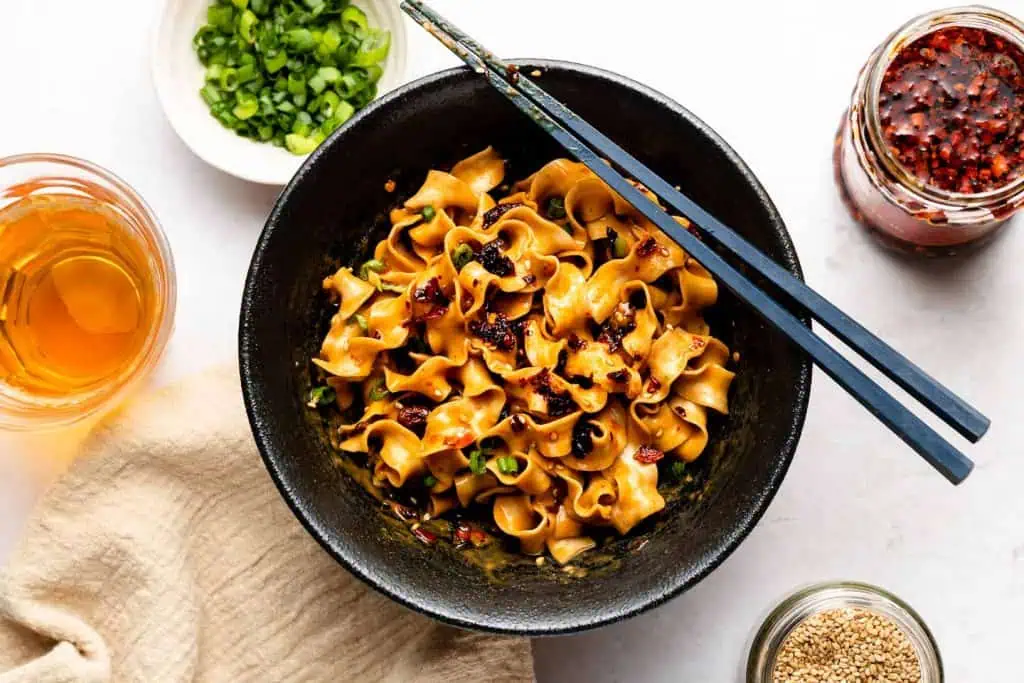
Chili crisp represents more than just a flavor trend; it’s a celebration of cultural exchange. Its rise mirrors the growing respect for Asian ingredients in Western kitchens. It bridges generations, connecting home cooks with heritage while inspiring experimentation. That blend of authenticity and adaptability explains why its jar remains front-and-center on so many countertops.
From Trend to Pantry Essential
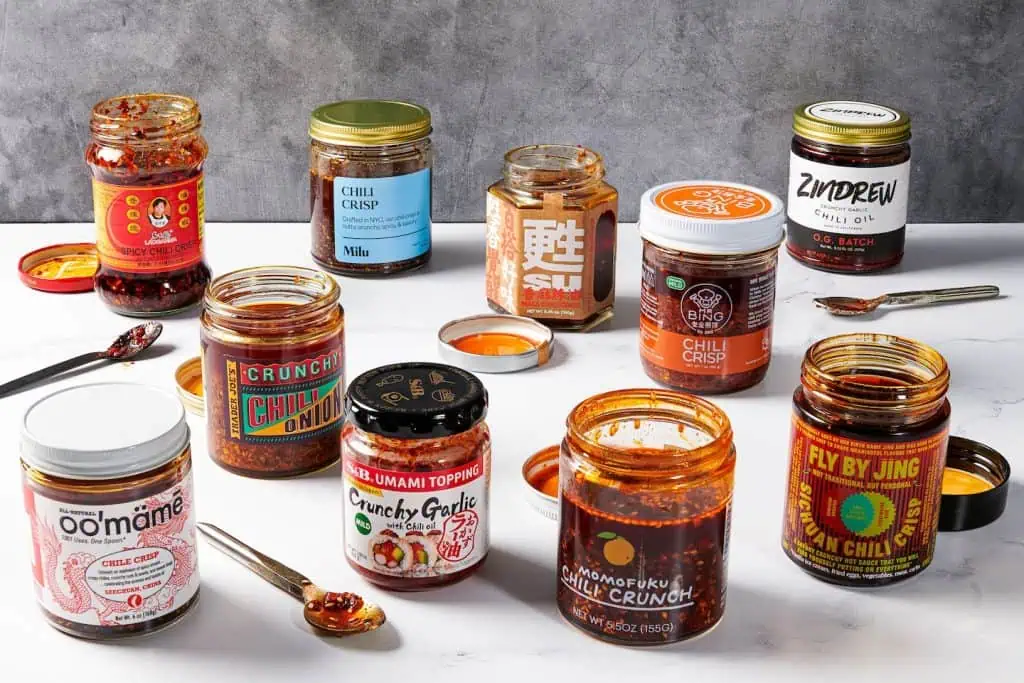
What began as a viral curiosity has become as common as sriracha or soy sauce. Shoppers can now find chili crisp at major grocery chains, proving its staying power. Its balance of heat, crunch, and umami ensures it never feels one-note. As food culture continues to evolve, chili crisp isn’t fading; it’s just finding new ways to spice up everyday life.


