
Which American Crops are at Risk Due to Climate Change

As climate change reshapes our weather systems, American crops face mounting risks. Shifts in temperature, precipitation, and the frequency of extreme weather events are altering growing conditions. This shift not only affects yields but also the quality and viability of key staple crops. Understanding these changes is crucial for adapting farming practices and securing food supply chains. Let's delve into the specific challenges facing some of the most significant crops grown across the United States.
Corn: The Backbone Facing Threats
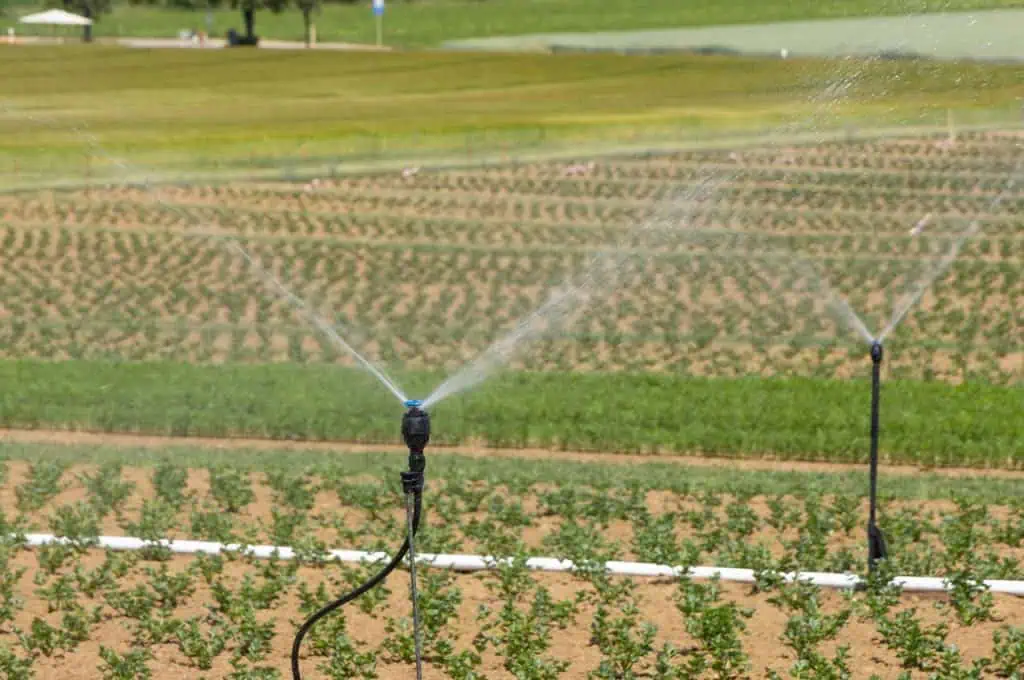
Corn, a cornerstone of the American agricultural landscape, is highly susceptible to climate fluctuations. High temperatures during the pollination stage can drastically reduce yields by affecting kernel formation. Moreover, irregular rainfall patterns can result in drought conditions, stressing the plants during critical growth periods. Adaptive practices such as selecting drought-resistant varieties and employing precision irrigation techniques can mitigate some of these risks. Emphasizing soil health and efficient water use will be essential to safeguard corn production in the coming decades.
Wheat: The Global Staple in Peril

Wheat production is increasingly vulnerable as warmer winters and unseasonable frosts disrupt growth cycles. Excessive heat during critical development stages like flowering and grain filling can lead to significant yield losses. To combat this, farmers are exploring heat-resistant wheat varieties and optimized planting schedules. Soil conservation techniques and crop rotation can also help maintain the resilience of wheat fields. Addressing these challenges head-on is imperative to ensure continued access to this vital food source.
Soybeans: A Crucial Crop Under Siege

Soybeans face challenges from rising temperatures and shifting precipitation patterns, which influence flowering and pod set. Unpredictable weather can lead to pests and diseases that thrive in changing conditions. Implementing crop management strategies such as integrated pest management and selecting early-maturing varieties can provide a buffer against these threats. Enhancements in soil management, such as cover cropping and no-till farming, are also critical factors that can sustain soybean yield and quality amid climate stresses.
Rice: Challenges for a Water-Thirsty Crop
Rice cultivation, dependent on consistent water supply, is threatened by changing precipitation levels. Periods of drought or excessive rainfall can disrupt the delicate balance needed for optimal growth. In response, farmers are adopting water-saving practices like alternate wetting and drying and using moisture-retention techniques. Developing rice varieties with improved tolerance to water stress is another pivotal step. Ensuring water security through efficient irrigation systems will be crucial for sustaining rice production in a shifting climate landscape.
Almonds: Water Woes for Nutty Delights

Almonds, a staple in kitchens, are highly water-dependent, requiring upwards of a gallon per nut. With water scarcity escalating, particularly in key growing areas like California, efficient irrigation practices are critical. Techniques such as drip irrigation help conserve water while ensuring almonds receive adequate moisture. Home cooks can think about sustainability when choosing almond products, opting for brands that commit to water-saving practices. Consuming these nutty delights mindfully can contribute to reducing environmental impact.
Coffee: Brewing Concerns for Your Cup

Coffee is sensitive to temperature fluctuations and rainfall patterns, with beans requiring specific conditions to thrive. As climate change alters these conditions, traditional coffee-growing regions may yield less successful crops. Shade-grown practices can mitigate some effects, as they preserve soil moisture and reduce heat stress on plants. When choosing coffee beans, select single-origin or sustainably sourced varieties that support environmentally conscious growers. This ensures a delectable and eco-friendly morning brew.
Grapes: Vineyard Vulnerabilities
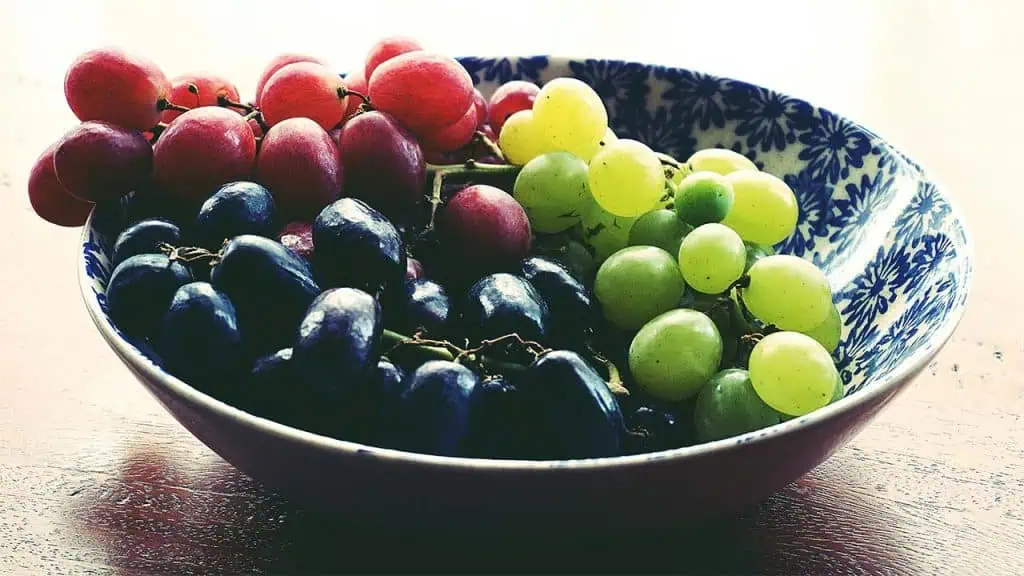
Grapes, essential for both table consumption and wine production, are highly susceptible to temperature shifts and precipitation changes. Climate change can lead to uneven ripening, affecting flavor and yield. Vineyards are adapting through innovative practices like canopy management and selecting heat-resistant varieties. For home cooks, understanding the impact on wine can guide more informed choices, opting for wines from producers who emphasize sustainable farming. Enjoying grapes is a chance to support adaptive agricultural practices.
Citrus: Squeezing Out the Consequences

Citrus crops, including oranges and lemons, are struggling with increasing temperatures and shifting rainfall patterns, which impact fruit quality and yield. Implementing methods such as windbreaks and mulching helps retain soil moisture and protect trees from temperature extremes. As consumers, selecting citrus products from sustainable sources supports these essential strategies. Incorporating citrus into dishes not only enhances flavor with zesty brightness but also encourages agricultural resilience.
Apples: Core Concerns of Climate Change
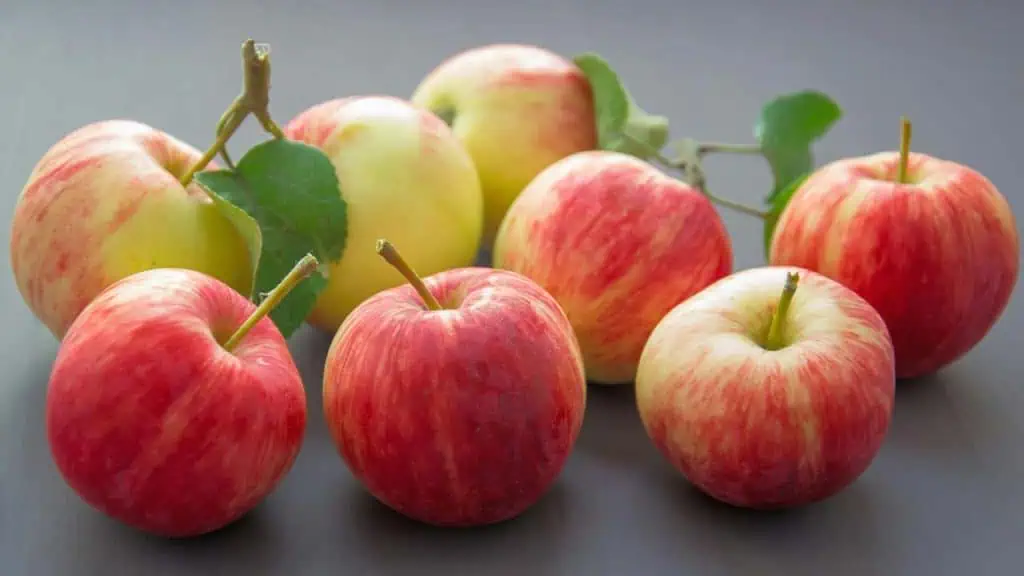
Apples require a balance of cold winters and warm summers; climate change disrupts this cycle, affecting blossom timing and fruit set. To combat these challenges, orchards may employ techniques like crossbreeding for heat tolerance or adjusting pruning times to optimize yield. When shopping for apples, look for varieties that are known for climate adaptability. This not only supports farmers adapting to change but also ensures you enjoy crisp, flavorful apples in your culinary creations.
Potatoes: Tubers in Trouble

Potatoes, a staple in American cuisine, are facing significant challenges from climate change. These tubers thrive in cool temperatures, but increased heat and unpredictable rainfall can disrupt their growth cycles. To counteract this, focus on selecting heat-resistant potato varieties, such as the Yukon Gold. Practicing consistent soil moisture control through mulching or drip irrigation can stabilize growing conditions, enhancing both yield and quality. Early planting and adjusting harvest times may also help navigate shifting weather patterns, ensuring that these versatile tubers remain a reliable kitchen ingredient.


