
7 Things No One Tells You About Mukbang Videos

Mukbang videos appear simple: someone eats a large meal while viewers watch, relax, or listen. The setup feels casual and comforting, which is part of the appeal. But what audiences see is only the final, polished layer of a carefully managed process. Behind the scenes, mukbang is less about appetite and more about scheduling, endurance, and performance. Creators plan these videos for days, balancing physical limits, audience expectations, and platform pressure. What looks effortless on screen is often structured work designed to hold attention, not a natural response to hunger or craving.
What Happens Off Camera
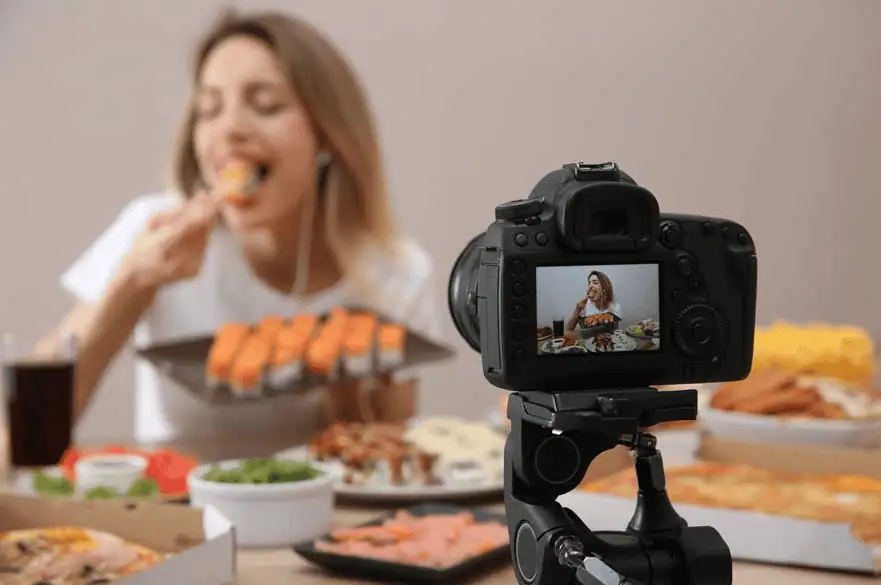
Most mukbang creators don’t eat normally on filming days or even the surrounding days. Many plan their entire week around a single video, fasting for 24 to 48 hours beforehand to make filming physically possible. Others eat very lightly for days, knowing a large on-camera meal is coming. The mukbang isn’t driven by hunger; it’s scheduled content. In some cases, the filmed meal becomes the only substantial meal of the week. What appears as indulgence is often extreme calorie cycling, tightly controlled to sustain consistency, health, and the demands of repeated performance.
Editing and Illusion Tricks Viewers Rarely Notice
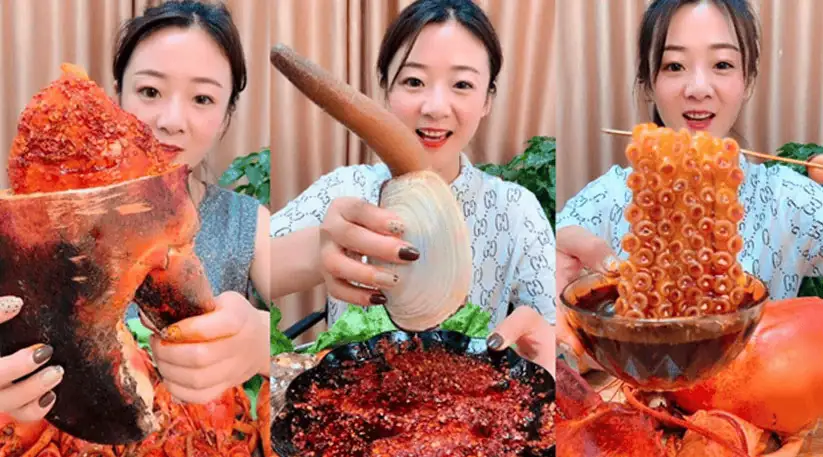
Mukbang videos are rarely continuous, real-time meals. Strategic cuts between bites are common, and not all visible food is always eaten. Creators may pause filming, take breaks, or stop entirely once the camera turns off. A single mukbang can stretch across hours or even multiple days through editing. Food may be reheated, rearranged, or discarded to maintain visual appeal. Subtle speed changes alter perception, making portions seem easier to finish. These aren’t deceptions so much as production tools, but most viewers never realize how much shaping happens off-camera.
The Weight Question Everyone Asks

One of the most common questions viewers ask is how mukbang creators stay thin or unchanged despite the volume of food on screen. The answer is rarely mysterious; it’s extreme control. Many creators alternate large filming days with very low-calorie or highly restricted eating off camera. Diets between videos are often repetitive, minimal, and rigid. Some rely on high daily activity levels, while genetics and metabolism play a supporting role. The key truth is that mukbang bodies don’t represent normal eating outcomes. What viewers see is not sustainable or typical; it’s tightly managed performance.
Physical Side Effects They Rarely Talk About

Mukbang creators have repeatedly shared that filming comes with real physical consequences. Digestive distress is common after consuming large amounts of food quickly. Bloating, inflammation, and discomfort can last for days. Acid reflux is frequently reported, especially when filming happens late at night. Sleep disruption often follows, paired with fatigue once filming adrenaline wears off. These aren’t isolated complaints or accusations. They are consistent patterns described by creators themselves, usually long after their channels grow, when honesty feels safer than maintaining the illusion of effortlessness.
The Mental and Emotional Toll

Over time, mukbang can quietly disconnect creators from their own hunger and fullness cues. Eating becomes something done for an audience, not for the body. There’s constant pressure to escalate bigger portions, louder sounds, and more extreme menus to maintain views. Weight-related comments add anxiety, even when framed as praise. Food slowly shifts from pleasure to obligation. Many creators describe burnout not from filming itself, but from the emotional labor of sustaining an image where eating and identity become inseparable.
Why Creators Keep Doing It Anyway

Despite the toll, mukbang remains one of the highest-performing food genres online. High views translate directly into ad revenue, sponsorships, and platform visibility. Algorithms reward spectacle, not moderation, pushing creators toward extremes. Fans often form parasocial bonds, feeling comforted by familiar eating routines. For many creators, stopping doesn’t just mean changing content; it risks losing income, audience loyalty, and algorithm momentum. The system quietly incentivizes continuation, even when the format becomes physically or emotionally unsustainable.
Why Viewers Are So Drawn to Mukbangs

Mukbangs succeed not because of food alone, but because they quietly satisfy emotional needs many viewers don’t consciously articulate. Watching someone eat creates a sense of shared time, turning an ordinary meal into background companionship that softens stress after long, isolating days. For people who often eat alone, mukbangs simulate presence without demanding conversation or attention. Diet culture guilt also plays a role, allowing indulgence to be experienced safely through someone else. The pleasure is vicarious, consequence-free, and calming, which is why the format feels comforting rather than overwhelming.


