
7 Foods you are not allowed to carry past US customs

Traveling internationally invites a taste of the world's diverse cuisines, yet it's crucial to understand what's restricted when entering the United States. U.S. customs regulations impose specific bans on certain food items to prevent the spread of diseases and invasive species. Familiarize yourself with these restrictions, knowing what not to pack can save you from unnecessary hassles at the border. This guide highlights seven key food categories you need to be mindful of when passing through U.S. customs.
Fresh Meat & Cured Meats Dilemma
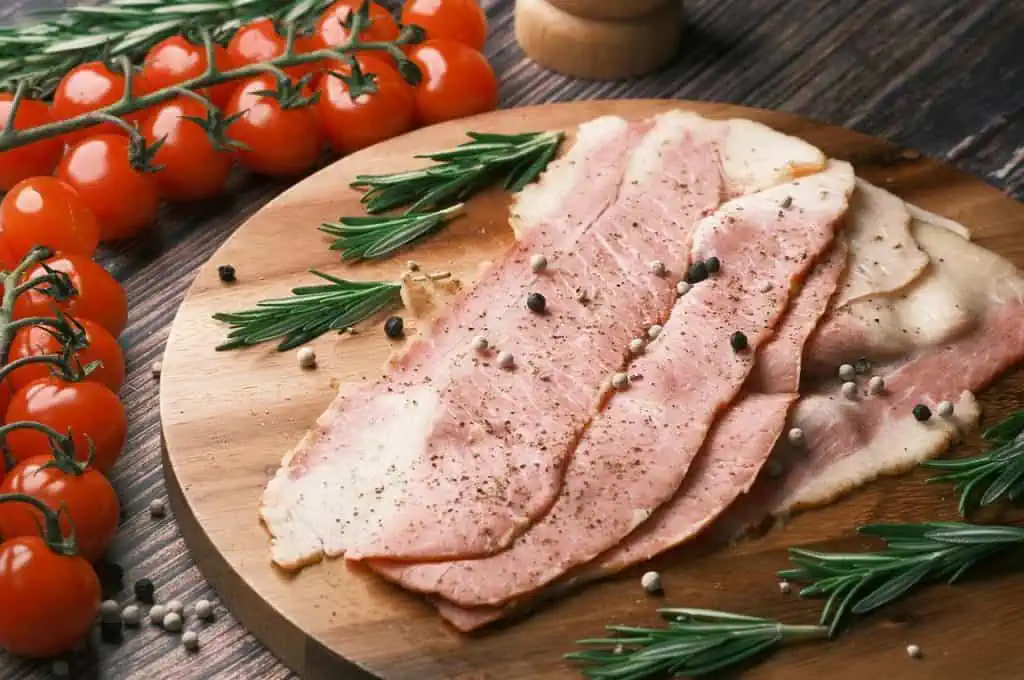
When carrying fresh or cured meats, expect strict scrutiny at U.S. customs. Fresh meats, whether beef, pork, poultry, or lamb, are largely prohibited unless thoroughly inspected. This extends to cured meats such as salami or prosciutto, which might introduce pests or diseases. The meticulous journey from farm to table within the U.S. is tightly regulated, leaving little room for outside contamination. Always check specific regulations on permissible items, as rules may vary depending on the country of origin.
Fresh Fruits & Vegetables Alert

The vibrant allure of fresh fruits and vegetables often hits a snag at customs. These seemingly benign items are a vectors for pests and diseases that can devastate U.S. agriculture. Only certain dried or canned products are typically allowed, and often with documentation certifying they meet specific safety standards. If you’re planning to bring fresh produce, get acquainted with the Department of Agriculture’s guidelines, which detail permissible items and necessary treatments ahead of your journey.
Homemade Foods: The Ingredient Trap

Homemade foods can be more problematic than they seem, as customs officials focus on the ingredients used. Complex blends and mixes cause concern due to unidentified or prohibited components, posing a risk to safety and health standards. While breads and cookies might pass inspection, items with mystery meats, fresh cheeses, or unpasteurized dairy can raise red flags. Understanding the provenance of each ingredient and if needed, labeling them clearly, can help smooth your passage through customs.
Unpasteurized Dairy: Cheesy Red Flags

Unpasteurized dairy products are generally flagged at U.S. borders due to potential health risks from untreated pathogens. The raw milk and cheeses, with their distinct textures and flavors, may appeal to connoisseurs, but pose a risk because of bacteria like Listeria and Salmonella. Pasteurization serves as a critical step in ensuring safety, and thus, pasteurized products are given a green light while raw dairy usually faces rejection. Before traveling, verify that any dairy you wish to bring meets the safety and health standards required.
Seeds, Nuts, and Plants: Hidden Risks
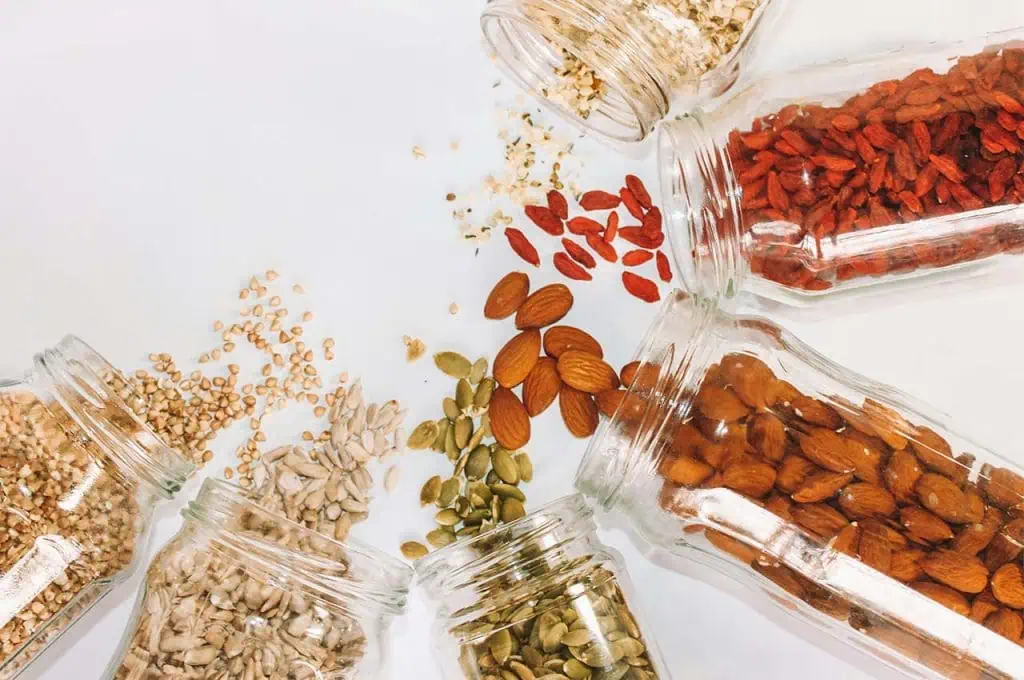
When traveling internationally, be wary of bringing seeds, nuts, and plants into the US. These items can introduce invasive species or harmful pests to local ecosystems. Many travelers are unaware that even small quantities of seeds or untreated plant products can harbor risks. Customs regulations are stringent, aiming to protect native agriculture. Always declare such items at customs to avoid fines or confiscation. Consider sourcing plant-based gifts domestically to eliminate travel-related complications and support local markets.
Exotic Animal Products: Costly Souvenirs

Exotic animal products often attract travelers looking for unique souvenirs, yet their transport is heavily restricted. Items like ivory, coral, certain furs, or anything made from endangered species are illegal. These restrictions are in place to combat poaching and protect wildlife populations. Even seemingly innocuous items such as traditional medicines or ornamental products can violate customs regulations. Verify the legality of such items before purchasing, and opt for authentic alternatives that comply with local laws to ensure a hassle-free return home.
Foreign Snacks: Banned Fillings Woes

Foreign snacks can be a delightful way to bring a taste of your travels back home, yet caution is needed. Customs policies often prohibit certain fillings, particularly those containing meat or dairy. Worries about foot-and-mouth disease or contamination can lead to banned entries. Snacking favorites like cured meats or creamy chocolates may not pass muster at the border. Carefully check ingredient labels and opt for snacks with a known track record of safe import. Should there be any doubt, consuming these treats before departure might be the best course of action.


