
Magnesium 101: Signs You’re Deficient and How to Fix It with Food

Identifying a magnesium deficiency involves recognizing subtle yet impactful symptoms. Fatigue, irritability, and general malaise can signal low magnesium levels. Blood tests can confirm deficiency, but self-awareness in noticing common symptoms is crucial. Remedying this through diet involves incorporating nuts, whole grains, and leafy greens. Each meal is an opportunity to boost magnesium intake and improve overall health, emphasizing balanced portions and diverse sources.
Weakness & Losing Your Appetite

Experiencing weakness or a reduced appetite may indicate insufficient magnesium. A tailored dietary approach can swiftly address this. Start with meals rich in spinach, almonds, and quinoa, as their magnesium content supports energy production and appetite regulation. Enhance flavors with fresh herbs, citrus, and a touch of olive oil to improve nutrient absorption. Preparing balanced, colorful plates encourages consistent magnesium intake, helping to restore energy levels.
Muscle Cramps & Constant Twitching

Muscle cramps and twitching are telltale signs of magnesium shortages, affecting comfort and productivity. Combat this by eating magnesium-dense foods like pumpkin seeds, black beans, and avocados. Integrate these into varied meals, such as adding seeds to salads or blending avocados into spreads. Adequate hydration magnifies benefits, so pair magnesium-rich foods with plenty of water or herbal teas to support muscle function and relaxation.
Heart Skips & Blood Pressure Spikes

Heart palpitations and sudden blood pressure changes can result from low magnesium levels, imposing risks without proper dietary intervention. Focus on incorporating foods like dark chocolate, lentils, and bananas. Prepare hearty stews or vibrant curries to maximize these ingredients’ benefits. A consistent intake can stabilize heart rhythms and manage blood pressure. Remember, cooking methods matter; opt for steaming or baking to preserve magnesium content.
Anxiety & That Brain Fog

A deficiency in magnesium can manifest through increased anxiety and persistent brain fog. This mineral plays a crucial role in neurological function and neurotransmitter regulation, which directly affect mood and cognitive clarity. Incorporating magnesium-rich foods into your diet can effectively enhance these functions. Dark leafy greens, whole grains, and legumes are excellent sources. Prioritizing these foods helps stabilize your nervous system, leading to improved mental clarity and reduced anxious feelings.
Numbness & Tingling Sensations

Experiencing unexplained numbness or tingling may indicate low levels of magnesium. This essential mineral facilitates nerve transmission, making it critical for maintaining healthy nerve function. Address this by including foods rich in magnesium such as bananas, avocados, and almonds in your diet. Proper intake supports nerve health and reduces the likelihood of these uncomfortable sensations. A balanced approach focusing on these foods can restore vitality to your nervous system.
Boost Your Magnesium with Food

Enhancing magnesium intake through diet is both effective and straightforward. Focus on diverse, whole foods such as spinach, quinoa, and dark chocolate. These selections are not only nutrient-dense but also enjoyable options for daily meals. Prepare meals by integrating these ingredients into salads, grain bowls, and snacks, ensuring maximum absorption. Regularly consuming these foods can significantly boost magnesium levels, leading to improved overall health.
Seeds & Nuts: Tiny Powerhouses
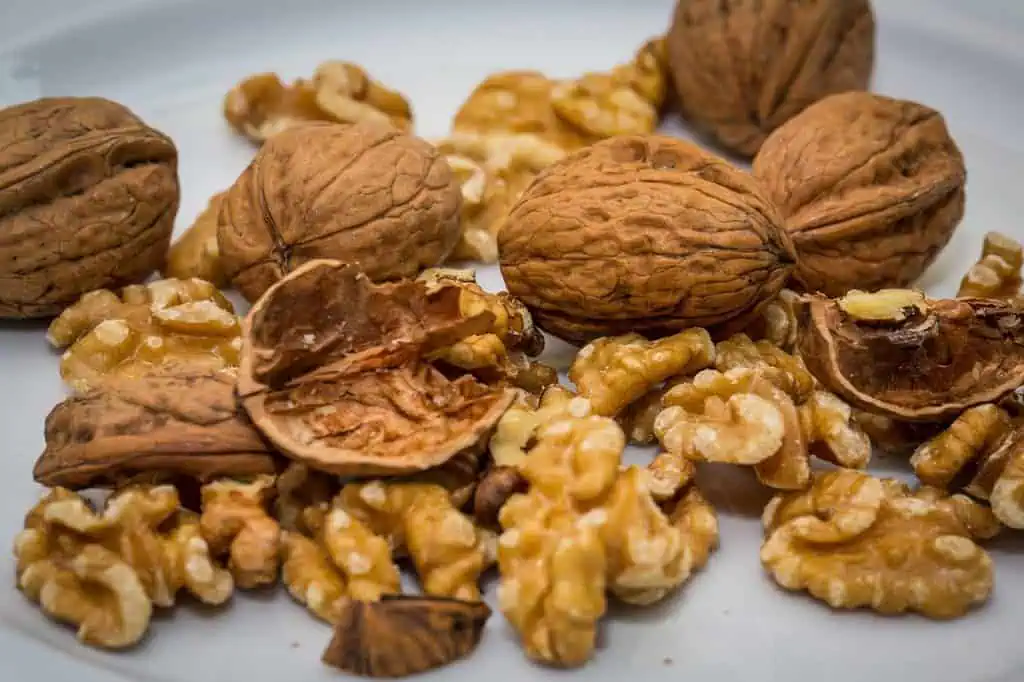
Incorporate seeds and nuts into your diet to leverage their magnesium benefits. Pumpkin seeds, cashews, and almonds are excellent sources, rich in this vital mineral. These tiny powerhouses can be easily added to salads, yogurts, or eaten as a snack, providing a substantial magnesium boost. Their versatile nature allows them to enhance various dishes while contributing to your daily magnesium requirement. Enjoy these nutrient-dense options to support optimal health.
Legumes & Beans for a Boost

Legumes and beans are exceptional sources of magnesium, offering both versatility and nutritional density. Lentils, chickpeas, and black beans stand out, delivering a hearty magnesium punch. Incorporate them into soups, stews, or as a base for vibrant salads. When cooking dried beans, a gentle simmer in salted water enhances their texture, avoiding mushiness. Use an overnight soak to reduce cooking time and aid digestion. For a quick meal, canned varieties work well; just rinse to remove excess sodium before use.
Go Whole with Grains

Whole grains like quinoa, brown rice, and oats are rich in magnesium, providing a nutty depth that complements many dishes. Opt for unrefined grains to make the most of this essential mineral. When preparing quinoa, rinse it well to remove any bitterness, and use a 2:1 water-to-grain ratio for perfect fluffiness. Incorporate oats into your breakfast routine; overnight oats can be an effortless, nutritious start to your day. Remember, toasting grains before cooking enhances their natural flavors.
Leafy Greens: Nature's Multivitamin
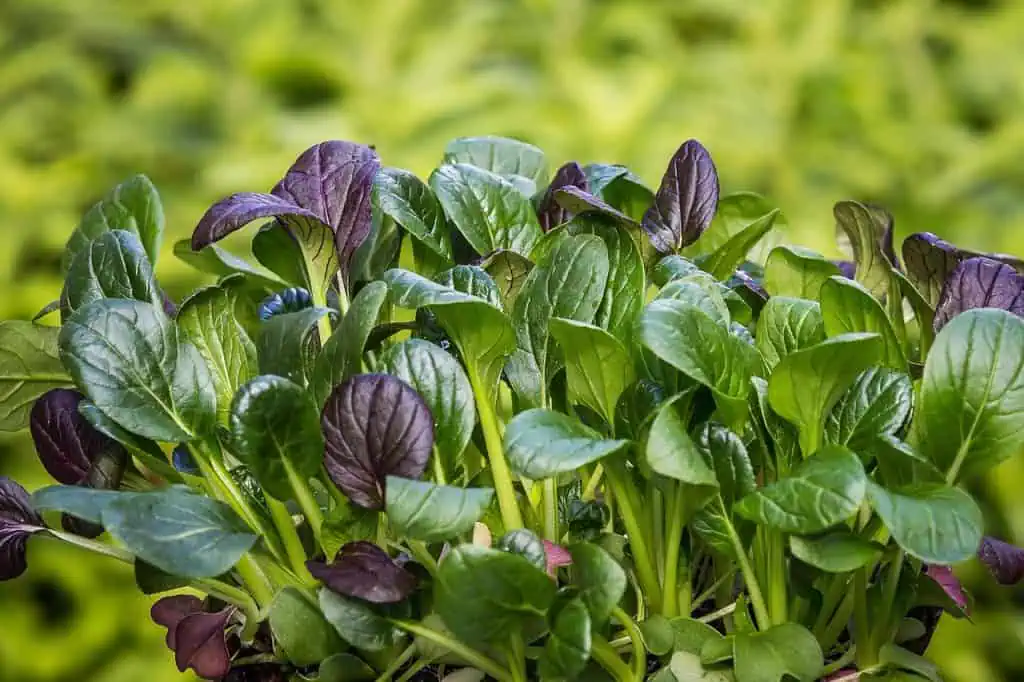
Leafy greens such as spinach, kale, and Swiss chard are dense in magnesium and other vital nutrients. To preserve their vibrant color and nutrients, blanch greens quickly in boiling water, then plunge them into an ice bath. Incorporate them into smoothies, sauté with garlic for a simple side, or layer in casseroles. Massaging kale with a bit of olive oil and lemon softens its texture, making it more palatable in salads. Freshness matters, so choose crisp, bright leaves for the best results.
Fatty Fish: Omega & Magnesium

Fatty fish like salmon, mackerel, and sardines are not only rich in omega-3 fatty acids but also provide a good dose of magnesium. To retain moisture, bake or grill fish with the skin on, seasoned simply with salt, pepper, and a touch of lemon. A quick sear on high heat creates a delightful crust while keeping the interior tender. For an extra layer of flavor, consider a marinade with olive oil, herbs, and garlic. Fish pairs excellently with other magnesium-rich ingredients, creating balanced meals.
Indulge in Dark Chocolate

Dark chocolate, a delectable treat, is surprisingly rich in magnesium. Choose varieties with at least 70% cacao for maximum benefits and a deeper, more intense flavor. Enjoy it on its own, or add to baked goods for an indulgent twist. Melted dark chocolate can also serve as a silky topping for fruits, enhancing their sweetness. When cooking with chocolate, use gentle heat to prevent seizing, and pair with nuts or berries to complement its rich, complex notes.
Avocado: Creamy & Nutrient-Rich

Avocados are a powerhouse of magnesium, delivering this essential mineral with creamy texture and rich flavor notes. When selecting avocados, look for firm yet slightly yielding fruits, indicating ripeness, which allows for easy mashing or slicing. Incorporate avocados into your meals by adding them to salads, blending them into smoothies, or simply spreading them on whole-grain toast. Their natural fat content enhances absorption of magnesium and other vitamins, making avocados not just nutritious but also efficient in bolstering your diet.


