
The Easter “Avoid” List: 5 Foods That Always Leave Guests Disappointed

Hosting the perfect Easter dinner in 2026 is less about what you make and more about what you choose to skip. While tradition is a powerful motivator, many classic holiday staples have become notorious for leaving guests subtly disappointed.
As diners shift toward “clean-label” expectations and complex flavor profiles, the “safe” choices of the past like generic jelly beans or overly sweet hams, are increasingly falling flat. To keep your reputation as a top-tier host intact, steer clear of these five common culinary offenders that often end up untouched or politely pushed aside.
Generic “Sugar-Sponge” Jelly Beans
While they look festive in a glass jar, generic, wax-coated jelly beans are consistently ranked as the least-liked Easter treat of 2026. Guests are increasingly vocal about the “identity crisis” of these candies, which often taste more like artificial chemicals than fruit.
In an era where gourmet, naturally flavored beans are readily available, serving the neon-colored “bag o' sugar” feels dated. If you want to satisfy a sweet tooth, opt for high-quality pectin-based candies or real fruit-juice chews that offer a sophisticated “pucker” rather than just a sugar rush.
The “Once-a-Year” Cadbury Creme Egg
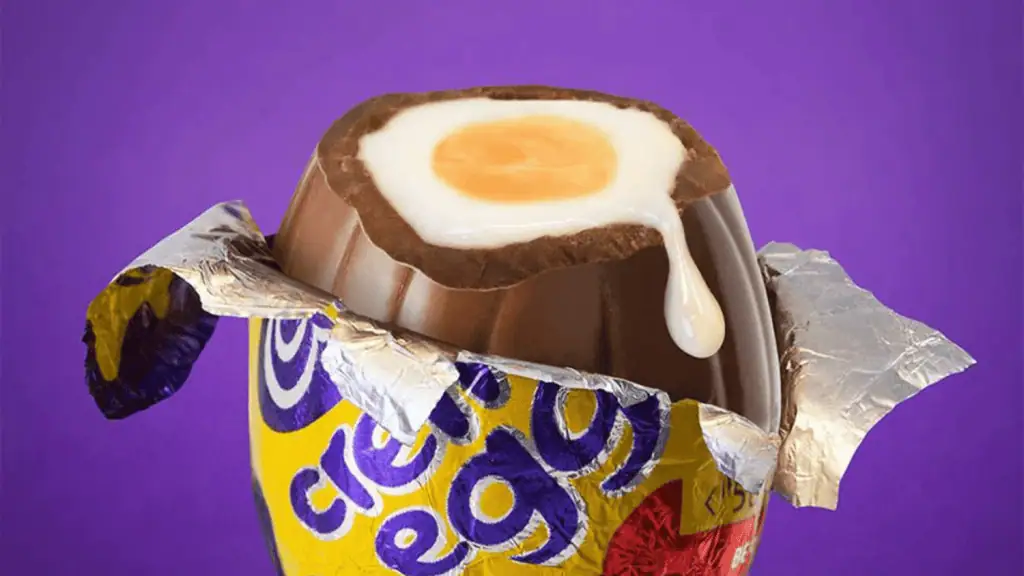
It is a cultural icon, but in 2026, the Cadbury Creme Egg remains one of the most divisive items on the table. Many guests find the liquid fondant center to be “cloyingly sweet,” and concerns over “shrinkflation” have left the chocolate shell feeling thinner and less premium than in years past.
Instead of the classic gooey egg, consider serving “texture-heavy” alternatives like dark chocolate truffles with sea salt or miso-caramel fillings. These satisfy the chocolate craving without the “sugar shock” that often follows a single bite of the traditional fondant egg.
Oversweetened “Store-Bought” Glazed Ham

The centerpiece of many tables is often its biggest disappointment: the pre-glazed, spiral-cut ham. These are frequently loaded with high-fructose corn syrup and synthetic honey flavorings that mask the natural savoriness of the meat. In 2026, as the MAHA movement gains traction, guests are looking for “real” glazes made from maple syrup, mustard, or fresh citrus.
A ham that is too sweet can overwhelm the delicate spring side dishes like asparagus or peas, turning a balanced meal into a one-note sugar experience that leaves guests feeling sluggish.
“Accursed” Jordan Almonds

Often referred to as “tooth-breakers,” Jordan almonds are the ultimate “look-but-don't-touch” food. While their pastel shells fit the 2026 “quiet luxury” aesthetic perfectly, the rock-hard sugar coating and often flavorless, dry almonds inside are a frequent source of guest complaints.
They are the definition of style over substance; they look beautiful in a bowl but are rarely finished. Swap these for roasted Marcona almonds with rosemary or smoked sea salt to provide a high-end crunch that guests will actually enjoy eating between courses.
Gelatin-Heavy “Retro” Salads
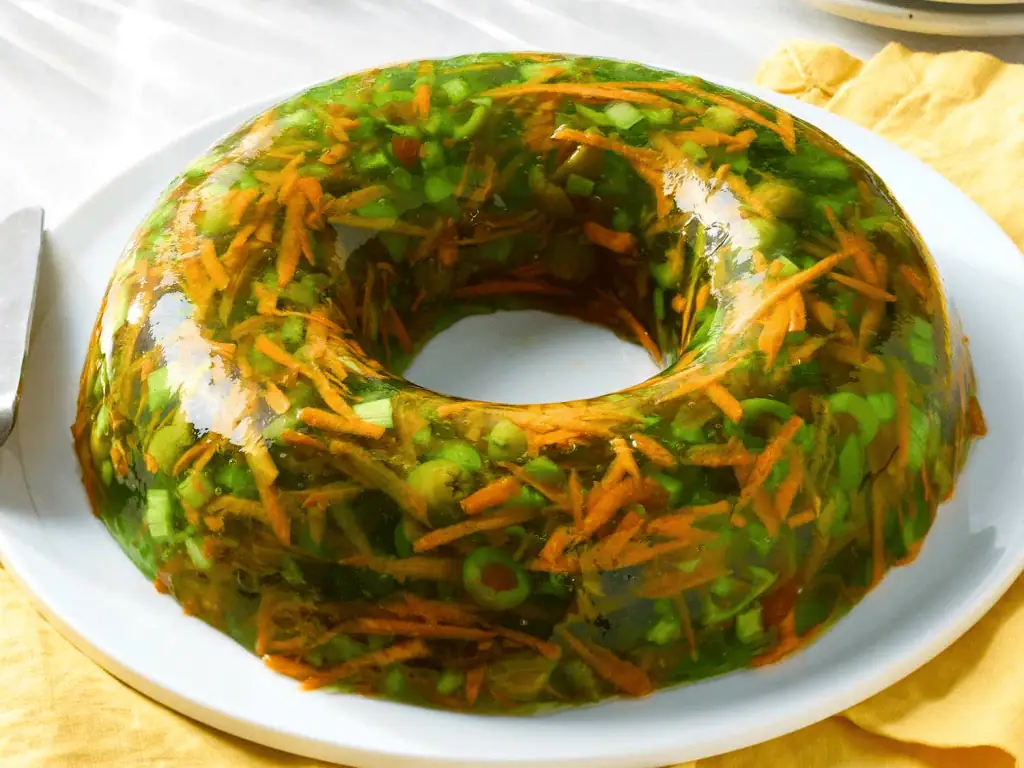
The 2026 “Retro Food” trend has brought many 1970s dishes back to life, but the “Ambrosia” or gelatin-based fruit salad should stay in the past. These dishes, often a mix of marshmallows, canned fruit, and heavy cream, feel out of place alongside the fresh, vibrant produce of a modern spring menu.
Today's guests prefer a “Clear Fruit Egg” made with agar or a simple mint-and-berry toss. Serving a heavy, gelatinous side dish can make the meal feel “weighed down” and outdated, missing the opportunity to highlight the crisp, light flavors that define a successful spring celebration.


