
9 Trendy Foods Everyone Suddenly Stopped Eating in 2025( And Why)
Food trends move faster than ever, driven by social media, influencer culture, and rapid shifts in consumer priorities. In 2025, several once ubiquitous foods didn’t just fade they vanished almost overnight. Some became too expensive, others felt overdone, and a few simply lost their novelty as people craved balance and familiarity again. These foods weren’t failures; they were victims of oversaturation, economic pressure, and evolving tastes. Here’s why these once-trendy favorites suddenly fell off American plates.
Butter Boards

Butter boards exploded as a visually striking alternative to charcuterie, but by 2025, enthusiasm collapsed. What once felt indulgent began to feel impractical and wasteful. Hosts grew tired of the mess, hygiene concerns, and high butter costs, while guests questioned why plain bread spreads replaced more balanced snack options. As social media moved on, butter boards lacked staying power beyond shock value, making them one of the fastest food trends to burn out.
Baked Feta Pasta

After dominating feeds for years, baked feta pasta reached peak fatigue in 2025. Rising dairy prices made it less accessible, and many home cooks felt they’d already perfected or exhausted the recipe. The dish’s richness also clashed with growing interest in lighter, more flexible meals. Once every variation had been posted, it stopped feeling new, and people quietly returned to simpler pasta dishes without viral expectations.
Cloud Bread
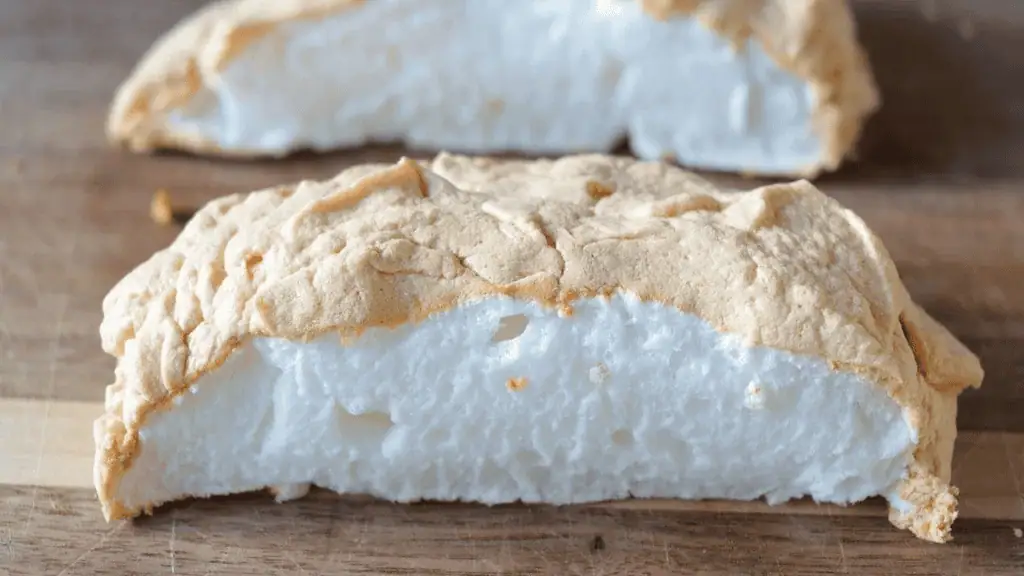
Cloud bread resurfaced briefly in early 2025 as nostalgia-driven content but disappeared just as fast. While visually appealing, it failed to satisfy as actual food. Many people found it bland, impractical, and nutritionally confusing. As consumers prioritized foods that offered real enjoyment and sustenance, novelty-only recipes like cloud bread lost relevance. The trend proved that viral visuals alone no longer guarantee longevity.
Loaded Freakshakes

Oversized milkshakes piled with donuts, candy, and frosting once symbolized indulgence culture. In 2025, they felt excessive rather than exciting. Rising food costs, health awareness, and portion fatigue made freakshakes less appealing. Consumers shifted toward desserts that felt intentional instead of overwhelming. What once attracted crowds began to look dated, signaling a broader move away from extreme food trends.
Everything “Activated” Charcoal

Charcoal foods, from lattes to ice cream, lost traction after repeated warnings about digestive interference and medication absorption. By 2025, consumers will become wary of wellness trends without clear benefits. What once seemed edgy and detox-focused began to feel unnecessary and risky. Restaurants quietly removed charcoal items, and shoppers stopped seeking them out, marking a shift toward more evidence-based wellness choices.
Plant-Based Meat Replicas

While plant-based eating remains strong, hyper-realistic meat substitutes lost momentum in 2025. Many consumers felt these products were overly processed, expensive, and nutritionally confusing. Instead, people gravitated toward whole-food plant dishes rather than imitation meats. The decline wasn’t rejection it was refinement, as shoppers sought simpler, cleaner ingredient lists over novelty replication.
TikTok Mug Cakes

Mug cakes promised instant dessert but often delivered inconsistent results. By 2025, consumers grew tired of soggy textures, uneven cooking, and sugar overload. As baking confidence increased, people preferred small-batch desserts that felt worth the effort. Mug cakes became associated with rushed shortcuts rather than comfort, causing them to fade from everyday use.
Ultra-Spicy “Challenge” Foods

Extreme spice challenges lost popularity as novelty wore thin and safety concerns grew. Many consumers moved away from pain-based eating experiences toward flavor-forward spice. In 2025, the focus shifted to balance rather than endurance. Foods designed solely for shock value no longer align with evolving tastes that prioritized enjoyment over internet spectacle.
Overloaded Aesthetic Smoothie Bowls

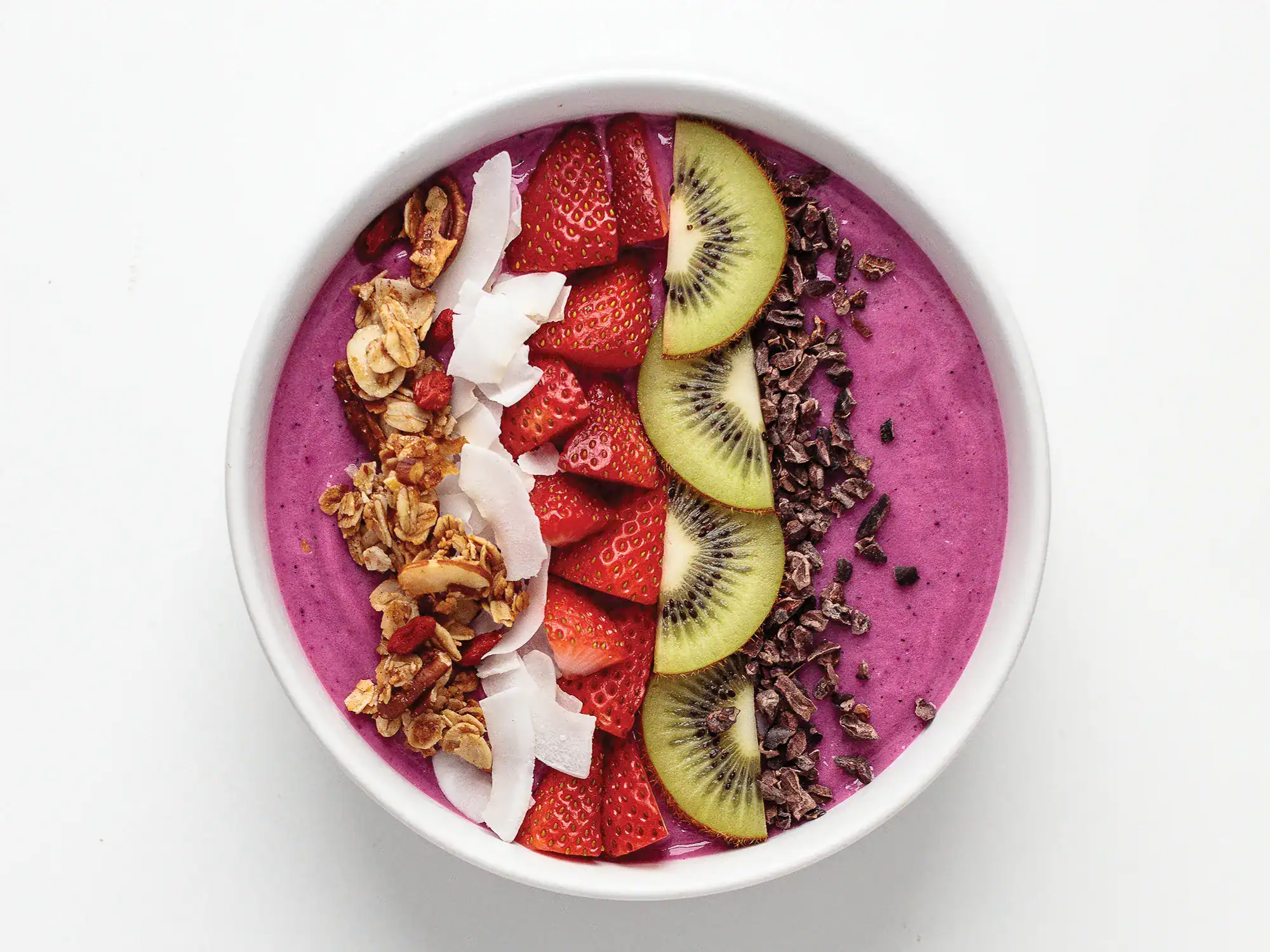
Once Instagram staples, smoothie bowls piled with excessive toppings fell out of favor. High costs, prep time, and calorie confusion made them feel impractical for daily life. Consumers began favoring simpler smoothies that delivered nutrition without performance plating. The decline reflected a broader move toward functionality over visual excess.


