
9 Top Veggies for a Healthier Heart and Lower Cholesterol

Focusing on heart health and cholesterol management through diet is both practical and rewarding. Incorporating the right vegetables can make a significant impact on your well-being. This guide explores nine top veggies, beginning with some of the most effective and versatile options that support cardiovascular health.
Spinach: The Leafy Green Powerhouse

Spinach shines as a versatile leafy green packed with nutrients vital for heart health. Rich in omega-3 fatty acids, potassium, and nitrates, it helps regulate blood pressure and reduce inflammation. Use spinach in salads, smoothies, or lightly sautéed with garlic for an easy, nutritious dish. Pairing with a squeeze of lemon juice enhances iron absorption, optimizing the benefits.
Broccoli: A Cruciferous Champion
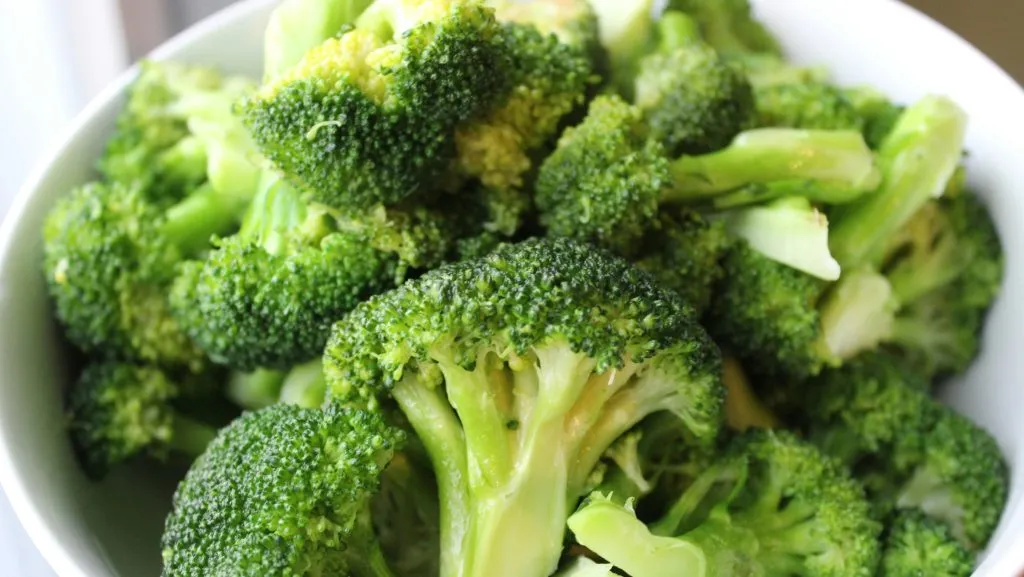
Broccoli is a standout cruciferous vegetable loaded with fiber, vitamins C and K, and antioxidants. It's known for its ability to lower cholesterol and promote heart health. Steaming broccoli preserves its nutrients, while roasting enhances its flavor. Try tossing it with olive oil, lemon zest, and a pinch of salt for a simple, heart-healthy side.
Avocado: Creamy Cholesterol Fighter

Avocado provides a rich source of monounsaturated fats, which are beneficial in reducing bad cholesterol levels. Its creamy texture makes it perfect for spreads, salads, or smoothies. Enhance its natural flavor by adding a touch of lime juice, cilantro, and sea salt for a heart-supportive guacamole that pairs well with whole-grain options.
Carrots: Crunchy Alpha-Carotene Boost

Carrots offer a crunchy texture and a powerful dose of alpha-carotene, contributing to lower cholesterol levels. Enjoy them raw for a healthy snack, or roast to bring out their natural sweetness. Carrots pair well with a light drizzle of olive oil and a sprinkle of fresh herbs like thyme or parsley, making them a deliciously simple way to support heart health.
Tomatoes: Heart-Protective Lycopene
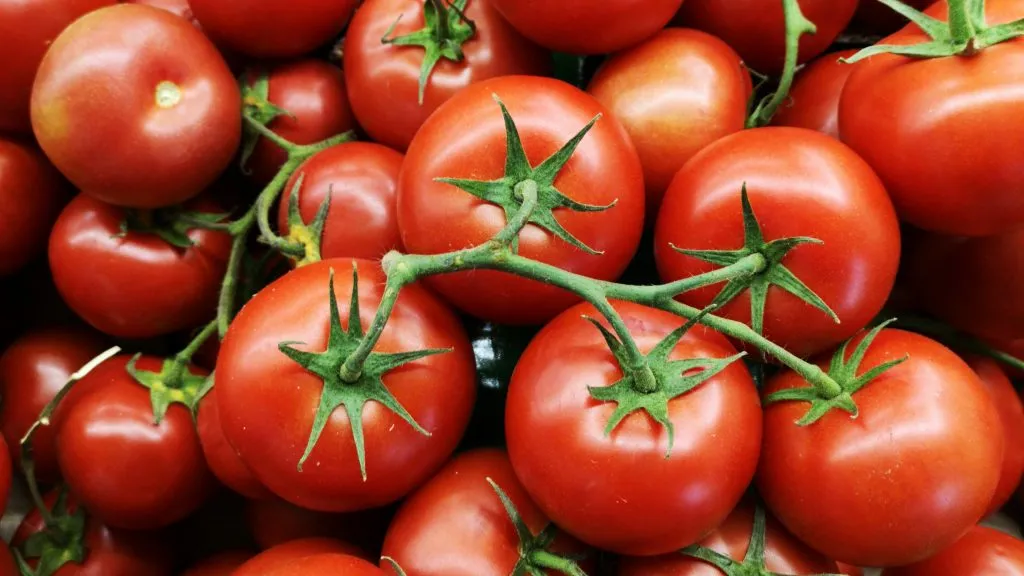
Tomatoes are rich in lycopene, a powerful antioxidant acclaimed for its heart-protective benefits. To maximize lycopene absorption, cook tomatoes with a touch of olive oil—this process enhances the compound's bioavailability. Add slow-simmered tomato sauces to your repertoire, allowing the natural sweetness to develop while maintaining a nutrient-packed base for any dish. Choose ripe, red tomatoes for the richest flavor and the highest lycopene content.
Kale: Nutrient-Dense Antioxidant Source

Kale stands out with its impressive array of vitamins, minerals, and antioxidants. It can be quickly sautéed with garlic and a squeeze of lemon to preserve its nutrients and enhance its earthy taste. Incorporate kale into smoothies for a nutrient boost without overpowering flavors. When selecting kale, look for firm, deep-green leaves, which indicate freshness and optimal nutritional content. Massaging kale with olive oil can soften its texture, making it more pleasant in salads.
Brussels Sprouts: Fiber-Rich Mini Cabbages
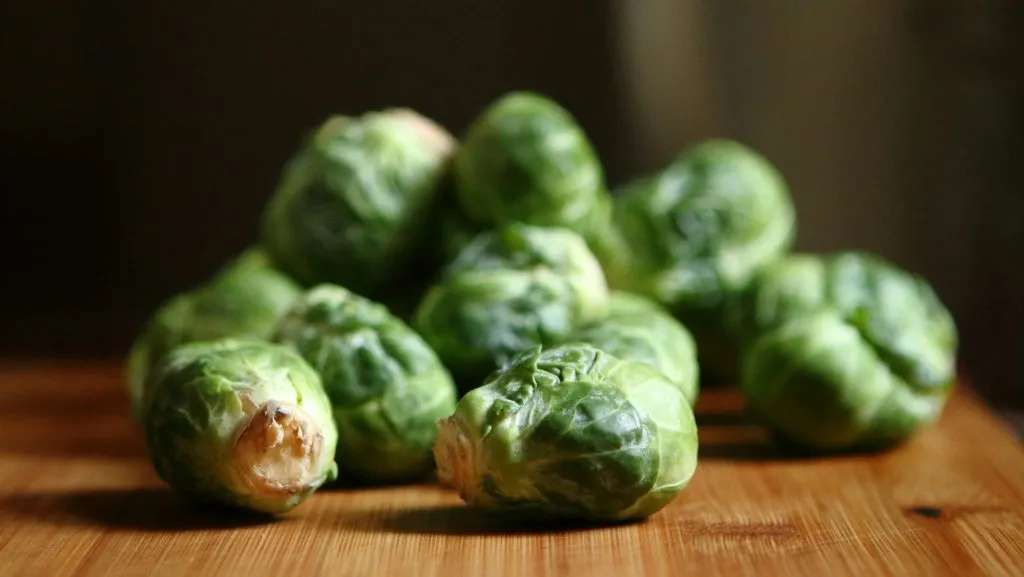
Brussels sprouts offer abundant fiber and heart-healthy compounds. Roasting them at high heat brings out a natural sweetness and nutty flavor. Halve the sprouts for even cooking and crisp edges. A toss with balsamic vinegar before roasting adds tang and caramelization. Avoid overcooking to prevent a mushy texture and to retain their bright green color. Look for compact, firm sprouts, avoiding any with yellowing leaves for the best results.
Peppers: Vitamin C for Heart Health

Peppers, especially red varieties, provide a rich source of vitamin C, crucial for cardiovascular health. Slice them thinly for quick cooking, maintaining their vibrant crunch and flavor. Add them to stir-fries or raw salads for a colorful, nutritious addition. Select peppers with firm skin, free from blemishes for optimal taste and texture. Roasting can also concentrate their sweetness, offering a delightful depth of flavor.
Garlic: The Allium with Allicin Power

Garlic is celebrated for its allicin compound, known for supporting heart health. Proper preparation begins with crushing or chopping the cloves to activate allicin before cooking. Allow them to sit for a few minutes to maximize potential health benefits. Incorporate garlic into dishes towards the end of cooking to maintain its robust flavor. Store garlic in a cool, dry place and use it fresh to enjoy its full array of flavors and health benefits.


