
10 “Future Foods” Scientists Say Will Dominate American Kitchens by 2035

The culinary landscape is constantly evolving, with innovative foods poised to change the way we eat. By 2035, certain “future foods” are expected to become kitchen staples, offering sustainable, nutritious, and exciting new culinary possibilities. Embracing these advancements gives home cooks the opportunity to explore novel textures and flavors, reflecting a growing awareness of health and environmental impact. Understanding and integrating these foods will not only expand your culinary repertoire but also align your cooking habits with future-oriented eating trends.
Lab-Grown Meat: Clean Protein Revolution

Lab-grown meat represents a significant advancement in the search for sustainable protein sources. Cultivated from animal cells, it's designed to replicate the taste and texture of conventional meat without the environmental drawbacks of traditional livestock farming. When preparing lab-grown meat, treat it like you would premium cuts; consider using high-heat methods like grilling or searing to develop a delightful crust, enhancing its flavor. Pay attention to seasoning, as lab-grown varieties may offer a cleaner palate, allowing herbs and spices to shine.
Algae Snacks: The Green Superfood
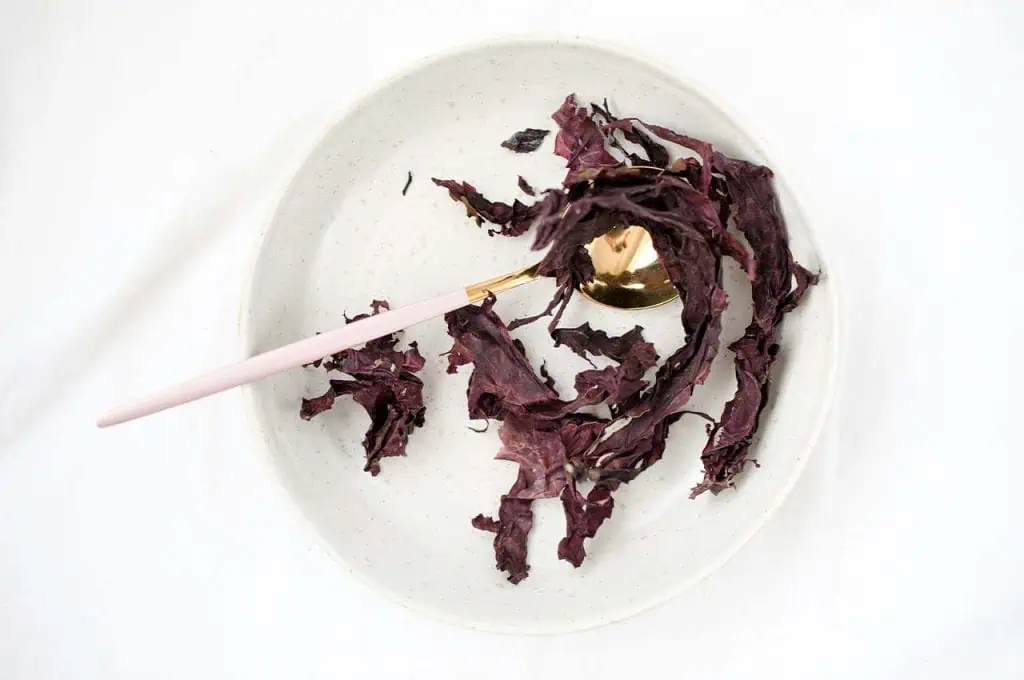
Algae snacks are an exciting, nutrient-dense addition to the eco-conscious kitchen. Rich in vitamins, minerals, and antioxidants, they provide a savory and umami-rich experience. When incorporating algae into your meals, think beyond chips. Use powdered forms in smoothies for a nutritional boost or blend them into soups and stews for depth of flavor. Algae’s briny, oceanic quality can be highlighted with citrus and heat, so experiment with lemon and chili to create a balanced and intriguing snack.
3D-Printed Pasta: Custom Shapes at Home
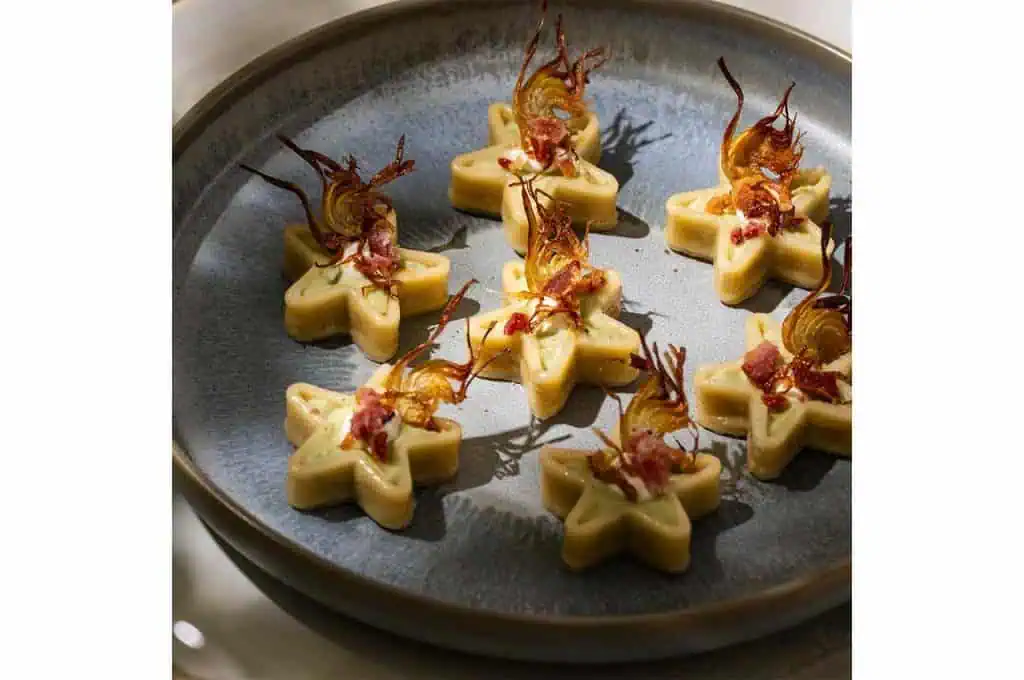
3D-printed pasta brings a new wave of creativity to the kitchen, allowing for custom shapes and sizes tailored to your culinary vision. The technology enables precision and personalization, transforming flour and water into intricate designs. When cooking 3D-printed pasta, focus on uniform cooking times due to its precise thickness. Pair with simple, elegant sauces that complement the artistry, such as a silky carbonara or a light aglio e olio. This form of pasta invites meticulous plating, making each dish visually stunning.
Insect Protein: Crunchy and Nutritious
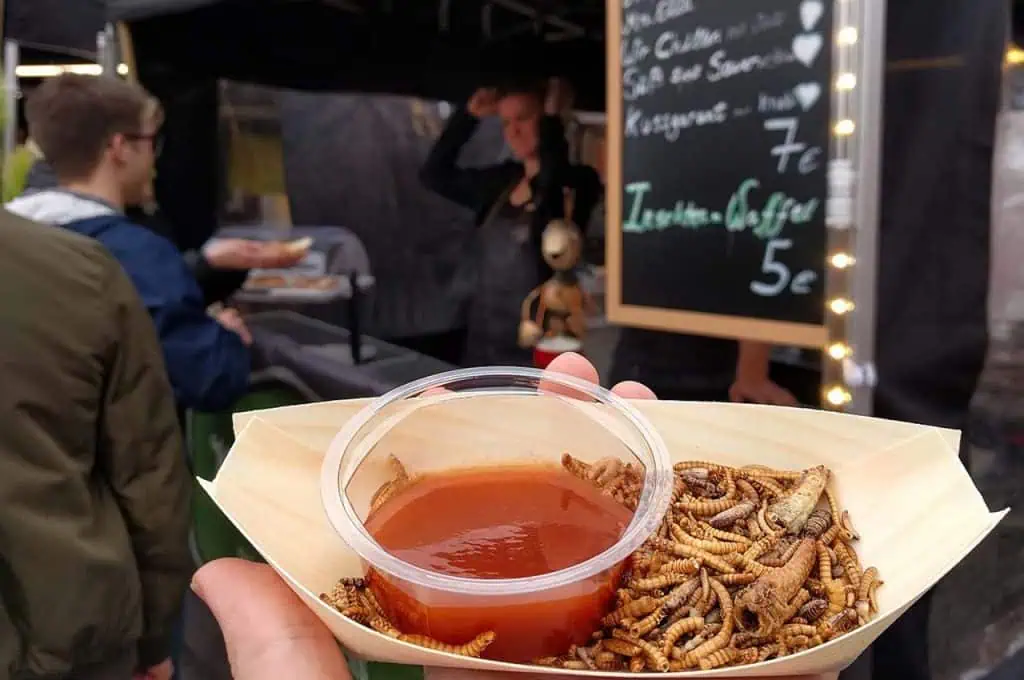
Insect protein is gaining traction as a sustainable alternative, offering high nutritional value with minimal environmental impact. Incorporate cricket powder into baked goods for a subtle protein boost, or use roasted insects for a crunchy topping that adds texture and intrigue to salads and snacks. When cooking with insects, balance their unique nutty flavor with familiar ingredients like chocolate or cinnamon in desserts. Stay mindful of presentation and pair insect components with colorful, fresh elements to create an inviting dish for hesitant taste testers.
Functional Foods: Personalized Nutrition

Functional foods are becoming tailored to individual health needs, integrating scientific insights into daily meals. By examining genetic predispositions and lifestyle factors, these foods are designed to deliver nutrients specific to individual requirements. Techniques such as nutrient encapsulation ensure targeted delivery. Home cooks can explore functional ingredients like turmeric for its anti-inflammatory benefits or spirulina for its protein content, turning everyday meals into personalized nutrient powerhouses.
Seaweed Crisps: A New Kitchen Staple

Seaweed crisps provide a crunchy, flavorful addition to the kitchen repertoire, offering high iodine content with minimal environmental impact. Easily made by brushing nori sheets with a light sesame oil and baking until crisp, these chips highlight umami flavors and retain their nutrient density. Home chefs can experiment with seasoning variations, like chili flakes or sesame seeds, to add depth to salads or as a standalone snack. Seaweed crisps transform appetizers with their sustainable allure and briny complexity.
Cultured Dairy: Cow-Free Creaminess

Cultured dairy, now moving beyond traditional sources, offers rich textures and tangy tastes without animal involvement. Utilizing fermentation processes, these cow-free products recreate creamy elements with nuts, seeds, and legumes. Home cooks can craft their own probiotic-rich, plant-based yogurts using almond or oat bases and cultures. This method allows for control over consistency and flavor, supporting lactose-free diets while maintaining all the traditional culinary applications, from parfaits to sauces.
Plant-Based Seafood: Ocean-Friendly Dining

Plant-based seafood leverages innovative ingredients like algae and soy to mimic the texture and flavor of fish and shellfish. This eco-conscious alternative requires mastering techniques to preserve moisture and achieve the desired flakiness, like gentle steaming or quick searing. Season with umami-rich ingredients such as miso or seaweed for authenticity. This approach offers a versatile way to enjoy dishes like fish tacos or ceviche while supporting ocean health and catering to diverse dietary needs.
Smart Fermented Foods: Probiotic Power
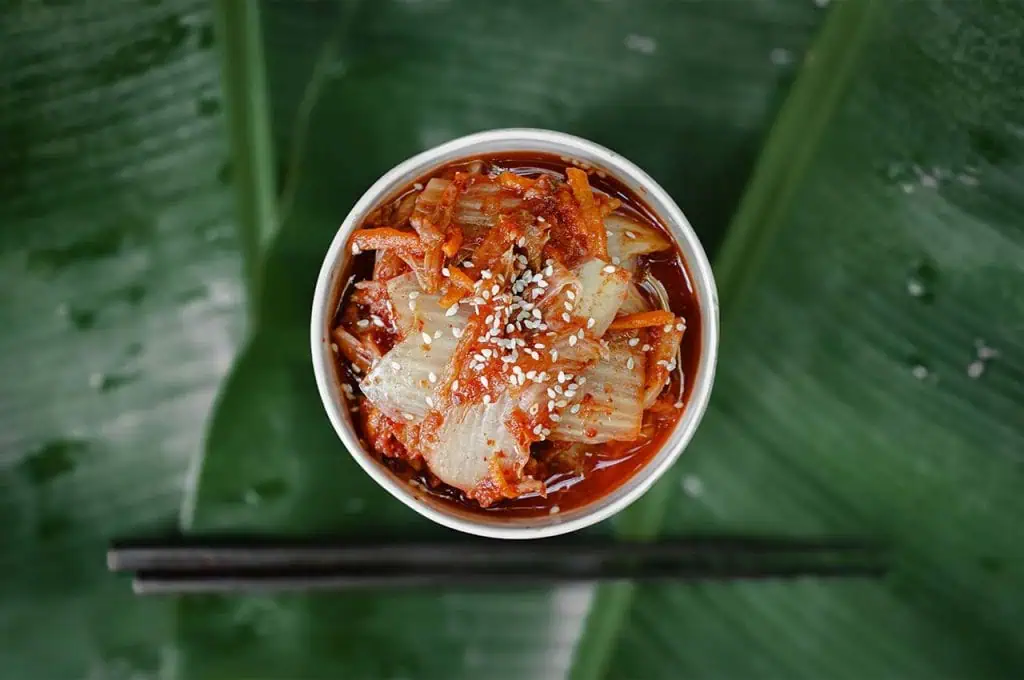
Smart fermented foods emphasize probiotic benefits, using advanced methods to enhance gut health. Incorporate fermentation at home by making sourdough, kimchi, or kombucha, focusing on controlling fermentation time and environment for optimal growth of beneficial bacteria. Easily adjust acidity and spice levels to taste. These foods notably improve digestive health, pairing tangy flavors with versatility in dishes from sandwiches to stews, turning simple meals into gut-friendly feasts.
Edible Packaging: Flavorful and Eco-Friendly
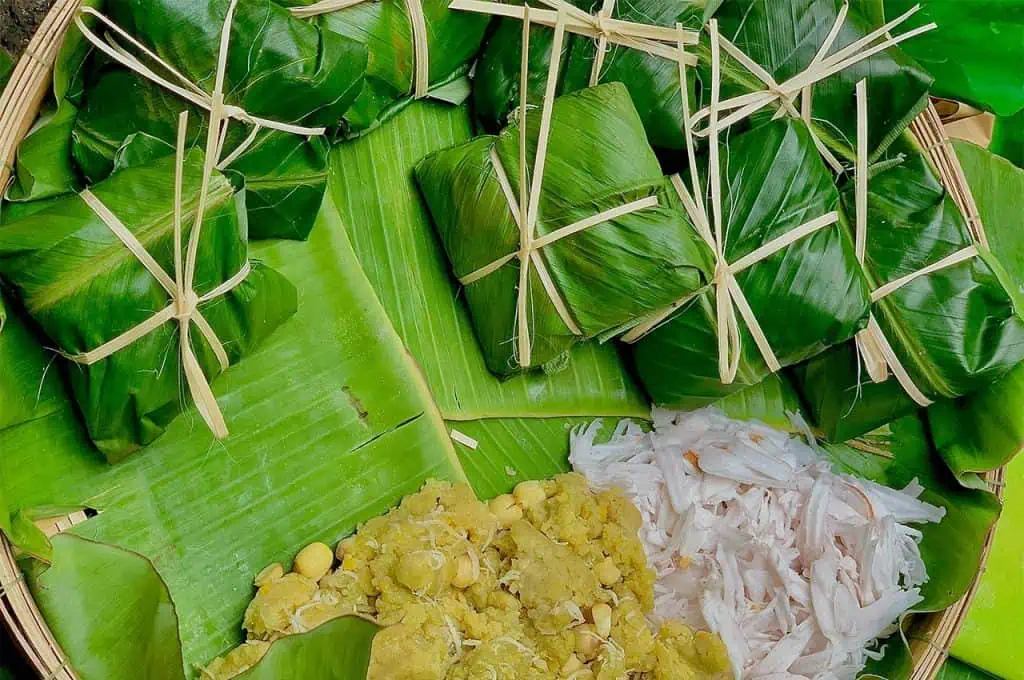
Edible packaging offers a sustainable alternative and provides unique flavor profiles to accompany your dishes. These innovative wraps are made from natural ingredients like seaweed and rice, which dissolve in hot dishes or add a welcome crunch to cold meals. When leveraging these wrappers, consider their flavor pairings, seaweed pairs well with seafood and Asian-inspired dishes, while rice wraps complement savory fillings. Mastering this eco-friendly option not only reduces plastic waste but also enhances the layers of flavor and texture in your culinary creations.


