
8 Cooking Practices Americans Swore By in the 1960s That Are Unthinkable Today

American home cooking in the 1960s was shaped by convenience, trust in industrial food systems, and a very different understanding of health and safety. Families followed guidance from magazines, advertisers, and home economics classes with little reason to question long-term effects. Efficiency, affordability, and reliably feeding a household mattered more than nutritional nuance or risk awareness. Looking back, many everyday practices now feel surprising or even alarming not because people were careless, but because scientific knowledge, regulation, and priorities have shifted so dramatically over time.
Cooking With Raw Eggs Without Concern

Raw eggs were used freely in 1960s kitchens without hesitation or fear. Homemade mayonnaise, uncooked egg-based dressings, tasting cake batter, and even raw-egg drinks were considered normal parts of cooking. Salmonella was not widely discussed, pasteurization wasn’t common, and eggs were generally assumed to be safe. Refrigeration standards also varied widely between households. Today, warnings about raw eggs are everywhere, and pasteurized alternatives are common. This earlier comfort with uncooked eggs now feels risky and almost unthinkable by modern food-safety standards.
Leaving Food Out for Hours

It was common for meals to be prepared well in advance and left sitting on stoves, counters, or tables until everyone was ready to eat. Potlucks, church suppers, and family gatherings often featured dishes sitting out for hours without refrigeration or temperature control. The idea of “the danger zone” wasn’t emphasized, and spoilage was judged by smell or appearance. Today’s food safety guidelines strongly discourage this behavior, making it feel hazardous. At the time, however, it was simply how hosting and communal meals functioned.
Heavy Reliance on Canned Everything

Canned foods were viewed as modern, reliable solutions rather than compromises. Vegetables, meats, soups, sauces, and even full meals regularly came from cans and were combined into casseroles without concern. Freshness mattered far less than shelf stability and consistency. Canning symbolized progress and safety, not overprocessing. While canned foods still exist today, the sheer scale of reliance in the 1960s feels extreme in a modern era that prioritizes fresh ingredients, minimal processing, and shorter ingredient lists.
Cooking With Large Amounts of Shortening
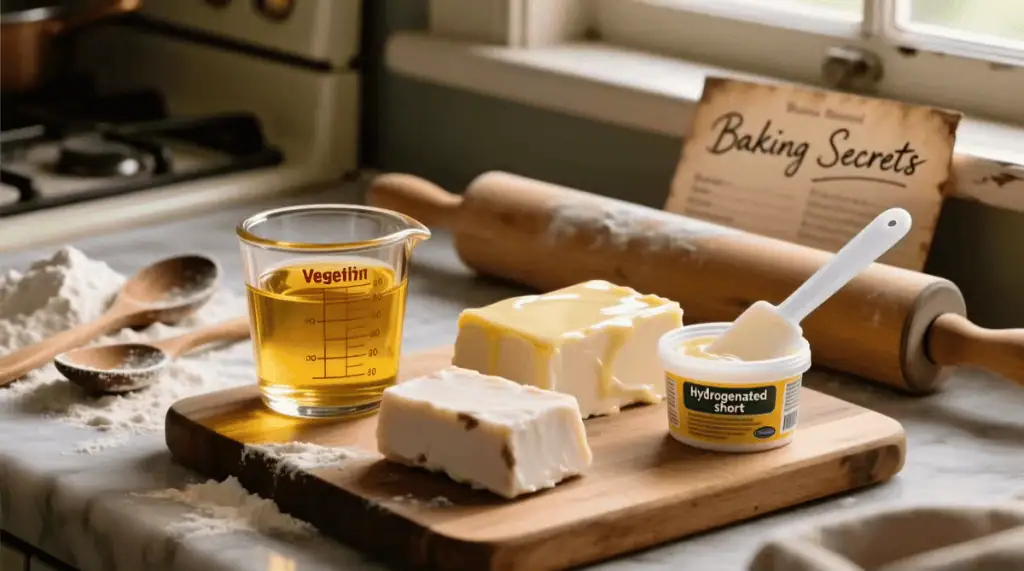
Solid shortening was a dominant kitchen ingredient used for frying, baking, pie crusts, and even spreading. It was heavily marketed as cleaner, more modern, and more dependable than butter or lard. Health concerns weren’t part of the public conversation, and trans fats were not yet understood. Recipes often relied on shortening for texture and shelf stability. Today, widespread awareness of trans fats and cardiovascular risks has dramatically changed perception, turning what was once a staple into an ingredient many cooks now actively avoid.
Ignoring Expiration Dates

Expiration and “best by” dates were not treated as strict rules in the 1960s. Many cooks relied on smell, appearance, and long-standing habit rather than printed labels. Food often stayed in the refrigerator or pantry until it was clearly spoiled or unusable. This approach reflected both frugality and limited guidance from manufacturers. Modern households tend to be far more date-conscious and risk-averse, making this casual attitude feel unsettling today. At the time, it was simply considered practical and normal kitchen judgment.
Trusting Processed Foods as Healthier
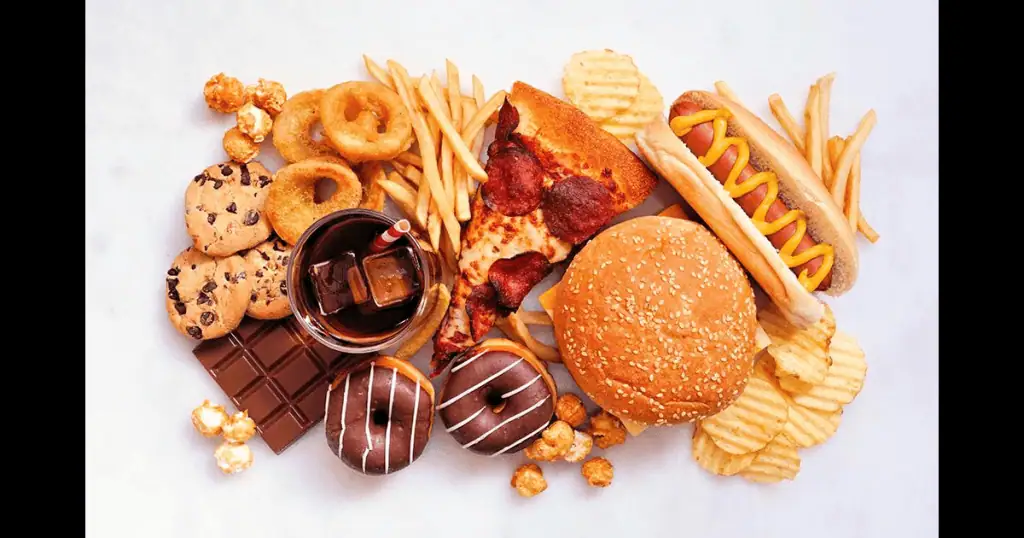
Processed foods were widely believed to be safer, cleaner, and even more nutritious than homemade alternatives. Fortification with vitamins and minerals was marketed as scientific progress, and convenience was framed as a modern responsibility. TV dinners, powdered drink mixes, and boxed baking products carried strong health halos, reinforced by advertising and expert endorsements. Few people questioned ingredient lists or long-term effects. Today’s skepticism toward ultra-processed foods makes that level of trust difficult to imagine, but at the time, industrial food symbolized safety, innovation, and a better future.
Cooking Meat Until Very Well Done

Fear of undercooked meat outweighed concerns about texture or moisture. Steaks, pork chops, and chicken were commonly cooked until very firm or dry to ensure safety. Visual cues mattered more than temperature, and pinkness was avoided entirely. While food safety remains important today, modern cooking relies on thermometers and precise doneness to balance safety and quality. Compared to today’s standards, the leathery textures once accepted as normal now feel excessive and unappetizing.
Following Recipes Without Question

Recipes from magazines, brands, and product packaging were treated as unquestionable authority. If instructions called for unusual combinations or questionable techniques, they were followed exactly. There was little personalization, substitution, or skepticism. Recipes were seen as tested and expert-approved. Today’s cooks routinely adapt recipes based on taste, diet, or availability, making blind adherence feel outdated. In the 1960s, however, following recipes precisely was considered the safest and most reliable way to cook correctly.


