
6 Menu Items Gordon Ramsay Would Never Touch

Celebrity chefs like Gordon Ramsay become known not only for what they create but also for what they refuse to put on their plate. Having tasted thousands of dishes, Ramsay is openly critical of culinary shortcuts, poor technique, or overly processed menu items. When he speaks, restaurants and diners listen. In this article, we explore six menu items that Gordon Ramsay considers red flags in a kitchen or restaurant. Knowing what he avoids can help diners make better choices and help home cooks understand what separates good food from mediocre imitations.
Anything That Claims to Be “Light” but Tastes Like Cardboard
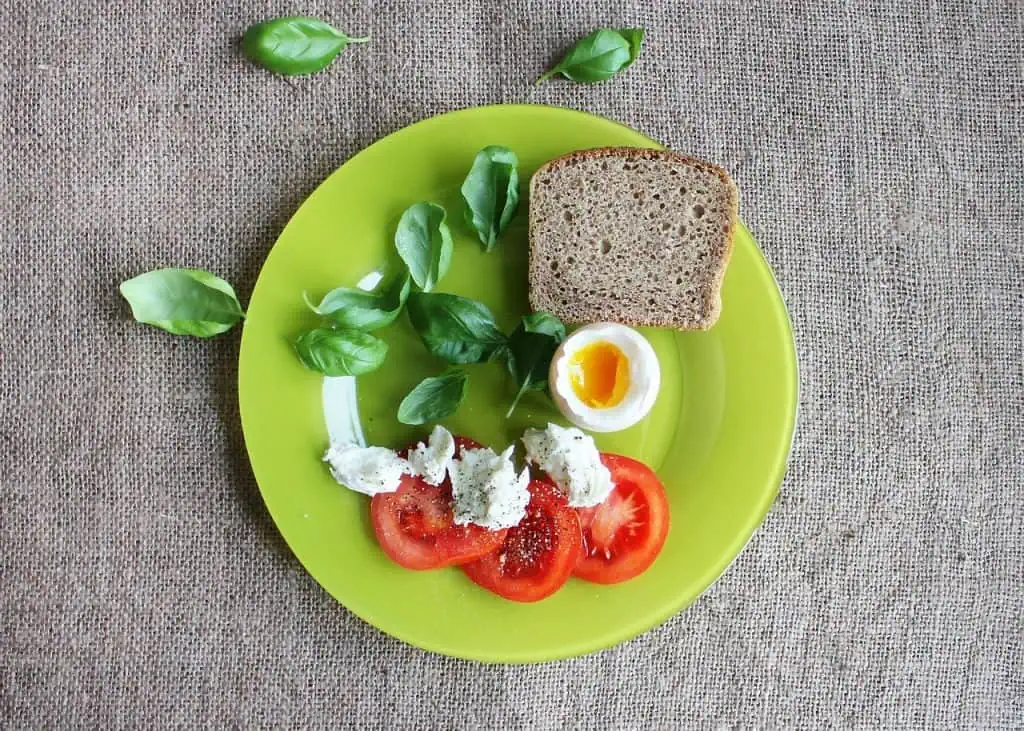
When a menu describes a dish as “light” it is often intended to sound healthy, but in many cases the food that arrives at the table tastes bland and unsatisfying. Gordon Ramsay has explained that stripping away too much in the name of health often takes away the joy of eating. Overboiled vegetables, minimal seasoning, or sauces that lack richness can make a dish feel more like punishment than pleasure. Great cooking should balance both health and taste. A lighter dish can still shine if it is seasoned with fresh herbs, finished with citrus, or carefully prepared so that texture and flavor are preserved.
Overly Large Portions That Compromise Quality
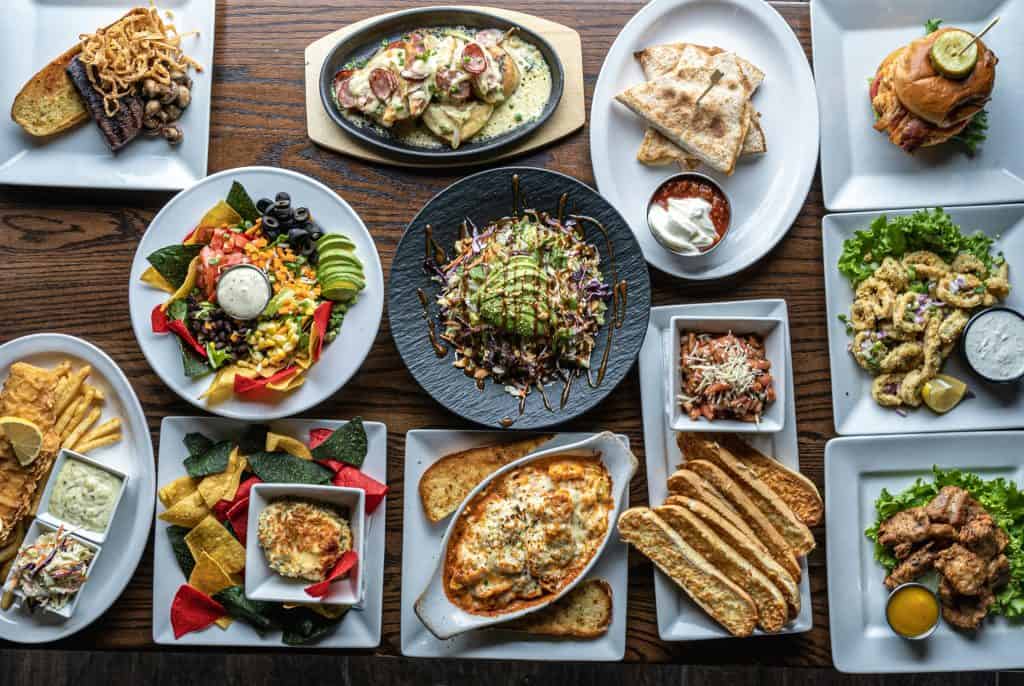
Restaurants sometimes believe that offering the biggest plate of food will impress diners, but Gordon Ramsay strongly disagrees. A huge portion may look generous at first glance, but often the quality suffers because the kitchen cannot give each element proper attention. Steak may arrive unevenly cooked, pasta may be soggy, or vegetables may lose their freshness by the time they reach the table. Ramsay emphasizes that cooking should be about precision and care. Smaller portions allow chefs to focus on seasoning, timing, and presentation. A well executed dish, even in modest size, provides more satisfaction than an oversized plate where quality has been sacrificed.
Reheated Restaurant Preps Passing as Fresh Meals
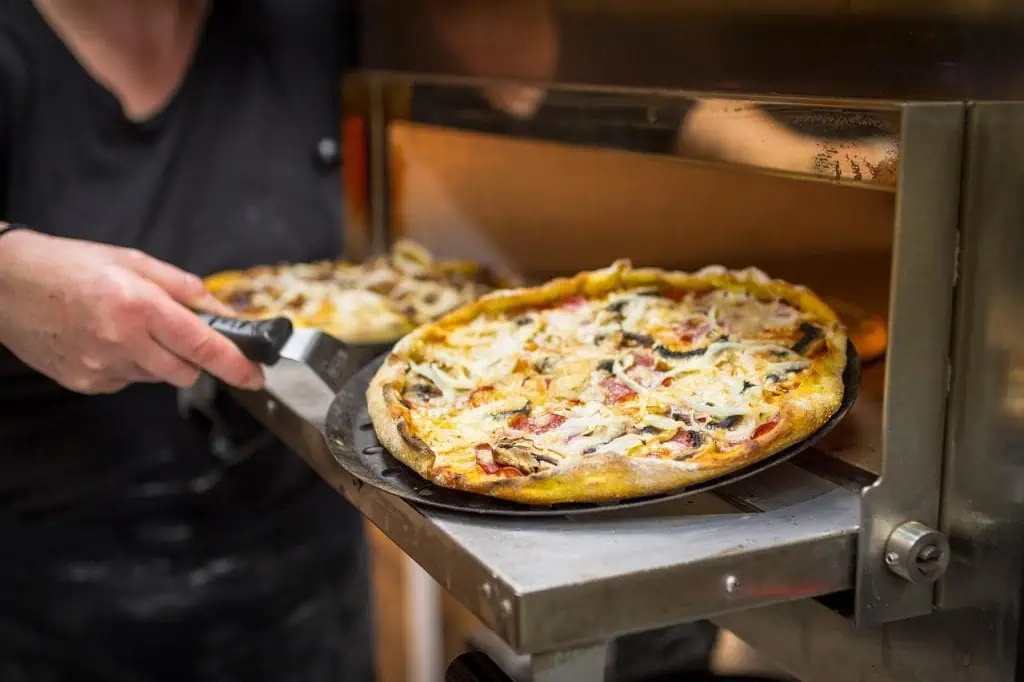
Prepping in advance is part of professional kitchens, but when food is reheated without care it quickly betrays its heritage. Gordon Ramsay has been vocally critical about restaurants that reheat sauces so many times they lose their flavor, or meats that are pre-cooked and then simply reheated and served. These shortcuts cause texture and taste to suffer. True freshness shows in crispness, bright flavors, and aromas that feel alive rather than dull. When a sauce has been sitting, its edges become too thick or oily. When meat is reheated repeatedly, it can become dry or rubbery. Gordon Ramsay expects that restaurants will manage prep in a way that retains integrity, which means timing, storage, and reheating done properly.
Mass-Produced Desserts from Large Chains

Dessert should feel like a celebration, yet when it is mass produced for chains or suppliers it often prioritizes long shelf life over true taste. Ramsay has spoken about how many of these desserts are loaded with stabilizers and artificial flavors that create consistency but remove character. A slice of cake that looks perfect but tastes flat is the kind of experience he avoids entirely. In contrast, a dessert that is freshly prepared carries qualities that cannot be replicated in a factory. Real cream, seasonal fruit, quality chocolate, or vanilla from beans all add depth and indulgence.
Sushi That Has Been Sitting Out Too Long
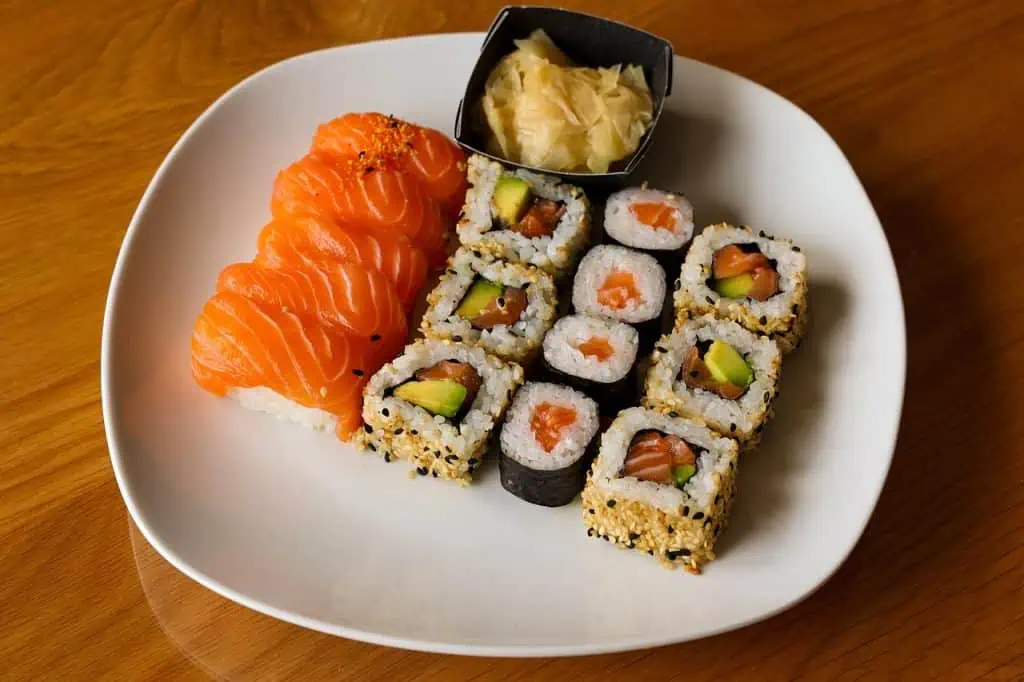
Sushi is one of the most unforgiving foods when it comes to freshness. Ramsay refuses to eat sushi that has been sitting out, whether it is raw fish that no longer glistens, rice that has lost its firmness, or seaweed that has gone limp. Not only does this affect flavor, but it can also pose health risks. Good sushi should feel alive and vibrant. The rice should have slight firmness, the fish should look glossy, and the overall bite should feel clean and fresh.
Food That Tries Too Hard to Be Fusion without Identity
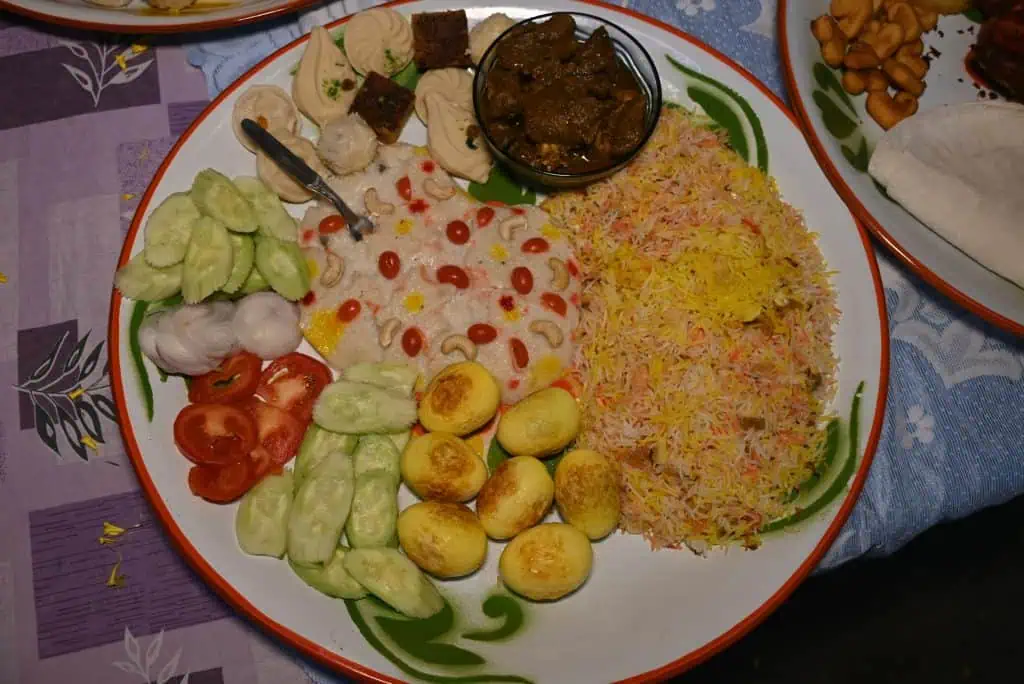
Fusion cooking can be exciting when it is done with knowledge and respect for the traditions being combined. However, Ramsay avoids dishes that throw together different cultural elements without harmony or purpose. When flavors compete rather than complement one another, or when a dish tries too hard to impress with novelty, the result often feels confused and unsatisfying. True fusion highlights the best qualities of each cuisine involved. It requires understanding of ingredients and techniques, not just mixing for the sake of being unusual. Ramsay believes that if a fusion dish cannot stand proudly on its own, it does not belong on the menu.


