
The “Healthy Food” Label Isn’t Always Honest and Here’s How to Tell

The word healthy carries emotional weight. It suggests safety, care, and good intentions, which is why it appears so prominently on modern food packaging. Shoppers are encouraged to trust it as a shortcut, an assurance that the product supports wellness without requiring extra thought. Nutrition experts say this trust is often misplaced. The label itself is loosely regulated, broadly defined, and frequently shaped by marketing goals rather than nutritional integrity. Understanding how these claims work helps consumers see past the language and make better-informed choices.
Front-of-Package Claims Are Designed to Distract

The most persuasive health messaging usually appears on the front of the package, not where the actual nutrition information lives. Phrases like “made with real ingredients,” “natural,” or “supports immunity” sound meaningful but often lack strict definitions. Nutritionists explain that these claims are crafted to influence quick decisions made in grocery aisles, not to reflect the food’s overall nutritional profile. Bright colors, checkmarks, and wellness buzzwords are visual cues meant to reassure shoppers before they turn the package around. The absence of obvious red flags on the front doesn’t mean the food is balanced it simply means the marketing is effective.
Ingredient Lists Reveal More Than Nutrition Labels

While nutrition facts panels focus on numbers, ingredient lists reveal quality. Experts recommend reading ingredients top to bottom, because they’re listed by weight. Foods labeled healthy often contain refined starches, seed oils, flavor enhancers, or multiple forms of sugar that don’t stand out on the front. A product can be low in one nutrient, like fat or sodium, while still relying heavily on processed fillers. Ingredient lists expose how a food is actually built, not just how it’s framed. When unfamiliar or repetitive additives dominate the list, the health label deserves skepticism.
“Low-Fat” or “Sugar-Free” Often Means Trade-Offs

Many health claims highlight what’s missing rather than what’s included. Nutritionists warn that removing fat or sugar often requires compensation elsewhere to preserve taste and texture. This can mean added starches, artificial sweeteners, or chemical stabilizers that change how the body processes the food. A product labeled low-fat may spike blood sugar faster, while sugar-free items can still trigger cravings or digestive discomfort. The label encourages consumers to focus on a single nutrient, even though overall metabolic impact depends on how ingredients interact, not just what’s absent.
Serving Sizes Quietly Shape Perception

Another common tactic is manipulating serving sizes to make nutrition numbers appear favorable. A product may look low in calories, sodium, or sugar until you realize the listed serving is far smaller than what people actually eat. Nutrition professionals note that consumers rarely stop at the stated portion, especially with snack foods marketed as healthy. This creates a false sense of moderation while encouraging overconsumption. The food isn’t necessarily deceptive on paper, but the way information is presented distorts how it’s understood in real life.
Health Labels Target Aspiration, Not Behavior
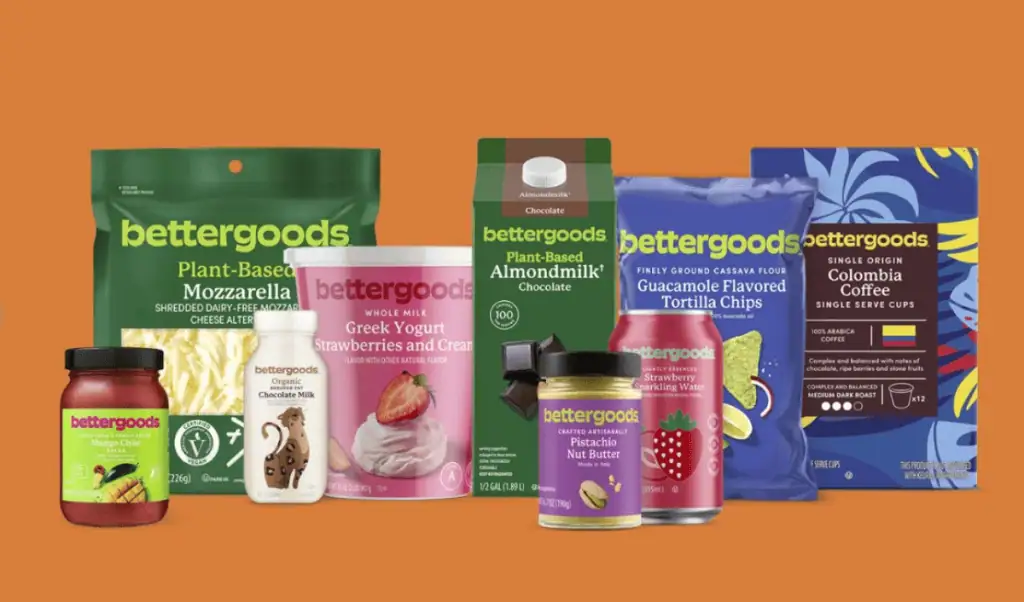
“Healthy” branding often appeals to identity rather than habits. Packaging uses language associated with wellness culture, balance, mindfulness, and clean eating to align products with the values shoppers want to embody. Nutritionists say this can create a disconnect between intention and outcome. Buying a product that looks healthy can feel like a positive choice, even if it doesn’t meaningfully improve diet quality. The label satisfies an emotional goal before the food ever satisfies a nutritional one, which is why these products remain so effective despite growing consumer awareness.


