
7 Menu Items That Often Signal a Restaurant Is Cutting Corners

When dining out, certain menu items can hint at a restaurant cutting corners. These dishes often feature ingredients or techniques that compromise quality for convenience, allowing kitchens to save on time and costs. Understanding these cues can enhance your dining experience, guiding you towards choices that showcase genuine culinary efforts. Let's explore some common indicators, starting with canned “soup of the day.”
Canned “Soup of the Day” Secrets
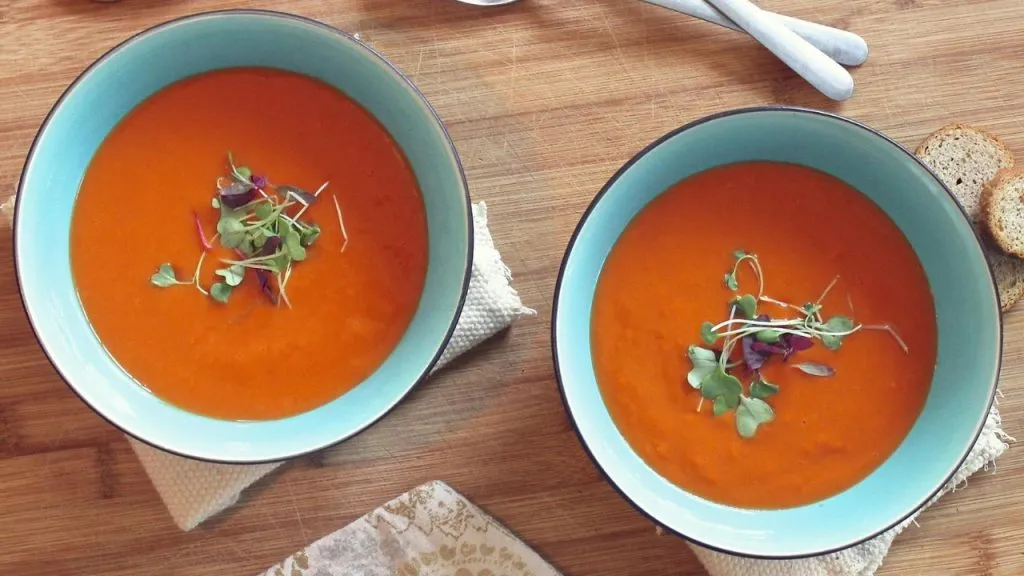
“Soup of the day” might conjure images of simmering pots and fresh ingredients, but it can often be a reheated canned variety. A tell-tale sign is a uniform thickness or overly smooth texture, which hints at pre-packaged bases. The lack of distinct, fresh vegetable pieces and a generic, salty taste further point to mass production. To ensure authenticity, opt for soups described with seasonal vegetables or unique accompaniments, indicating more thoughtful preparation.
The Truth About Giant Salads

Giant salads can be a red flag for a restaurant cutting costs. These salads often prioritize quantity over quality, using inexpensive iceberg lettuce and excessive, generic toppings like croutons and bacon bits. This approach masks the lack of flavorful, fresh produce. Look for salads featuring varied greens, vibrant vegetables, and thoughtful dressings prepared in-house, denoting a commitment to quality ingredients and a balanced, well-crafted dish.
Perfectly Uniform Bacon Tell-Tale
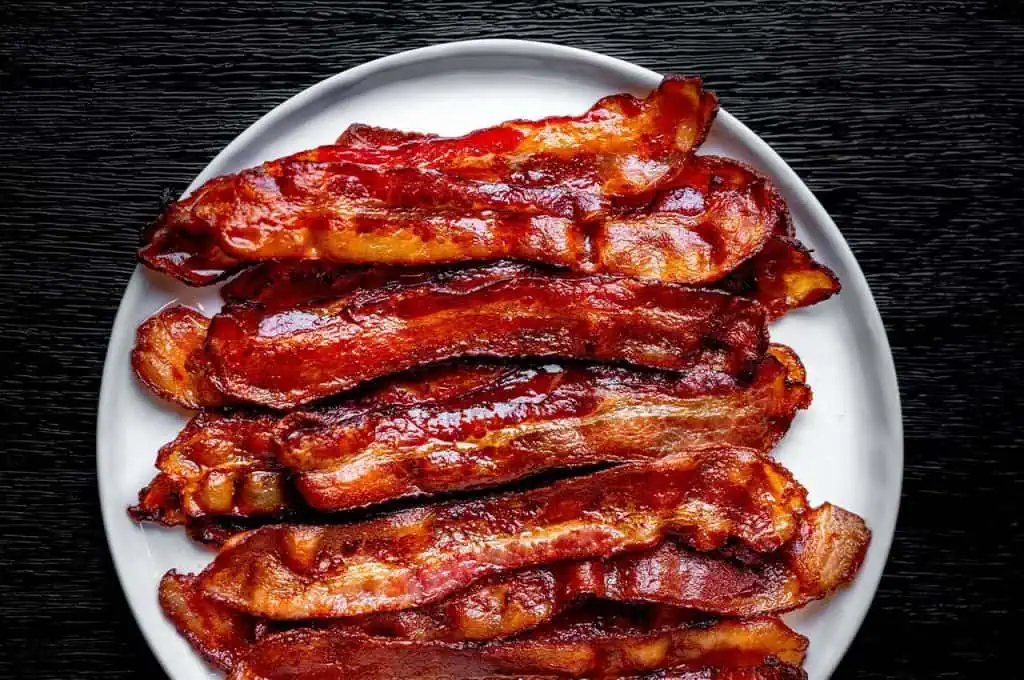
Uniform bacon indicates the use of pre-cooked, packaged strips, valued for convenience over flavor. These strips lack the crispy, varied texture achieved from freshly cooking thick-cut bacon. They can be chewy and slightly rubbery, with a noticeable decrease in aroma and taste. For a more authentic experience, look for descriptions emphasizing thick cut or applewood-smoked, suggesting care in both selection and preparation to elevate your dish.
“House-Made” Dressings Deception

House-made dressings should reflect thoughtful craftsmanship, yet some eateries use the term for packaged offerings. Signs of this deception include overly slick textures and flavors that are too homogeneous or heavily preserved. Genuine dressings showcase balanced acidity, visible herbs, and a fresh, vibrant taste. Check for descriptions mentioning specific ingredients or regional inspirations which suggest the dressing is freshly prepared, capturing the essence of the kitchen’s culinary ethos.
The Perils of Overcooked Chicken
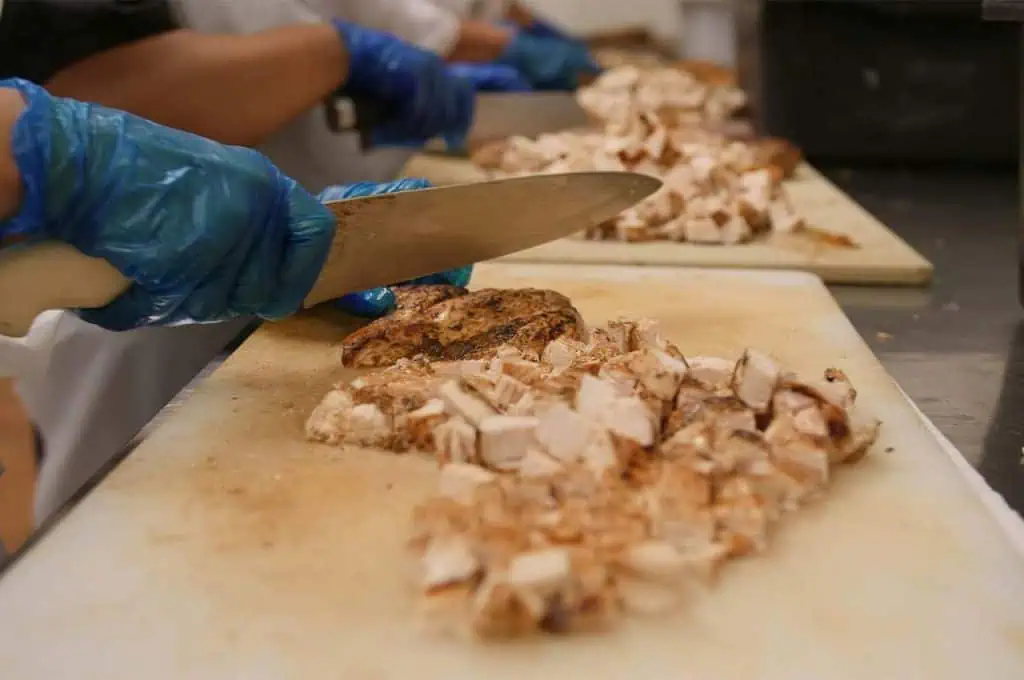
Overcooked chicken can ruin an otherwise well-executed dish, often signaling a rushed kitchen. Properly cooked chicken should be juicy, with tender meat and a subtle, savory depth. Key signs include dry, fibrous texture and bland flavor, both indicators of either high heat or an imprecise cooking timeline. To achieve ideal results, rest the chicken after cooking to allow juices to redistribute, and use a meat thermometer to ensure it reaches the safe internal temperature of 165°F without surpassing it. Mastering this technique is essential in avoiding the pitfalls of tough, uninspiring poultry.
Speedy Steaks: A Red Flag

When dining out, too-quickly served steak often reflects substandard preparation. A perfectly cooked steak relies on meticulous timing and proper searing to develop a rich, caramelized crust and a tender, juicy interior. Rushed steaks tend to be unevenly cooked or lack that essential crust. Look for steaks seared in a hot iron skillet, rested for at least five minutes to enhance juiciness and flavor, and seasoned with a simple combination of salt and pepper. A speedy steak service can indicate pre-cooked cuts or improper kitchen practices.
Store-Bought Dessert Disguise

Desserts that lack distinctive, homemade touches might be a product of cost-cutting measures. Authentic desserts offer nuanced flavors and textures, achieved by fresh ingredients and attentive techniques, unlike their mass-produced counterparts. Telltale signs include overly sweet, uniform textures and indistinct flavors. A true testament to quality is the presence of genuine vanilla, real butter, and delicate craftsmanship. Refresh your palate by choosing desserts with varying textures and balanced sweetness, and be wary of desserts seeming too perfect or generic, indicating their store-bought nature.


