
20 Fast Food Fails Everyone Forgot About

Even giants in the fast food industry sometimes miss the mark, resulting in items quickly forgotten by consumers. Exploring these culinary missteps offers a fascinating look at marketing strategies and public preferences. From unusual ingredient pairings to ill-fated attempts at culinary innovation, these stories highlight the challenges of meeting diverse palates. Each dish reflects a unique moment in time when brands took risks that ultimately didn't resonate with their audiences.
McDonald's McHotDog Mishap

McDonald's, known for its burgers and fries, ventured into hot dog territory with the McHotDog. Introduced in select regions, it failed to capture widespread appeal. The texture of the hot dog conflicted with expectations; the bun felt overly firm, while the sausage lacked the juiciness that defines a quality hot dog. McDonald's, perhaps too focused on their core menu, couldn't translate their fast food success into this new arena. The takeaway here is knowing not only your market but also your culinary strengths.
Burger King's Omelet Oddity

In an effort to capture morning diners, Burger King introduced the Enormous Omelet Sandwich. Despite the concept's potential, execution fell short. The sandwich stacked several ingredients, eggs, cheese, sausage, and bacon, between dense buns. Consumers found it overwhelming and excessively heavy, with textures clashing rather than complementing. A lighter, simpler approach might have provided better results. For home cooks, balancing flavors and textures is key, ensuring each element plays a supporting role rather than competing for attention.
Taco Bell's Forgotten Bell Beefer

Taco Bell, synonymous with Mexican-inspired fast food, once attempted to introduce a burger-like item known as the Bell Beefer. It featured seasoned beef in a burger bun, yet struggled with identity and taste. Customers accustomed to spicy tacos found the flavors muted, lacking the zest expected from Taco Bell. This reinforces the importance of flavor integrity: home cooks should stay true to the essence of a dish rather than diluting its core appeal, ensuring that new interpretations remain faithful to familiar tastes.
Dairy Queen Breeze Bust

Dairy Queen's attempt to cater to health-conscious consumers arrived in the form of the DQ Breeze, a low-fat frozen yogurt alternative to the popular Blizzard. Unfortunately, the texture lacked the decadence fans craved, resulting in an experience that felt lackluster. While a nod to lighter options is commendable, it's crucial to maintain original appeal. For home chefs, this lesson is about balance, retaining enjoyable indulgence even when modifying recipes for health benefits, ensuring the final product remains satisfying and true to its original allure.
Wendy’s Frescata Fiasco

Wendy's ventured into deli territory with their Frescata sandwiches, aiming to bring fresh-baked bread and specialty deli meats to the fast-food arena. However, speedy fast food requires efficiency, and the longer preparation time didn’t fit customer expectations for quick service. The premium ingredients and extra steps in sandwich assembly led to operational challenges, making the Frescata line an impractical offering in the fast-paced environment Wendy’s patrons expected.
Jack in the Box's Frings Flop
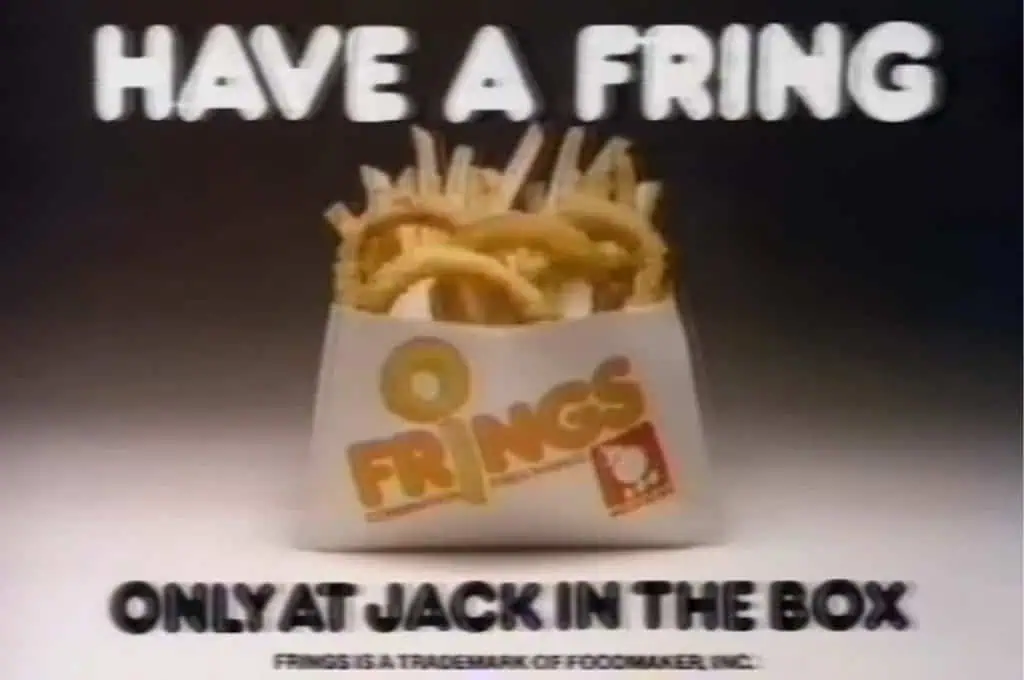
Jack in the Box's concept of combining fries and onion rings into a single offering, aptly named Frings, seemed ingenious for indecisive eaters. However, the proportion often left consumers wanting, as the mix typically skewed towards more fries than rings. The uneven ratio and inconsistency in presentation took away from the novelty's appeal, leading to its eventual disappearance. Mastering the balance between components would have been key to retaining their customer base's interest.
Sonic’s Pickle-O’s Misadventure

Sonic's attempt at adding their own twist to fried appetizers with Pickle-O’s-fried pickle slices, failed to hit the mark with a broad audience. While breaded pickles have niche appeal, the execution was critical. Consistency in batter texture and ensuring a light, crispy fry were essential, yet difficult to achieve consistently in the high-volume setting of fast food. Ultimately, the novelty didn't translate into widespread demand, causing Sonic to retract this offering.
Pizza Hut's Priazzo Puzzle
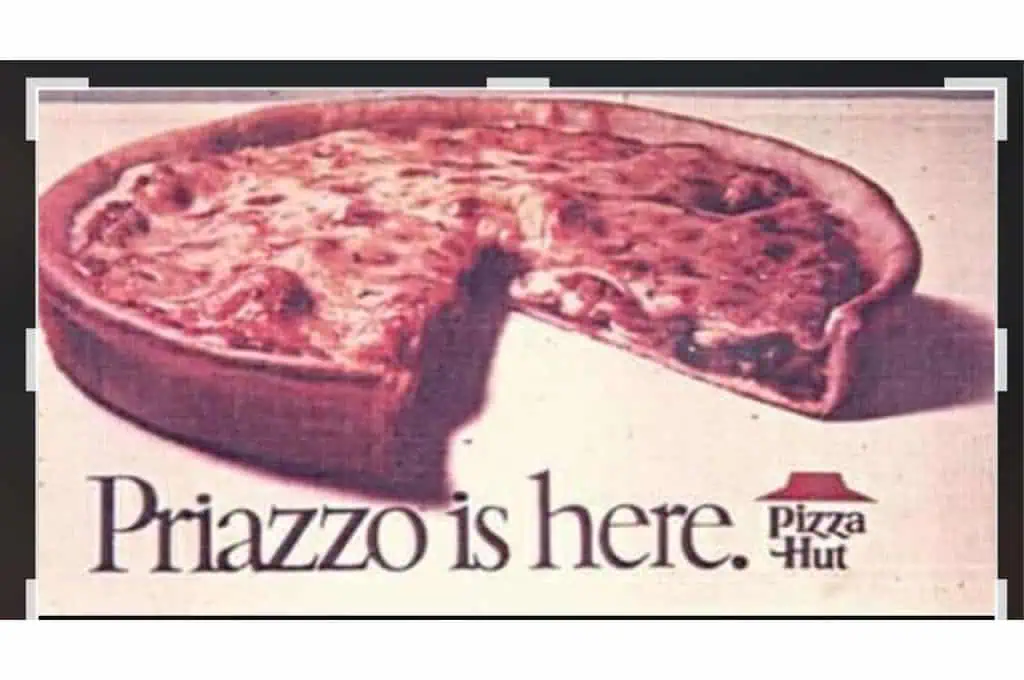
Pizza Hut’s Priazzo was an ambitious take on stuffed pizza, featuring layers of ingredients and dough that created a pie-like experience. Despite its intriguing structure, the Priazzo’s complexity in preparation clashed with Pizza Hut’s streamlined kitchen operations. The time and resources needed for consistent quality and quick delivery proved challenging, making it difficult to sustain efficiency while meeting patron expectations for standard pizza fare.
A&W's Third Pound Blunder

A&W aimed to challenge the quarter-pound burger market with a more substantial third-pound offering, which ultimately faltered due to a marketing oversight. The public’s misunderstanding, thinking a third pound was less than a quarter pound, undermined its value proposition. While the burger itself provided quality beef and balanced toppings, the communication gap highlighted the importance of clear and effective marketing in driving product success.
Long John Silver’s Big Catch Slip

Long John Silver’s introduced the Big Catch as a tantalizing seafood offering that quickly fell short due to overwhelming calorie and fat content. For many, the appeal was overshadowed by nutrition concerns. The fish portion itself was often criticized for being excessively greasy, with an overabundant batter that dominated the taste. To achieve a more balanced dish at home, use a high-quality white fish, lightly coat it in seasoned flour, and pan-sear until golden. Finish in the oven for even cooking, preserving the natural flavors without excess oil.
KFC's Double Down Dilemma
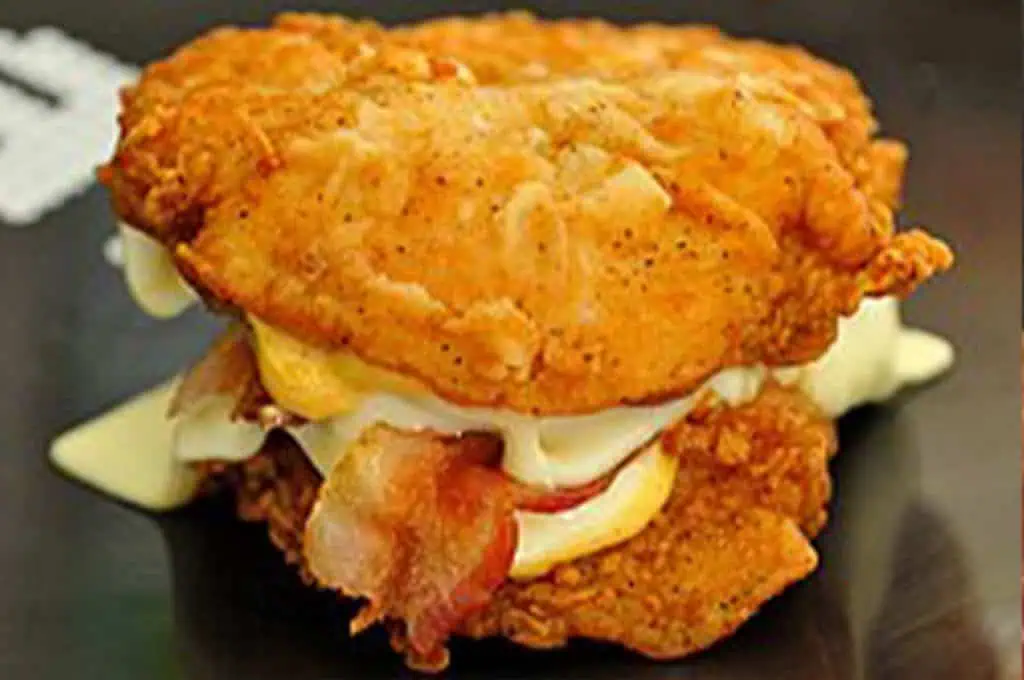
The KFC Double Down challenged convention with its bun-less construction, using fried chicken fillets as a substitute. While innovative, many consumers found the sandwich too hefty and greasy. At home, create a lighter version by grilling the chicken instead of frying. Season fillets with a blend of paprika, garlic powder, and a touch of cayenne for depth. Melt cheese between the fillets and add thinly sliced tomatoes or pickles for brightness. This method maintains the novelty while offering a more balanced flavor profile.
Chipotle's Queso Quandary
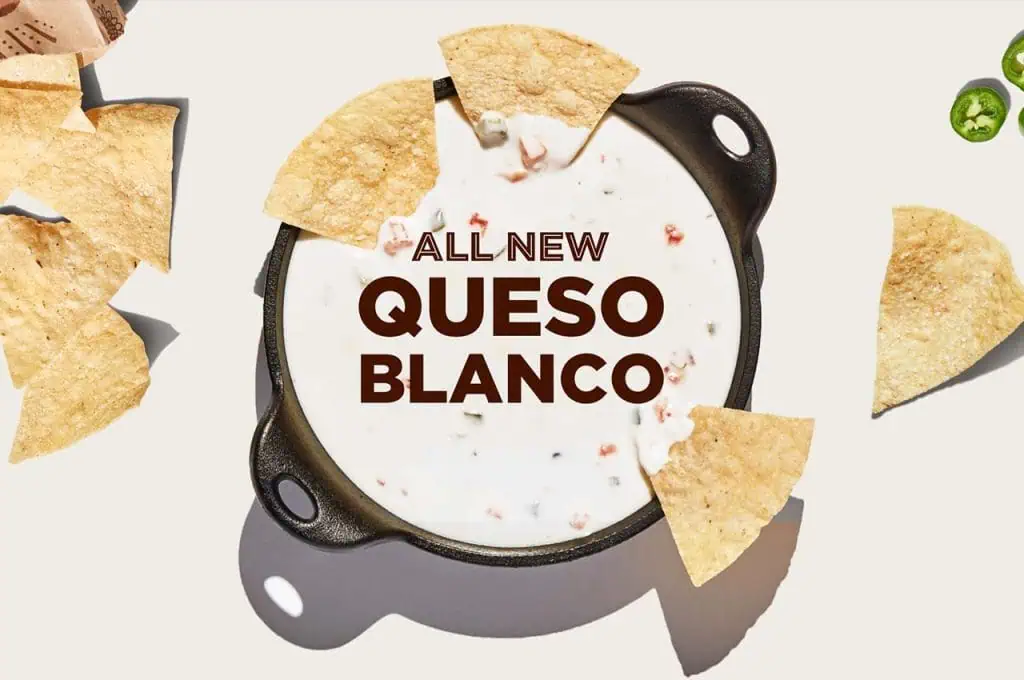
Chipotle’s queso was highly anticipated but disappointed due to a gritty texture and odd aftertaste. The problem stemmed from using unconventional ingredients that didn’t meld smoothly. For a creamy homemade queso, start with a base of evaporated milk and slowly melt in a blend of sharp cheddar and Monterey Jack cheese. Stir in fresh jalapeños and a hint of paprika for gentle heat. Ensuring proper emulsification by adding cheese gradually prevents texture issues, resulting in a silky, flavorful dip.
Arby’s Fish Sandwich Folly
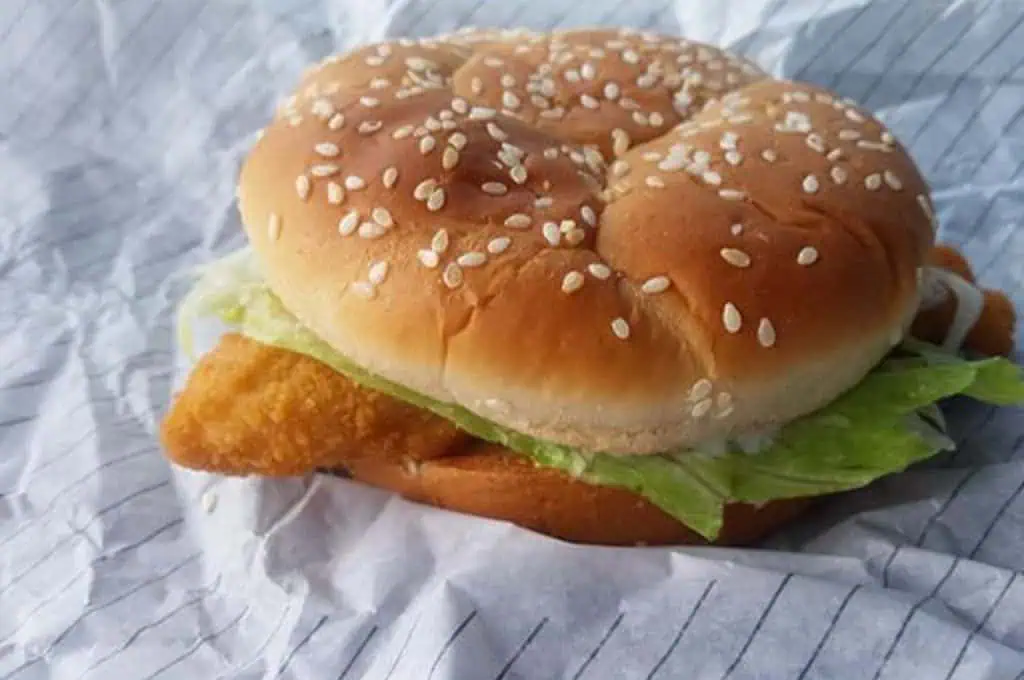
Arby's fish sandwich struggled with inconsistency, often criticized for soggy breading and bland fish. Success lies in the preparation process. Opt for fresh cod or haddock for better taste and flakiness. Before frying, press any excess moisture out of the fish and coat it in a seasoned cornmeal mixture for a crispy outside. Pair with a toasted bun, fresh lettuce, and tangy tartar sauce to elevate the flavors. The key is maintaining a contrast between crispiness and the tender interior.
McDonald’s Hula Burger Hiccup

The Hula Burger, McDonald's attempt to replace meat with a grilled pineapple slice, failed to satisfy its target audience. This was due to its overly simplistic approach and lack of complementing flavors. For a more balanced creation, choose thick pineapple slices caramelized slightly for sweetness and pair them with a herbed cream cheese spread, robust grilled vegetables, and a sprinkle of chili flakes for spice. Layering these elements on a sturdy bun creates a more harmonious taste experience.
Burger King's Spooky Whopper
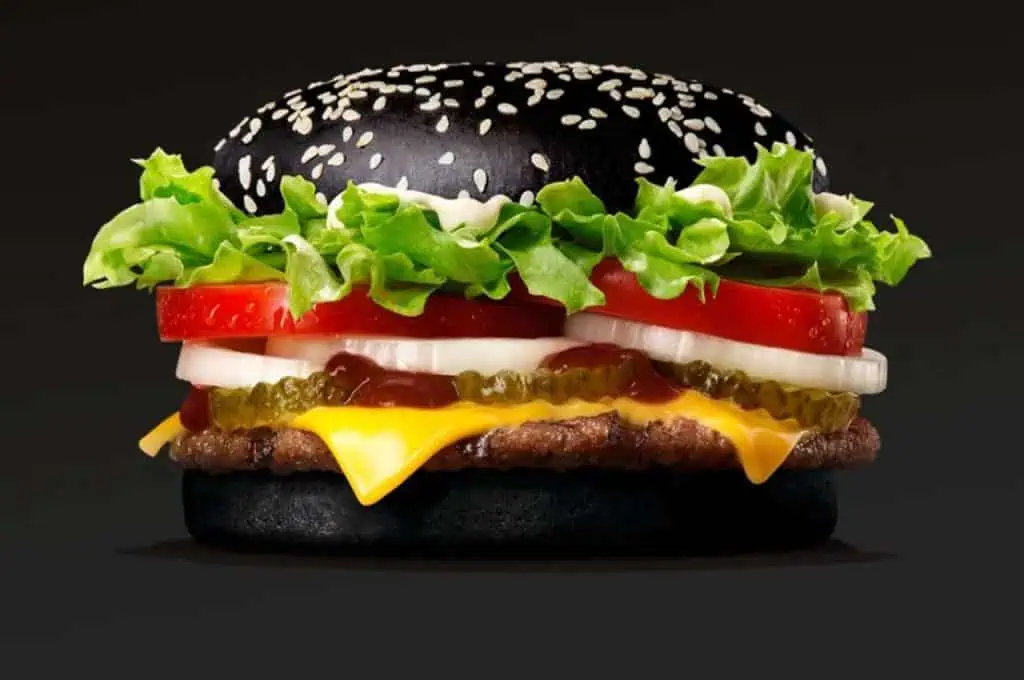
The Spooky Whopper was a bold attempt by Burger King to capture Halloween's festive spirit with a unique black bun. However, the dye not only altered the visual experience but also the flavor, introducing a distinctive aftertaste. While the ghostly appearance was eye-catching, it overshadowed the classic Whopper ingredients, juicy beef, fresh vegetables, and tangy condiments. This serves as a lesson in balancing novelty with established flavor profiles to prevent gimmicks from eclipsing taste.
Taco Bell's Seafood Slip-Up

Taco Bell ventured into unfamiliar territory with its seafood assortment, including items like the Seafood Salad. This deviation from their Tex-Mex specialty met with skepticism due to the inconsistent quality of seafood, which lacked the expected freshness and flavor. The dish failed to harmonize with the familiar tastes of seasoned meat and vibrant salsas. This oversight emphasizes the importance of aligning new menu items with a brand's core strengths and audience expectations.
KFC’s Double Down Dog Disaster

KFC attempted to innovate by replacing traditional buns with fried chicken, wrapping it around a hot dog. The Double Down Dog was visually striking but ultimately a miss, as it lacked the familiar balance of textures found in their typical offerings. The rich, greasy exterior overwhelmed the hot dog's flavor, and the absence of fresh elements made it heavy. A reminder that even adventurous concoctions require a consideration of harmony and palatability in fast food fare.
Buffalo Wild Wings’ Dewed Wings
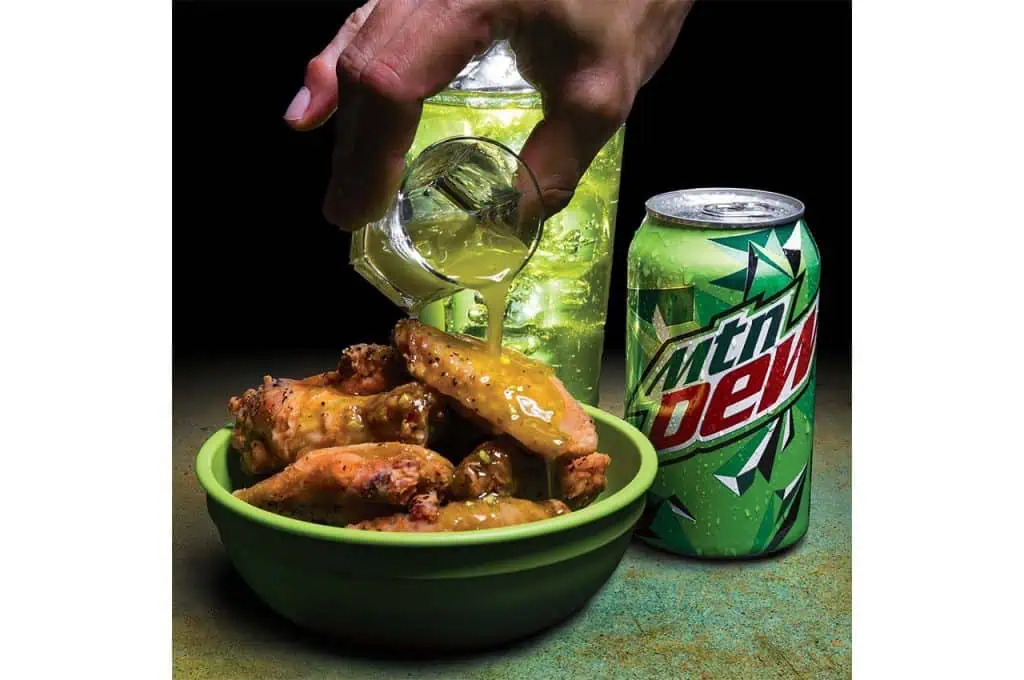
Buffalo Wild Wings opted for an unconventional twist by glazing their wings with a Mountain Dew-infused sauce. Dewed Wings attempted to combine the refreshing citrus of the soda with the savory spice of chicken, but the result was a discordant mix. The sweetness proved jarring against the expected tanginess of buffalo wings, creating a flavor imbalance. This underscores the importance of compatibility between bold new flavors and traditional favorites to enhance rather than distract.
Pizza Hut's Flavors of Now Fudge
Pizza Hut's Flavors of Now campaign presented various innovations, but its dessert offering, a fudge-coated pizza, confounded diners. The dessert pizza struggled with overly sweet toppings battling against savory crust flavors, without the expected transitional flavors to blend them. This concept highlighted the need for developing a balanced contrast between sweet and savory, a crucial component in reinventing classic items for a new palate without losing the essence of the dish.
McDonald’s McSpaghetti Snafu
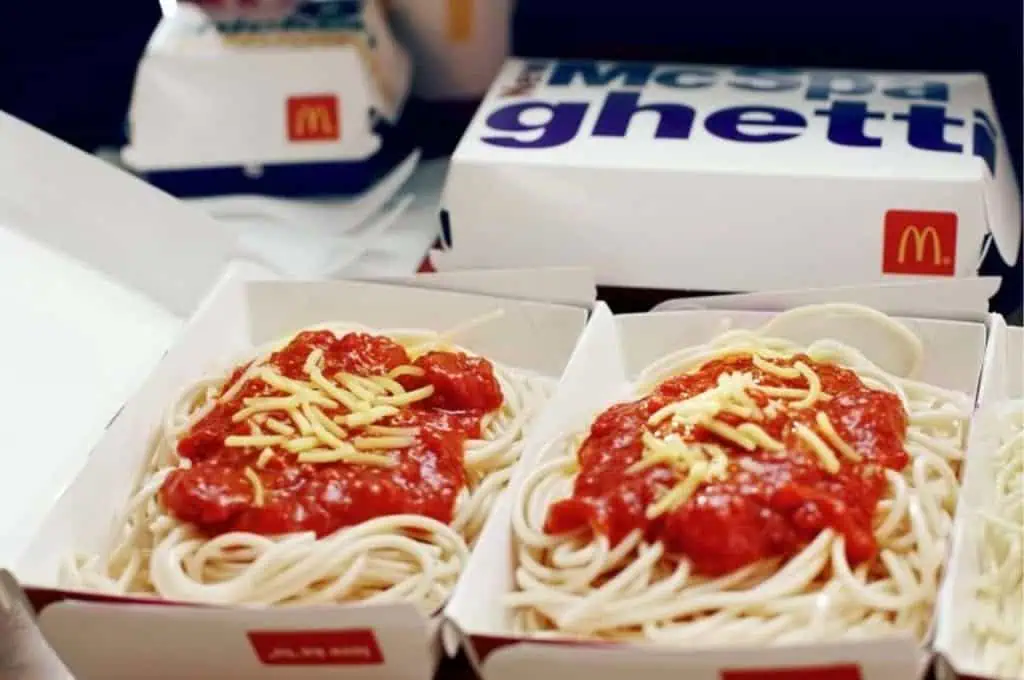
McDonald’s attempted to venture into Italian cuisine with McSpaghetti during the late 1980s, an endeavor that left many puzzled. The dish featured spaghetti topped with meat sauce, parmesan cheese, and a side of garlic bread. However, the concept struggled to resonate with consumers who viewed McDonald’s primarily as a burger haven. The texture of the pasta tended to be overcooked, lacking the desirable al dente bite. Furthermore, the sauce often appeared too thin and overly sweet, contrasting with traditional Italian flavors. This misalignment with customer expectations led to McSpaghetti’s short-lived presence in the U.S., though it remains available in certain international markets where it has seen better success.


