
7 Foods to Cut Back on If You Have High Cholesterol

Managing high cholesterol is crucial for heart health, and diet plays a significant role. Understanding which foods to limit can help make meaningful changes. This guide outlines some common culprits that may contribute to elevated cholesterol, offering insights grounded in nutritional science. By making informed choices, you can enjoy a balanced diet while actively managing your cholesterol levels.
The Risks of Fried Foods

Fried foods, often laden with trans fats, can significantly raise LDL cholesterol levels. Opt for cooking methods such as baking, grilling, or steaming to maintain heart health. If frying is necessary, use oils like olive or canola, which have healthier fat profiles. Cutting back on fried snacks and meals can make a noticeable difference in cholesterol management.
Why Butter Can Be Bad
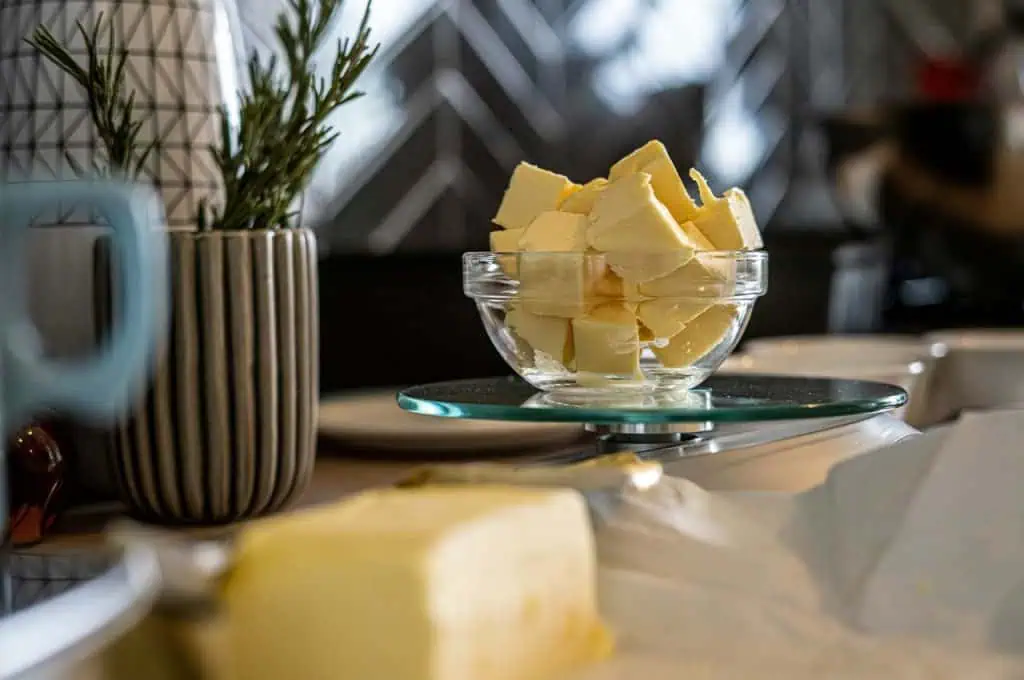
Butter is rich in saturated fat, with just one tablespoon containing about 7 grams, over a third of the daily limit recommended by the American Heart Association. Research shows high saturated fat intake can raise LDL (“bad”) cholesterol, a key contributor to heart disease. While butter adds flavor, frequent use can quickly add up. Swapping it for heart-healthier fats like olive oil or avocado spread offers similar richness while supporting better cholesterol management.
Cheese: A Cholesterol Culprit?

While cheese is a good source of calcium and protein, it’s also one of the largest sources of saturated fat in the American diet. According to the American Heart Association, diets high in saturated fat can raise LDL cholesterol, increasing heart disease risk. Processed cheeses and full-fat varieties pack even more fat and sodium, compounding the issue. Opting for smaller portions or switching to reduced-fat options can help you enjoy cheese without overwhelming your cholesterol levels.
Baked Goods: Hidden Dangers

From pastries to cookies and cakes, many baked goods are loaded with butter, shortening, or hydrogenated oils, major sources of saturated and trans fats. These fats can raise LDL (bad) cholesterol while lowering HDL (good) cholesterol, according to the CDC. Added sugars in baked treats further contribute to inflammation and weight gain, both linked to heart disease. While an occasional indulgence is fine, making sweets a habit can seriously impact cholesterol control.
Tropical Oils: Surprising Threat
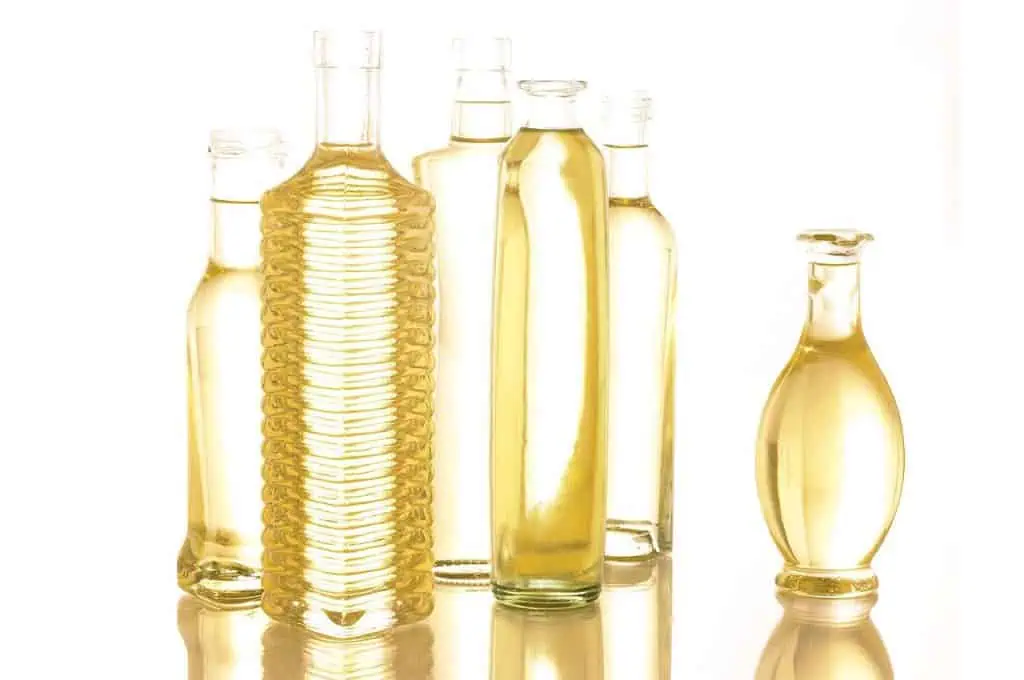
Coconut, palm, and palm kernel oils are often marketed as “natural” or even healthy, but they’re packed with saturated fats that can raise LDL cholesterol. The American Heart Association warns that diets high in these oils may increase heart disease risk, even when used in place of butter. While small amounts in cooking or baking won’t hurt most people, making them a daily staple can undermine cholesterol management and overall cardiovascular health.
Beef: Consider the Alternatives

While beef is rich in protein, iron, and B vitamins, it’s also a major source of saturated fat, which can raise LDL (“bad”) cholesterol levels. Research from the American Journal of Clinical Nutrition shows that frequent consumption of red meat is associated with an increased risk of cardiovascular disease. Leaner cuts or occasional servings may be fine, but reducing overall intake helps protect heart health and maintain healthier cholesterol levels.
Processed Meats: Cut the Sausage

Processed meats like bacon, sausages, and deli slices are strongly linked to higher cholesterol and heart disease risk. A study in Circulation found that eating just 50 grams daily, about one hot dog, was tied to a 42% greater risk of coronary heart disease. These foods are high in saturated fat, sodium, and preservatives, all of which can raise LDL (“bad”) cholesterol and harm heart health when eaten regularly.


