
5 Social Media Trends That Quietly Changed How Americans Ate in 2025

Social media transformed American eating habits in 2025 with trends that subtly reshaped culinary culture. These changes weren’t drastic in appearance but impactful, weaving through daily routines and altering how meals were prepared and consumed. Home cooks found inspiration in viral challenges, expert-driven videos, and visually striking presentations, merging convenience with creativity in the kitchen. This exploration delves into how these social media trends quietly but distinctly shifted the way Americans dined.
Viral At-Home Chef Recipes: A Hit in Kitchens

Amidst rapid digital engagement, accessible gourmet recipes designed for home chefs went viral, making intricate cooking approachable. Techniques like sous-vide and fermentation were simplified and demystified through step-by-step posts. These recipes not only emphasized flavor balance but prioritized ingredient accessibility, encouraging sourcing from local markets. This trend invited home cooks to elevate everyday dishes, providing the motivation to replicate chef-level creations in domestic settings, fostering an appreciation for culinary excellence.
Short-Form Video Challenges: Staples Evolved

Brief video challenges revolutionized staple ingredients by introducing innovative methods and pairings. Cooks embraced techniques like air frying and pickling, exploring how they could redefine classics. Whether it was a new twist on grilled cheese or a fresh take on pasta, these videos provided quick insights into elevating the familiar. The emphasis on speed and precision appealed to a busy audience, ensuring that dishes remained practical yet inventive. These challenges encouraged experimentation, sparking culinary creativity across diverse households.
Influencer-Driven Grocery Frenzy

Influencers played a pivotal role in reshaping grocery habits by spotlighting niche products and artisanal brands. Their endorsements prompted a surge in demand for organic, plant-based, and sustainably sourced ingredients. This not only diversified pantry staples but also heightened consumer awareness about provenance and quality. The trend towards curated shopping experiences—where followers mimicked influencer grocery choices—fostered a deeper connection to food quality and ethical consumption, steering more mindful and conscious eating practices.
Aesthetic Plating: Photo-Ready Meal Revolution

The rise of aesthetically pleasing meals, driven by the desire for perfect online presentation, emphasized plating as an art form. Techniques for arranging food with an eye for color, texture, and symmetry became commonplace, inspiring a meticulous approach to meal presentation. Home cooks embraced the beauty of edible garnishes, vibrant sauces, and geometric designs, creating dishes that were as visually appealing as they were delicious. This trend not only enriched the dining experience but expanded culinary creativity by marrying visual art with cuisine.
Community Tips: Snack and Meal Habits Shift
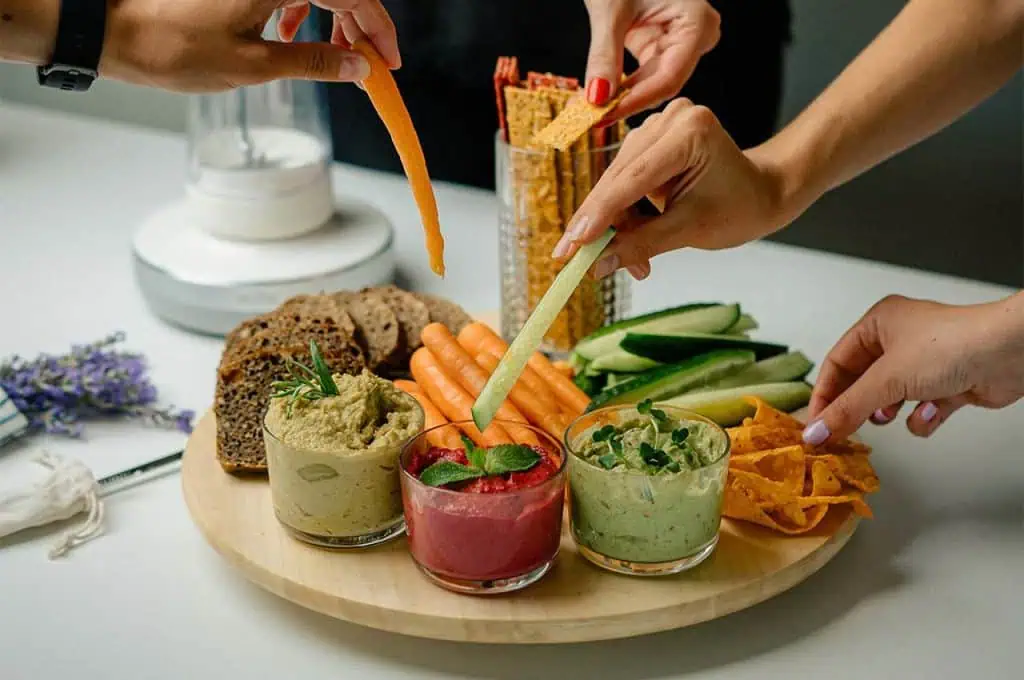
In 2025, social media has transformed how Americans approach snacks and meals, driven by community-shared tips and feedback loops. Platforms like TikTok and Instagram witnessed a surge in short video content offering quick, wholesome snack ideas, emphasizing air-fried vegetables, seed crackers, and protein-rich dips. Meal habits leaned towards one-pan dinners, simplified through posts that broke down entire nutritious meals into digestible steps. These community-driven trends encouraged time-efficient cooking without sacrificing quality or flavor, aligning with sustainable practices like using local produce and minimizing waste. The focus shifted towards meals that balance convenience with health, keeping preparation straightforward and satisfying.


