
The Ultimate Veggie Power Ranking: From Least to Most Nutritious

In the realm of vegetables, nutrition is not just about calories; it's about maximizing vitamins, minerals, and phytonutrients. This ranking explores ten nutritional powerhouses and evaluates their contributions to a balanced diet. Each vegetable offers unique benefits that cater to different health needs, making them indispensable in a well-rounded culinary repertoire.
The Underestimated Potato

Often overlooked for its simplicity, the potato is a storied staple in many cuisines. Boasting vitamin C, potassium, and fiber, potatoes are more than just comfort food. The key is to enjoy them unpeeled; the skin holds valuable nutrients. Opt for methods like baking or steaming to preserve their nutritional value. Pairing with herbs and olive oil enhances flavor and nutrition, moving beyond common fried interpretations.
Celery: Crunchy and Crisp

Celery’s refreshing crunch and hydrating properties make it a favored low-calorie snack. Rich in vitamin K and a source of antioxidants, celery aids in digestion and inflammation reduction. Maximizing its nutritional benefits involves using both stalks and leaves. Juicing heightens its hydrating effects, while roasting develops a deeper, sweeter flavor profile, perfect for soups and stews.
Bell Peppers: A Colorful Punch

Bell peppers shine with their vibrant colors and sweet flavors, rich in vitamins A and C. They're versatile, suiting both raw and cooked applications. Grilling enhances their natural sweetness and imparts a smoky depth, while maintaining raw peppers in salads preserves their crunch and vitamin content. Each color variant offers slight nutritional differences, making them a dynamic addition to any meal plan.
Zucchini: The Summer Squash Star

Zucchini is a summer squash that offers a mild flavor and a range of culinary applications. Low in calories and rich in vitamin A, it's ideal for both baking and grilling. Spiralizing creates zucchini noodles that serve as a nutritious, gluten-free pasta alternative. Incorporating it into casseroles or quick breads adds moisture and nutrients, while sautéing with garlic and herbs brings out its subtlety and enhances complexity of flavor.
Carrots: The Vision Boosters
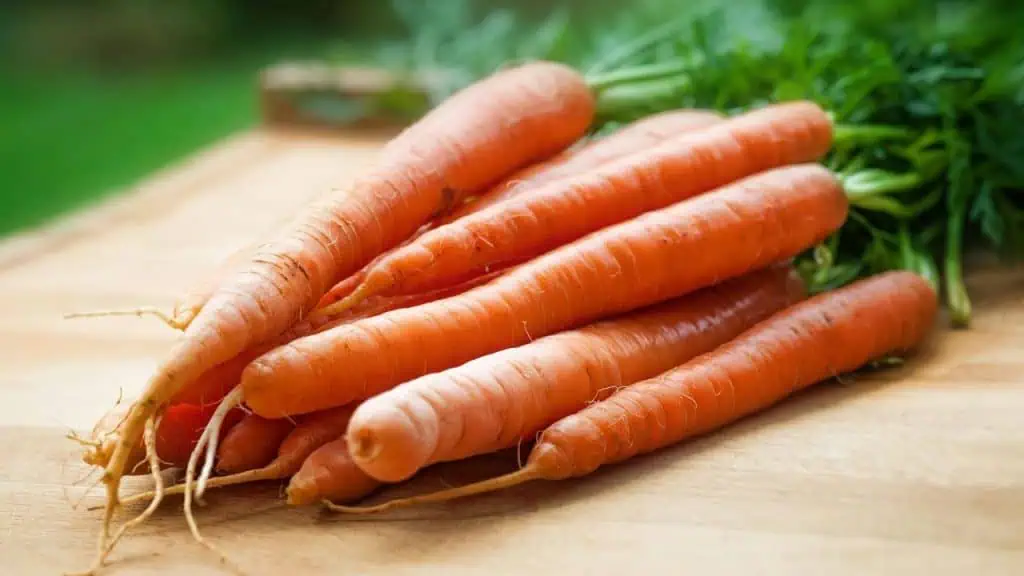
Carrots stand out as classic staples in soups, salads, and snack trays. Rich in beta-carotene, a precursor to vitamin A, they play a crucial role in maintaining good vision and supporting immune function. For the best texture and flavor, peel and julienne them for a crisp salad, or toss them with olive oil and roast until tender. Cooking enhances their natural sweetness and intensifies the savory notes, making them a delightful addition to any dish. Their versatility and nutritional benefits make carrots a must-have in any kitchen.
Cauliflower: The Versatile Powerhouse

Cauliflower offers culinary flexibility and a nutritional boost. Low in calories yet rich in fiber, vitamins C and K, this cruciferous vegetable adapts seamlessly into a plethora of preparations. Break it into florets for roasting until caramelized, or rice it for a grain-free alternative. Its mild flavor serves as a perfect canvas, allowing spices and herbs to shine. Mastering the art of roasting to achieve a golden-brown crust can transform cauliflower into a satisfying main or side, elevating both its taste and nutritional impact.
Kale: A Leafy Green Giant

Kale, with its dark, leafy greens, is a nutritional powerhouse packed with vitamins A, C, and K, along with fiber and antioxidants. Whether enjoyed raw in vibrant salads or sautéed, its robust texture holds up well to diverse cooking methods. For a tender result, massage raw kale with olive oil and a splash of lemon juice before serving. Sautéed kale benefits from the addition of garlic and chili flakes, which complement its earthy taste with a hint of heat. Kale’s hearty nature and nutrient density make it a beneficial addition to a balanced diet.
Broccoli: The Cruciferous King

Broccoli reigns supreme in the cruciferous vegetable family, offering a significant dose of vitamins C and K, fiber, and potent antioxidants. Steam or roast to preserve its bright green color and crisp-tender texture. For a more intense flavor, try sautéing with garlic and a squeeze of lemon to highlight broccoli’s natural characteristics. A quick blanch before stir-frying can enhance its color and nutrient profile, making broccoli an essential ingredient for nutrient-rich meals that are both healthful and satisfying.
Spinach: Iron-Rich and Mighty
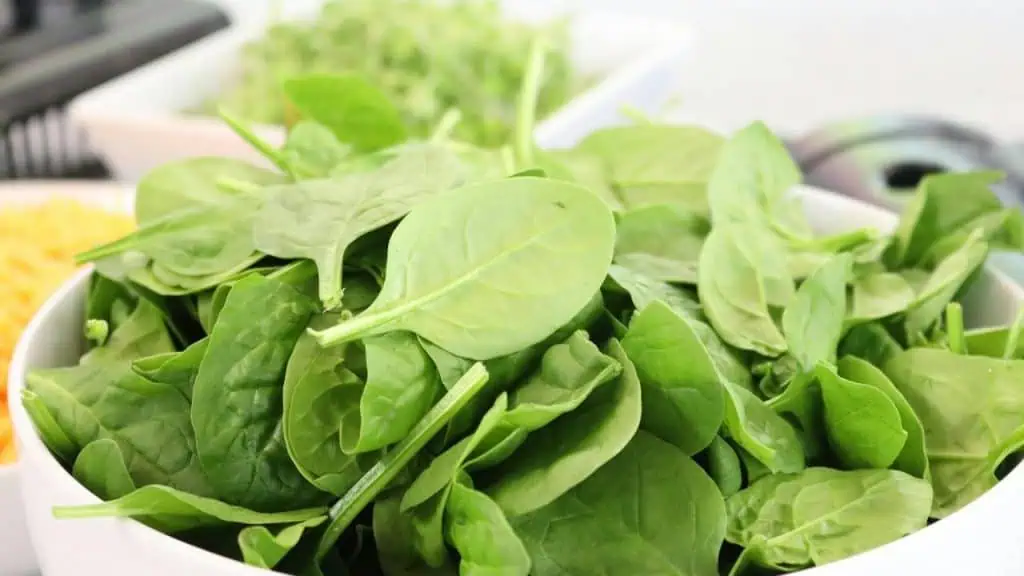
Spinach is celebrated for its impressive iron content and abundance of vitamins A, C, and K. Its tender leaves wilt beautifully into soups, pastas, and sautés. To maintain its vibrant green hue and delicate flavor, quick cooking methods like blanching or a gentle sauté with olive oil are optimal. Pair spinach with a splash of citrus or vinegar to enhance iron absorption. Whether incorporated into smoothies or layered in lasagna, spinach's subtle taste and nutritional benefits make it invaluable for a wide range of healthy recipes.
Sweet Potatoes: The Nutrient Heavyweight

Sweet potatoes are renowned for their vibrant hue and well-rounded nutrition profile. Rich in beta-carotene, which the body converts to vitamin A, they play a vital role in supporting vision and immune function. Roast them to enhance their natural sweetness and caramelize the edges, adding depth to their flavor. When selecting, opt for firm, smooth skin with no blemishes. Peeling is optional; the skin provides extra fiber. Pair with a drizzle of olive oil, a sprinkle of sea salt, and a dash of cinnamon for a versatile side dish that elevates any meal with warmth and earthiness.


