
10 Everyday Foods You’re Probably Eating Wrong (and How to Fix It)

Rethinking how you approach everyday foods can elevate your kitchen prowess. Missteps in common eating habits often obscure true flavors and miss optimal textures. By refining techniques, you enhance each dish's authenticity and satisfaction. These insights will guide you in transforming how you prepare and enjoy favorite foods, revealing flavors as intended and improving your culinary experience.
Bananas: Peel Like a Pro
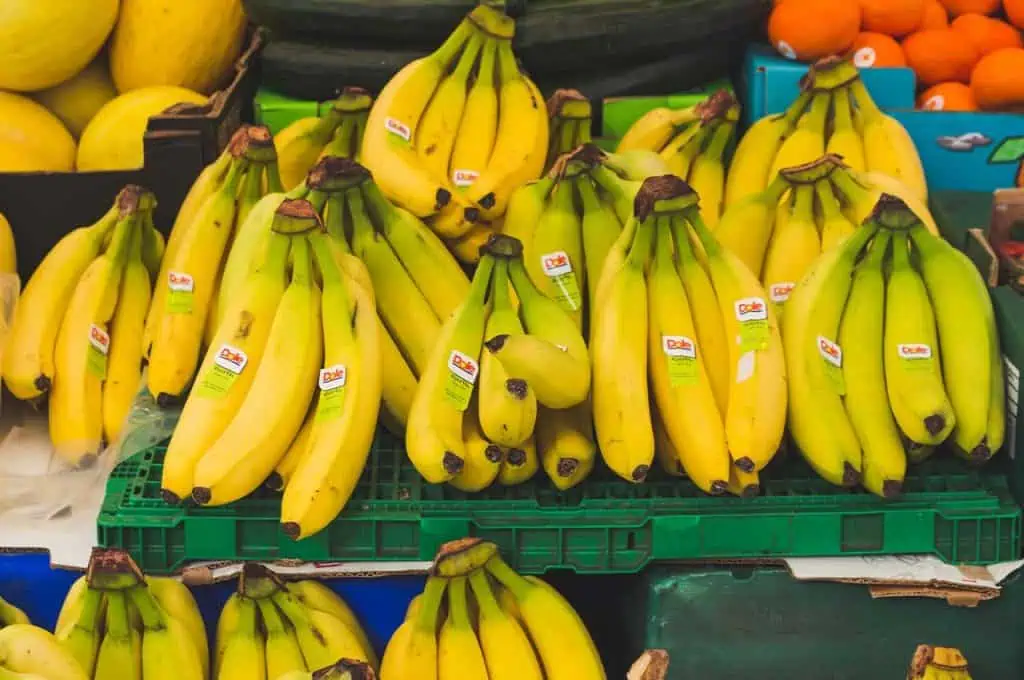
Most people peel bananas from the stem top, often squashing the fruit. Instead, try peeling from the opposite end. Gently pinch the tip, and it splits easily, allowing the banana to slide out smoothly, minimizing bruising. This method is not only efficient but also cleaner, as it avoids stringy peel remnants. Adopt this technique to ensure a consistently pleasant texture and taste with each bite.
Spaghetti: Ditch the Spoon

Using a spoon to twirl spaghetti seems logical but often results in clumps and uneven portions. Instead, employ a fork technique. Insert the fork into a small section of noodles against the plate's edge, then gently twirl while lifting slight pressure on the strands. This method ensures even coating with sauce and perfect servings. Master this approach for a more enjoyable and less messy pasta experience.
Avocados: Avoid the “Avocado Hand”
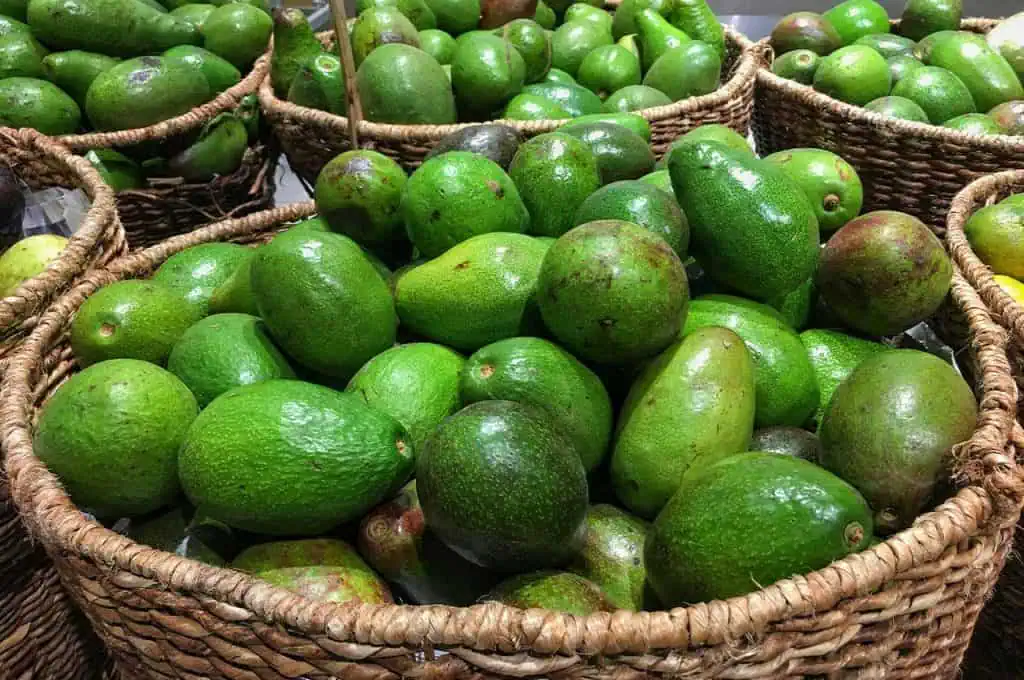
To safely handle avocados, avoid slicing in-hand, which can lead to injury. Instead, place the avocado on a cutting board. Slice it in half lengthwise, then firmly twist the halves to separate. To remove the pit, carefully tap it with the heel of your knife and twist. Scoop out the flesh with a spoon, ensuring smooth and even pieces. This approach retains texture integrity and keeps you safe.
Burgers: Flip for Fewer Drips

Prevent soggy buns and messy bites by refining your burger-building technique. Place lettuce leaves directly under the patty instead of on top, acting as a moisture barrier. When flipping the burger during cooking, use gentle pressure to seal juices. Additionally, toasting buns creates a crisp surface, preventing saturation. These steps ensure each bite is juicy but neat, transforming your burger enjoyment.
Oranges: Simplify Your Peeling
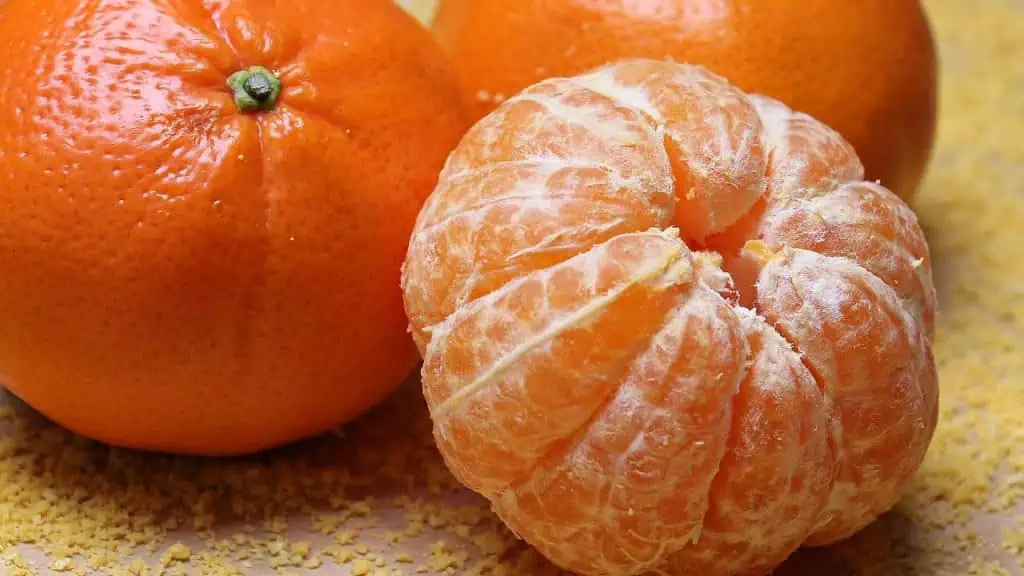
To peel an orange effortlessly, begin by cutting off the top and bottom ends, just enough to expose a bit of the fruit. This will provide a flat surface, making it easier to handle. Next, make a shallow vertical slit along the side, ensuring not to cut into the flesh. Gently pry open the skin with your fingers, using the cuts as an entry point. The peel should come off in one piece, reducing the mess and preserving the juiciness of the segments. This technique enhances the peeling process by eliminating frustration and preserving the orange’s fresh appeal.
Cupcakes: Master the Sandwich Hack

Transform your cupcake experience into a neatly balanced bite with the sandwich technique. Begin by carefully peeling off the cupcake liner. Use a knife to slice horizontally through the middle of the cupcake, separating the top from the bottom. Take the bottom half and place it on top of the frosting, creating a ‘sandwich’ with the frosting in the middle. This approach ensures an optimal frosting-to-cake ratio, allowing you to enjoy a tidier, more gratifying cupcake experience without sacrificing the delicate texture of the treat.
Kiwi: Spoon, Don’t Slice
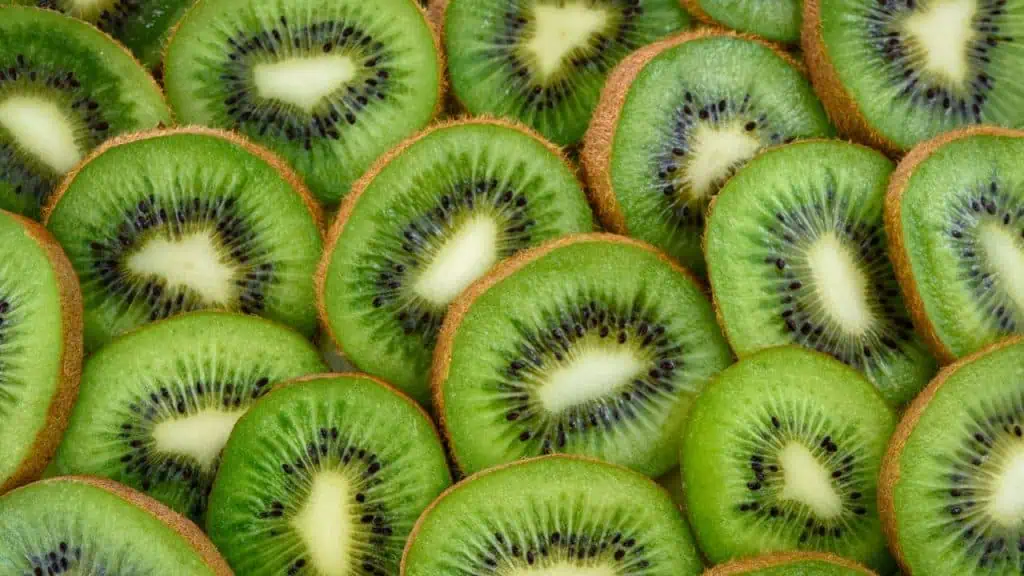
For a fuss-free approach to eating kiwi, use a spoon instead of a knife. Start by slicing off both ends of the fruit to reveal the bright green flesh. Insert a spoon between the skin and the flesh, then gently rotate it around the entire kiwi, separating the skin from the fruit. Once removed, the kiwi can be easily sliced or eaten whole. This method preserves the juiciness and texture of the kiwi, ensuring a luscious, mess-free enjoyment without the risk of losing delicious fruit to the knife.
Mangoes: Try the Hedgehog Technique

The hedgehog technique offers a clever way to enjoy mangoes without the mess. First, slice the mango cheeks off, running the knife parallel to the pit. Hold a cheek in one hand, and score the flesh in a grid pattern, being careful not to cut through the skin. Gently push the skin inward to invert the cheek, which will pop the cubed pieces outward. This allows for easy removal with a spoon or knife, maximizing the juicy, ripe fruit while keeping hands clean and waste to a minimum.
Pomegranates: Prevent the Juice Splash

To avoid the sticky splash when opening a pomegranate, use this underwater method. First, cut the pomegranate in half horizontally. Submerge one half in a bowl of water, and gently pull apart the sections with your fingers. The seeds will sink while the white pith floats, making it easy to separate them. This technique minimizes mess and preserves the vibrant seeds without unnecessary staining. The underwater approach maintains the integrity of the seeds, allowing for fresh, splash-free consumption or use in dishes.
Pistachios: Crack the Shell with Ease

Pistachios are enjoyed for their rich taste and satisfying crunch. However, getting to the nut inside can sometimes be frustrating. To easily open a stubborn shell, use one half of an already cracked pistachio. Insert the pointed edge into the opening of the tight shell and twist gently. The leverage helps pop the shell apart with minimal effort. This technique prevents strain on your fingertips while ensuring that the nuts remain mostly intact, preserving their delightful texture and flavor. Keep a small bowl nearby for discarded shells to maintain an organized workspace.


