
10 Countries Whose Foods Became U.S. Staples Thanks to Travel and Streaming

American eating habits have shifted dramatically over the past decade as international travel, food-focused streaming shows, and social media exposure reshaped how people discover new cuisines. Dishes that were once limited to immigrant neighborhoods or specialty restaurants now appear regularly in grocery stores, fast-casual chains, and home kitchens. Travel introduced Americans to authentic flavors firsthand, while streaming platforms normalized foreign foods through cooking shows, travel series, and viral food moments. Together, these forces transformed global cuisines into familiar staples rather than occasional novelties.
Mexico
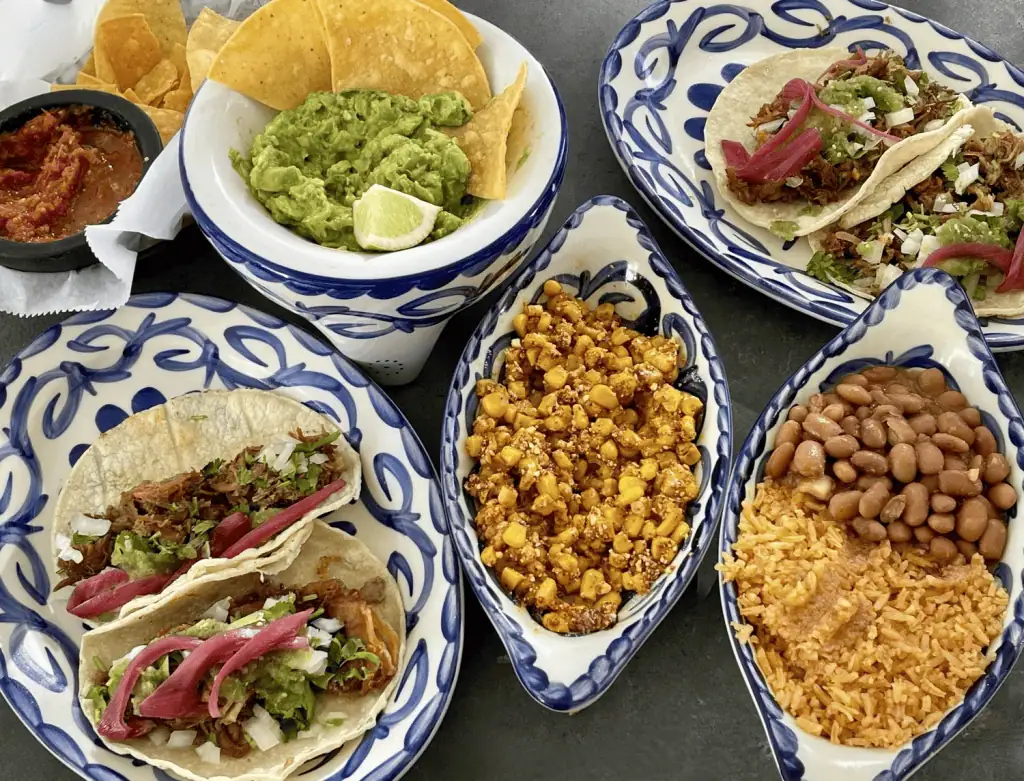
Mexican food became a U.S. staple through a combination of cross-border travel, cultural exchange, and constant media exposure. Streaming shows highlighting regional Mexican cooking introduced Americans to dishes beyond tacos and burritos, encouraging deeper appreciation for ingredients like masa, chiles, and slow-cooked meats. As travel to Mexico became more accessible, Americans returned home seeking authentic flavors, driving demand for tortillas, salsas, and street-style dishes that are now common in grocery stores nationwide.
Italy
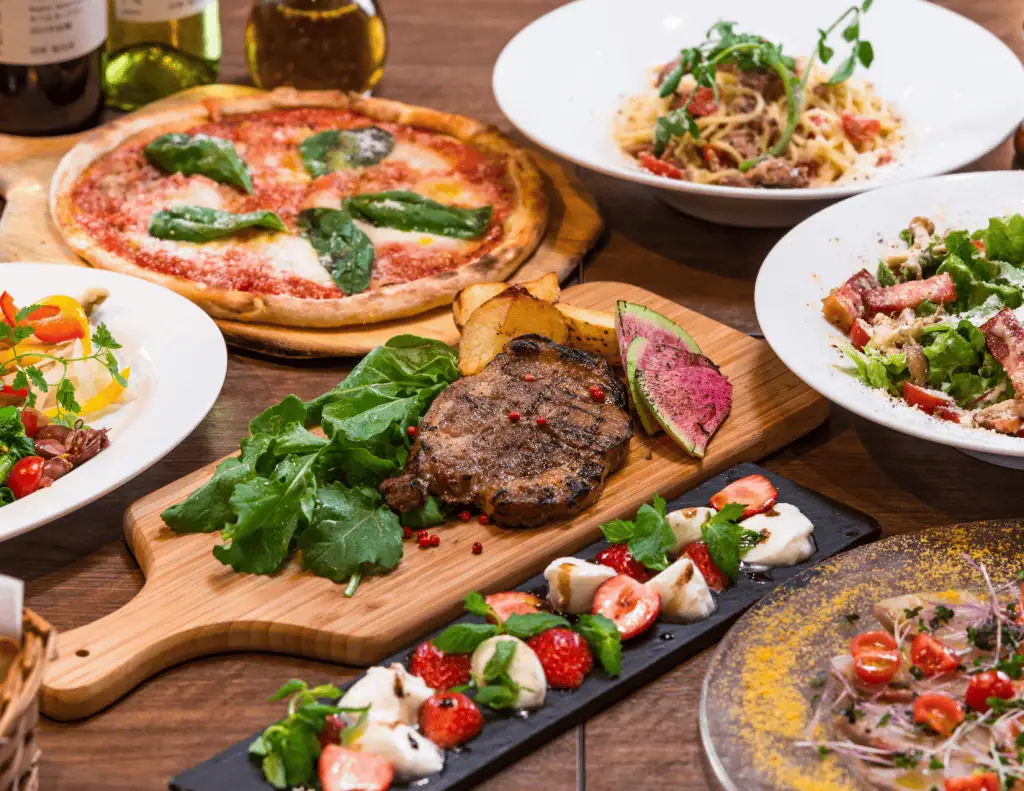
Italian cuisine has long influenced American food, but travel and streaming pushed it from tradition into daily routine. Food-focused travel series showcased regional Italian cooking, highlighting simplicity and ingredient quality rather than heavy sauces. Americans returning from Italy sought fresh pasta, olive oil, and classic preparations, reshaping expectations at home. As a result, Italian staples like pasta shapes, cured meats, and cheeses became everyday pantry items rather than special-occasion foods.
Japan
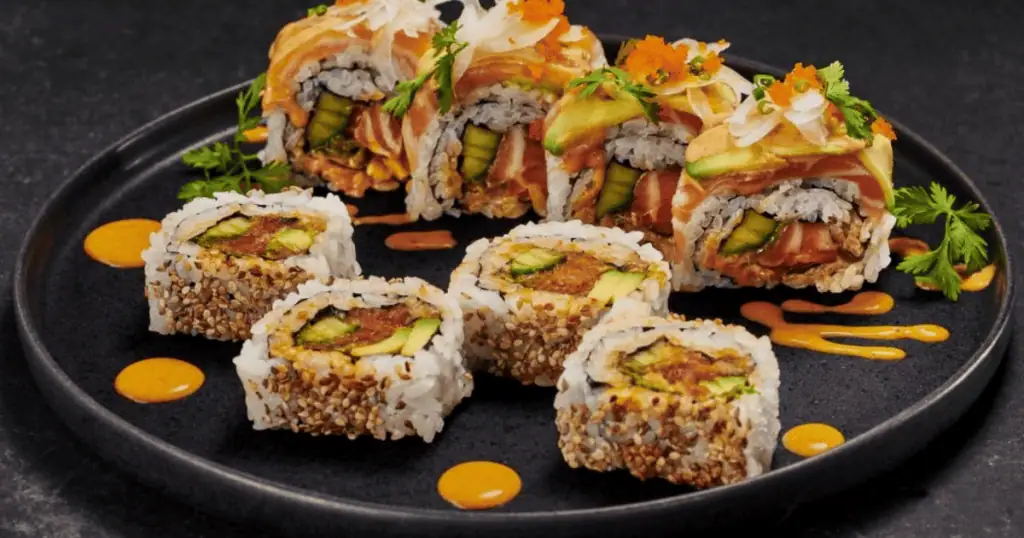
Japanese food moved from niche to mainstream as travel and streaming introduced Americans to its variety beyond sushi. Shows featuring ramen shops, izakayas, and street food expanded interest in Japanese flavors and techniques. Travel experiences reinforced this curiosity, leading to increased demand for noodles, broths, and condiments like miso and soy sauce. Today, ramen, matcha, and bento-style meals are widely available across the U.S.
South Korea
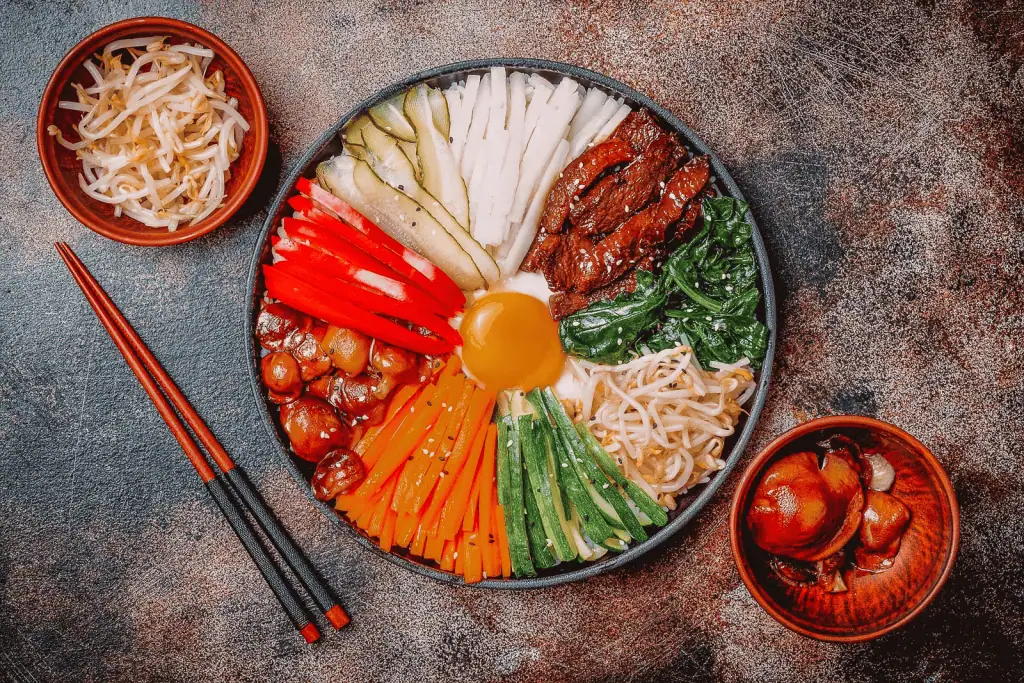
South Korean cuisine gained momentum through a blend of travel, streaming, and pop culture exposure. Food-focused shows and viral videos highlighted dishes like Korean barbecue, fried chicken, and fermented sides, making them feel approachable. Travelers returning from Seoul sought bold flavors and interactive dining experiences, accelerating demand. Korean ingredients such as gochujang and kimchi are now common grocery staples, reflecting widespread adoption.
Thailand
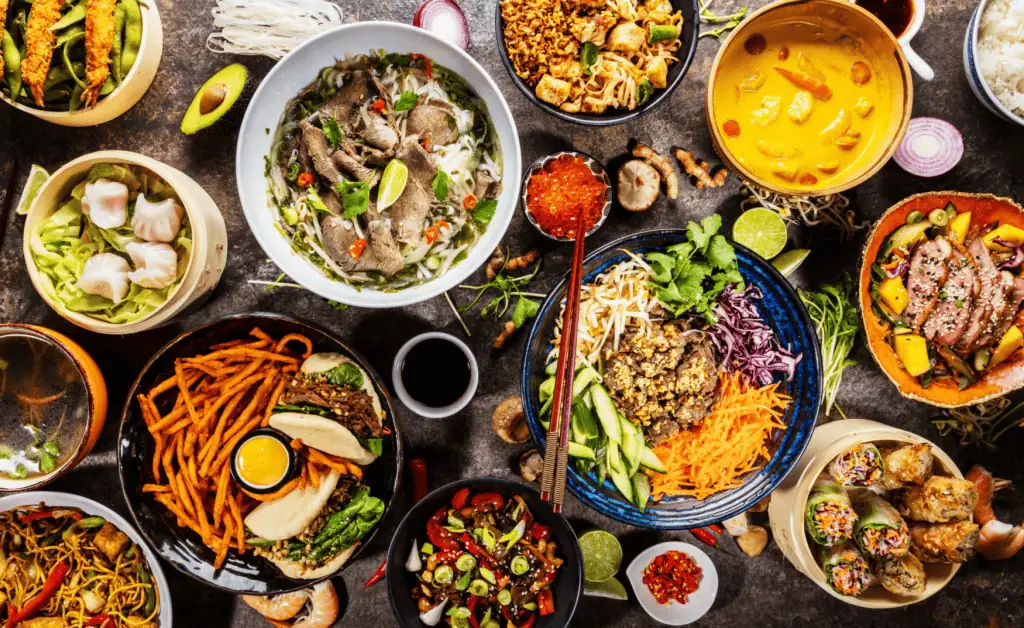
Thai food became firmly embedded in U.S. dining culture as travel exposed Americans to its balance of sweet, sour, salty, and spicy flavors. Streaming travel series reinforced this interest by showcasing street food and regional specialties. Upon returning home, travelers looked for familiar tastes, driving growth in Thai restaurants and grocery imports. Curry pastes, rice noodles, and coconut milk are now widely used in American kitchens.
India
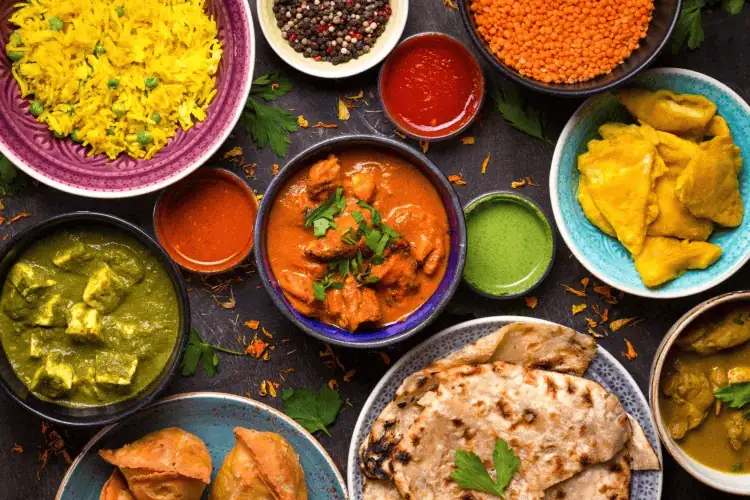
Indian cuisine expanded its presence in the U.S. through travel experiences and streaming content that demystified its spices and techniques. Shows highlighting regional Indian food encouraged Americans to explore beyond restaurant curries. Travelers returning home sought bold flavors, increasing demand for spice blends, lentils, and sauces. Today, Indian ingredients are commonly found in mainstream grocery stores and home cooking routines.
Vietnam
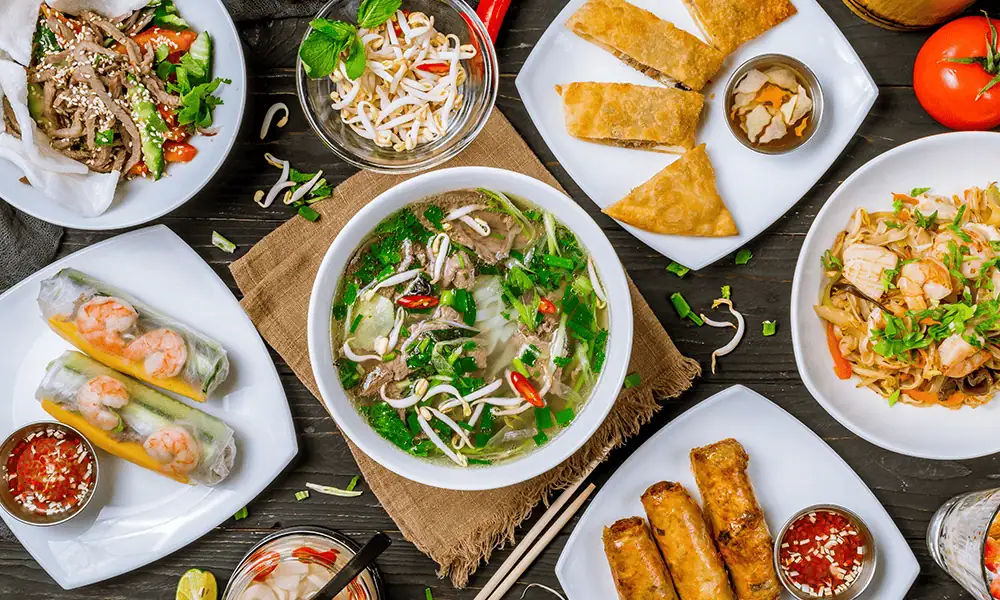
Vietnamese food gained U.S. popularity through travel exposure and streaming features highlighting pho, banh mi, and fresh herbs. Travelers returning from Vietnam wanted lighter, aromatic dishes that contrasted with heavier Western fare. Media coverage normalized fish sauce, rice noodles, and fresh herbs, helping them enter everyday cooking. Vietnamese flavors are now common across casual dining and grocery aisles nationwide.
China
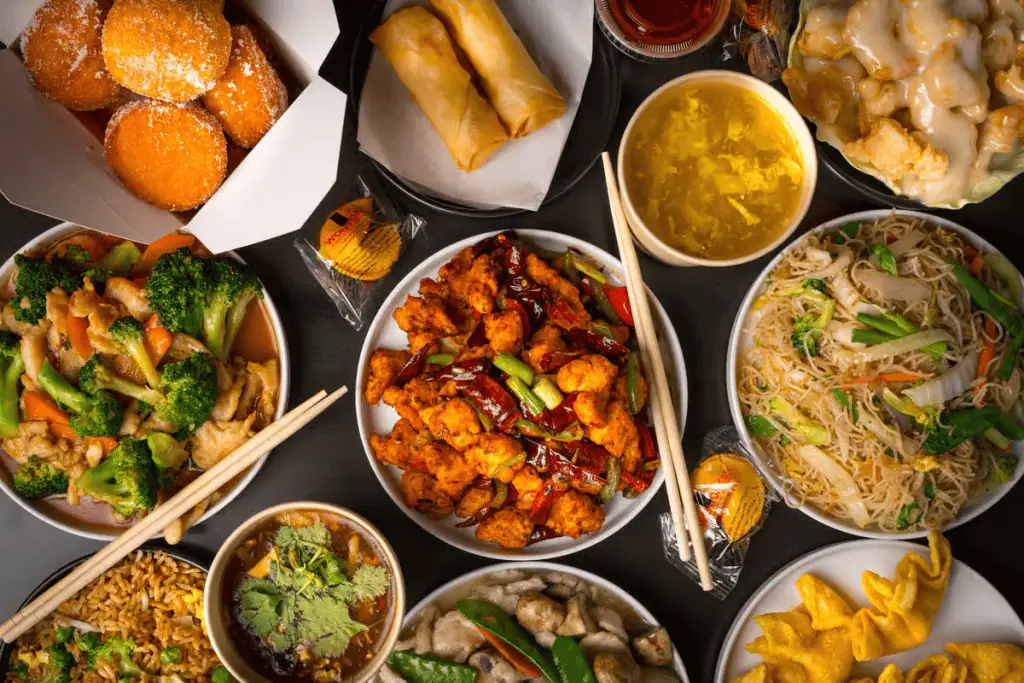
Chinese food evolved in the U.S. as travel and streaming introduced Americans to regional diversity beyond takeout classics. Shows featuring Sichuan, Cantonese, and northern cuisines broadened understanding of authentic flavors. Travelers sought more traditional dishes upon returning, increasing demand for specialty sauces, noodles, and cooking techniques. This shift helped transform Chinese food into a more nuanced and respected staple.
Turkey
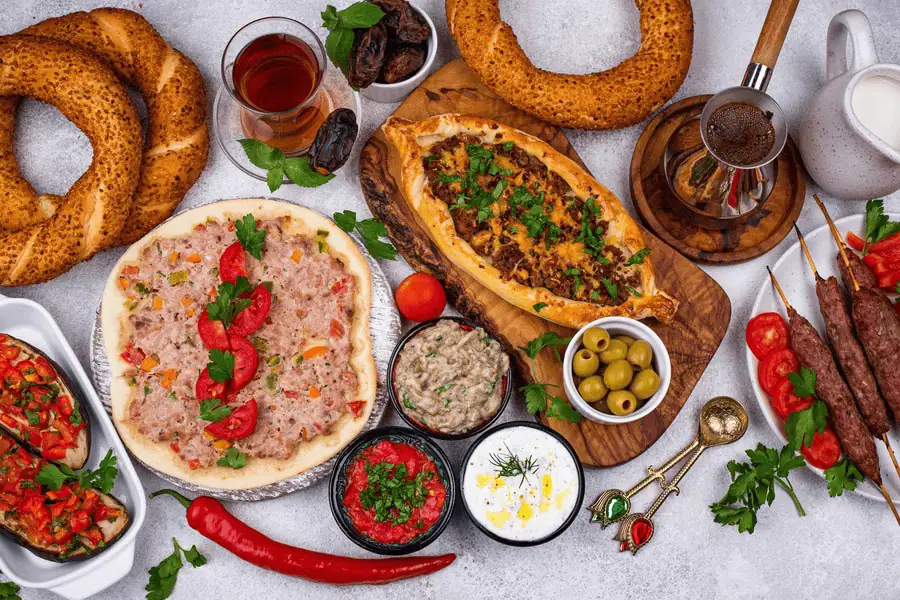
Turkish cuisine gained U.S. traction through travel experiences and visually rich streaming content highlighting street food and home cooking. Americans returning from Turkey sought flavors like grilled meats, yogurt sauces, and flatbreads. Media exposure helped normalize ingredients such as tahini and sumac, integrating them into everyday use. Turkish food now appears regularly in restaurants and grocery stores.
Peru
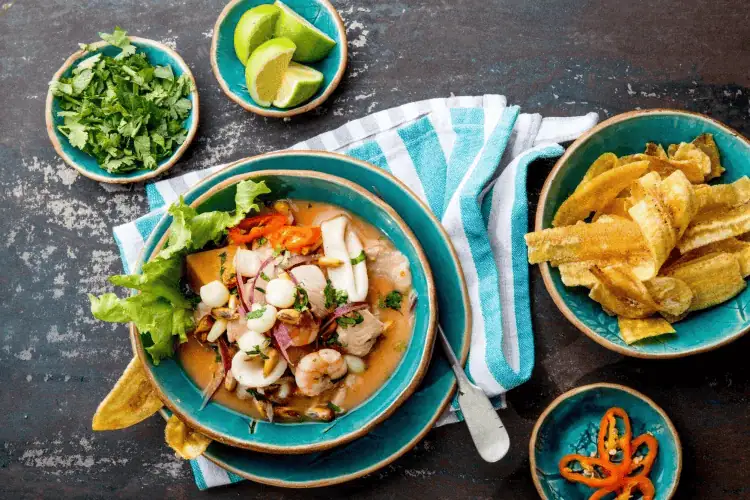
Peruvian cuisine emerged as a U.S. staple as travel and streaming spotlighted its fusion of Indigenous, European, and Asian influences. Food-focused shows introduced dishes like ceviche and roasted meats, sparking curiosity. Travelers returning home sought these vibrant flavors, driving restaurant growth and ingredient availability. Peruvian cooking styles are now increasingly familiar to American diners.


