
5 Food Predictions for 2026 That Could Change What You Eat

The year 2026 marks a major turning point in how we relate to the food on our plates. We are moving away from the era of “imitation” foods and entering a time of high-performance, functional nutrition. Driven by the massive rise of weight-loss medications and a new obsession with longevity, our eating habits are becoming more precise. No longer is it just about calories or basic macros; it is about how every single bite supports our long-term health.
Technology is finally stepping out of the lab and into the average kitchen in practical, life-changing ways. From “smart” snacking to the return of ancient preservation techniques, 2026 is the year of eating with purpose. Here are five major food predictions that will redefine your daily diet this year.
The Rise of “Mini-Meals” and “One-Bite” Grazing
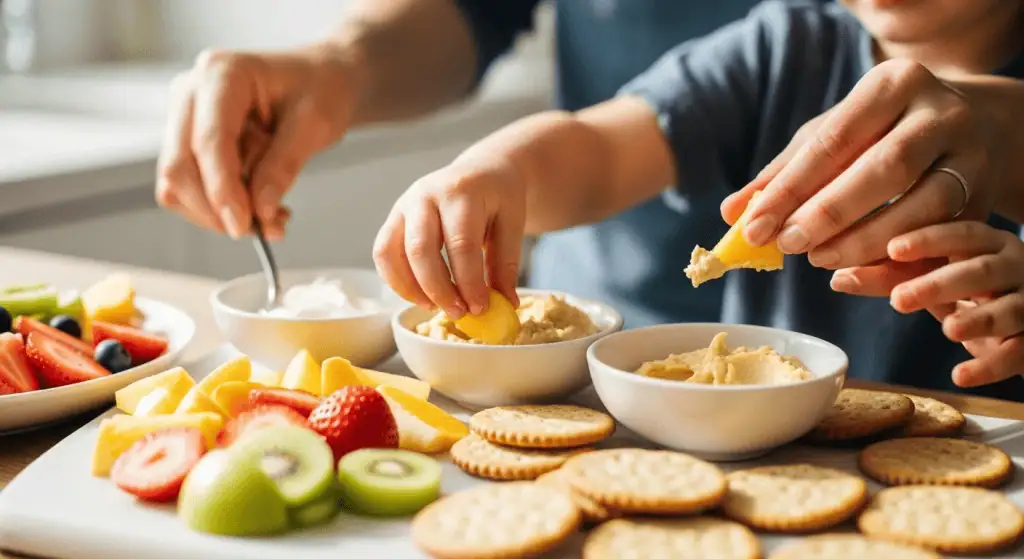
In 2026, the traditional “three square meals a day” structure is officially being replaced by a more flexible snacking culture. Driven by suppressed appetites from GLP-1 medications and busy remote-work schedules, consumers are opting for “mini-meals” throughout the day. These are not just snacks; they are nutritionally complete “micro-dishes” that offer a balance of protein, healthy fats, and fiber.
Major retailers like Kroger are already pivoting their inventory to focus on these high-quality, portion-controlled bites. This shift allows for more variety and personalization without the physical or financial burden of a large, heavy meal. It is a playful yet disciplined way of eating that prioritizes quality over sheer volume.
“Food as Medicine” Moves into the Mainstream
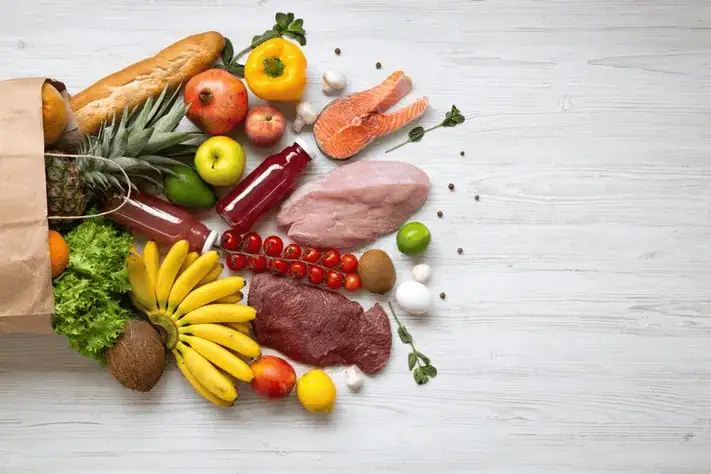
The “functional food” movement has graduated from specialty health stores to the primary aisles of your local supermarket. In 2026, every category from coffee to carbonated sodas is being infused with active ingredients like adaptogens, mushrooms, and probiotics. People are no longer just eating to get full; they are eating to reduce stress, improve sleep, and boost cognitive performance.
We are seeing a massive surge in “gut health hubs” within grocery stores, featuring prebiotic lemonades and fiber-rich snacks. The line between a pharmacy and a pantry is blurring as brands focus on “preventive nutrition” that tastes like everyday food. It is a sophisticated approach that treats your daily diet as your most powerful health insurance policy.
The “Authentic” Plant-Based Revolution
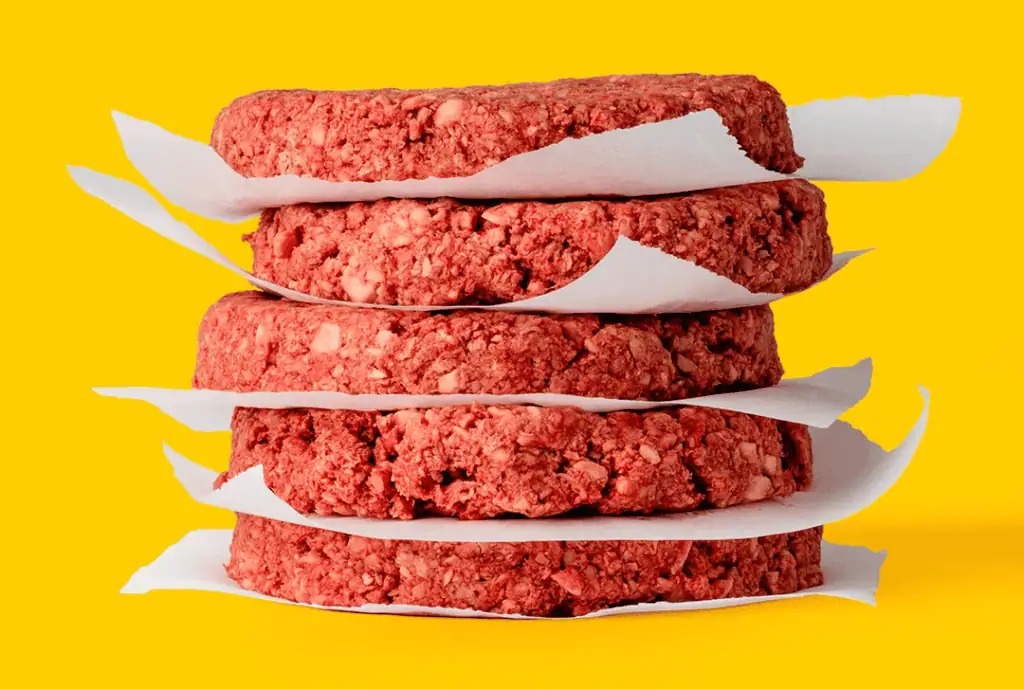
The era of plant-based meats trying to taste exactly like a “bleeding” beef burger is finally coming to an end. In 2026, consumers are rejecting highly processed analogs in favor of “authentic” plant proteins like beans, lentils, and mushrooms. People want their vegetables to actually taste like vegetables, but prepared with high-end culinary techniques like aging and fermentation.
This new wave of “kitchen couture” focuses on the natural nutrition and unique textures of plants rather than complex chemical imitations. You will see more standalone vegetable dishes on menus that are celebrated for their own merit, not as a “substitute.” It is a return to whole-food roots that values transparency and minimal processing above all else.
AI-Powered Personalized Nutrition Agents
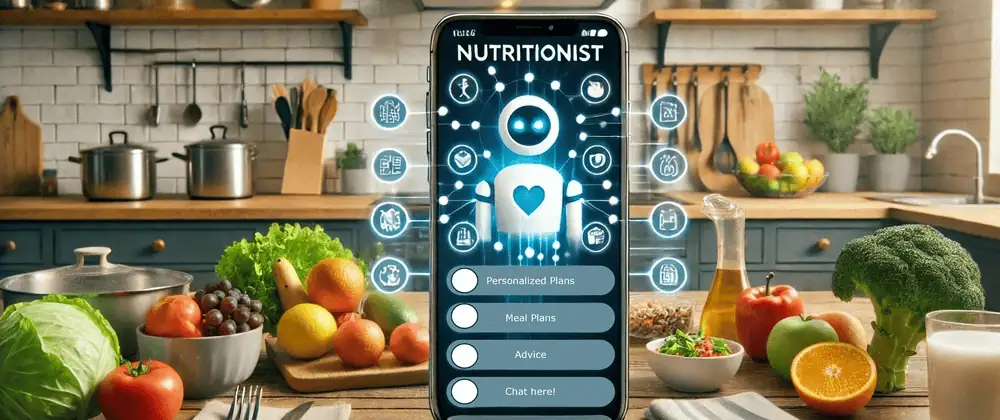
Personalized AI agents are no longer a futuristic concept; they are becoming your primary dietary advisors in 2026. These digital assistants sync with your wearable health data and blood markers to recommend specific meals tailored to your body's current needs. Whether you are pre-diabetic or training for a marathon, your AI agent can suggest recipes and even order the exact ingredients for you.
This “bazaar phase” of AI allows every citizen to have a custom-built model that understands their cultural preferences and health goals. It removes the “choice fatigue” of modern grocery shopping by providing a filtered list of what is truly best for you. Your phone is essentially becoming a pocket-sized nutritionist that makes eating healthy feel like autopilot.
The Return of Heritage Preservation (High-Tech Fermentation)

Ironically, the future of food in 2026 looks a lot like the past, but with a major high-tech upgrade. Ancient methods like fermentation, pickling, and “browned butter” techniques are making a massive comeback for their flavor depth and health benefits. However, we are now using “precision fermentation” to create high-quality, sustainable proteins that are identical to dairy and eggs without the animals.
This fusion of “grandma’s recipes” and modern biotech is creating a new category of “hybrid” foods that are both nostalgic and efficient. You will see more fermented citrus pastes like yuzu kosho and traditional “jacket potatoes” becoming viral, gourmet sensations. It is a beautiful marriage of traditional wisdom and futuristic science that makes our food systems more resilient.


