
15 Forgotten Dishes Your Grandparents Probably Grew Up Eating

Food isn’t just sustenance—it’s memory made edible. And for many grandparents, the meals of their youth were born not from cookbooks, but from creativity, thrift, and seasonal abundance. These dishes, once staples of everyday life, have quietly slipped off the menu. Yet behind every forgotten recipe is a story of resourcefulness and flavor that deserves to be remembered—and maybe even revived.
Tomato Aspic

A glistening tomato gelatin salad might sound strange today, but mid-century kitchens prized tomato aspic for its elegance and utility. Made with savory gelatin, spiced tomato juice, and often suspended vegetables or olives, it was a fixture of social luncheons. It bridged the gap between salad and entrée—a chilled, tangy relic of an era when presentation mattered as much as taste.
Chicken à la King
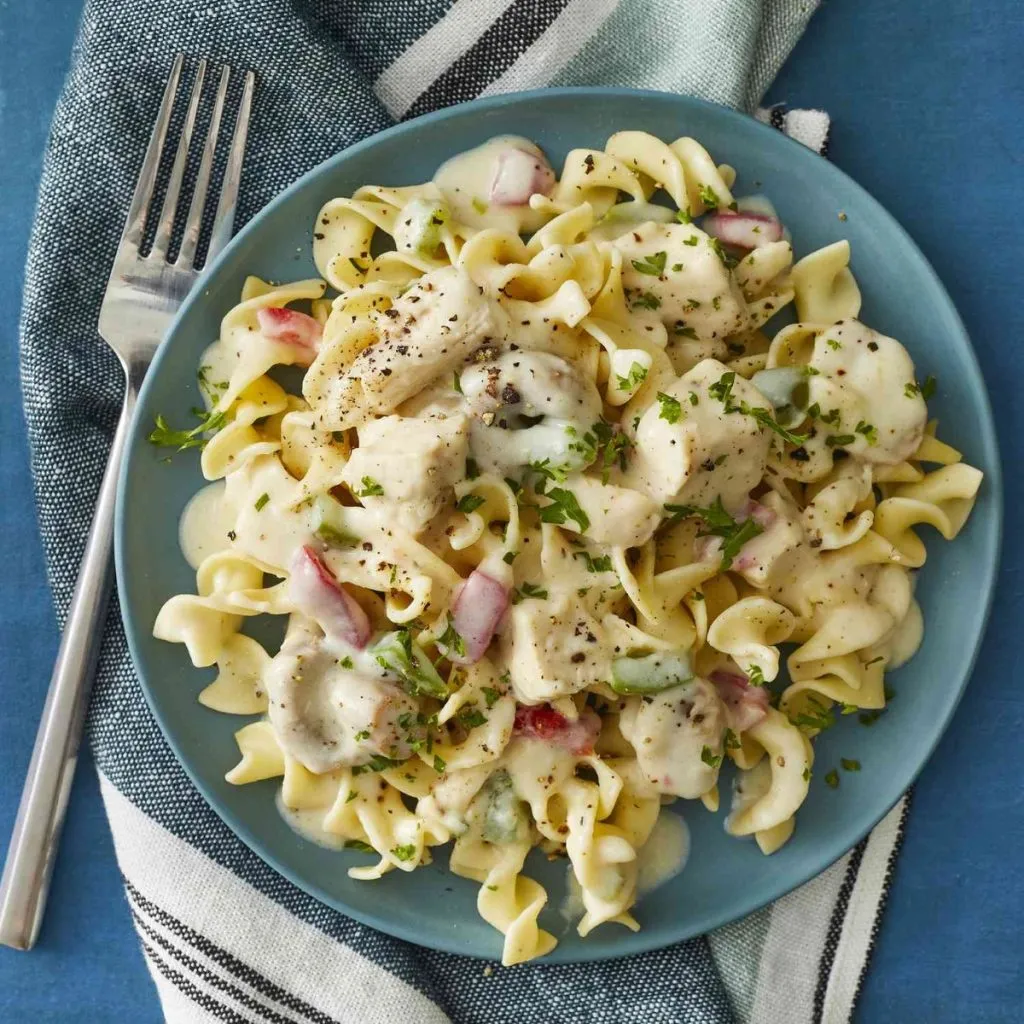
Before it became cafeteria fare, Chicken à la King was a symbol of luxury—creamy, rich, and often served in puff pastry shells. At its peak in the 1950s, it turned leftovers into something worthy of guests. The sauce, made with sherry, mushrooms, and pimentos, offered a French-inspired elegance in an age that valued both thrift and flair.
Get The Recipe: Chicken à la King
Ham Loaf

Think of meatloaf’s sweeter, pinker cousin. Ham loaf combined ground ham and pork, often sweetened with brown sugar or pineapple glaze. Popular in Pennsylvania Dutch and Midwestern kitchens, it made use of leftover ham scraps and pantry staples. Baked until caramelized on top, it offered a smoky-sweet alternative to the beef-heavy dishes of the time.
Creamed Chipped Beef on Toast

Often nicknamed “SOS” by wartime soldiers, this dish made its way into postwar kitchens as a quick and hearty breakfast or supper. Dried beef, rehydrated in a creamy white sauce and poured over toast, was budget-friendly and shelf-stable. Despite its humble status, its savory depth and warming familiarity made it a comfort food cornerstone.
Get The Recipe: Creamed Chipped Beef on Toast
Oxtail Stew

Once considered a peasant cut, oxtail was transformed by slow cooking into a silky, collagen-rich stew that rewarded patience with depth. Grandparents remembered it not just for the flavor but for the ritual—hours simmering on the stove, bones picked clean with bread. It’s a dish that thrived on nothing wasted, where marrow and time worked magic in cast iron.
Cornmeal Mush

A distant cousin to Italian polenta, cornmeal mush was a Depression-era staple that started as a savory porridge and often ended pan-fried for breakfast. Its strength was in its simplicity—just cornmeal, water, and salt—but it filled bellies and paired well with molasses, butter, or even sausage gravy. In frugal kitchens, versatility wasn’t optional—it was survival.
Get The Recipe: Cornmeal Mush
Liver and Onions

Now divisive, liver was once a prized source of iron, served with caramelized onions and often bacon grease for good measure. Grandparents grew up with the belief that liver was “good for you”—and it was, though its minerally bite and dense texture made it a tough sell to later generations. Still, it carried a sense of fortitude, of eating for strength, not fashion.
Get The Recipe: Liver and Onions
Rhubarb Pie

Rhubarb, that tart, celery-like stalk, used to be a backyard hero. Long before it became a niche farmers' market find, it starred in pies so puckery they made your teeth tingle—tempered only by heaps of sugar or a scoop of cream. Grandparents didn’t call it trendy; they just picked it fresh, tossed it with sugar, and let it sing under a flaky crust.
Stuffed Cabbage Rolls

Whether called holubtsi, golabki, or just cabbage rolls, these bundles of ground meat and rice wrapped in boiled cabbage leaves were immigrant ingenuity in edible form. Simmered in tomato sauce or baked, they were time-consuming but worth every minute. Many grandparents didn’t need a recipe—just memory, muscle memory, and Sunday patience.
Jell-O Molds with Vegetables

Yes, vegetables. In a time when gelatin reigned supreme, home cooks experimented wildly—suspending carrots, olives, or even shredded cabbage in Jell-O for dramatic, often questionable side dishes. These technicolor creations were less about taste and more about mid-century flair. They might not pass today’s flavor tests, but they were once the pride of potlucks.
Scrapple

Born from the resourceful kitchens of the Pennsylvania Dutch, scrapple is a mash-up of pork scraps, cornmeal, and spices, cooked into a loaf then sliced and fried. It was nose-to-tail dining before it had a name, and while its texture and origin might spook modern palates, it carried the soul of sustainability and the sizzle of a hot skillet morning.
Tapioca Pudding

Those tiny, translucent pearls floating in creamy sweetness were once a standard dessert—and a texture adventure. Tapioca pudding was slow-cooked, stirred constantly, and flavored simply with vanilla. Its gentle chew and cozy warmth made it a post-dinner comfort, often served with a spoon and stories from the old country.
Pork and Beans on Toast
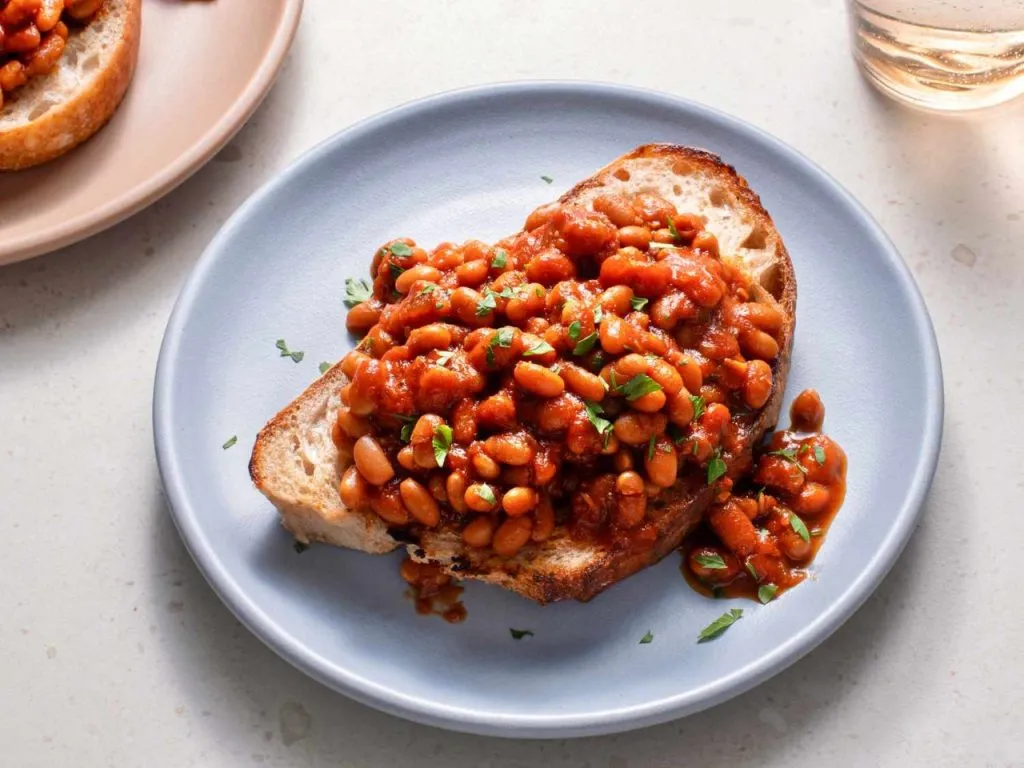
Cheap, hearty, and surprisingly comforting, pork and beans on toast was the no-fuss answer to meat-stretching during lean years. The beans were soft and sweet, often canned, poured hot over crisp toast, sometimes with bacon grease drizzled on top. It was humble, yes—but also a meal that met hard times with warmth and a full stomach.
Get The Recipe: Pork and Beans on Toast
Mock Apple Pie

No apples? No problem. During the Great Depression, home cooks turned saltine crackers, cinnamon, and sugar into a shockingly convincing apple pie. The crackers mimicked the texture, while the spiced syrup gave it that familiar baked fruit aroma. It was culinary illusion at its best—a dessert born of constraint but remembered for its cleverness.
Boiled Dinner

A dish more than the sum of its humble parts—cabbage, carrots, potatoes, and a cut of meat boiled until tender. Popular in Irish and New England homes, the boiled dinner was Sunday fare that stretched to Monday leftovers. It perfumed the house with comfort and carried a certain quiet dignity, honoring the idea that simplicity, done right, was enough.


