
6 Shocking food History facts You Probably Never Learned

We often think we know where our favorite meals come from. Most people assume recipes evolve naturally over centuries of tradition. However, the history of food is filled with strange secrets and corporate cover-ups. Many of the “ancient” stories we believe were actually invented by clever marketing teams. Some of our favorite snacks have origins that are far darker or weirder than expected.
From medicinal origins to accidental discoveries, the truth is often stranger than fiction. In 2026, historians are finally uncovering these “hidden” culinary tales for the modern public. Get ready to question everything currently sitting in your kitchen pantry today. Here are six shocking food history facts that were kept hidden until now.
Lobsters Were Once “The Cockroaches of the Sea”
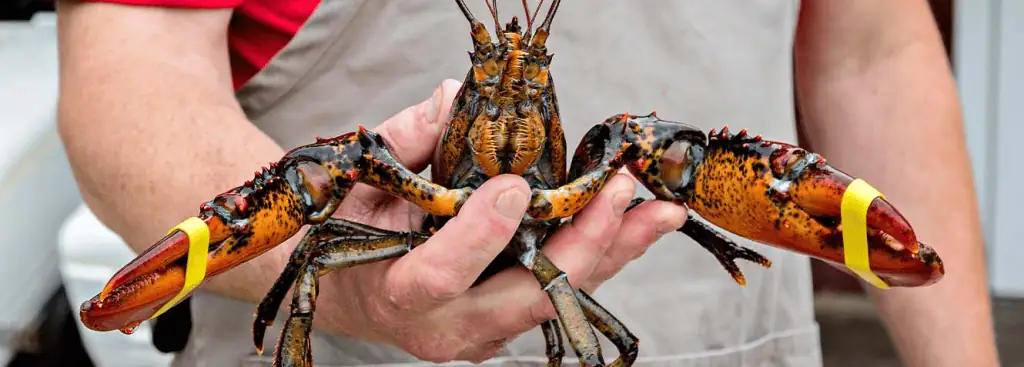
In the 1700s, lobster was considered so disgusting that it was fed only to prisoners and servants. It was so plentiful that it would wash up on beaches in massive, rotting piles. People viewed these crustaceans as bottom-feeding “sea bugs” that were unfit for any polite society. In fact, some states had laws preventing jails from feeding prisoners lobster more than twice weekly.
It was only after the advent of train travel that it became a luxury item. Managers served it to unsuspecting inland passengers who didn't know its low-class reputation. By the time they realized the truth, the “luxury” status had already stuck.
Ketchup Was Originally a 19th-Century Medicine
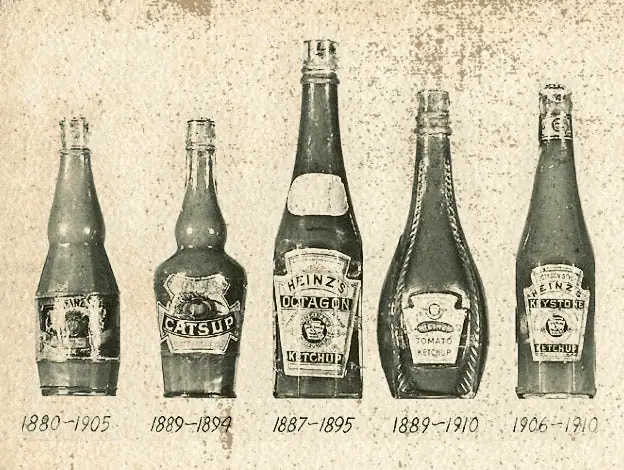
Before it was a burger topping, ketchup was sold as a cure-all for various stomach ailments. In the 1830s, Dr. John Cook Bennett claimed that tomatoes could treat diarrhea and persistent indigestion. He even had the sauce concentrated into “tomato pills” sold in local pharmacies across America. This medical craze lasted for nearly a decade before the “tomato pill” market eventually collapsed.
People realized that while tomatoes were healthy, they weren't exactly a magical cure for every disease. It took another fifty years for the sauce to be rebranded as a common condiment. Today, we simply enjoy the taste without expecting it to fix our digestive health.
Carrots Weren't Always Orange (It Was a Political Statement)

Most people believe that carrots have always been the bright orange root we see today. In reality, the original wild carrots were almost exclusively purple, yellow, or even a pale white. The orange carrot only became dominant in the 17th century thanks to Dutch farmers. Legend suggests they bred them specifically to honor William of Orange during the Dutch independence movement.
By stabilizing this specific color, they created a living tribute to their national royal house. Over time, the orange variety proved to be sweeter and more robust than the purple versions. This political gardening project eventually changed the look of produce aisles all over the world.
Graham Crackers Were Invented to Stop “Sinful” Desires

Sylvester Graham, the creator of the Graham cracker, was a 19th-century minister with a very specific mission. He believed that spicy, rich, or flavorful foods led to “unhealthy” and lustful thoughts among the youth. His solution was a bland, high-fiber biscuit made from unrefined flour that would suppress physical desires. He hoped that a boring diet would lead to a more moral and disciplined American society.
Ironically, his “anti-flavor” crackers are now the base for s'mores the ultimate sugary, indulgent campfire treat. The man who tried to banish pleasure accidentally created the foundation for one of our favorite desserts. It is a classic example of a “health food” failing its original social mission.
The “Five Second Rule” Was Actually Tested by NASA

We have all used the “five-second rule” after dropping a piece of food on the floor. While many think it is just an old wives' tale, it was actually studied rigorously. Even researchers associated with NASA and major universities have run experiments on bacteria transfer rates. Their findings were quite shocking: bacteria can actually attach to dropped food in less than one second.
The “rule” provides a false sense of security regardless of how fast your reflexes are. However, the type of surface matters more than the time the food spends on the ground. A carpet is actually “cleaner” than a tile floor because it has less surface contact.
Cotton Candy Was Co-Invented by a Dentist

It seems like a cruel irony, but the machine that creates cotton candy was co-invented by a dentist. In 1897, Dr. William Morrison partnered with a candy maker to create “Fairy Floss.” They introduced the spinning sugar machine at the 1904 World's Fair to massive public acclaim.
They sold over 68,000 boxes of the treat, making a fortune from the very substance that causes cavities. It is unclear if Morrison was looking for new patients or just loved the fluffy texture. Regardless, his invention remains a staple of every carnival and fair across the globe today. It is a perfect reminder that the history of food is full of unexpected contradictions.


